
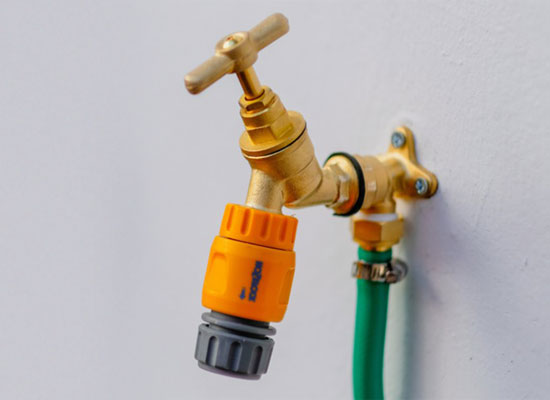
Image Source: mydisposal.com
How To Dispose Of Garden Hose Safely and Properly
Can you throw a garden hose in the trash? Generally, yes, but there are better ways to dispose of old garden hoses than just tossing them in the garbage bin. Proper hose disposal involves considering recycling, reuse, and safe landfill practices.
As your trusted garden companion, a garden hose has seen many seasons of watering. But when it springs leaks, cracks, or becomes too stiff to manage, it’s time to say goodbye. Disposing of an old garden hose might seem simple, but doing it safely and responsibly can make a surprising difference. This guide will walk you through the best ways to handle your retired hose, from exploring recycling options to understanding what happens if your garden hose ends up in a landfill.
Why Proper Disposal Matters
Everyday items we discard can have a larger impact than we realize. Garden hoses, often made from materials like vinyl, rubber, or a combination, aren’t always biodegradable. When these materials end up in landfills, they can persist for hundreds of years, contributing to waste accumulation and potentially leaching harmful chemicals into the soil and water over time. This is why learning about proper hose disposal is important for environmental care.
Exploring Options for Your Old Garden Hose
Before you decide on the best way to get rid of your garden hose, let’s look at the different avenues available.
1. Recycling Garden Hoses: A Greener Choice
Recycling is often the most environmentally friendly option for many household items, and garden hoses are no exception. However, it’s not as straightforward as tossing them into your curbside recycling bin.
-
What Materials Are Garden Hoses Made Of? Most garden hoses are made from synthetic materials. Common components include:
- Vinyl (PVC): This is a very common and durable material, but it requires specialized recycling processes.
- Rubber: Natural or synthetic rubber is also used, offering flexibility and strength.
- Reinforcement Layers: Many hoses have nylon or polyester mesh for added strength.
- Brass or Plastic Fittings: The connectors at the ends can be made of metal or plastic.
-
Finding Specialized Recycling Centers: Curbside recycling programs typically don’t accept garden hoses because they are bulky and made of mixed materials that can clog sorting machinery. You’ll need to seek out specialized recycling facilities.
- Local Waste Management Facilities: Some municipal waste management sites have specific drop-off points for unusual items.
- Scrap Metal Yards: If your hose has sturdy brass fittings, some scrap metal yards might accept them, though they may only take the metal parts.
- Plastic Recycling Specialists: Companies that specialize in recycling plastics might be able to handle vinyl hoses, but it’s best to call ahead.
-
Preparing Your Hose for Recycling:
- Remove Fittings: If possible, detach the metal or plastic fittings from the ends of the hose. These might be recyclable separately.
- Clean the Hose: Give the hose a good rinse to remove dirt and debris. This makes it more appealing to recycling facilities.
- Coil Neatly: Coiling the hose tightly can make it easier to transport and handle at the recycling center.
2. Reusing Garden Hoses: Giving It New Life
If your garden hose isn’t completely beyond repair or has some usable sections, think about ways to reuse it around your home or garden. This is a fantastic way to minimize waste and get extra mileage out of an item.
-
Creative Upcycling Ideas:
- Garden Edging: Cut the hose into sections and use them to create a flexible border for garden beds.
- Protective Sleeving: Wrap sections of the hose around sharp edges, tool handles, or even the base of young trees to protect them.
- DIY Sprinkler: Punch small holes along the length of a hose, cap one end, and connect it to a water source. You’ll have a simple, custom sprinkler!
- Weight or Anchor: Fill sections of the hose with sand or gravel to create weights for tarps or temporary shelters.
- Craft Projects: Old hoses can be used in various craft projects, from making mats to creating decorative items.
- Animal Protection: Some people use sections of hose to protect pet tails or legs from rough surfaces or machinery.
-
Checking for Usable Sections: Even a hose with a significant leak might have long, intact sections that can be repurposed. Carefully inspect the hose for areas that are still in good condition.
3. Proper Hose Disposal: When Other Options Aren’t Available
If recycling or reusing isn’t feasible, you’ll need to consider more traditional disposal methods. However, even here, there are ways to be more responsible.
-
Cutting Up Garden Hoses: For easier handling and to ensure it fits within waste disposal regulations, cutting up your garden hose is often recommended.
- Tools for Cutting: Use a sharp utility knife, strong scissors, or a hacksaw. Be cautious when using sharp tools.
- Reducing Bulk: Cutting the hose into smaller pieces makes it less bulky for transport and disposal.
-
What Happens in a Garden Hose Landfill? When a garden hose goes to a landfill, it sits there. Unlike organic materials, the plastics and rubber in hoses do not readily break down.
- Longevity in Landfills: The materials can take hundreds of years to degrade, if they degrade at all.
- Potential for Leaching: Over very long periods, there’s a slight possibility of chemicals leaching from the plastic into the surrounding soil, though modern landfills are designed to minimize this risk.
-
Local Disposal Sites:
- Curbside Trash Collection: This is the most common method if no other options are available. Check your local waste management guidelines regarding acceptable items and quantity limits.
- Household Hazardous Waste (HHW) Facilities: While garden hoses are not typically considered hazardous waste, it’s always worth checking with your local HHW facility. Sometimes they accept items that are difficult to dispose of through regular channels.
- Transfer Stations: These are facilities where waste is collected before being transported to a landfill or other processing site. They are often a good option for larger items or materials not accepted in regular trash.
-
Removing Garden Hose: When you’re ready to dispose of the hose, make sure it’s completely disconnected from your water source. Empty any residual water and remove any attached accessories like nozzles or sprinklers, as these might have different disposal requirements.
Factors to Consider When Disposing
Several factors influence the best disposal method for your garden hose.
Material Composition
The type of material your hose is made of plays a big role.
| Hose Material Type | Recycling Feasibility | Disposal Considerations |
|---|---|---|
| Vinyl (PVC) | Requires specialized plastic recycling; not curbside. | Long decomposition time in landfills. |
| Rubber (Natural) | Limited specialized recycling; often ends up in landfills. | Can be bulky; cutting may be helpful for disposal. |
| Rubber (Synthetic) | Similar to natural rubber; specialized recycling less common. | May contain additives that affect decomposition. |
| Reinforced Hoses | Mixed materials make recycling more complex. | Reinforcing fibers can hinder breakdown in landfills. |
| Brass Fittings | Easily recyclable at scrap metal yards. | Remove from hose for separate, efficient recycling. |
| Plastic Fittings | May be recyclable with other plastics, depending on type. | Check local plastic recycling guidelines for fittings. |
Condition of the Hose
A hose that’s still functional or has usable sections is a prime candidate for reuse or upcycling. A hose that is cracked, brittle, or severely damaged is less likely to be repurposed and more likely to need disposal.
Local Regulations and Availability
Always check with your local municipality or waste management provider. They can offer specific guidance on what items are accepted in curbside trash, what can be taken to transfer stations, and if there are any special collection events or recycling programs for items like garden hoses.
Step-by-Step Guide to Disposing of Your Old Hose
- Assess the Hose: Examine your garden hose. Is it completely unusable, or are there sections that could be salvaged for other purposes?
- Consider Reuse/Upcycling: Brainstorm creative ways to reuse the hose or its parts. Garden edging, protective sleeves, or DIY projects are great options.
- Research Recycling Options:
- Contact your local recycling center to see if they accept garden hoses.
- Search online for specialized plastic or rubber recyclers in your area.
- Check with your municipal waste management department for specific instructions.
- Prepare for Recycling (if applicable):
- Remove any metal or plastic fittings.
- Clean the hose thoroughly.
- Coil it neatly.
- Prepare for Disposal (if recycling isn’t possible):
- Cut the hose into smaller, manageable pieces using a utility knife, scissors, or saw. This makes it easier to handle and fit into bins or transport.
- Ensure the hose is disconnected from all water sources and any attached accessories are removed.
- Transport and Dispose:
- Take the hose to your chosen recycling facility or local disposal site.
- If using curbside trash, place the cut-up hose in your regular garbage bin, ensuring it meets any weight or volume restrictions.
What Not To Do
- Do Not Burn Your Hose: Burning plastic or rubber hoses can release toxic fumes into the air. This is harmful to your health and the environment.
- Do Not Dump It Illegally: Never leave your old hose on the side of the road, in a ditch, or in a natural area. This is illegal, unsightly, and harmful to wildlife.
- Do Not Put It in Curbside Recycling Unless Explicitly Allowed: Most recycling facilities cannot process garden hoses, and doing so can contaminate other recyclable materials and damage equipment.
Frequently Asked Questions (FAQ)
Q1: Can I put my garden hose in my regular trash bin?
A1: In most cases, yes. If recycling or reusing isn’t an option, your garden hose can typically be placed in your household trash. However, it’s always best to check your local waste management guidelines. Cutting the hose into smaller pieces can make it easier to dispose of.
Q2: Are garden hoses recyclable?
A2: While garden hoses are technically made of recyclable materials like vinyl and rubber, they are not typically accepted in standard curbside recycling programs. You usually need to find specialized recycling centers that handle these types of materials.
Q3: Where can I find local disposal sites for old garden hoses?
A3: You can check with your local municipality’s waste management department, search online for “specialized recycling centers near me,” or contact local transfer stations. Some community waste collection events might also accept them.
Q4: Is natural decomposition of hoses a viable disposal method?
A4: No, natural decomposition of hoses is not a viable or environmentally friendly disposal method. The materials used in garden hoses, such as vinyl and synthetic rubber, are designed for durability and do not break down quickly in the environment. They can persist for hundreds of years if left exposed or in a landfill.
Q5: What are some ways to reuse an old garden hose?
A5: Old garden hoses can be repurposed for many things! You can use sections for garden edging, protective sleeves for sharp objects, create a DIY sprinkler system, or use them in various craft projects.
Q6: Does cutting up garden hoses help with disposal?
A6: Yes, cutting up garden hoses makes them much easier to handle and fit into trash bins or transport to disposal sites. It also helps reduce their bulk.
Q7: What about removing garden hose fittings?
A7: It’s a good idea to remove garden hose fittings, especially if they are made of metal like brass. These fittings can often be recycled separately at a scrap metal yard, making the disposal of both parts more efficient.
By following these guidelines, you can ensure your old garden hose is disposed of in a way that’s safe, responsible, and kinder to our planet.