
Black widow spiders are a common concern for homeowners, and knowing how to deal with them safely is crucial. Can you get rid of black widows in your yard effectively? Yes, with the right approach, you can significantly reduce their presence and prevent future infestations. This guide provides expert advice on identifying, removing, and preventing these venomous arachnids from making your yard their home. We’ll cover everything from identifying them to using safe and effective methods for spider removal and pest control.
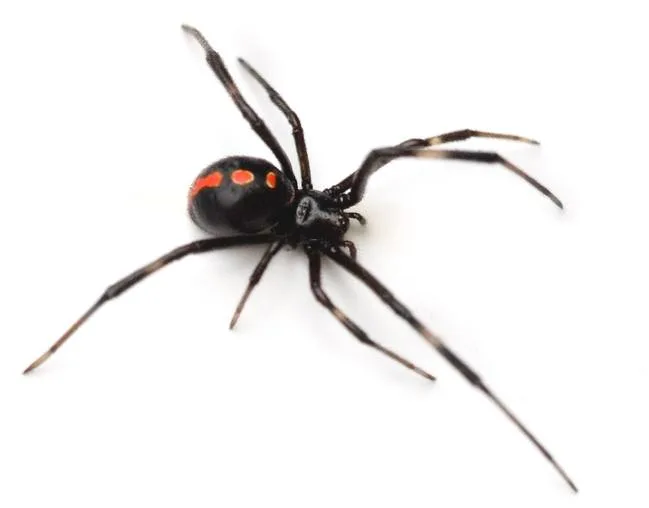
Image Source: images.surferseo.art
Identifying Black Widows: What to Look For
Accurate identification is the first step in dealing with any pest, and black widow spiders are no exception. Misidentification can lead to unnecessary worry or, worse, an underestimation of a genuine threat. Black widows are not the only outdoor spiders you might encounter, but their distinctive markings and potent venom make them stand out.
Physical Characteristics
Female black widow spiders are easily recognizable by their glossy black bodies. What truly sets them apart is the prominent, hourglass-shaped marking on the underside of their abdomen. This marking is typically bright red or orange, though it can sometimes appear as a reddish-brown or even have an irregular shape.
- Body: Females are about 1.5 inches long, including their legs. Their bodies are round and bulbous.
- Color: Glossy black.
- Marking: The defining feature is the red hourglass on the underside of the abdomen. Some females might have a red spot or a broken hourglass.
- Legs: Eight long, thin legs.
- Webs: Black widows build irregular, tangled, and messy-looking webs, often near the ground. They are strong and sticky, used to trap prey.
Male black widow spiders are much smaller than females and typically have reddish or brownish stripes and spots on their backs. They are not considered dangerous to humans.
Habitat Preferences
Black widows prefer dark, undisturbed, and sheltered locations in and around your yard. They are more active during warmer months.
- Nooks and Crannies: They favor cluttered areas. Think about:
- Woodpiles
- Sheds and garages
- Underneath outdoor furniture
- Around foundations of homes
- Inside old tires, flower pots, or garden equipment
- Areas with plenty of debris, like leaf litter or brush piles
They are outdoor spiders for the most part, but they can sometimes venture indoors if conditions are favorable.
Safe Black Widow Removal Methods
Dealing with black widows requires caution and specific techniques to ensure your safety. When you need to tackle the problem of spider removal, prioritize methods that minimize direct contact and risk.
Direct Removal and Web Destruction
If you spot a black widow or its web, the safest approach is to destroy the web and remove the spider.
Step-by-Step Guide for Direct Removal:
- Gear Up: Wear thick gloves, long sleeves, long pants, and closed-toe shoes. This is crucial for preventing bites.
- Web Destruction:
- Use a broom or a long stick to carefully break apart the web. Be gentle to avoid startling the spider.
- If you can see the spider, try to sweep it into a container.
- Containment:
- Once the spider is swept into a container (like a jar or a sturdy plastic bag), seal it tightly.
- Disposal:
- You can then dispose of the contained spider. Some people choose to freeze it, while others may crush it if safely contained. If you’re concerned about releasing it, immediate disposal is best.
- Clean Up: Dispose of any debris where the web was located.
Important Safety Precaution: Never use your bare hands to remove webs or spiders.
Using Insecticides Safely and Effectively
When direct removal isn’t feasible or you need to treat larger areas, insecticides can be an option. However, it’s vital to use them correctly and with proper safety precautions.
Types of Insecticides:
- Contact Sprays: These are designed to kill spiders on contact. Look for products specifically labeled for spiders and that list pyrethroids (like permethrin or cypermethrin) as active ingredients.
- Residual Sprays: These leave a residue that can kill spiders that crawl over the treated area later.
- Dusts: Insecticidal dusts can be applied to cracks, crevices, and voids where spiders hide.
Application Guidelines:
- Read the Label: Always read and follow the manufacturer’s instructions and warnings precisely. This is paramount for safety and effectiveness.
- Targeted Application: Apply sprays directly to visible spiders and their webs. Treat harborage areas like cracks, crevices, and the undersides of objects.
- Timing: Apply insecticides during cooler parts of the day (early morning or late evening) when spiders are more likely to be active.
- Protective Gear: Wear gloves, long sleeves, and pants when applying any pesticide.
- Ventilation: If treating indoors, ensure good ventilation.
- Keep Pets and Children Away: Keep pets and children away from treated areas until the spray has dried and the area is safe.
- Spot Treatment: Prioritize spot treatments over broad-area spraying to minimize environmental impact and exposure.
Natural Remedies for Spider Control
For those seeking a more natural approach to pest control, several remedies can help deter or kill black widows without harsh chemicals. These can be effective as a supplementary measure or for mild infestations.
Natural Deterrents and Killers:
- Peppermint Oil: Spiders are said to dislike the strong scent of peppermint.
- How to Use: Mix 15-20 drops of peppermint essential oil with water in a spray bottle. Spray around entry points, windows, and areas where you’ve seen webs. Reapply regularly as the scent fades.
- Vinegar Spray: Vinegar’s acidity can kill spiders on contact.
- How to Use: Mix equal parts white vinegar and water in a spray bottle. Spray directly onto spiders and webs. Be cautious spraying on plants, as it can damage them.
- Cedar: The scent of cedar is known to repel many insects and spiders.
- How to Use: Place cedar chips or blocks in areas where spiders are common, such as sheds, garages, or near foundations. Cedar oil sprays are also available.
- Diatomaceous Earth (Food Grade): This is a natural powder made from fossilized algae. It works by abrading the spider’s exoskeleton, causing dehydration.
- How to Use: Lightly dust food-grade diatomaceous earth in dry areas where spiders hide, such as cracks, crevices, and behind appliances. Avoid inhaling the dust.
Important Note on Natural Remedies:
While natural remedies can be helpful, they often require more frequent application and may not be as potent as chemical insecticides for severe infestations. They are generally safer for pets and the environment.
Prevention Tips: Keeping Black Widows Out
The most effective strategy for managing black widow spiders is prevention. By making your yard less inviting, you can significantly reduce the chances of them establishing a presence.
Yard Maintenance is Key
Regular upkeep of your yard is your first line of defense against outdoor spiders, including black widows.
- Declutter: Remove potential hiding places.
- Woodpiles: Store firewood off the ground and away from your home. Cover it with a tarp.
- Debris: Clear away leaf litter, grass clippings, rocks, and general yard debris.
- Outdoor Equipment: Store tools, toys, and gardening equipment in sealed containers or tidy garages/sheds.
- Clutter Removal: Regularly tidy up garages, sheds, porches, and basements.
- Vegetation Management: Trim overgrown bushes, shrubs, and trees, especially those touching your house. This removes potential pathways and hiding spots.
- Weed Control: Keep weeds down around the foundation of your home.
- Trash Management: Keep garbage cans sealed and consider moving them away from your house if possible.
Sealing Entry Points
Preventing spiders from entering your home is as important as managing them in the yard.
- Seal Cracks and Gaps: Inspect the exterior of your home for any cracks or openings in the foundation, walls, or around windows and doors. Seal them with caulk or appropriate sealant.
- Weather Stripping: Ensure doors and windows have proper weather stripping and that it is in good condition.
- Screens: Check window and door screens for tears or holes and repair them promptly.
- Vents: Cover vents with fine mesh screening to prevent spiders and other pests from entering.
Other Preventive Measures
- Outdoor Lighting: Spiders are often attracted to insects, which are themselves attracted to light. Consider using yellow “bug lights” or motion-sensor lights, which are less attractive to insects and thus indirectly to spiders.
- Regular Inspections: Make it a habit to inspect common spider hangouts in your yard and home regularly.
When to Call a Professional Exterminator
Sometimes, despite your best efforts, you may find that the black widow population in your yard is overwhelming or you’re not comfortable handling the spider removal yourself. In such cases, professional pest control services are invaluable.
Signs You Might Need Professional Help
- Large Infestations: If you see numerous webs and spiders consistently, it may indicate a significant infestation that’s difficult to manage with DIY methods.
- Recurring Problems: If you’ve tried various methods but black widows keep returning in large numbers, a professional can identify the root cause and implement more robust solutions.
- Safety Concerns: If you have young children or pets, or if you are particularly sensitive to bites, hiring professionals ensures the job is done safely and effectively.
- Inability to Safely Access Areas: If spiders are in hard-to-reach places like deep in attics, crawl spaces, or dense vegetation, a professional has the equipment and expertise to treat these areas safely.
What a Professional Exterminator Offers
- Accurate Identification: Professionals can confirm if you indeed have black widows and distinguish them from other common spiders.
- Targeted Treatment Plans: They will assess the situation and create a customized treatment plan using appropriate insecticides or other control methods.
- Safety Protocols: Exterminators are trained in the safe handling and application of pesticides, minimizing risks to people and pets.
- Follow-Up Services: Many pest control companies offer follow-up visits to ensure the problem is resolved and to provide ongoing prevention strategies.
Choosing a Reputable Pest Control Service:
- Licensing and Insurance: Ensure the company is licensed and insured.
- Experience with Spiders: Look for companies with experience specifically dealing with venomous spiders like black widows.
- Written Contracts: Get a written contract outlining the services to be performed, costs, and guarantees.
- Ask About Methods: Inquire about the methods and chemicals they plan to use and their safety protocols.
Frequently Asked Questions (FAQ)
Q1: Are black widow spiders aggressive?
No, black widow spiders are generally not aggressive. They are shy and will usually only bite if they feel threatened or cornered, especially if their web or egg sacs are disturbed.
Q2: What should I do if I am bitten by a black widow?
Seek immediate medical attention. Symptoms can include muscle cramps, pain at the bite site, nausea, and sweating. Prompt medical care is essential.
Q3: Can I use common household cleaners to kill black widows?
Some household cleaners may kill spiders on contact, but they are not formulated as insecticides and may not offer residual protection or reach hidden spiders effectively. It’s best to use products specifically designed for pest control and labeled for spider control.
Q4: How often should I inspect my yard for black widows?
It’s a good practice to do a visual inspection of common spider habitats in your yard at least once a month during warmer seasons. More frequent checks in areas where you’ve previously seen activity are recommended.
Q5: Are there any natural predators of black widows that can help control their population?
Yes, certain insects and other spiders can prey on black widows, but relying solely on natural predators is usually not enough for significant control. Encouraging a healthy ecosystem in your yard can help, but direct intervention is often necessary for managing problematic populations.
By following these expert tips, you can effectively manage and prevent black widow spiders in your yard, ensuring a safer outdoor environment for you and your family. Remember that consistent prevention and safe practices are the cornerstones of successful pest control.