
The presence of an opossum in my yard is not uncommon, as these resourceful marsupials are adaptable to various environments. You might see an opossum in garden areas or near trash cans. What is an opossum? An opossum, also known as a possum, is a unique mammal native to the Americas. It is the only marsupial found in North America, meaning the mother carries her young in a pouch.
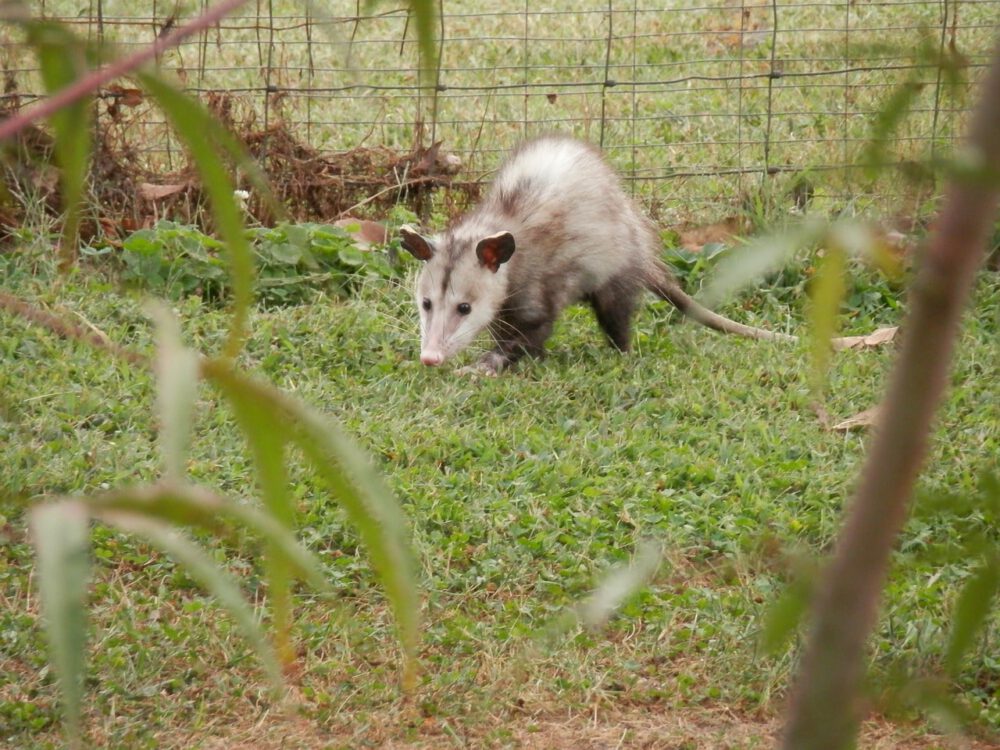
Image Source: covenantwildlife.com
Deciphering Opossum Attraction to Your Property
Many factors can draw wild animals in yard spaces to your property. Opossums are opportunistic creatures, and their presence often signals that your yard provides something they need. Let’s explore the most common reasons why an opossum is attracted to my yard.
1. Food Availability
Opossums are omnivores with a varied opossum diet. This means they eat almost anything. Your yard might be a buffet for them.
What Attracts Opossums to Food Sources?
- Pet Food: Leaving pet food outdoors, especially overnight, is a major draw. Opossums are not picky eaters and will happily consume dog or cat food.
- Trash Cans: Unsecured trash cans are a treasure trove for opossums. They can easily tip them over or rummage through them for leftover food scraps.
- Fallen Fruit and Berries: If you have fruit trees or berry bushes, fallen fruit can attract them. They will eat ripe, overripe, and even decaying fruit.
- Insects and Grubs: Opossums are excellent at pest control. They eat a lot of insects, slugs, snails, and grubs, which are often found in gardens.
- Rodents: They will also hunt and eat small rodents that may be present in your yard.
2. Shelter and Denning Opportunities
Opossums need safe places to rest and raise their young. Your yard might offer ideal opossum habitat.
Where Do Opossums Find Shelter?
- Brush Piles: Dense brush piles provide excellent cover and a sense of security.
- Hollow Logs and Tree Stumps: These offer protection from predators and the elements.
- Under Decks and Porches: The enclosed spaces beneath structures can be attractive den sites.
- Sheds and Garages: If accessible, these structures can provide sheltered areas.
- Thick Vegetation: Overgrown bushes and dense ground cover can offer a camouflaged retreat.
3. Water Sources
While not as critical as food or shelter, access to water can also play a role.
Common Water Sources in Yards:
- Bird Baths: These can be a convenient water source, especially during dry periods.
- Pet Water Bowls: Leftover water in pet bowls can attract them.
- Puddles and Standing Water: After rain, puddles can provide drinking water.
- Irrigation Systems: Leaky hoses or sprinkler systems can create small water sources.
4. Seeking Mates (Seasonal Attraction)
During the mating season, which typically occurs in late winter and spring, male opossums will travel further in search of females. This can lead to increased sightings in areas where they don’t normally frequent.
5. Nesting Material Availability
While less common, opossums might also be attracted to areas where they can gather nesting materials like leaves and soft grasses.
Comprehending Opossum Behavior
To better understand why an opossum is in my yard, it’s helpful to know about their typical opossum behavior.
Nocturnal Habits
Opossums are primarily nocturnal animals. This means they are most active from dusk till dawn. You are more likely to see them at night or very early in the morning. During the day, they usually sleep in their dens.
Play Dead Defense Mechanism
One of the most well-known opossum behavior traits is their ability to “play dead” when threatened. This is called tonic immobility. They involuntarily enter a state resembling death, with their eyes closed, mouth open, and emitting a foul-smelling fluid to deter predators. This is a passive defense, not a conscious choice.
Solitary Nature
Opossums are generally solitary creatures, except during mating or when a mother is with her young. They typically do not form social groups.
Foraging Habits
They are slow-moving and methodical foragers. They use their keen sense of smell to find food, often rooting through leaf litter or garbage.
Non-Aggressive Nature
Despite their somewhat fearsome appearance and the foul smell they can emit when threatened, opossums are generally not aggressive towards humans or pets. They prefer to flee or play dead rather than confront.
Identifying the Opossum
Before considering possum removal or deterrents, it’s useful to be sure it’s an opossum you’re seeing. Possum identification is usually straightforward.
Physical Characteristics
- Size: Adult opossums are about the size of a domestic cat, but their body is leaner.
- Fur: They have coarse, grayish-white fur. Their fur can sometimes be more dark gray or black, especially in the northern parts of their range.
- Face: They have a distinctive pointed snout, small ears, and beady black eyes.
- Tail: They possess a long, prehensile tail that is hairless and can be used for gripping branches.
- Paws: They have five-fingered paws with opposable thumbs on their hind feet, aiding in climbing.
- Pouch: Females have a pouch on their abdomen.
Distinguishing from Similar Animals
While opossums are unique, they can sometimes be mistaken for other medium-sized mammals.
- Raccoons: Raccoons are more robust, have a black mask across their eyes, and a bushy, ringed tail. They are also more adept climbers and often more mischievous.
- Woodchucks (Groundhogs): Woodchucks are stockier, have brown fur, and a shorter, bushier tail. They are primarily burrowing animals.
Opossum Habitat and Range
The opossum habitat is quite diverse, contributing to their widespread presence. They are found from southern Canada down to Central America.
Preferred Environments
- Woodlands: They are often found in deciduous forests.
- Shrublands: Densely vegetated areas provide good cover.
- Urban and Suburban Areas: They have successfully adapted to human environments, often living in backyards, parks, and even city centers.
- Near Water Sources: They are often found near rivers, streams, and wetlands, but can thrive away from permanent water sources too.
Opossum Diet: What They Eat
The opossum diet is incredibly broad, making them highly adaptable.
A Varied Menu
- Insects: Beetles, grasshoppers, cockroaches, earwigs.
- Small Vertebrates: Rodents, shrews, birds, bird eggs, small snakes, lizards, frogs, and fish.
- Invertebrates: Snails, slugs, worms.
- Fruits and Vegetables: Apples, berries, grapes, corn, melons.
- Carrion: They are scavengers and will eat dead animals.
- Nuts and Seeds: Acorns, sunflower seeds.
- Human Garbage: As mentioned, they are attracted to food waste.
- Pet Food: Easy and often readily available.
Beneficial Aspects of Their Diet
It’s worth noting that their appetite for insects, slugs, and rodents can actually be beneficial to homeowners, as they help control pest populations in the yard. They also consume ticks, which can carry diseases like Lyme disease.
Why Are Opossums Attracted to My Yard? A Deeper Dive
Let’s revisit the core question: why are opossums attracted to my yard? It boils down to a combination of resources and lack of perceived threat.
The “All-You-Can-Eat Buffet” Syndrome
Your yard might be perceived as a reliable and easy food source. This includes:
- Easy access to garbage: If your trash cans are easily accessible, this is a primary attractant.
- Abundant fallen fruit: Neglected fruit trees create an ongoing food supply.
- Unsecured pet food: A consistent, high-calorie meal available without much effort.
- Presence of garden pests: A thriving population of snails, slugs, or insects can draw them in.
The “Safe Haven” Effect
Your yard might also provide the perfect combination of shelter and safety:
- Numerous hiding spots: Dense bushes, woodpiles, and structures offer protection from predators like dogs, coyotes, or large birds of prey.
- Lack of perceived threat: If there are no regular deterrents or disturbances, the opossums will feel comfortable establishing territory.
- Proximity to existing opossum habitat: If your yard is near a wooded area or other natural corridors, it’s a natural extension of their territory.
Water Availability
Even seemingly small water sources can be an attractant, especially during drier periods.
What To Do If You Have an Opossum In Your Yard
The presence of an opossum in my yard doesn’t necessarily mean you need to take drastic action. Often, coexisting is the easiest and most effective approach. However, if their presence is causing problems or you simply don’t want them around, there are options.
Tolerating the Opossum
In many cases, opossums are harmless and even beneficial. They help control insect and rodent populations and are not typically aggressive. If they are just passing through or foraging without causing damage, the best approach might be to leave them be.
Implementing Possum Deterrents
If you decide you want to discourage them from visiting, possum deterrents can be effective. These aim to make your yard less attractive or uncomfortable for them.
Natural Deterrents
- Remove Food Sources: This is the most crucial step.
- Secure all trash cans with tight-fitting lids.
- Clean up fallen fruit and birdseed regularly.
- Do not leave pet food outdoors, especially overnight.
- Seal any openings to sheds, garages, or under decks where they might den.
- Remove Water Sources: Empty bird baths if they are a consistent attractant, or ensure pet water bowls are brought in at night.
- Eliminate Shelter: Clear away brush piles, fallen logs, and debris that could serve as dens. Trim overgrown vegetation.
- Repellents: While often less effective, some people try strong-smelling substances like ammonia-soaked rags or castor oil around the perimeter of their yard. These need frequent reapplication.
Physical Deterrents
- Fencing: A sturdy fence, at least 3-4 feet high, with a “skirt” extending outwards at the top can help deter them from entering your yard. Opossums are climbers, so the outward tilt is important.
- Motion-Activated Sprinklers: A sudden spray of water can startle and deter opossums without causing them harm.
When to Consider Possum Removal
Possum removal should generally be a last resort. Opossums are protected by wildlife regulations in many areas, and trapping and relocating them can be illegal, ineffective, or even harmful to the animal.
Why Removal is Tricky
- Legality: Check your local wildlife laws before attempting to trap an opossum.
- Effectiveness: If the underlying attractants (food, shelter) remain, another opossum will likely move in.
- Stress to the Animal: Trapping and relocation can be very stressful and disorienting for the opossum, and they may not survive in a new environment.
Humane Trapping (If Necessary and Legal)
If you must trap an opossum (and it is legal in your area), use a live trap baited with something appealing like canned sardines, cat food, or fruit.
- Placement: Place the trap in an area where you frequently see the opossum.
- Checking: Check the trap frequently, at least twice a day, to minimize stress on the captured animal.
- Relocation: If relocating, choose a suitable habitat with a water source and potential den sites, far from human residences. Again, check local laws first.
Professional Wildlife Removal Services
If you are uncomfortable handling the situation yourself or if the problem persists, consider hiring a professional wildlife removal service. They have the expertise and equipment to handle the situation humanely and in accordance with local regulations.
Frequently Asked Questions About Opossums in the Yard
Q1: Are opossums dangerous to humans or pets?
A1: Generally, no. Opossums are not aggressive and will usually try to escape or play dead if threatened. They can bite if cornered or handled, but this is rare. The main concern with pets is if a dog corners an opossum, as it might fight back defensively.
Q2: Can opossums carry rabies?
A2: While it is possible, it is very rare for opossums to contract rabies. Their body temperature is too low for the virus to survive effectively. If you see an opossum exhibiting symptoms that strongly suggest rabies (aggression, disorientation, paralysis), maintain a safe distance and contact your local animal control.
Q3: Will opossums damage my garden?
A3: Yes, opossums will eat fruits, vegetables, and ornamental plants in gardens. They can also dig for grubs and insects, disturbing soil. If you have an opossum in garden, you may need to protect your plants with fencing or netting.
Q4: How can I get rid of an opossum without harming it?
A4: The best humane methods involve removing attractants (food, shelter, water) and using deterrents like motion-activated sprinklers. Creating an inhospitable environment is key.
Q5: What should I do if I find an opossum den on my property?
A5: If the den is not causing immediate problems and is in a safe location, you might consider leaving it. If it’s in an undesirable spot, wait until the young are mobile (usually a few weeks old) before attempting to make the area less attractive. You can block off access points after the opossums have left.
Q6: Are there any benefits to having opossums around?
A6: Yes, opossums can be beneficial by eating large quantities of insects (including pest insects), slugs, snails, rodents, and ticks. They are also natural scavengers, helping to clean up dead animals.
Q7: What is the best way to deter opossums from my garbage?
A7: The most effective method is to use heavy-duty trash cans with locking lids. You can also secure lids with bungee cords or weights. Store trash cans inside a garage or shed until collection day if possible.
Q8: My neighbor mentioned possums. Is that the same as an opossum?
A8: Yes, the terms “possum” and “opossum” are often used interchangeably. However, technically, “opossum” refers to the American marsupial, while “possum” refers to marsupials found in Australia and surrounding regions. For the context of North America, “opossum” is the more precise term.
By following these guidelines and understanding the natural behaviors and needs of these unique creatures, you can effectively manage the presence of an opossum in my yard and maintain a harmonious coexistence with local wildlife.