
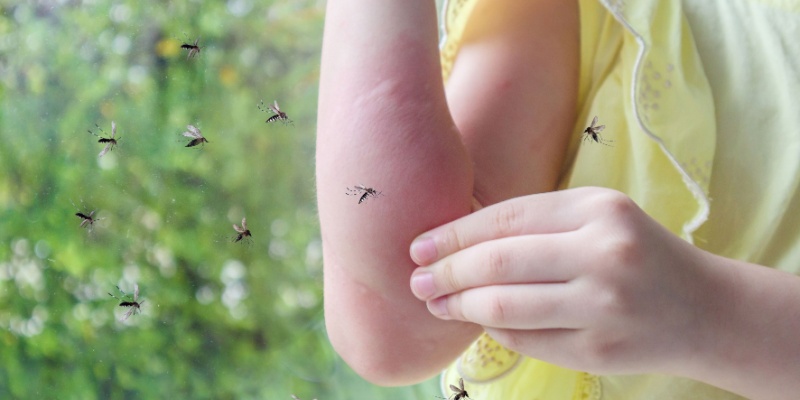
Image Source: triopestcontrol.com
Why Are There So Many Mosquitoes In My Yard? Causes and Solutions
Do you find yourself constantly swatting at buzzing pests in your backyard? You’re not alone. If your yard has become a haven for mosquitoes, the primary reason is likely the presence of standing water, which serves as a prime breeding ground for these annoying insects. But why is this standing water so prevalent, and what can you do about it?
The sheer number of mosquitoes in your yard can be a frustrating and even concerning issue. These tiny, biting insects aren’t just a nuisance; they can also transmit diseases. Fathoming why your yard is so attractive to them is the first step toward reclaiming your outdoor space. The most common culprit, as mentioned, is standing water. Mosquitoes, specifically female mosquitoes, need water to lay their eggs. Even a small amount of stagnant water can become a mosquito nursery. Once the eggs hatch into larvae, they develop in the water for a period before emerging as adult mosquitoes ready to bite. This cycle can repeat rapidly, leading to a significant population boom if left unchecked.
Deciphering Mosquito Magnetism: What Draws Them In?
Several factors contribute to an abundance of mosquitoes in a residential area. It’s rarely just one thing, but a combination of environmental elements and human-made attractants.
The Allure of Standing Water
This is the undisputed champion when it comes to mosquito reproduction. Female mosquitoes are incredibly opportunistic. They can detect even tiny amounts of water and will deposit their eggs on the surface or along the edges of containers. Here are some common culprits in your yard:
- Bird Baths: While lovely for our feathered friends, uncleaned bird baths are prime real estate for mosquitoes. If the water isn’t changed regularly, it quickly becomes a breeding ground.
- Flower Pots and Saucers: The small dishes beneath potted plants are notorious for collecting rainwater or overflow from watering. Even a shallow layer can support mosquito larvae.
- Clogged Gutters: Leaf debris and other blockages in rain gutters prevent water from draining properly. This creates ideal, long-lasting pools of stagnant water.
- Buckets, Tires, and Old Containers: Anything that can hold water, from forgotten toys and old tires to tarps that collect rainwater, becomes a potential mosquito breeding site.
- Wading Pools and Pet Water Bowls: These are obvious sources if not emptied and cleaned frequently.
- Plant Leaf Axils: Some plants, like bromeliads, have cup-like structures where water can collect.
- Pond and Fountain Edges: If water doesn’t circulate well in ponds or fountains, the edges can become still and hospitable for egg-laying.
- Leaky Outdoor Faucets and Sprinklers: Even a slow drip can create puddles that don’t evaporate quickly.
Beyond Water: Other Attractants
While water is essential for reproduction, adult mosquitoes also seek out other attractants that make your yard a desirable place to hang out and feed.
- Carbon Dioxide (CO2): Mosquitoes can detect CO2 from a considerable distance, which is how they locate hosts (like you!).
- Body Heat: Warm-blooded animals emit heat, which attracts mosquitoes.
- Body Odor: Certain compounds in human sweat, like lactic acid and ammonia, act as powerful attractants.
- Dark Colors: Mosquitoes are more attracted to dark-colored clothing, likely because they associate them with hosts.
- Damp, Shady Areas: Adult mosquitoes prefer to rest in cool, shaded, and humid environments during the day. Dense vegetation, overgrown bushes, and shady spots under decks can provide these resting areas.
Addressing the Root Cause: Eliminating Breeding Sites
Effective mosquito control starts with an aggressive approach to eliminating or managing potential breeding grounds. This is the most critical aspect of pest management for mosquitoes.
Eliminating Standing Water: A Step-by-Step Guide
Think like a mosquito and scrutinize your yard for any place water can collect.
- Empty and Clean Regularly: Make it a weekly habit to empty and scrub bird baths, pet water bowls, and any other containers that hold water.
- Properly Store Items: Store buckets, wheelbarrows, and other containers upside down or in a shed so they can’t collect water.
- Dispose of Old Tires: Tires are notorious for holding water and are incredibly difficult to get rid of. Dispose of them responsibly at a recycling center.
- Maintain Gutters: Clean out gutters at least twice a year to ensure proper water flow.
- Fill in Low Spots: Grade your yard to prevent water from pooling after rain.
- Check Tarps and Pool Covers: Ensure they are taut and drain properly, or remove them when not in use.
- Manage Plant Water: Avoid overwatering plants and ensure saucers drain freely. Consider using gravel or sand in saucers to prevent water from sitting.
- Consider Water Features: If you have ponds or fountains, ensure they have good circulation. Adding fish that eat mosquito larvae can also help.
Managing Vegetation and Resting Areas
Adult mosquitoes need places to rest during the day. Reducing these areas makes your yard less hospitable.
- Mow Your Lawn Regularly: Keep grass cut short.
- Trim Bushes and Shrubs: Prune overgrown vegetation, especially around your home’s foundation and patios.
- Clear Debris: Remove leaf litter, grass clippings, and other yard waste.
Natural Mosquito Control and Deterrents
While eliminating breeding sites is paramount, you can also employ natural methods and deterrents to further reduce mosquito populations and protect yourself.
Biological Control Agents
Nature offers some excellent allies in the fight against mosquitoes.
- Mosquito Dunks and Bits: These are small, donut-shaped products or granules that contain Bacillus thuringiensis israelensis (Bti). Bti is a naturally occurring bacterium that specifically targets mosquito larvae when they ingest it. It’s safe for humans, pets, and other wildlife. You can place them in decorative ponds, rain barrels, or any water that cannot be emptied.
- Mosquitofish: In larger, permanent water bodies like ponds, mosquitofish (Gambusia affinis) can be a very effective biological control. They actively feed on mosquito larvae. Check with your local wildlife or agricultural extension office before introducing any fish species to ensure it’s appropriate for your area.
Plants as Deterrents
Certain plants are believed to have natural properties that repel mosquitoes. While their effectiveness might vary, incorporating them into your garden can be a pleasant addition.
- Citronella: Perhaps the most well-known, citronella is often used in candles and torches.
- Lavender: Its fragrant blooms are disliked by mosquitoes.
- Marigolds: The scent of marigolds is a natural mosquito deterrent.
- Rosemary: This herb’s potent aroma can help keep mosquitoes away.
- Catnip: Studies have shown that the nepetalactone in catnip is a very effective mosquito repellent.
- Basil: Another aromatic herb that can deter these pests.
Table 1: Plants Known to Deter Mosquitoes
| Plant | How it Deters Mosquitoes | Best Placement |
|---|---|---|
| Citronella | Strong scent masks attractants | Pots near patios, in flower beds |
| Lavender | Pleasant aroma for humans, not pests | Gardens, near windows, in pots |
| Marigolds | Pyrethrin-like scent | Flower beds, around vegetable gardens |
| Rosemary | Pungent fragrance | Herb gardens, pots on patios |
| Catnip | Nepetalactone oil is a strong repellent | Pots near seating areas, garden borders |
| Basil | Strong, sweet scent | Herb gardens, pots near doorways and windows |
Chemical Mosquito Control and Insect Repellents
When natural methods aren’t enough, or for immediate relief, chemical solutions can be employed. It’s crucial to use these responsibly and with an awareness of their impact on the environment.
Yard Treatments
- Larvicides: These are chemicals specifically designed to kill mosquito larvae. They can be applied to water sources that cannot be eliminated, such as storm drains or ornamental ponds. Bti products are a good, environmentally friendly option.
- Adulticides: These sprays kill adult mosquitoes. They are typically applied by pest management professionals or can be purchased for homeowner use. However, broad-spectrum insecticides can harm beneficial insects like bees and ladybugs. Spot treatments in areas where mosquitoes are resting (like under decks) are often more targeted than broadcast spraying.
Personal Protection: Insect Repellents
The most direct way to protect yourself from bites is by using insect repellent.
- DEET (N,N-Diethyl-meta-toluamide): One of the most effective and widely recommended insect repellent ingredients. Concentrations vary; higher concentrations offer longer protection.
- Picaridin (KBR 3023): Another highly effective and often preferred alternative to DEET, with less odor and a less greasy feel.
- Oil of Lemon Eucalyptus (OLE) / PMD: A plant-based repellent that is effective for shorter periods than DEET or picaridin.
- IR3535: A synthetic repellent that is also effective.
Important Considerations for Insect Repellents:
- Read the Label: Always follow the manufacturer’s instructions.
- Apply to Exposed Skin: Avoid applying under clothing.
- Reapply as Needed: Protection wears off over time, especially with sweating or swimming.
- Use on Children: Use age-appropriate products and concentrations. Avoid applying to children’s hands, as they may put them in their mouths.
Professional Mosquito Control and Pest Management
If your mosquito problem is severe and persistent, or if you’re looking for a comprehensive solution, consider hiring a professional pest management service.
What Professionals Offer:
- Site Assessment: They can thoroughly inspect your property to identify all breeding sites and attractants.
- Targeted Treatments: Professionals have access to a range of larvicides and adulticides that they can apply strategically to minimize environmental impact.
- Larval Control Programs: They can regularly treat known water-holding containers and breeding areas.
- Barrier Sprays: Applications of adulticides to vegetation and shady areas to reduce the adult mosquito population in your yard.
- Integrated Pest Management (IPM): Many companies utilize IPM strategies, which combine various methods (eliminating standing water, biological controls, targeted chemical applications) for the most effective and sustainable results.
Lifestyle Adjustments for Reduced Exposure
Beyond directly managing your yard, some simple lifestyle changes can significantly reduce your exposure to mosquitoes.
- Timing is Key: Mosquitoes are most active at dawn and dusk. Try to limit outdoor activities during these times, or ensure you are adequately protected with insect repellent.
- Wear Protective Clothing: Long sleeves and pants can create a physical barrier against bites.
- Use Fans: Mosquitoes are weak fliers. Using fans on your patio or deck can create enough airflow to blow them away and disrupt their flight patterns.
- Screen Your Home: Ensure windows and doors have intact screens to prevent mosquitoes from entering your home.
Frequently Asked Questions (FAQ)
Q1: How quickly can mosquitoes reproduce?
A1: The life cycle of a mosquito, from egg to adult, can be as short as 7-10 days in ideal warm and humid conditions with plenty of food (blood meals). This means a small problem can quickly become a large one.
Q2: Can I just spray my entire yard with bug spray?
A2: While tempting, this is generally not recommended. Broad-spectrum sprays can kill beneficial insects like bees, butterflies, and ladybugs, which are important for your garden’s health. Targeted treatments of breeding sites and resting areas are more effective and less harmful to the ecosystem.
Q3: My neighbor doesn’t seem to have many mosquitoes. Why is my yard so bad?
A3: Even small differences in yard maintenance can have a big impact. Your neighbor might be more diligent about eliminating standing water, have better drainage, or employ more effective mosquito control methods. Mosquitoes are territorial, so what happens in your neighbor’s yard can affect yours, but often the primary issue is localized to your property.
Q4: Are citronella candles really effective?
A4: Citronella candles and torches can offer some localized protection, but their effectiveness is limited. The smoke disperses quickly, and you need to be very close to the source to experience significant repellency. They are best used as a supplementary measure, not a sole mosquito control strategy.
Q5: What are mosquito larvae?
A5: Mosquito larvae, often called “wigglers,” are the aquatic stage of the mosquito life cycle. They hatch from eggs laid in standing water and live in the water, feeding on organic matter. They must breathe air at the surface, which is why they are vulnerable to treatments that disrupt their breathing or kill them.
Q6: Can my pets get bitten by mosquitoes?
A6: Yes, pets can and do get bitten by mosquitoes. More importantly, mosquitoes can transmit diseases to pets, such as heartworm, which is a serious and potentially fatal condition for dogs. Protecting your pets is as important as protecting yourself.
By diligently identifying and eliminating standing water, managing vegetation, and employing a combination of natural deterrents and targeted pest management strategies, you can significantly reduce the mosquito population in your yard and enjoy your outdoor space once again. Remember, consistency is key in effective mosquito control.