
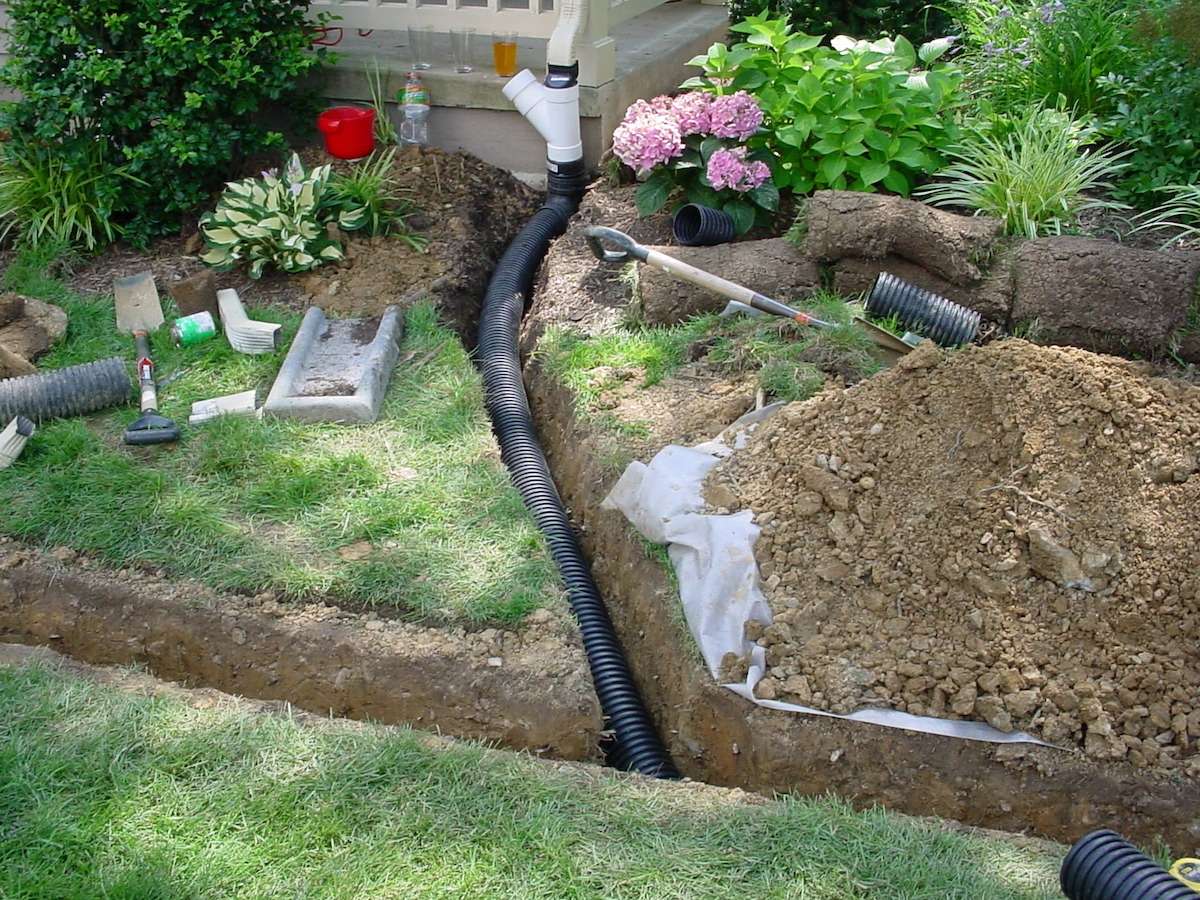
Image Source: www.kingstownelawn.com
How To Fix Swampy Yard: Drain Your Lawn Now!
A swampy yard can be a frustrating problem for any homeowner. What is a swampy yard? It’s a yard where water collects and stands for extended periods, often making the ground soft, muddy, and difficult to use. Can I fix a swampy yard myself? Yes, with the right approach and tools, you can significantly improve your yard’s drainage. Who is responsible for yard drainage? Generally, the homeowner is responsible for managing drainage on their property.
Dealing with a soggy lawn or a waterlogged garden is more than just an aesthetic issue; it can lead to root rot in plants, attract pests, damage your foundation, and make your outdoor space unusable. The good news is that there are effective drainage solutions available to reclaim your yard. This comprehensive guide will walk you through the causes of swampy yards and provide practical steps to implement your own yard drainage system.
Why Is My Yard Always Swampy?
Before you can fix the problem, it’s crucial to understand why water is accumulating. Several factors can contribute to a swampy yard:
- Poor Soil Composition: Heavy clay soils are notorious for poor drainage. Water struggles to penetrate the dense soil particles, leading to pooling on the surface. Compacted soil exacerbates this issue, creating an almost impermeable layer.
- Low-Lying Areas: If your yard is naturally at a lower elevation than surrounding areas, water will naturally flow downhill and collect in your yard.
- Improper Grading: A yard that slopes towards your house or has flat spots where water can’t escape will inevitably become swampy.
- Excessive Rainfall or Snowmelt: While you can’t control the weather, areas with high rainfall or rapid snowmelt can overwhelm a yard’s natural drainage capabilities.
- Underground Obstructions: Buried construction debris, old pipes, or compacted soil from previous landscaping can impede natural water flow.
- Blocked Downspouts and Gutters: If your roof’s rainwater is directed onto already saturated ground near your foundation, it will worsen the problem.
- High Water Table: In some regions, the natural groundwater level is close to the surface, making drainage inherently more challenging.
Your Action Plan: Implementing Drainage Solutions
Addressing a swampy yard requires a multi-pronged approach. We’ll explore various drainage solutions from simple fixes to more involved installations.
Step 1: Assess and Analyze Your Yard’s Drainage
A thorough assessment is the first step to effective water runoff management.
Identifying Problem Areas
Walk your yard after a rain event. Where does water pool? Are there specific spots that remain soggy for days? Note these areas.
Checking Soil Type
Dig a small hole (about 1 foot deep) and fill it with water. If the water drains within a few hours, your soil is likely okay. If it sits there for a day or more, you have a drainage problem related to soil type.
Examining Existing Drainage
- Gutters and Downspouts: Ensure they are clean and direct water away from your foundation. Consider extending downspouts further into your yard.
- Slopes: Observe the natural slope of your yard. Does it direct water towards or away from your house?
Step 2: Simple Solutions for Immediate Relief
Sometimes, small changes can make a big difference in preventing standing water.
Cleaning Gutters and Downspouts
This is a quick and easy fix. Clogged gutters overflow, dumping water right where you don’t want it.
- Use a ladder safely.
- Scoop out debris.
- Flush with a hose.
- Check downspouts for blockages.
Extending Downspouts
If downspouts discharge too close to your home, extend them using flexible or rigid pipe sections. Aim to discharge water at least 10 feet away from your foundation, ideally onto a sloped area that drains away.
Aeration Benefits: Loosening Compacted Soil
Soil compaction is a major enemy of good drainage. Aeration benefits are significant for a soggy lawn. Aeration involves creating small holes in the soil, allowing air, water, and nutrients to penetrate deeper.
- Core Aerators: These machines pull out small plugs of soil, leaving them on the surface to decompose.
- Spike Aerators: These machines poke holes into the soil.
When to Aerate:
- For cool-season grasses (fescue, bluegrass): Spring or Fall.
- For warm-season grasses (Bermuda, Zoysia): Late Spring or Early Summer.
Aerating once a year, or twice if compaction is severe, can greatly improve improving soil drainage.
Adding Organic Matter
Amending your soil with compost or other organic materials is one of the best ways to improve its structure and drainage, especially for clay soils. Organic matter creates air pockets, allowing water to move more freely.
- Topdressing: Spread a thin layer of compost (1/2 to 1 inch) over your lawn.
- Incorporating into Planting Beds: Mix compost into the top 6-8 inches of soil before planting.
This is crucial for improving soil drainage over time.
Step 3: More Advanced Drainage Solutions
If simple methods aren’t enough, you’ll need to consider more robust drainage solutions.
Grading a Yard: Redirecting Water Flow
Grading a yard is the process of reshaping the land’s surface to direct water away from buildings and problem areas. The goal is to create a gentle slope away from your house and any structures.
- Identify High and Low Spots: Use stakes and string or a long level to identify where water is accumulating.
- Bring in Fill Dirt: For low spots, you’ll need to add soil. Ensure the fill dirt has good drainage properties (not pure clay).
- Shape the Land: Create a consistent, gentle slope (ideally 1-2% grade, meaning 1-2 inches of drop for every 10 feet of horizontal distance) away from your house and towards a designated drainage area, such as a street drain, a dry well, or a swale.
- Compact the Soil: After adding soil, compact it to prevent settling and erosion.
- Reseed or Sod: Once grading is complete, re-establish your lawn.
Grading a yard can be a significant undertaking. For severe problems, professional help is recommended.
French Drain Installation: The Underground Solution
A French drain is a trench filled with gravel that contains a perforated pipe. It’s an excellent method for intercepting and redirecting subsurface water, effectively addressing a waterlogged garden or soggy lawn. French drain installation involves several key steps:
What is a French Drain?
A French drain is a trench containing a perforated pipe and gravel that collects and redirects groundwater away from an area.
Components of a French Drain:
- Trench: A dug channel for the pipe and gravel.
- Gravel: Washed pea gravel or crushed stone to allow water flow.
- Perforated Pipe: A pipe with holes that allows water to enter.
- Filter Fabric (Geotextile): Prevents soil from clogging the gravel and pipe.
French Drain Installation Steps:
- Plan the Layout: Identify where water is coming from and where you want to send it (e.g., street drain, dry well, lower part of the yard). Mark the path of your trench.
- Dig the Trench: Dig a trench that is at least 12 inches wide and 24-36 inches deep. The trench should have a slight slope (1-2%) towards the outlet.
- Lay Filter Fabric: Line the trench with filter fabric, overlapping the edges. This prevents soil from mixing with the gravel.
- Add Gravel Base: Place a 4-6 inch layer of gravel at the bottom of the trench.
- Install Perforated Pipe: Lay the perforated pipe on top of the gravel base, with the holes facing down. Ensure it’s also sloped towards the outlet. Connect sections of pipe if needed.
- Cover Pipe with Gravel: Fill the remainder of the trench with more gravel, ensuring it covers the pipe by at least 6 inches.
- Wrap with Filter Fabric: Fold the overlapping filter fabric over the top of the gravel.
- Backfill and Finish: Cover the fabric with a few inches of soil. You can then reseed or lay sod over the trench.
French drain installation is labor-intensive but highly effective for managing persistent water issues.
Dry Wells: Capturing and Dispersing Water
A dry well is an underground pit that collects surface water and allows it to slowly seep into the surrounding soil. This is a good option for water runoff management where you need to capture water but don’t have a convenient outlet.
How Dry Wells Work:
Water flows into the dry well, where it is stored temporarily. The porous structure of the dry well and the surrounding soil allows the water to percolate back into the ground.
Dry Well Installation:
- Choose Location: Select a spot downhill from the problem area, away from your foundation.
- Dig a Pit: Dig a hole at least 3 feet wide and 3-5 feet deep.
- Line with Filter Fabric: Line the pit with filter fabric.
- Add Gravel: Fill the pit about two-thirds full with coarse gravel.
- Install Collection Pipe: If you’re connecting a French drain or other pipes, run them into the dry well, ensuring they enter above the gravel level.
- Add More Gravel: Fill the rest of the pit with gravel, leaving enough space at the top for a cover.
- Cover: Place a permeable cover (like a perforated lid or landscaping fabric) over the gravel, then top with soil and plant grass.
Swales: Gentle Waterways for Runoff
A swale is a shallow, broad, gently sloping channel designed to convey surface water. Swales can be vegetated with grass or other plants, which helps slow down the water, allowing some to soak into the ground and reducing erosion. This is a natural approach to water runoff management.
Swale Design Principles:
- Gentle Slope: Typically a 1-2% grade.
- Broad and Shallow: Avoid steep or narrow ditches that can cause rapid erosion.
- Vegetated: Grass and ground cover help stabilize the swale.
Swales are effective at preventing standing water by guiding it to a safer discharge point.
Installing Catch Basins
Catch basins are grate-covered inlets installed in low spots where water collects. They collect surface water and direct it via underground pipes to a desired outlet.
Catch Basin Function:
They act as the “mouth” of your underground drainage system, efficiently gathering surface water.
Installation:
- Excavate: Dig a hole large enough for the catch basin.
- Set Basin: Place the plastic catch basin in the hole, ensuring the top grate is level with the surrounding ground.
- Connect Pipe: Attach a drainage pipe to the outlet of the catch basin, sloped towards the discharge point.
- Backfill: Fill around the basin with gravel or soil.
Catch basins are excellent for immediate collection of surface water and are often used in conjunction with French drains.
Step 4: Improving Soil Drainage for Long-Term Health
Beyond installing systems, enhancing your soil’s ability to absorb water is crucial for improving soil drainage.
Building Raised Beds
For gardens, raised beds are an excellent solution. They lift the soil surface above the surrounding ground level, allowing for better drainage. You can fill raised beds with a well-draining soil mix.
Amending Soil with Grit or Sand
In cases of extremely heavy clay, incorporating coarse sand or grit can help break up the clay particles and create more pore space for drainage. Mix thoroughly, at least 6-8 inches deep. Be careful not to add too much sand, as it can create a concrete-like mixture with clay if not balanced correctly.
Choosing the Right Plants
Select plants that are tolerant of moist conditions or that have deep root systems capable of breaking up compacted soil.
Table: Drainage Solutions at a Glance
| Solution | Best For | Effort Level | Cost Level |
|---|---|---|---|
| Gutter/Downspout Mgmt | Minor surface pooling near house | Low | Low |
| Aeration | Compacted soil, general lawn health | Low-Medium | Low |
| Organic Matter Addition | Clay soils, general soil improvement | Medium | Medium |
| Grading | Redirecting surface water, low spots | High | Medium-High |
| French Drain | Persistent subsurface water, soggy areas | High | High |
| Dry Well | Capturing water without a discharge point | High | Medium-High |
| Swale | Conveying surface water to a safe outlet | Medium-High | Medium |
| Catch Basins | Concentrated surface water collection | Medium-High | Medium-High |
| Raised Beds | Garden areas prone to waterlogging | Medium | Medium |
Maintaining Your Yard Drainage System
Once you’ve implemented drainage solutions, ongoing maintenance is key to their effectiveness and preventing standing water.
- Regularly Clean Gutters: At least twice a year, or more if you have many trees.
- Inspect Drainage Outlets: Ensure downspout extensions, swales, and French drain outlets are clear of debris.
- Monitor Catch Basins: Clean out any sediment that accumulates in catch basins.
- Check French Drains: Occasionally, you might need to flush or clear debris from French drain inlets.
- Oversee Grading: If significant soil erosion occurs, you may need to re-grade or stabilize the area.
Frequently Asked Questions (FAQ)
Q1: How much slope is needed for my yard to drain properly?
A: A general rule of thumb is a 1-2% grade, meaning a drop of 1 to 2 inches for every 10 feet of horizontal distance. This creates a gentle slope that encourages water to move away without causing erosion.
Q2: Can I use a sump pump for my yard?
A: While sump pumps are primarily for basements, they can be used in outdoor drainage systems, particularly in conjunction with a dry well or a collection pit if gravity drainage isn’t sufficient. However, this is a more complex solution requiring electrical considerations.
Q3: What are the signs that my yard has a serious drainage problem?
A: Persistent puddles that last for days, soggy ground even during dry spells, visible mold or mildew on the soil surface, foundation cracks, or water intrusion into basements or crawl spaces are all indicators of a significant drainage issue.
Q4: Is it better to hire a professional for French drain installation or grading?
A: For minor issues or if you are comfortable with DIY projects, you can tackle many of these solutions yourself. However, if you have extensive problems, or if grading involves significant earthmoving, hiring a landscape contractor or drainage specialist is often the most effective and efficient approach. They have the expertise and equipment to ensure proper installation and long-term performance.
Q5: How can I improve drainage in a clay soil garden?
A: Improving clay soil drainage involves a combination of methods: regular aeration, adding generous amounts of organic matter like compost, and possibly amending with coarse sand or grit. For persistent problems, consider raised garden beds filled with a high-quality, well-draining soil mix.
By following these steps and choosing the right drainage solutions for your specific needs, you can transform your swampy yard into a usable and enjoyable outdoor space. Take action now to drain your lawn and prevent further damage.