
Are you wondering, “Why are there so many flies in my yard?” It’s a common and frustrating question for homeowners. The answer usually lies in a combination of factors that attract these buzzing pests to your outdoor space, creating a significant nuisance. This in-depth guide will delve into the primary reasons for flies taking over your yard and provide actionable strategies for fly control and eliminating flies.
Flies are more than just an annoyance; they can pose health risks by spreading germs. Their presence often indicates an underlying issue in your environment, such as available food sources or suitable breeding grounds. Fathoming the root causes is the first step toward effective pest management of these unwelcome outdoor pests.
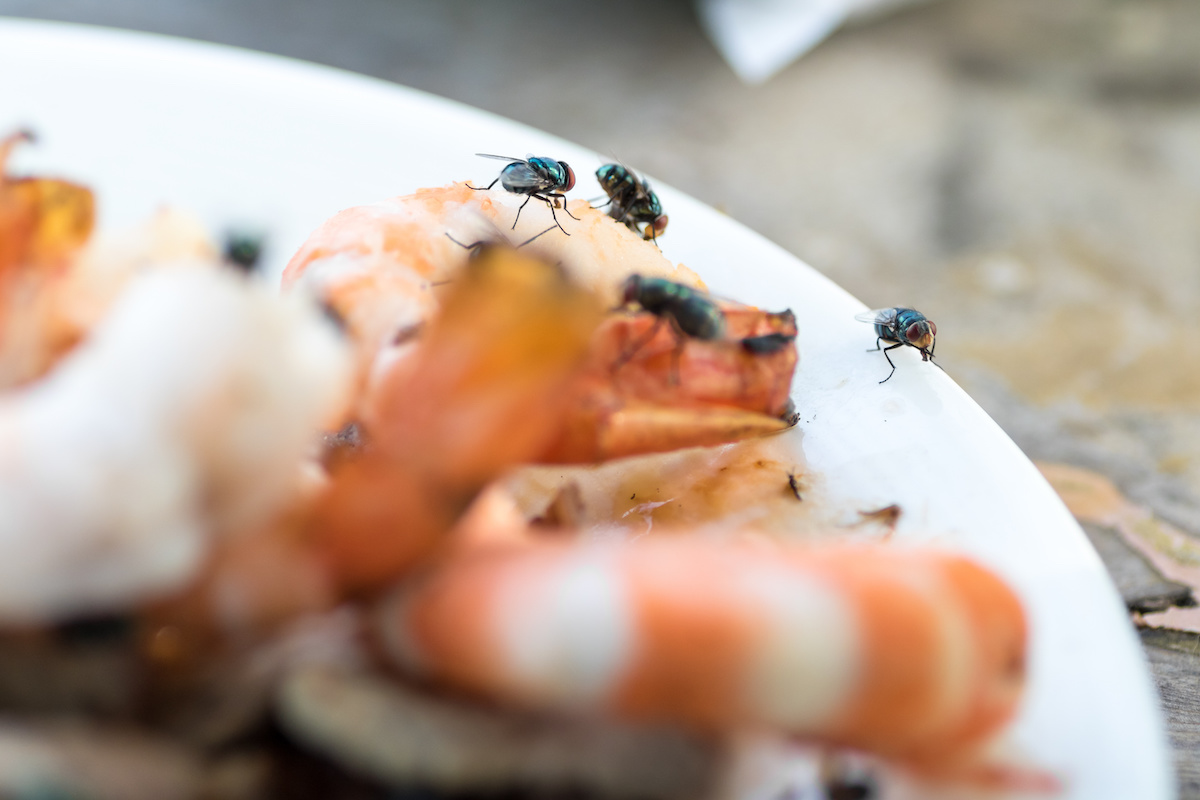
Image Source: housemanservices.com
The Allure of Your Yard: What Draws Flies In?
Flies, in general, are attracted to a variety of things that signal food, shelter, and a place to reproduce. Your yard, unfortunately, might be offering an inviting buffet and nursery for them.
1. Food Sources: A Fly’s Feast
Flies have a keen sense of smell and are drawn to decaying organic matter. This can include a surprisingly wide range of items commonly found in yards.
- Pet Waste: This is a primary attractant. Dog feces, cat litter, and even uneaten pet food left outdoors can be a breeding ground and food source for flies. The ammonia and other compounds released are irresistible.
- Garbage and Compost: Unsealed garbage cans, overflowing bins, and poorly managed compost piles are magnets for flies. The decomposing food scraps provide ample sustenance and egg-laying sites.
- Fallen Fruit and Vegetables: If you have fruit trees or vegetable gardens, fallen produce that begins to rot is a strong attractant.
- Animal Carcasses: Small dead animals, such as rodents or birds, that may be hidden in bushes or under decks will quickly attract flies looking for a meal.
- Spilled Drinks and Food Residue: Leftover sugary drinks, BBQ spills, or even crumbs from outdoor meals can attract flies.
2. Breeding Grounds: Where Flies Lay Their Eggs
Beyond just food, flies need specific conditions to reproduce. Identifying and eliminating these fly breeding grounds is crucial for long-term fly control.
- Damp and Decaying Organic Matter: This is the golden ticket for many fly species. Moist soil mixed with decomposing leaves, grass clippings, or even rotting wood provides ideal conditions.
- Standing Water: While many flies don’t breed in water like mosquitoes, damp areas created by poor drainage or leaky faucets can still support the moist conditions needed for some fly larvae.
- Clogged Gutters and Downspouts: These can collect leaves and debris, creating a moist, decaying environment perfect for flies.
- Areas Under Decks and Porches: These sheltered spots can accumulate organic debris and moisture, becoming hidden breeding sites.
- Manure: If you have livestock or keep chickens, manure piles are a significant attractant and breeding ground for house flies and stable flies.
3. Environmental Factors: Conditions That Favor Flies
Certain environmental conditions can exacerbate a fly problem, making your yard a prime location for an insect infestation.
- Warm Temperatures: Flies are cold-blooded and thrive in warmer weather. As temperatures rise, their activity and reproduction rates increase.
- Humidity: High humidity levels can create favorable conditions for fly survival and reproduction, especially when combined with organic matter.
- Lack of Air Circulation: Stagnant air can allow odors from decaying matter to linger, drawing flies from further away.
- Proximity to Water Bodies: Ponds, lakes, or even slow-moving streams can provide a humid environment and attract insects that flies prey on, indirectly drawing flies to the area.
Deciphering the Types of Flies in Your Yard
Different species of flies have slightly different preferences, which can help in identifying the source of your problem. Recognizing common types can inform your fly control strategy.
Common Culprits and Their Preferences
| Fly Type | Primary Attractants | Common Breeding Grounds |
|---|---|---|
| House Fly | Decaying organic matter, garbage, pet waste, feces | Garbage cans, compost piles, pet waste, manure, decaying vegetation |
| Fruit Fly | Overripe or fermenting fruits and vegetables, sugary spills | Overripe fruit in yards, drains, garbage disposals, fermenting beverages, compost |
| Drain Fly | Organic slime in drains | Clogged drains, sewage, septic systems, wet organic debris in damp areas |
| Blow Fly | Carrion (dead animals), garbage, pet waste | Dead animals, garbage, feces, decaying carcasses, open wounds on animals (less common) |
| Stable Fly | Blood (from animals), decaying organic matter | Damp, decaying organic matter, manure, vegetation, often near livestock or pets |
| Cluster Fly | Less attracted to outdoor food; seeks overwintering sites | Primarily indoor pests, but may gather on exterior walls or in attics in fall |
Understanding these distinctions is key to pinpointing why are there so many flies in my yard? and to implementing targeted fly control measures.
Strategies for Effective Fly Control
Addressing a fly problem requires a multi-pronged approach, focusing on eliminating attractants, removing breeding sites, and employing barriers or repellents. This is the essence of effective pest management.
1. Eliminating Attractants: Remove the Draw
The most effective way to reduce flies is to remove what attracting flies in the first place.
- Garbage Management:
- Keep all garbage cans, including outdoor ones, tightly sealed.
- Clean garbage cans regularly to remove residue.
- Consider using garbage cans with lids that seal automatically.
- Ensure your compost pile is managed correctly: turn it regularly, maintain the right moisture balance, and bury food scraps under other materials.
- Pet Waste Cleanup:
- Pick up pet waste from your yard daily.
- Bury waste deep or dispose of it in sealed bags.
- Wash down areas where pets frequently urinate with water to dilute and wash away attractants.
- Yard Maintenance:
- Promptly clean up fallen fruits and vegetables from trees and gardens.
- Dispose of them in sealed bags or compost them properly.
- Rake up fallen leaves and grass clippings regularly.
- Remove any potential shelters for dead animals.
- Outdoor Food and Drink:
- Clean up spills from outdoor eating areas immediately.
- Store pet food indoors or in airtight containers.
- Avoid leaving sugary drinks or food scraps uncovered outdoors.
2. Destroying Breeding Grounds: Stop Them Before They Start
Once attractants are managed, focus on eliminating the places where flies lay their eggs.
- Drainage:
- Ensure proper drainage around your home to prevent standing water.
- Check for and repair any leaky outdoor faucets or hoses.
- Gutters:
- Clean gutters regularly to remove accumulated leaves and debris.
- Moisture Control:
- Reduce moisture in areas like under decks and porches by improving ventilation or removing organic debris.
- Avoid overwatering plants, which can create damp soil attractive to flies.
- Manure Management:
- If you have livestock, manage manure piles by composting them correctly, covering them, or spreading them thinly to dry out.
3. Physical Barriers and Traps: Immediate Solutions
While long-term prevention is key, physical methods can offer immediate relief from a swarm of flies.
- Screens: Ensure window and door screens are intact and free of holes to prevent flies from entering your home.
- Fly Traps:
- Sticky Traps: These are effective for catching flies indoors or in specific outdoor areas.
- Bait Traps: These use attractants (often a sweet or protein-based bait) to lure flies into a container from which they cannot escape. Placement is key – position them away from your main living areas but near the source of the problem.
- UV Light Traps: These attract and electrocute flying insects. They are often used indoors but can be effective in sheltered outdoor areas.
- Repellents:
- Natural repellents like citronella candles or certain plants (e.g., basil, lavender) can offer some limited deterrence in small areas.
- Commercial repellents can be used on outdoor surfaces, but always follow label instructions.
4. Biological Control: Nature’s Pest Managers
In some cases, introducing natural predators can help manage fly populations.
- Beneficial Insects: Certain parasitic wasps and predatory mites can attack fly eggs and larvae. These are often used in agricultural settings but can be considered for larger properties with significant fly issues.
5. Professional Pest Management
If your fly problem is severe or persistent, it may be time to call in the experts. Professional pest management services have the tools, knowledge, and approved chemicals to effectively deal with insect infestation. They can identify specific fly breeding grounds and apply treatments safely and efficiently.
Preventing a Re-Infestation: Maintaining a Fly-Free Yard
Once you’ve tackled the current problem, ongoing vigilance is essential to prevent flies from returning and to avoid future insect infestation.
Proactive Yard Maintenance
- Regular Inspections: Periodically walk around your property and look for potential attractants or breeding sites.
- Seasonal Cleanups: Conduct thorough cleanups in spring and fall to remove accumulated debris.
- Compost Management: Continue to manage your compost pile effectively.
- Pet Waste Routine: Maintain the habit of daily pet waste cleanup.
- Water Management: Address any issues with drainage or leaky fixtures promptly.
Neighborly Cooperation
Flies don’t respect property lines. If your neighbors have significant fly problems due to poor waste management or other attractants, it can impact your yard. While it can be delicate, consider having a friendly conversation about shared concerns and potential solutions.
Frequently Asked Questions (FAQ)
- Q: What is the most common reason for flies in my yard?
- A: The most common reasons are readily available food sources like decaying organic matter (garbage, pet waste, fallen fruit) and accessible fly breeding grounds such as moist, decomposing materials.
- Q: Can I get rid of flies permanently?
- A: While permanent eradication is difficult because flies are natural inhabitants of most environments, you can significantly reduce and control their population through consistent fly control and pest management practices.
- Q: Are flies dangerous to my family or pets?
- A: Yes, flies can be dangerous. They are known to transmit diseases by landing on contaminated surfaces and then on food or skin. They can spread bacteria like Salmonella and E. coli.
- Q: How do I stop a swarm of flies?
- A: To stop a swarm of flies, you need to immediately address the source. This means cleaning up all food sources and eliminating breeding sites. Traps can also help reduce the immediate swarm.
- Q: What are the best methods for eliminating flies outdoors?
- A: The best methods involve removing attractants (garbage, pet waste), eliminating fly breeding grounds, using fly traps (sticky or bait traps), and ensuring good sanitation practices in and around your yard. For severe issues, professional pest management is recommended.
- Q: Why are there so many flies around my outdoor seating area?
- A: Flies are likely attracted to food residue from previous meals, spilled drinks, or nearby garbage cans or pet waste. Ensure the area is cleaned thoroughly after use and that attractants are removed from the vicinity.
By diligently applying these strategies, you can effectively address your fly problem, reclaim your yard, and prevent future insect infestation. Remember, consistent sanitation and environmental management are your strongest allies against these persistent outdoor pests.