
Can you keep rabbits from eating your lawn? Yes, you absolutely can! This comprehensive guide will equip you with the knowledge and practical solutions to protect your yard from these hungry herbivores and transform it into a rabbit-proof haven. We’ll explore various methods, from physical barriers to natural deterrents, ensuring your grass stays green and your garden thrives.
Rabbits, with their insatiable appetites and rapid reproduction rates, can wreak havoc on a well-maintained lawn and garden. Their nibbling can leave unsightly bald patches, destroy delicate seedlings, and generally undermine your efforts to create a beautiful outdoor space. Fortunately, with a strategic approach, you can effectively deter these furry garden invaders. This article will delve into proven techniques, offering a range of solutions to suit different needs and preferences. Our goal is to help you achieve a beautiful, undisturbed lawn by implementing effective rabbit deterrents for lawns and robust strategies to protect your garden from rabbits.
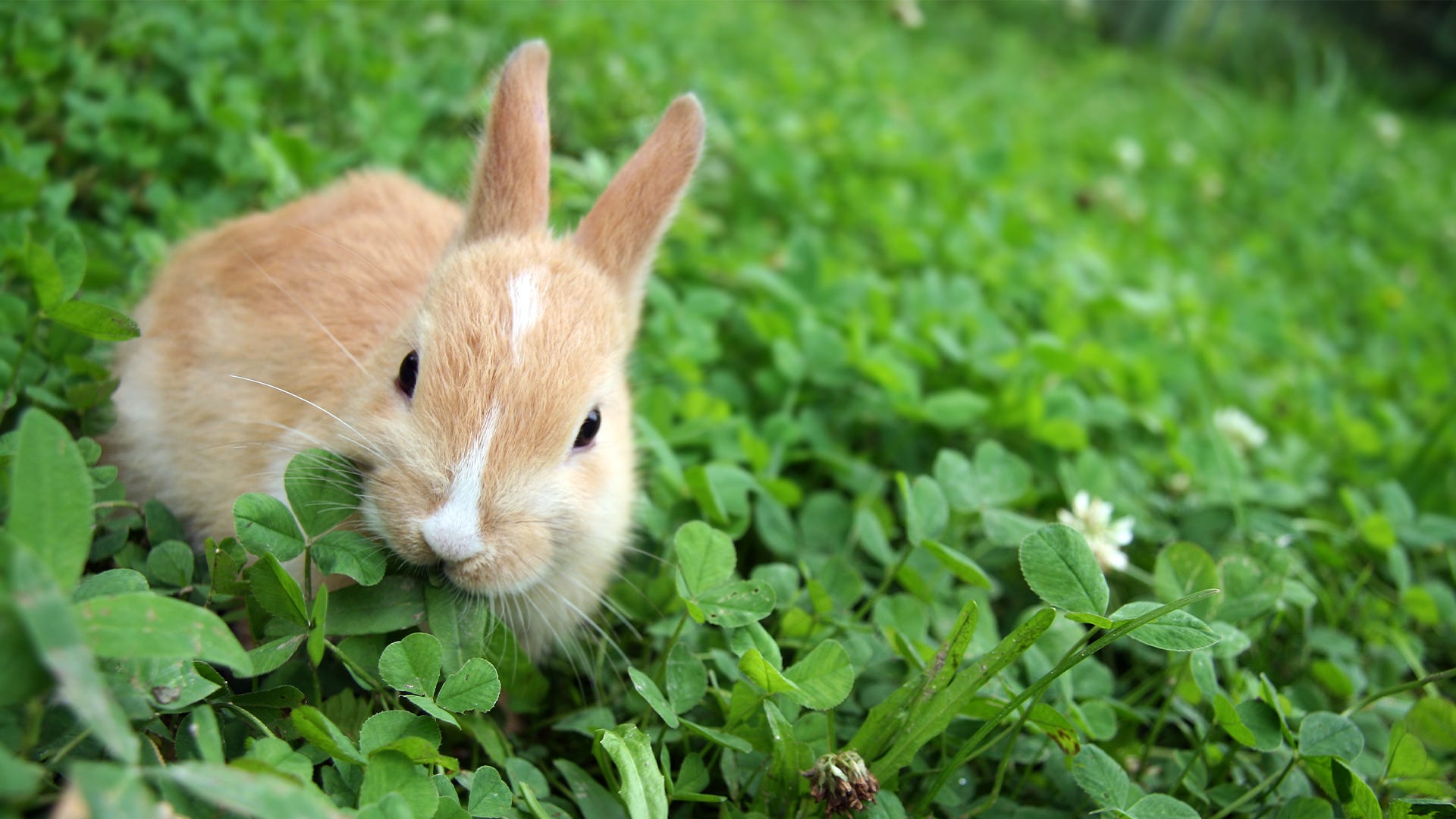
Image Source: www.havahart.com
The Rabbit Problem: Why Your Lawn is a Target
Rabbits are attracted to lawns for several compelling reasons. Primarily, the short, tender blades of grass offer a readily available and nutritious food source. Young grass, often found in newly established lawns or well-watered areas, is particularly appealing. Beyond just the grass itself, rabbits seek out gardens for a variety of tasty treats, including vegetables, flowers, and even the bark of young trees and shrubs.
Key attractants for rabbits include:
- Tender Greenery: Young, succulent grass is a prime food source.
- Edible Plants: Gardens filled with vegetables, herbs, and flowers are a rabbit’s buffet.
- Shelter and Cover: Overgrown areas, dense shrubs, and woodpiles provide safe havens for rabbits to hide from predators.
- Water Sources: Access to puddles, ponds, or even bird baths can draw rabbits to your yard.
- Easy Access: Open yards with few barriers are more inviting than those that are well-secured.
Understanding Rabbit Behavior
To effectively deter rabbits, it helps to grasp their typical behaviors. Rabbits are crepuscular, meaning they are most active during dawn and dusk. They are also prey animals, so they are constantly on the lookout for danger. This makes them skittish and prone to seeking cover. They are also territorial, and while they don’t mark their territory as extensively as some other animals, they will establish preferred feeding grounds.
Effective Strategies for a Rabbit-Proof Yard
Creating a rabbit-proof yard involves a multi-pronged approach. Combining different methods often yields the best results. We’ll explore various ways to keep rabbits out of garden areas and prevent rabbits from eating grass.
1. Physical Barriers: The Most Reliable Defense
Physical barriers are the most straightforward and often the most effective way to keep rabbits out of specific areas. When we talk about protecting your garden from rabbits, fencing is usually the first line of defense.
Fencing for Rabbits
The Right Type of Fencing Matters:
- Chicken Wire or Welded Wire Mesh: This is a popular and cost-effective choice. Opt for mesh with openings no larger than 1 inch. This size is small enough to prevent rabbits from squeezing through.
- Height: The fence should be at least 2 feet (60 cm) high to prevent rabbits from hopping over it.
- Depth: Rabbits are excellent diggers. To prevent them from burrowing underneath, bury the fence at least 6 inches (15 cm) into the ground.
- Angled Apron: For an extra layer of protection against digging, consider bending the bottom 6 inches of the fence outwards at a 90-degree angle, creating an “apron.” This forces them to dig sideways, which is more difficult and less likely to succeed.
Installation Tips:
- Secure Connections: Ensure all seams and connections are securely fastened to prevent gaps.
- Gate Security: If you have gates, make sure they close tightly and have no gaps at the bottom.
- Perimeter Fencing: For ultimate protection of your entire yard, consider a perimeter fence. However, for targeted protection of garden beds or specific lawn areas, smaller, more localized fencing might be more practical and cost-effective.
Other Physical Barriers
- Row Covers and Cloches: For individual plants or small garden beds, lightweight row covers or cloches made of fabric or plastic can offer protection. Ensure they are secured to the ground to prevent rabbits from lifting them.
- Tree Guards: Young trees and shrubs with attractive bark are often targets. Tree guards made of plastic or wire mesh can protect their trunks from gnawing.
2. Rabbit Deterrents for Lawns and Gardens: Making Your Yard Unappealing
While physical barriers are excellent for enclosed areas, you can also employ various deterrents to make your lawn and garden less attractive to rabbits. These can include repellents, which aim to discourage rabbits through scent or taste.
Natural Rabbit Repellents
Many gardeners prefer natural rabbit repellents that are safe for children, pets, and the environment. These often rely on strong scents or unpleasant tastes that rabbits dislike.
- Garlic and Pepper Sprays: A mixture of chopped garlic, hot peppers (like cayenne or chili peppers), and water can be blended and strained. Spray this solution on plants and around the perimeter of your garden. Reapply after rain.
- Castor Oil: Castor oil can be mixed with water and a bit of mild soap to create a spray. Rabbits dislike the oily texture and taste.
- Essential Oils: Certain essential oils, such as peppermint, eucalyptus, and rosemary, have strong scents that rabbits find unappealing. Mix a few drops with water and spray.
- Blood Meal and Bone Meal: These are natural fertilizers that also act as deterrents due to their scent. Sprinkle them around the base of plants. However, use with caution as they can also attract other animals if not applied carefully.
- Human Hair or Fur: Spreading clippings of human hair or pet fur (from dogs or cats) around plants can act as a deterrent, as the scent of predators may scare rabbits.
- Soapy Water: Some gardeners report success with spraying a solution of water and a mild liquid dish soap. The soapy residue can be unpleasant for rabbits.
Important Considerations for Repellents:
- Reapplication: Natural repellents typically need to be reapplied frequently, especially after rain or watering.
- Testing: Always test a small area of a plant before liberally spraying to ensure it doesn’t cause any adverse reactions.
- Effectiveness Varies: The effectiveness of natural repellents can vary depending on the rabbit population and the availability of other food sources.
Commercial Rabbit Repellents
There are also commercially available rabbit repellents. These often contain ingredients like putrescent egg solids, capsaicin, or castor oil. Read the labels carefully to ensure they are safe for your specific plants and are suitable for your needs. Look for safe rabbit repellents that are specifically formulated for gardening use.
3. Rabbit-Resistant Plants: A More Sustainable Approach
Choosing rabbit-resistant plants is a proactive strategy to minimize damage. While no plant is entirely rabbit-proof, some are much less appealing to them due to their texture, scent, or taste.
Plants rabbits tend to avoid:
- Aromatic Herbs: Rosemary, thyme, lavender, sage, mint, and oregano have strong scents that rabbits dislike.
- Fuzzy or Prickly Foliage: Plants with fuzzy leaves (like Lamb’s Ear) or spiky textures (like certain ornamental grasses) can be less appealing.
- Toxic Plants: Some plants are naturally toxic to rabbits, such as daffodils, foxglove, and rhubarb. However, use these with caution if you have pets or small children.
- Strongly Flavored Vegetables: Asparagus, onions, and garlic are generally not favored by rabbits.
Table: Examples of Rabbit-Resistant Plants
| Plant Type | Examples | Key Characteristics |
|---|---|---|
| Herbs | Lavender, Rosemary, Mint, Sage, Thyme, Oregano | Strong, aromatic scents |
| Perennials | Bleeding Hearts, Columbine, Foxglove, Peonies, Astilbe | Varied – some have toxicity, others texture |
| Annuals | Marigolds, Zinnias, Petunias, Snapdragons, Verbena | Some have strong scents or rough textures |
| Shrubs | Lilac, Forsythia, Mock Orange, Barberry | Thorny or strong-smelling foliage |
| Groundcovers | Creeping Thyme, Sedum | Low-growing, aromatic, or tough textures |
Important Note: Even “rabbit-resistant” plants can be eaten by rabbits if they are starving or if other food sources are scarce. Placement within the garden is also key. Rabbits are more likely to nibble on plants that are easily accessible and close to their shelter.
4. Habitat Modification: Removing Attractants
Making your yard less inviting is a crucial step in preventing rabbits from establishing a presence. This involves modifying the habitat to remove attractive elements.
- Keep Grass Trimmed: Regularly mowing your lawn reduces the appeal of the grass itself and eliminates hiding spots.
- Clear Debris: Remove piles of leaves, brush, fallen branches, and any other debris that can provide shelter or nesting sites.
- Secure Trash Cans: Ensure garbage cans are tightly lidded, as discarded food scraps can attract rabbits.
- Protect Young Trees and Shrubs: As mentioned earlier, use tree guards to prevent gnawing on bark.
5. Companion Planting: Natural Deterrence Through Association
Companion planting involves strategically placing certain plants together to deter pests. Some plants can repel rabbits when planted alongside more desirable garden vegetables.
- Aromatic Herbs: Planting strong-smelling herbs like mint, rosemary, or basil around your vegetable garden can help mask the scent of your vegetables and deter rabbits.
- Alliums: Onions, garlic, and chives are thought to repel rabbits due to their strong odor.
- Marigolds: These cheerful flowers are often planted as a companion plant to deter a variety of pests, including rabbits.
6. Deterrents for Rabbit Damage: Dealing with Existing Problems
If you’re already experiencing deterrents for rabbit damage, you need to act quickly. The key is to interrupt their feeding patterns and make the area undesirable.
- Scare Tactics: While generally less effective long-term, temporary scare tactics can sometimes deter rabbits. This might include:
- Motion-Activated Sprinklers: A sudden burst of water can startle rabbits.
- Visual Deterrents: Shiny objects, pinwheels, or reflective tape can sometimes confuse or scare them. However, rabbits can quickly become accustomed to these.
- Sound Deterrents: Ultrasonic devices are available, but their effectiveness is often debated and can vary greatly.
Advanced Techniques and Considerations
For persistent rabbit problems, you might consider more advanced methods or be aware of specific scenarios.
Preventing Rabbits from Eating Grass
When your primary concern is preventing rabbits from eating grass, especially on a lawn, your strategies will focus on making the grass itself unappealing or inaccessible.
- Frequent Mowing: Keeping the grass short reduces the appeal and makes it harder for rabbits to hide.
- Avoid Over-Watering: While you need to water your lawn, excessive watering can lead to lush, tender growth that is particularly attractive to rabbits.
- Repellent Sprays: As discussed, certain sprays can make the grass taste or smell bad.
- Perimeter Fencing: The most effective way to protect a lawn area is with a fence, especially if rabbits are particularly fond of your specific grass species.
Rabbit-Proof Yard: A Long-Term Commitment
Achieving a truly rabbit-proof yard is an ongoing process. Rabbits are adaptable, and what works one season might need tweaking the next. Regular inspection of fences for damage or gaps, reapplication of repellents, and maintaining a clean, debris-free environment are all part of a successful long-term strategy.
Troubleshooting Common Rabbit Issues
Here are some common problems and how to address them:
What if Rabbits Burrow Under My Fence?
If rabbits are burrowing under your fence, you need to reinforce the base. This usually means digging a trench and burying the fence deeper, or creating an outward-facing apron of wire mesh as described earlier. Ensure the soil is tamped down firmly over the buried portion.
Can Rabbits Eat My Flowers?
Yes, rabbits love many types of flowers. Planting rabbit-resistant varieties and using physical barriers or repellents around flower beds are essential.
Are There Safe Rabbit Repellents for Edible Plants?
Yes, many natural and commercial repellents are safe for edible plants when used according to instructions. Garlic, pepper, and castor oil-based sprays are generally considered safe for vegetable gardens. Always check product labels for specific usage guidelines.
Frequently Asked Questions (FAQ)
Q1: What is the most effective way to keep rabbits out of my garden?
The most effective method is usually a combination of strategies, with physical barriers like well-installed fencing being the most reliable. Supplementing this with natural repellents and planting rabbit-resistant varieties can significantly enhance your protection.
Q2: How tall does a fence need to be to keep rabbits out?
A fence needs to be at least 2 feet (60 cm) high. Rabbits can jump quite high, so exceeding this height provides an extra margin of safety.
Q3: How deep should I bury my fence to stop rabbits from digging under it?
Burying the fence at least 6 inches (15 cm) deep is recommended. An outward-facing apron of wire mesh buried horizontally will provide even better protection against digging.
Q4: Will commercial rabbit repellents harm my pets?
Most commercial rabbit repellents are designed to be safe for pets when used according to instructions. However, it’s crucial to read the product label carefully and keep pets away from freshly treated areas until they are dry.
Q5: Can I use coffee grounds to repel rabbits?
Some anecdotal evidence suggests that coffee grounds might deter rabbits due to their smell or texture. However, their effectiveness is not scientifically proven, and they are generally considered a mild deterrent at best.
Q6: What are some easy-to-grow, rabbit-resistant plants for beginners?
Aromatic herbs like lavender, rosemary, and mint are excellent choices. Ornamental grasses and plants with fuzzy foliage like Lamb’s Ear are also good options. For flowers, consider marigolds and zinnias.
Q7: How can I protect my lawn from rabbits without fencing the entire area?
You can use liquid repellents specifically formulated for lawns or make your own deterrent sprays. Keeping the grass well-mowed and removing potential shelter areas can also help.
Q8: Are there any humane ways to deter rabbits?
Yes, all the methods discussed in this article are humane. They focus on deterring rabbits through scent, taste, or physical barriers, rather than harming them.
Q9: How can I identify if rabbits are damaging my plants?
Rabbit damage typically involves clean, angled cuts on stems and leaves, unlike the ragged tears left by deer. They often target young plants, seedlings, and the tender new growth of shrubs and trees, including gnawing on bark.
Q10: What is the best time of year to implement rabbit deterrents?
It’s best to start implementing deterrents in early spring when rabbits begin actively foraging and breeding. However, addressing the problem at any time of year is beneficial.
By implementing these comprehensive strategies, you can effectively protect your lawn and garden from rabbits, transforming your outdoor space into a peaceful, rabbit-proof yard. Remember that consistency and a combination of methods are key to success. Enjoy your beautifully maintained and rabbit-free haven!