
Have you spotted little scurrying creatures or noticed suspicious droppings in your garden? You’re likely wondering, “Why are there rats in my yard?” This is a common concern for homeowners, and the answer often involves a combination of readily available food sources, shelter, and accessibility. The presence of rats in your yard can be a sign of a growing problem, and tackling it requires understanding the root causes. This guide will help you identify the reasons behind a potential rat infestation and equip you with effective solutions for rodent control.
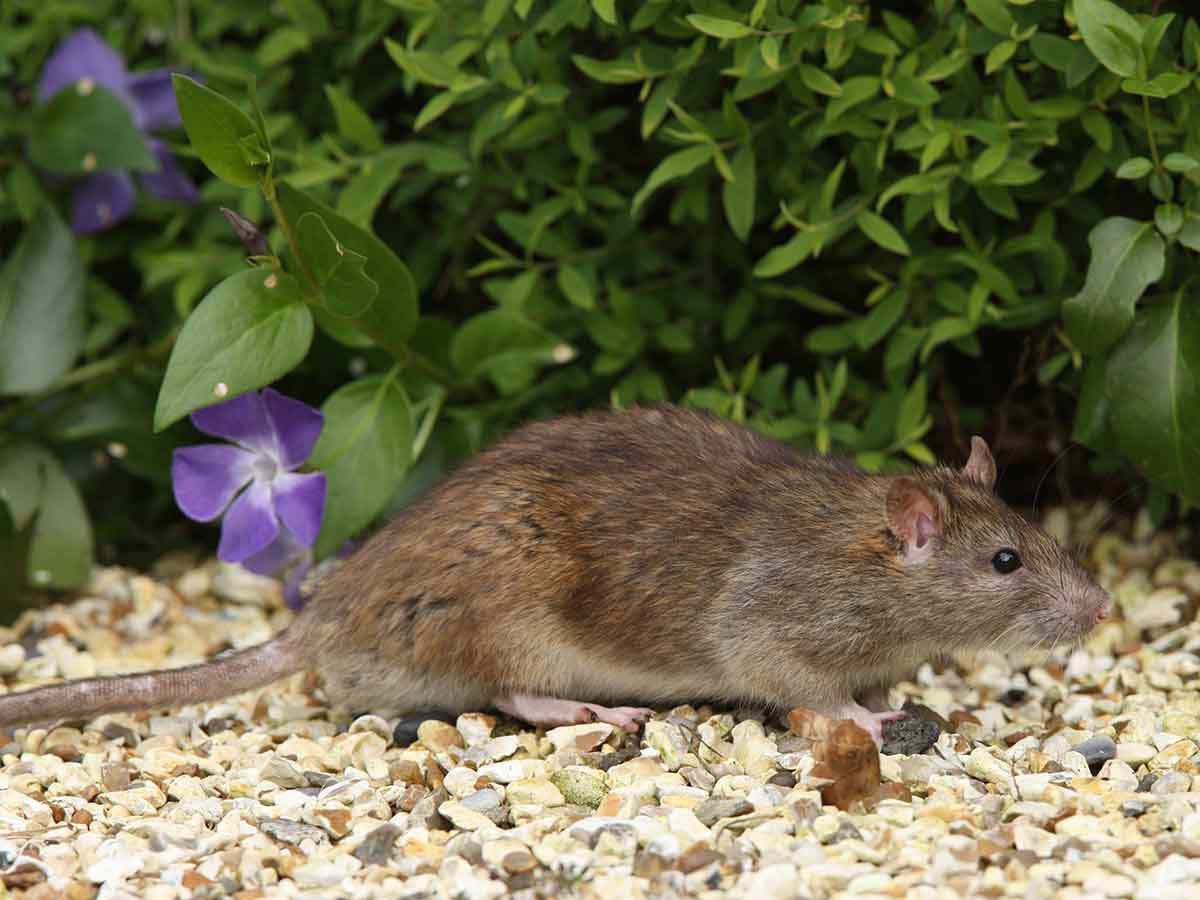
Image Source: thebugmaster.com
The Allure of Your Yard: What Attracts Rats?
Rats are opportunistic creatures, and your yard might be a prime target if it offers them something they need. Think of it from their perspective: a safe place to nest, food to eat, and water to drink. If your yard provides these essentials, it’s an open invitation. We’ll explore the most common attractants that lead to rats making your outdoor space their home.
1. Accessible Food Sources: A Smorgasbord for Rodents
Rats have a surprisingly diverse diet and are not picky eaters. Anything edible left out in the open can be a beacon for them. This includes more than just obvious food scraps.
Outdoor Pet Food and Water Bowls
- The Problem: Leaving pet food or water bowls outside overnight is a major attractant. Even a small amount of leftover kibble or standing water can draw rats. They are most active at dawn and dusk, making early morning or late evening feeding times a risk.
- The Solution: Bring pet food and water bowls inside after your pets have finished eating. If you must leave them out, do so only during the day and clean them thoroughly afterward. Consider elevated feeders that are harder for rodents to access.
Bird Feeders
- The Problem: Bird feeders, while wonderful for our feathered friends, are also a prime target for rats. Seeds and grains that fall to the ground create a consistent food supply. Squirrel-proof feeders can sometimes be outsmarted by determined rats.
- The Solution: Choose bird feeders that are designed to minimize spillage. Place feeders on poles with baffles that prevent rodents from climbing up. Regularly clean up any spilled seed beneath the feeders. Consider limiting the amount of seed you put out at any one time, and avoid refilling if there’s still a significant amount on the ground.
Compost Piles and Trash Cans
- The Problem: Open or poorly managed compost piles are essentially buffets for rats. They can easily burrow into them and feast on discarded food scraps. Similarly, trash cans that aren’t securely sealed are an easy target for rats looking for a quick meal.
- The Solution: Use rodent-proof compost bins with tight-fitting lids. Avoid composting meat, dairy products, or oily foods, as these are particularly attractive to rats. Ensure your outdoor trash cans have secure, tight-fitting lids and are emptied regularly. Consider keeping trash cans away from the foundation of your house.
Fallen Fruit and Vegetable Garden Produce
- The Problem: Overripe fruit that falls from trees and vegetables left on the ground in garden plots provide an easy and nutritious food source for rats. If you have a vegetable garden, harvesting regularly is key.
- The Solution: Collect fallen fruit from trees promptly. Harvest your garden produce as it ripens. Any damaged or overripe produce should be disposed of in a secure compost bin or trash can. Consider fencing off your garden with a sturdy, rodent-proof mesh if you have persistent issues.
2. Shelter and Nesting Opportunities: Cozy Havens
Rats need safe, protected places to rest, breed, and raise their young. Your yard might be offering them ideal nesting sites without you even realizing it.
Dense Vegetation and Overgrown Landscaping
- The Problem: Thick bushes, overgrown ivy, tall grass, and dense ground cover provide perfect hiding places for rats. These areas offer protection from predators and the elements, making them attractive nesting sites.
- The Solution: Regularly trim bushes, trees, and hedges, especially those that touch or hang over your house. Keep your lawn mowed short. Remove piles of leaves, brush, or debris from your yard. This reduces the number of hiding places available to rats.
Piles of Wood, Debris, or Junk
- The Problem: Stacks of firewood, old construction materials, discarded appliances, or any collection of clutter can create excellent shelter for rats. These piles offer numerous nooks and crannies for them to burrow and nest.
- The Solution: Keep your yard clean and free of clutter. Store firewood off the ground and away from your house. Dispose of old junk and debris promptly. Organize any stored items in sealed containers or on shelves to minimize potential hiding spots.
Undisturbed Areas and Burrows
- The Problem: Rats are adept at burrowing, and undisturbed soil areas, such as neglected garden beds or areas beneath sheds and decks, can become prime locations for them to dig their homes.
- The Solution: Fill in any existing rodent burrows you find. Monitor areas that are less trafficked and consider placing gravel or hardscaping in such spots to make burrowing more difficult. Regularly inspect areas beneath structures like sheds, decks, and porches.
3. Water Sources: Essential for Survival
Like all living creatures, rats need water to survive. Easy access to water can be another factor that draws them to your yard.
Leaky Faucets and Irrigation Systems
- The Problem: Dripping outdoor faucets, leaky hoses, or malfunctioning irrigation systems can create puddles and moist areas that attract rats. Standing water is a vital resource, especially during dry periods.
- The Solution: Repair any leaky faucets or hoses immediately. Ensure your irrigation system is functioning correctly and not creating unnecessary standing water. Check for any pooling water around foundations or outdoor water features.
Pet Water Bowls and Bird Baths
- The Problem: As mentioned earlier regarding food, water left out in pet bowls or bird baths is an easy water source.
- The Solution: Remove pet water bowls when not in use. Clean and refresh bird baths regularly, and consider if you need them out year-round if you have persistent rodent issues.
4. Structural Weaknesses and Entry Points: Inviting Access
While this primarily concerns rats getting inside your home, the proximity of your yard to potential entry points can indirectly contribute to your yard’s rat problem. If rats are already nesting nearby, they will be more inclined to explore your yard.
Gaps and Cracks in Foundations and Walls
- The Problem: Small gaps, cracks, or holes in the foundation of your house or outbuildings can serve as entry points for rats. They can squeeze through surprisingly small openings.
- The Solution: Inspect the exterior of your home and any outbuildings for potential entry points. Seal any cracks or holes with sturdy materials like steel wool, concrete, or wire mesh. Pay attention to areas where utilities enter the house.
Unsecured Vents and Drains
- The Problem: Vents for dryers, attics, or crawl spaces, as well as poorly screened drains, can be entry points for rats.
- The Solution: Ensure all vents and drains are covered with sturdy, rodent-proof mesh. Regularly check these screens for damage or blockages.
5. Proximity to Infested Areas: The Neighborhood Effect
Sometimes, the problem isn’t entirely within your control. Your yard might be close to a location that already has a significant rat population.
Nearby Abandoned Properties or Vacant Lots
- The Problem: Abandoned buildings, overgrown vacant lots, or areas with significant construction debris can be breeding grounds for rats. If these areas are close to your property, it’s only a matter of time before they start exploring your yard.
- The Solution: Report any severely neglected properties or potential rat havens in your neighborhood to your local authorities or animal control. While you can’t directly control these areas, awareness can help you implement more robust prevention measures on your own property.
Recognizing the Signs of Rats: What to Look For
Before you can address a rat problem, you need to confirm their presence. Look for the following signs of rats:
Rat Droppings
- Appearance: Rat droppings are typically about ½ to ¾ inch long, with blunt ends (unlike mouse droppings, which are smaller and pointed). They are often dark brown or black.
- Location: You’ll often find rat droppings in areas where rats frequent, such as along walls, in corners, under sinks, in cupboards, and near food sources or nesting sites. A cluster of droppings indicates a common pathway or feeding area.
Gnaw Marks
- What to Look For: Rats have continuously growing incisors, so they constantly gnaw on things to keep them in check. Look for teeth marks on wooden structures, electrical wires, plastic pipes, furniture, and even hard materials like concrete.
- Significance: Gnaw marks can indicate the presence of rats and also pose a significant fire hazard if electrical wiring is damaged.
Smear Marks (Rub Marks)
- Appearance: As rats travel the same paths repeatedly, the oils and dirt from their fur can leave dark, greasy smear marks on walls, baseboards, and other surfaces.
- Location: These marks are often found along walls or in areas where rats move from one point to another, especially in darker, less-trafficked spaces.
Nests and Burrowing Activity
- Nests: Rats build nests using soft materials like shredded paper, fabric, insulation, or plant matter. You might find these in hidden, sheltered locations.
- Burrows: In gardens or soft soil, you may find holes leading to underground burrows. These entrances are often about 2-4 inches in diameter.
Scampering Sounds
- What to Listen For: At night, you might hear scratching, scurrying, or scampering sounds from within walls, ceilings, attics, or beneath floorboards. This is a clear indication of rodent activity.
Live Sightings
- When: Rats are primarily nocturnal, so sightings during the day can indicate a significant rat infestation and that their nesting areas are overcrowded.
- Where: You might see them darting across open areas, near potential food sources, or around their nesting sites.
Effective Solutions for Rat Control: Taking Action
Once you’ve identified the problem and its likely causes, it’s time to implement solutions. A multi-pronged approach is usually most effective for rodent control.
1. Habitat Modification: Denying Access and Attraction
This is the most crucial step and involves making your yard less appealing and less accessible to rats.
Food Management
- Secure Garbage: Use heavy-duty trash cans with tight-fitting metal or plastic lids. Avoid overfilling them. Rinse recyclables before placing them in bins.
- Pet Food Protocols: Feed pets outdoors only during the day and remove uneaten food promptly.
- Bird Feeder Practices: Use spill-proof feeders and clean up fallen seed regularly. Consider feeders with squirrel baffles.
- Composting Wisely: Use rodent-proof compost bins and avoid adding meat, dairy, or oily foods. Turn your compost pile regularly to deter burrowing.
- Garden Care: Harvest produce promptly and clear away fallen fruit and vegetables.
Shelter Elimination
- Yard Cleanup: Regularly clear away brush, leaf litter, overgrown vegetation, and piles of debris. Trim trees and shrubs so they don’t touch the house.
- Structural Sealing: Seal any gaps or holes in your home’s foundation, walls, and around utility lines. Use materials like steel wool, copper mesh, or concrete caulk.
- Under-Structure Access: Block off access to areas under decks, porches, and sheds using sturdy wire mesh or other rodent-proof barriers. Ensure these barriers extend into the ground to prevent burrowing underneath.
2. Trapping: Physical Removal
Trapping is a direct method of rat removal that can be effective for smaller infestations.
Types of Rat Traps
- Snap Traps: These are traditional traps that kill rats quickly when triggered. They are cost-effective and widely available.
- Pros: Humane kill if set correctly, inexpensive.
- Cons: Can be messy, require careful placement, risk of injury to non-target animals or humans.
- Glue Traps: Rats become stuck to a sticky surface.
- Pros: Easy to set up, inexpensive.
- Cons: Considered inhumane by many, rats can suffer for days, can trap non-target animals.
- Live Traps: These capture rats alive, allowing for relocation.
- Pros: Humane, allows for relocation away from populated areas.
- Cons: Requires frequent checking, you need to know where to safely relocate them, relocation can be problematic for the rat.
- Electronic Traps: These deliver a lethal electric shock to rats.
- Pros: Clean kill, contained.
- Cons: More expensive, requires batteries.
Best Practices for Trapping
- Baiting: Use appealing baits like peanut butter, dried fruit, nuts, or chocolate. Smear a small amount of bait onto the trigger mechanism.
- Placement: Place traps along walls, in corners, and in areas where you’ve seen rat droppings or other signs of activity. Rats tend to travel along edges.
- Quantity: Use multiple traps to increase your chances of success.
- Checking: Check traps daily. Dispose of dead rats safely in a sealed bag. If using live traps, check them at least twice a day to prevent prolonged suffering.
3. Baiting: Rodenticides for Control
Rat bait (rodenticides) are poisons that kill rats. However, they should be used with extreme caution and as a last resort, especially if children or pets have access to your yard.
Types of Rat Bait
- Anticoagulants: These are the most common types of rodenticides. They interfere with blood clotting, leading to internal bleeding. Rats may need multiple feedings. Examples include brodifacoum, bromadiolone, and warfarin.
- Acute Poisons: These kill rats after a single feeding. They can act very quickly. Examples include zinc phosphide and bromethalin.
Safe and Effective Baiting Strategies
- Use Bait Stations: Always place rat bait inside secure, tamper-resistant bait stations. These stations protect the bait from the elements and prevent access by non-target animals and children.
- Strategic Placement: Place bait stations in areas where rats are actively foraging or traveling.
- Follow Instructions: Read and strictly follow the manufacturer’s instructions on the product label. This includes dosage, placement, and disposal.
- Monitor and Replenish: Check bait stations regularly and replenish bait as needed. Remove any uneaten bait or dead rats.
- Consider Risks: Be aware of the risks of secondary poisoning. If a predator (like a hawk or cat) eats a poisoned rat, it can also be harmed.
4. Rat Repellents and Deterrents: Non-Lethal Approaches
There are various rat repellents and rat deterrents available that aim to keep rats away without killing them. Their effectiveness can vary.
Ultrasonic Devices
- How they work: These devices emit high-frequency sound waves that are supposed to be unpleasant or irritating to rodents.
- Effectiveness: Scientific studies have shown mixed results. Rats may become accustomed to the sounds over time, rendering the devices ineffective.
Natural Repellents
- Odor-Based Repellents: These include products containing essential oils like peppermint, castor oil, or eucalyptus. Some people also use ammonia-soaked rags or mothballs.
- Effectiveness: While some natural scents can temporarily deter rats, they are usually not a long-term solution. Rats can overcome their aversion to these smells, especially if food and shelter are abundant. Caution: Mothballs (naphthalene) are toxic and should be used with extreme caution, if at all, in outdoor settings due to environmental concerns and potential harm to pets and children.
Physical Barriers
- Wire Mesh: Using sturdy wire mesh (like hardware cloth) to block entry points or around garden beds can be a very effective deterrent.
- Gravel: A layer of coarse gravel around the foundation of your home or in garden areas can make burrowing more difficult.
5. Professional Rodent Control: When to Call the Experts
If you’re struggling to manage a rat infestation on your own, or if the problem is severe, it’s time to consider professional help.
- Expert Assessment: Pest control professionals can accurately identify the species of rat, assess the extent of the infestation, and pinpoint the source of attraction.
- Targeted Treatment: They have access to a range of professional-grade rodent control products and techniques that are more effective and often safer when used correctly.
- Integrated Pest Management (IPM): Professionals often employ IPM strategies, which combine habitat modification, exclusion, trapping, and targeted baiting for a comprehensive and long-lasting solution.
- Prevention Strategies: They can also advise on and implement ongoing rat prevention measures to keep your yard and home protected in the future.
Rat Prevention: Keeping Your Yard Rodent-Free Long-Term
The best way to deal with rats is to prevent them from coming into your yard in the first place. This involves ongoing vigilance and consistent application of good housekeeping practices.
Maintain a Clean Yard
- Regular Debris Removal: Keep your yard clear of fallen leaves, branches, and general clutter.
- Trim Vegetation: Keep grass mowed and bushes and trees trimmed, especially those near your home.
Secure Food and Water Sources
- Proper Waste Management: Ensure all trash cans have secure lids and are emptied regularly.
- Pet Food Rules: Do not leave pet food or water outside overnight.
- Bird Feeder Management: Minimize spillage and clean up beneath feeders.
Seal Entry Points
- Inspect Your Home: Regularly check for and seal any cracks, holes, or gaps in your home’s foundation, walls, and around utility lines.
- Secure Vents and Drains: Ensure all openings are covered with sturdy mesh.
Educate Yourself and Neighbors
- Awareness is Key: The more people in your neighborhood who are aware of rat prevention practices, the more effective community-wide control can be.
- Report Issues: If you notice significant rat activity in public spaces or on neighboring properties, report it to the relevant authorities.
Frequently Asked Questions (FAQ)
Q: How quickly can rats reproduce?
A: Rats reproduce very quickly. A female rat can have multiple litters per year, with each litter containing an average of 6-10 pups. This rapid reproduction rate is why even a small rat problem can escalate into a significant rat infestation if not addressed promptly.
Q: Can rats transmit diseases to humans or pets?
A: Yes, rats can transmit diseases through their urine, feces, saliva, and bites. They can carry bacteria like Salmonella and Leptospira, as well as viruses like Hantavirus. It’s important to handle any suspected rat droppings or nests with caution, wearing gloves and a mask, and to disinfect the area thoroughly.
Q: Are there humane ways to get rid of rats?
A: Yes, humane methods include using live traps and then relocating the rats to a suitable habitat far away from human populations. However, relocation can be challenging, as rats are territorial and may not survive in a new environment, and it doesn’t address the attractants that drew them to your yard in the first place. Consistent habitat modification and exclusion are key to long-term rat prevention.
Q: What is the most effective rat bait?
A: The effectiveness of rat bait depends on the specific product and the rat population. Anticoagulant baits are common, but some rat populations have developed resistance. Newer, single-feed rodenticides can be very effective, but they also carry higher risks for non-target animals. Always use baits in secure bait stations and follow all label instructions carefully.
Q: Can I get rid of rats permanently from my yard?
A: Achieving permanent rat removal is challenging, as rats are adaptable and will be attracted to any yard that offers food, water, and shelter. However, by consistently implementing rat prevention strategies, securing food sources, eliminating shelter, and sealing entry points, you can significantly reduce or eliminate their presence in your yard. It’s an ongoing effort.
Q: What are the best rat deterrents for outdoor use?
A: For outdoor use, physical barriers like sturdy wire mesh around garden areas and securing all potential food sources (trash, pet food) are the most reliable rat deterrents. While ultrasonic devices and natural repellents are available, their effectiveness is often limited or temporary. The focus should be on making your yard unattractive and inaccessible.
By diligently applying these principles, you can reclaim your yard from unwelcome rodent visitors and ensure a safer, more enjoyable outdoor space for you and your family.