

Ever wonder why some garden plants grow big and juicy while others seem to just… exist? It often comes down to what’s in the soil, and that’s where vegetable fertilizer comes in! Think of it as a superfood boost for your plants, giving them the nutrients they need to thrive. But step into any garden store, and you’re met with a dizzying array of bags and bottles. Which one is right for your tomatoes? Will it help your peppers get spicier? The confusion can be overwhelming, leaving you guessing and your plants potentially missing out.
Don’t worry, though! By the end of this post, you’ll understand the basics of vegetable fertilizer. We’ll break down what those numbers on the bags really mean, explore different types of fertilizers, and help you pick the perfect one to feed your garden. Get ready to watch your vegetables grow stronger, healthier, and more delicious than ever before!
Our Top 5 Vegetable Fertilizer Recommendations at a Glance
Top 5 Vegetable Fertilizer Detailed Reviews
1. Burpee Organic Tomato & Vegetable Granular Plant Food

Rating: 9.3/10
Grow bigger, tastier tomatoes and a bountiful harvest of vegetables with Burpee Organic Tomato & Vegetable Granular Plant Food. This 4 lb bag is packed with the nutrients your plants need to thrive, all while being safe for organic gardening.
What We Like:
- This plant food works for a long time.
- The granules are easy to spread.
- They start feeding your plants right away.
- Plants get food for up to 3 months.
- It helps your plants grow better and produce more.
- It’s approved for organic gardening (OMRI Listed).
- Burpee has been trusted by gardeners since 1876.
- Burpee offers great advice to help you garden successfully.
What Could Be Improved:
- The 4 lb bag might be a bit small for very large gardens.
- The granular form can sometimes be unevenly distributed if not spread carefully.
This granular plant food provides sustained nourishment for your vegetable garden. For gardeners seeking reliable, organic solutions, Burpee delivers.
2. Miracle-Gro Shake ‘n Feed Tomato

Rating: 8.9/10
Grow bigger, tastier tomatoes, fruits, and vegetables with Miracle-Gro Shake ‘n Feed Tomato, Fruit and Vegetable Plant Food. This easy-to-use plant food works for both plants in the ground and in pots. It feeds your plants for up to 3 months. It also helps make your harvests even better.
What We Like:
- Feeds your plants for up to 3 months, so you don’t have to worry about feeding them often.
- Contains calcium, which helps make your fruits and vegetables stronger and last longer.
- Uses natural ingredients like kelp and earthworm castings. These feed the tiny helpers in the soil that boost root strength.
- Makes plants use water better.
- Works for plants in the ground and in pots.
- Easy to apply – just shake it on and water.
What Could Be Improved:
- The 4.5 lb bag might not be enough for very large gardens.
- Requires reapplication every 3 months for continuous feeding.
This plant food is a simple way to help your garden thrive. You’ll enjoy a beautiful garden and delicious harvests all season long.
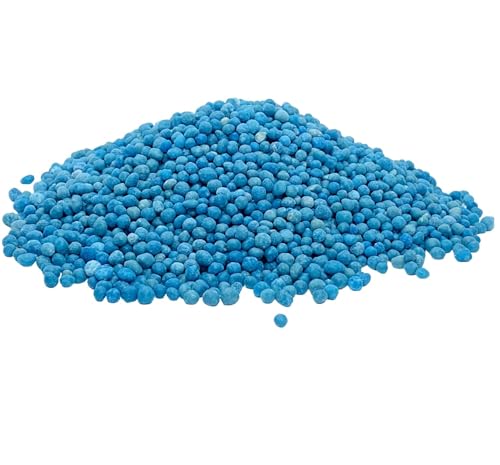
3. Blaukorn® Classic 12-8-16(+3+TE) – Premium Granular NPK Fertilizer with Trace Elements –176 oz (11 lbs) Bag for Vegetables
Rating: 8.8/10
The Blaukorn® Classic 12-8-16(+3+TE) fertilizer is a top-notch choice for gardeners. This premium granular fertilizer provides everything your plants need to thrive. It has a balanced mix of nutrients, including nitrogen, phosphorus, and potassium, along with magnesium and important trace elements. You can use it on almost anything in your garden, from juicy vegetables and sweet fruits to colorful flowers and a lush green lawn. The 11-pound bag gives you plenty to work with throughout the growing season.
What We Like:
- It offers a well-balanced 12-8-16 nutrient ratio, plus magnesium and trace elements, giving plants complete nutrition.
- This fertilizer works great for a variety of plants, including vegetables, fruits, flowers, and lawns.
- The 11-pound bag is a good size, allowing for many uses.
- Its granular form spreads easily and evenly, making sure plants get nutrients steadily.
- It provides all the necessary nutrients for plants to grow their best.
What Could Be Improved:
- The packaging could be more resealable for easier storage between uses.
- While it’s effective, the price point might be a bit high for very small gardens.
This Blaukorn® Classic fertilizer is a reliable way to boost your garden’s health. It’s a smart investment for anyone looking for strong, vibrant plants.
4. Miracle-Gro Shake ‘N Feed Tomato

Rating: 8.8/10
Get ready for an amazing harvest with Miracle-Gro Shake ‘N Feed Tomato, Fruit and Vegetable Plant Food! This easy-to-use food helps your plants grow strong and produce delicious fruits and veggies. It works for plants in the ground and in pots, both inside and outside. You only need to feed your plants every three months, and it keeps feeding them for a long time.
What We Like:
- Feeds plants for up to 3 months with just one application.
- Nourishes plants both above and below the soil.
- Contains calcium, which helps make fruits and vegetables stronger and last longer.
- Works great for tomatoes, fruits, and vegetables, whether they’re in the ground or in containers.
- Simple to apply by shaking it onto the soil and mixing it in.
- Now includes natural ingredients for even better plant health and produce.
- Makes your garden look beautiful all season long.
What Could Be Improved:
- The 1 lb size might be small for very large gardens.
- Requires regular watering to activate the feeding process.
This Miracle-Gro Shake ‘N Feed is a fantastic helper for any gardener. It makes growing healthy, tasty produce simpler than ever.
5. Jobe’s Organics Granular Garden Fertilizer

Rating: 8.9/10
Grow the best veggies and juiciest tomatoes with Jobe’s Organics Granular Garden Fertilizer! This 4-pound bag is packed with everything your plants need to thrive. It’s made to keep things clean and safe, with no messy spills, yucky smells, or dangerous chemicals. Just easy plant care for a bountiful harvest!
What We Like:
- The 2-5-3 NPK formula gives your vegetables and tomatoes the perfect food for lots of tasty produce and healthy, green leaves.
- It’s OMRI listed, meaning it’s truly organic and approved by the USDA for your garden.
- Using it is super simple! Just sprinkle it around your plants every 4 to 6 weeks during the growing season.
- You can easily measure the right amount, so you won’t accidentally give your plants too much food.
- It helps stop fertilizer from washing away, protecting our water.
- There are no fake chemicals, keeping your garden safe and natural.
What Could Be Improved:
- The granular form might take a little longer to break down compared to liquid fertilizers.
- The 4-pound bag size might be small for very large gardens.
This Jobe’s Organics fertilizer makes growing delicious vegetables and beautiful tomatoes simple and safe. Give your plants the best organic food for a truly rewarding garden experience.
Nourish Your Garden: The Ultimate Vegetable Fertilizer Buying Guide
Growing delicious vegetables at home is a rewarding experience. To get the best harvest, your plants need the right nutrients. That’s where vegetable fertilizer comes in! This guide will help you choose the perfect fertilizer for your garden.
Key Features to Look For
When you’re shopping for vegetable fertilizer, keep these important features in mind:
Nutrient Balance (N-P-K)
You’ll see three numbers on fertilizer bags, like 10-10-10. These are N-P-K numbers.
- N (Nitrogen): This helps plants grow green leaves and stems. It’s like the energy drink for leafy growth.
- P (Phosphorus): This helps roots grow strong and makes flowers and fruits develop. Think of it as the building block for strong foundations and tasty produce.
- K (Potassium): This helps plants fight off diseases and handle stress, like hot weather or dry spells. It’s the plant’s immune system booster.
Different vegetables need different N-P-K ratios. Leafy greens like lettuce prefer more nitrogen. Fruiting plants like tomatoes and peppers need more phosphorus and potassium.
Formulation (Granular vs. Liquid)
Fertilizers come in different forms.
- Granular: These are little pellets you spread on the soil. They release nutrients slowly over time. They are easy to use and last longer.
- Liquid: You mix these with water and pour them on. Plants can absorb liquid fertilizer quickly. This is great for a fast boost when plants need it.
Organic vs. Synthetic
- Organic Fertilizers: These come from natural sources like compost, manure, or bone meal. They improve soil health over time. They release nutrients slowly, which is good for the soil.
- Synthetic Fertilizers: These are made in a lab. They provide nutrients quickly to plants. They are often cheaper. However, they don’t help the soil as much.
Important Materials
Good vegetable fertilizers contain essential nutrients.
- **Macronutrients:** These are the big three: Nitrogen (N), Phosphorus (P), and Potassium (K).
- **Secondary Nutrients:** Plants also need calcium, magnesium, and sulfur. These are important for healthy growth.
- **Micronutrients:** Plants need small amounts of iron, manganese, zinc, copper, boron, and molybdenum. These are like vitamins for plants.
Factors That Improve or Reduce Quality
What makes a fertilizer great or not so great?
Improving Quality:
- **Slow-Release Nutrients:** Fertilizers that release nutrients slowly feed plants for a longer time. This prevents over-fertilizing.
- **Balanced N-P-K Ratio:** A fertilizer that matches the needs of your specific vegetables is a high-quality choice.
- **Added Organic Matter:** Fertilizers with compost or other organic materials improve soil structure and health.
- **Presence of Micronutrients:** A complete fertilizer includes all the necessary micronutrients for overall plant health.
Reducing Quality:
- **Too Much of One Nutrient:** A fertilizer with a very high amount of just one nutrient can harm plants. For example, too much nitrogen can burn leaves.
- **Poor Ingredient Sourcing:** If an organic fertilizer uses low-quality manure, it might contain weed seeds or pathogens.
- **Lack of Micronutrients:** A fertilizer missing essential micronutrients might lead to deficiencies in your plants.
- **Synthetic Fertilizers Alone:** While effective, relying only on synthetic fertilizers can deplete soil over time.
User Experience and Use Cases
How do people use vegetable fertilizers, and what are their experiences?
Beginner Gardeners
For those new to gardening, a balanced, all-purpose granular fertilizer (like 10-10-10) is often recommended. It’s forgiving and provides a good starting point. Users find these easy to apply and see a noticeable difference in plant growth.
Experienced Gardeners
Experienced gardeners often use different fertilizers for different plants. They might use a high-nitrogen fertilizer for leafy greens early on and switch to a high-phosphorus fertilizer when fruit starts to set. They also appreciate organic options that build soil health.
Specific Vegetable Needs
- Tomatoes and Peppers: These plants benefit from fertilizers with higher phosphorus and potassium to encourage fruit production.
- Leafy Greens (Lettuce, Spinach): These need more nitrogen for lush, green leaves.
- Root Vegetables (Carrots, Potatoes): These need a good balance, with some emphasis on phosphorus for root development.
Quick Fixes
Liquid fertilizers are perfect for giving plants a quick energy boost when they look a little sad or aren’t growing as expected. Users report seeing plants perk up within a day or two.
Frequently Asked Questions (FAQ)
Q: What does N-P-K stand for on a fertilizer bag?
A: N-P-K stands for Nitrogen, Phosphorus, and Potassium. These are the main nutrients plants need.
Q: How often should I fertilize my vegetable plants?
A: It depends on the fertilizer and your plants. Follow the instructions on the fertilizer package. Usually, you fertilize every 4-6 weeks.
Q: Can I use regular plant fertilizer for vegetables?
A: Some general plant fertilizers work, but vegetable-specific fertilizers are best. They have the right nutrient balance for vegetables.
Q: What is the difference between organic and synthetic fertilizer?
A: Organic fertilizers come from natural sources and improve soil health. Synthetic fertilizers are made in a lab and provide nutrients quickly.
Q: How much fertilizer should I use?
A: Always read and follow the directions on the fertilizer package. Using too much can harm your plants.
Q: My plants look yellow. What does that mean?
A: Yellow leaves can mean your plants need more nitrogen. A fertilizer with a higher first number (N) might help.
Q: Can I over-fertilize my plants?
A: Yes, you can. Too much fertilizer can burn plant roots and leaves. It’s better to use less than too much.
Q: Do I need to water after fertilizing?
A: Yes, watering helps the nutrients get into the soil and reach the plant roots. It also washes away any fertilizer that might have landed on the leaves.
Q: When is the best time to fertilize vegetables?
A: Fertilize when plants are actively growing. This is usually in the spring and early summer. Avoid fertilizing when plants are dormant or during extreme heat.
Q: Are there any fertilizers that are bad for vegetable gardens?
A: Fertilizers with very high amounts of just one nutrient can be harmful. Also, be careful with fertilizers that haven’t been properly composted if they are organic.
In conclusion, every product has unique features and benefits. We hope this review helps you decide if it meets your needs. An informed choice ensures the best experience.
If you have any questions or feedback, please share them in the comments. Your input helps everyone. Thank you for reading.