
Ever feel like your feet are protesting after a long day on a hard surface? You’re not alone! Standing and walking on cement floors, whether at work, in your garage, or even just around the house, can be tough on your feet, legs, and even your back. It’s like your body is constantly taking a beating.
Choosing the right shoes for these hard surfaces isn’t just about looking good; it’s about feeling good and staying comfortable. But with so many different types of shoes out there, how do you know which ones will actually offer the support and cushioning you need? It can feel overwhelming, and the wrong choice can lead to aches and pains that just won’t quit.
This post is here to help! We’ll break down what makes a shoe great for cement floors and guide you toward finding a pair that will make your feet happy. Get ready to discover the secrets to comfortable feet, no matter how hard the ground beneath you is.
Our Top 5 Shoes For Cement Floors Recommendations at a Glance
Top 5 Shoes For Cement Floors Detailed Reviews
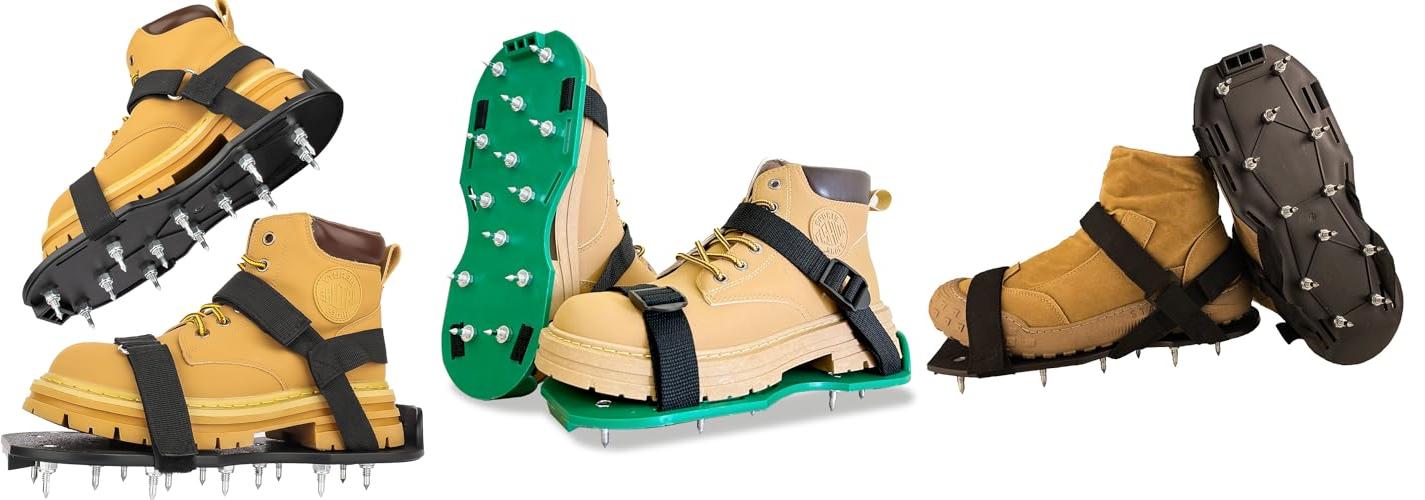
1. FIETODK Epoxy Floor Spiked Shoes Fully Assembled Gunite Spiked Shoes with 3/4″ Short Spikes for Garage Floor Epoxy

Rating: 9.5/10
Tackle your garage floor epoxy, overlays, and other coating projects with confidence using the FIETODK Epoxy Floor Spiked Shoes. These fully assembled shoes feature short, 3/4″ spikes designed to provide excellent balance and prevent your footwear from sticking to wet surfaces. They are a must-have tool for anyone working with self-leveling epoxy, concrete, painting, or gunite applications.
What We Like:
- Fully assembled for immediate use – no complicated setup required.
- Adjustable straps fit most standard US adult shoe sizes (men 6-11, women 4-11.5).
- Short spikes prevent tracking and protect surfaces from footprints.
- Nylon locking nuts securely hold spikes in place, ensuring durability and safety.
- Helps remove air bubbles during application for a smoother finish.
- Comes with a free small wrench for easy adjustments.
What Could Be Improved:
- Not suitable for shoe sizes above US men’s 11 or women’s 11.5, or for very thick work boots.
- A larger size option is recommended for those exceeding the universal fit.
These FIETODK spiked shoes are a practical and essential tool for achieving professional-looking epoxy floors. They offer a simple solution for walking on wet coatings and ensuring a flawless finish.
2. Epoxy Shoes

Rating: 8.6/10
Are you working on a new epoxy floor or a similar project? You need the right tools to get the job done smoothly. These Epoxy Spike Shoes are designed to help you walk on wet epoxy or concrete without leaving marks. They are essential for a clean, professional finish on self-leveling floors and overlays.
What We Like:
- These shoes help you walk on wet epoxy floors without leaving footprints. Your design stays perfect.
- They are easy to put on and take off with snap-lock buckle belts.
- The shoes have 13 sharp spikes that are 1 inch long. They are perfect for epoxy floors and other similar jobs.
- Special nuts keep the spikes tight. This means they won’t loosen or fall off while you’re working.
- One size fits most. The adjustable straps work with regular shoes, sneakers, or work boots.
- They fit shoe sizes up to 12 yards.
- The spikes are 3/4 inch long after being put together. This is a good length for epoxy and cement work.
What Could Be Improved:
- The shoes are not suitable for shoe sizes larger than 12 yards.
These spike shoes are a must-have for anyone installing epoxy floors. They make the job easier and ensure a professional, clean look.
3. Epoxy Floor Concrete Spike Shoes epoxy Garage Cleats Floor Coating gunite self Leveling Coating Spike Shoes No Heel Barrier

Rating: 8.8/10
Tired of slipping and sliding when you’re working on your garage floor or applying epoxy coatings? These Epoxy Floor Concrete Spike Shoes are your new best friend! They’re designed to give you amazing grip on wet or slippery surfaces, making your DIY projects safer and easier. No more worrying about falling or hurting yourself while you’re busy creating that perfect floor finish.
What We Like:
- Universal Sizing: These shoes fit everyone! They adjust easily to any foot size and shoe type, even safety shoes. You don’t have to worry about them not fitting.
- No Assembly Required: You get them ready to use right away. The nails and straps are already put together, saving you time and hassle.
- Ergonomic Design: They help you keep your balance. This means you’ll be more stable on your feet and less likely to trip or twist an ankle.
- Durable & Lightweight: Made from strong nylon, these shoes are built to last. They’re also light, so they won’t make your feet feel heavy.
- Improved Quality: The shoe boards are stronger now. They use nuts to make sure the parts stay tight and don’t come loose.
What Could Be Improved:
- While the straps are adjustable, ensuring a perfect snug fit for every single shoe type might require a bit of trial and error for some users.
- The “no heel barrier” is a great feature, but users who prefer a more structured feel around the heel might need a short adjustment period.
These spike shoes offer excellent stability and grip for anyone tackling floor coating projects. They are a smart investment for safer and more efficient work.
4. Orthobrace Work Insoles for Standing All Day

Rating: 8.8/10
Tired feet from standing all day? The Orthobrace Work Insoles are here to help! These heavy-duty inserts are designed to give your feet the support they need, especially if you weigh over 200 pounds. They’re built to tackle pain from conditions like plantar fasciitis and help you feel better on your feet, no matter what kind of work you do.
What We Like:
- They help stop and ease foot pain by supporting your arches.
- They offer strong support for people over 200 pounds, helping with weight distribution and impact.
- These insoles fight fatigue with a special mix of cushioning, arch support, and heel protection.
- They are soft and comfy, made from good quality material for all-day wear.
- You can trim them to fit almost any shoe, from work boots to sneakers.
What Could Be Improved:
- While they offer great support, some users might find the initial firmness takes a little getting used to.
- The “L” size is for a specific range, and those outside that might need to look for other options.
If you’re on your feet for long hours, these Orthobrace insoles are a solid investment for comfort and pain relief. They make a noticeable difference in how your feet feel at the end of the day.
5. FIETODK Epoxy Floor Spiked Shoes Fully Assembled Gunite Spiked Shoes with 3/4″ Short Spikes for Garage Floor Epoxy

Rating: 8.9/10
Tired of leaving footprints on your freshly laid epoxy floors? The FIETODK Epoxy Floor Spiked Shoes are here to save your design! These fully assembled shoes are a must-have tool for anyone working with self-leveling, epoxy flooring, or overlay installations. They allow you to walk on wet surfaces without leaving marks, ensuring your hard work looks flawless.
What We Like:
- Walk on wet epoxy without leaving footprints, keeping your design perfect.
- They come fully assembled, so you can use them right out of the box. Just tie your shoelaces!
- Nylon locking nuts keep the 3/4″ short spikes securely in place, preventing them from loosening or falling off. This means safer work for you.
- The large size and adjustable Velcro straps fit most ordinary shoes, sports shoes, or work boots (not for shoe sizes smaller than 11).
- FIETODK offers great customer service with a quick response time and a satisfaction guarantee, including refunds or replacements if needed.
What Could Be Improved:
- The product is not suitable for shoe sizes smaller than 11 yards.
These spiked shoes are a professional-grade tool that makes epoxy floor installation much easier and cleaner. They are a smart investment for anyone serious about achieving a perfect finish on their flooring projects.
Finding the Best Shoes for Cement Floors
Standing or walking on hard cement floors for long periods can be tough on your feet and body. The right shoes make a huge difference! They offer cushioning, support, and protection. This guide helps you pick the perfect pair for comfort and durability.
1. Key Features to Look For
When shopping for shoes for cement floors, keep these important features in mind:
Shock Absorption
This is super important. Good shoes have thick soles that soak up the impact when your feet hit the hard ground. This stops your feet and legs from feeling tired and sore.
Cushioning
Look for shoes with plenty of soft padding inside. This extra softness makes walking feel like you’re on clouds, even on concrete.
Arch Support
Your arches are the curves in the bottom of your feet. Good arch support helps keep your feet aligned correctly. This prevents pain and problems like flat feet.
Ankle Support
For jobs or activities that require a lot of standing, shoes with good ankle support are a lifesaver. They help keep your ankles stable and reduce the risk of twists or sprains.
Durability
Cement floors can wear down shoes quickly. You want shoes made from strong materials that can handle a lot of use without falling apart.
Non-Slip Soles
Some cement floors can get wet or oily. Shoes with soles that grip well stop you from slipping and falling. This is a major safety feature.
2. Important Materials
The materials used in shoes greatly affect their performance and comfort.
Soles
- Rubber: This is a popular choice. Rubber soles are flexible, durable, and offer good grip. Many work boots and athletic shoes use rubber.
- EVA (Ethylene Vinyl Acetate): This foam-like material is lightweight and provides excellent cushioning and shock absorption. It’s often found in the midsoles of sneakers.
- Polyurethane: This material is very durable and resistant to abrasion. It’s great for work shoes that need to last a long time on rough surfaces.
Uppers
- Leather: Leather is strong and molds to your feet over time. It’s breathable and offers good protection. Many work boots and casual shoes use leather.
- Mesh: Mesh is lightweight and very breathable. It keeps your feet cool, which is great for long days. Athletic shoes often use mesh.
- Synthetic Fabrics: These can mimic the look and feel of leather or mesh but are often more affordable and easier to clean.
3. Factors That Improve or Reduce Quality
Certain things make shoes better or worse for standing on cement.
What Makes Shoes Better:
- Thick, cushioned insoles
- Well-constructed stitching
- Supportive heel cups
- Breathable materials
- Flexible yet firm soles
What Makes Shoes Worse:
- Thin, worn-out soles
- Lack of cushioning
- Poor arch support
- Stiff, inflexible materials
- Shoes that are too tight or too loose
4. User Experience and Use Cases
Who needs shoes for cement floors, and what are they used for?
For Work
Many jobs require standing on cement all day. This includes factory workers, nurses, retail staff, chefs, and construction workers. These individuals need shoes that provide comfort and protection throughout their shifts.
For Athletes
Runners, walkers, and people who do a lot of training on hard surfaces benefit from shoes with excellent shock absorption. This helps prevent injuries and improves performance.
For Everyday Comfort
Even if you don’t have a job that requires it, if you spend a lot of time on hard floors at home or running errands, comfortable shoes make a big difference in your daily life.
Choosing the right shoes for cement floors is an investment in your health and comfort. Look for good cushioning, support, and durable materials. Your feet will thank you!
Frequently Asked Questions (FAQ) About Shoes for Cement Floors
Q: What are the main key features to look for in shoes for cement floors?
A: The main key features are excellent shock absorption, plenty of cushioning, good arch support, and durable, non-slip soles.
Q: Are leather shoes good for standing on cement all day?
A: Yes, leather shoes can be good. They are durable and can mold to your feet for a custom fit. Just make sure they also have good cushioning and support.
Q: How important is the sole material?
A: The sole material is very important. Rubber and polyurethane offer good durability and grip, while EVA provides excellent cushioning.
Q: Can I wear my regular sneakers on cement floors?
A: Some sneakers are designed for hard surfaces and offer good cushioning. However, not all sneakers are made for prolonged standing on cement. Check for specific features like shock absorption and arch support.
Q: What is the best type of shoe for a job that requires standing on cement for 8 hours?
A: Look for work boots or comfortable walking shoes with thick, cushioned soles, excellent arch support, and breathable uppers.
Q: How can I tell if a shoe has good arch support?
A: You can often feel it. The shoe should have a noticeable curve that matches the arch of your foot. If you have specific arch needs, consider shoes with removable insoles so you can add your own orthotics.
Q: Will good shoes prevent foot pain?
A: Good shoes can significantly reduce foot pain caused by standing on hard surfaces. They provide the support and cushioning your feet need.
Q: How often should I replace shoes worn on cement floors?
A: This depends on the shoe’s quality and how often you wear them. Generally, when the cushioning feels flat or the soles are worn down, it’s time for a new pair.
Q: Are waterproof shoes necessary for cement floors?
A: Waterproofing is only necessary if the cement floors you’re on might get wet. For dry environments, breathability is usually more important.
Q: Can shoes with heels be worn on cement floors?
A: While possible, shoes with heels are generally not recommended for prolonged standing on cement. They can put extra pressure on your feet and make them more uncomfortable and prone to pain.
In conclusion, every product has unique features and benefits. We hope this review helps you decide if it meets your needs. An informed choice ensures the best experience.
If you have any questions or feedback, please share them in the comments. Your input helps everyone. Thank you for reading.