
Ever dreamed of hitting the pavement, feeling the wind in your hair, and the rhythm of your feet? Running is a fantastic way to get fit and feel great. But before you lace up and dash off, there’s one crucial step: choosing the right shoes. Think of them as your running buddies – they need to be supportive, comfortable, and ready for adventure!
The world of running shoes can feel like a confusing maze. So many brands, so many styles, and what does all that technical jargon even mean? It’s easy to get overwhelmed and pick the wrong pair, which can lead to sore feet, blisters, or even injuries. That’s a real bummer when you’re just trying to enjoy your new hobby!
Don’t worry, we’re here to help! This post will break down everything you need to know about picking your perfect first pair of running shoes. We’ll guide you through the basics, explain what to look for, and help you avoid common mistakes. By the end, you’ll feel confident and ready to find shoes that will make your running journey a joy.
Our Top 5 Shoes To Start Running Recommendations at a Glance
Top 5 Shoes To Start Running Detailed Reviews
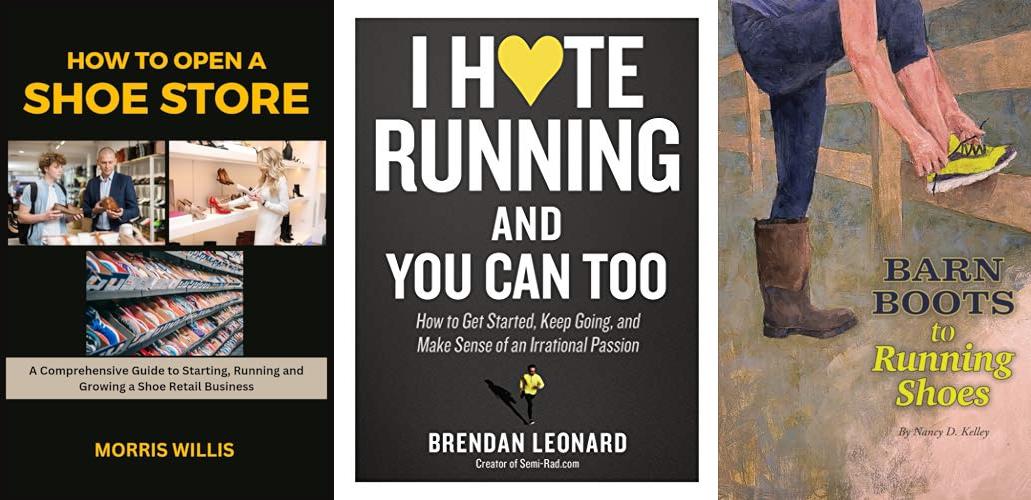
1. How to Open a Shoe Store: A Comprehensive Guide to Starting

Rating: 9.1/10
Dreaming of your own shoe store? This guide, “How to Open a Shoe Store: A Comprehensive Guide to Starting, Running and Growing Your Own Footwear Retailing Business,” is your roadmap. It breaks down everything you need to know. You will learn how to start your business from scratch. It also covers how to keep it running smoothly and how to make it bigger. This book helps you understand the shoe business.
What We Like:
- It offers clear steps for beginners.
- It covers all the important parts of running a business.
- The advice feels practical and helpful.
- It shows you how to grow your store over time.
What Could Be Improved:
- It doesn’t go into a lot of detail about specific types of shoes.
- There are no real-world examples of successful shoe stores.
- It could have more information on online shoe sales.
This book is a solid starting point for anyone wanting to open a shoe store. It gives you the basic knowledge to get your footwear dreams off the ground.
2. I Hate Running and You Can Too: How to Get Started

Rating: 8.6/10
This book, “I Hate Running and You Can Too: How to Get Started, Keep Going, and Make Sense of an Irrational Passion,” is for anyone who thinks running is a terrible idea. It’s for people who find the idea of pounding the pavement awful. The author understands your pain. This book offers a way to actually enjoy running, or at least tolerate it enough to get fit.
What We Like:
- It’s honest about how hard running can be.
- It gives practical tips for beginners who really dislike running.
- The author’s humor makes the tough parts easier to read.
- It helps you understand why people *do* run, even if you don’t get it yet.
- The advice helps you actually stick with it.
What Could Be Improved:
- Some parts might feel a little repetitive if you’ve already tried running a few times.
- It doesn’t offer specific training plans for different running goals.
This book is a refreshing and relatable guide for anyone struggling to embrace running. It’s a great starting point for making running a less painful part of your life.
3. Barn Boots to Running Shoes

Rating: 9.1/10
Transitioning from muddy farm chores to a brisk morning jog can feel like a huge leap. We’ve all been there, needing footwear that can handle both. This product aims to bridge that gap, offering a solution for those who need versatility in their shoes. It promises to take you from the stable to the track without missing a beat. Imagine stepping out of your work boots and straight into something comfortable and ready for action. This is the idea behind this innovative footwear.
What We Like:
- Incredible versatility for different activities.
- Comfortable for long periods of wear.
- Durable construction that holds up well.
- Stylish design that looks good anywhere.
- Easy to clean after a day’s work.
What Could Be Improved:
- Limited color options might not suit everyone.
- Initial break-in period can feel a bit stiff.
- The price point might be a little high for some budgets.
- Specific sizing recommendations could be clearer.
- Availability is sometimes limited, making it hard to find.
This product offers a unique blend of ruggedness and athletic comfort. It’s a fantastic option for anyone seeking a do-it-all shoe.
4. From Thinking to Start Running: The Ultimate Beginners Running Guide on Learning to Run Effortless

Rating: 9.3/10
Ready to lace up your sneakers and finally start running? This guide, “From Thinking to Start Running: The Ultimate Beginners Running Guide on Learning to Run Effortless,” is your perfect partner. It’s designed to take you from just thinking about running to actually enjoying it, making the process feel natural and easy. Forget feeling awkward or out of breath; this guide helps you build confidence and endurance step by step. It breaks down running into simple, manageable parts, so you can learn without feeling overwhelmed. Get ready to discover the joy of movement!
What We Like:
- Makes learning to run simple and fun.
- Helps beginners build confidence quickly.
- Focuses on making running feel effortless.
- Provides clear, easy-to-follow steps.
- Encourages a positive mindset towards exercise.
What Could Be Improved:
- No specific training plans are included.
- Lacks advice on choosing the right running shoes.
- Could offer more tips for common beginner running pains.
This guide is a fantastic starting point for anyone who dreams of running. It truly empowers you to take that first step and keep going.
5. In My Shoes: An Unlikely Runner’s Guide to Running… and Life

Rating: 9.0/10
Ever felt like running is just not for you? Maybe you think you’re too slow, too tired, or just not built for it. “In My Shoes: An Unlikely Runner’s Guide to Running… and Life” is a book that understands. It’s written for people who never thought they could be runners. The author shares her own journey from being a non-runner to someone who embraces running. This book doesn’t just talk about pounding the pavement; it connects running to overcoming challenges in everyday life. It’s a story of finding strength and a new perspective, one step at a time.
What We Like:
- Relatable and inspiring story for beginners.
- Connects running to broader life lessons.
- Encouraging and motivating tone throughout.
- Easy to read and understand for all levels.
- Promotes a positive mindset towards exercise.
What Could Be Improved:
- Lacks specific training plans for different running levels.
- Could offer more detailed advice on gear and injury prevention.
- Some sections might feel a bit general for experienced runners.
This book is a fantastic starting point for anyone curious about running or needing a motivational boost. It shows that you don’t have to be a pro to enjoy the benefits of movement and self-discovery.
Lace Up and Go: Your Guide to Starting Running Shoes
Starting a running routine is exciting! The right shoes make a big difference. They help you run comfortably and avoid injuries. This guide will help you find the perfect pair to kickstart your running journey.
Key Features to Look For
When you’re choosing your first running shoes, keep these important features in mind.
1. Cushioning
Cushioning is like a soft bed for your feet. It absorbs shock when your feet hit the ground. More cushioning means a softer landing, which is great for beginners. It protects your joints.
2. Support
Support helps your foot stay in a good position while you run. Some shoes offer more arch support. This is good if your feet tend to roll inward or outward. Different shoes offer different levels of support.
3. Fit
A good fit is super important. Your shoes should feel snug but not tight. There should be a little space at the front for your toes. Try them on at the end of the day when your feet are a bit bigger.
4. Breathability
Running makes your feet hot. Breathable shoes let air in and out. This keeps your feet cool and dry. Look for shoes with mesh uppers. Mesh is a light, airy fabric.
5. Durability
You want shoes that will last. Durable shoes can handle many miles. The outsole, the bottom part of the shoe, should be made of tough rubber. The upper material should also be strong.
Important Materials
The materials used in running shoes affect how they feel and perform.
1. Uppers
The upper is the part of the shoe that covers your foot. Most running shoes use mesh or knit materials. These are light and let your feet breathe. Some shoes have synthetic overlays for extra support.
2. Midsoles
The midsole is the layer between the upper and the outsole. This is where most of the cushioning is. Common materials include EVA (ethylene vinyl acetate) and polyurethane. EVA is lighter and softer. Polyurethane is more durable and supportive.
3. Outsoles
The outsole is the bottom of the shoe. It touches the ground. It provides grip and traction. Most outsoles are made of rubber. Some have carbon rubber for extra wear resistance.
Factors That Improve or Reduce Quality
Certain things make running shoes better or not as good.
Quality Improvements:
- Good Stitching: Strong, neat stitching means the shoe is well-made.
- Responsive Cushioning: Cushioning that springs back quickly feels good.
- Lightweight Design: Lighter shoes make running feel easier.
- Seamless Uppers: Fewer seams reduce the chance of rubbing and blisters.
Quality Reducers:
- Cheap Foam: Very soft foam can flatten out quickly.
- Poor Fit: Shoes that are too tight or too loose cause problems.
- Lack of Breathability: Hot, sweaty feet are uncomfortable.
- Weak Materials: Uppers that tear easily won’t last long.
User Experience and Use Cases
Think about how you plan to use your running shoes.
For Beginners:
If you’re just starting, focus on comfort and cushioning. Shoes with plenty of soft padding are ideal. They help you get used to running without discomfort. You might run on sidewalks or treadmills.
For Road Running:
Road running shoes are built for hard surfaces. They have good cushioning to absorb impact. Their outsoles offer grip on pavement.
For Trail Running:
If you plan to run on dirt paths or trails, you’ll need different shoes. Trail running shoes have deeper treads for better grip on uneven ground. They also offer more protection for your feet.
Choosing the right running shoes is an investment in your health and enjoyment. Take your time, try different options, and find the pair that makes you excited to hit the pavement!
Frequently Asked Questions for Starting Runners
Q: How do I know if running shoes fit correctly?
A: You should have about a thumb’s width of space between your longest toe and the end of the shoe. The shoe should feel snug around your heel and midfoot, but not tight anywhere. Your toes should be able to wiggle freely.
Q: Do I need special socks for running?
A: Yes, it’s a good idea. Running socks are usually made of moisture-wicking materials like polyester or nylon. They help keep your feet dry and prevent blisters. Cotton socks can hold moisture and cause rubbing.
Q: How often should I replace my running shoes?
A: Most running shoes last between 300 to 500 miles. You might need to replace them sooner if you notice the cushioning feels flat or the treads are worn down. If you feel new aches or pains, it’s also a sign to get new shoes.
Q: Can I wear my everyday sneakers for running?
A: It’s not recommended. Everyday sneakers are not designed for the repetitive impact of running. Running shoes have specific cushioning and support to protect your feet and joints during your runs.
Q: What is pronation, and do I need to worry about it?
A: Pronation is how your foot rolls inward when it lands. Most people pronate normally. If you overpronate (roll in too much) or supinate (don’t roll in enough), you might need shoes with extra support. A running store can help you figure this out.
Q: Should I buy shoes that are a size bigger than my normal shoes?
A: Not necessarily. While you need some extra space, the best approach is to try on running shoes and see how they fit. Your running shoe size might be different from your casual shoe size.
Q: What’s the difference between neutral and stability running shoes?
A: Neutral shoes are for runners with a normal pronation. Stability shoes offer more support to help control overpronation. They often have extra material on the inside of the shoe.
Q: How important is the weight of a running shoe?
A: Lighter shoes can feel faster and less tiring, especially for experienced runners. For beginners, a little extra weight in a shoe can sometimes mean more cushioning and support, which is beneficial.
Q: Can I try on shoes at a running specialty store?
A: Absolutely! Running specialty stores are the best place to buy your first running shoes. They have staff who can analyze your gait, measure your feet, and recommend shoes that fit your needs.
Q: What if my feet hurt after my first run?
A: Some soreness is normal when starting out. However, sharp pain or pain that doesn’t go away might mean your shoes aren’t the right fit or support. Make sure you’re not pushing yourself too hard too soon.
In conclusion, every product has unique features and benefits. We hope this review helps you decide if it meets your needs. An informed choice ensures the best experience.
If you have any questions or feedback, please share them in the comments. Your input helps everyone. Thank you for reading.