
Does your knee ache after a run, making you wonder if your shoes are to blame? You’re not alone. Many runners experience knee pain, and often, the culprit is the very gear meant to support them: their running shoes. With so many styles, brands, and features, picking the perfect pair can feel like navigating a maze, leaving you confused and worried about causing more harm than good.
This confusion is frustrating. You want to enjoy your runs, feel strong, and stay healthy, but knee pain gets in the way. It stops you from reaching your goals and can even make you dread hitting the pavement. But what if the solution was simpler than you think? What if the right pair of running shoes could actually help ease that pain and get you back to loving your runs?
In this post, we’ll break down the connection between running shoes and knee pain. You’ll learn what to look for, what to avoid, and how to choose shoes that offer the support and cushioning your knees need. By the end, you’ll feel confident in your ability to find footwear that helps you run comfortably and pain-free.
Our Top 5 Running Shoes Knee Pain Recommendations at a Glance
Top 5 Running Shoes Knee Pain Detailed Reviews
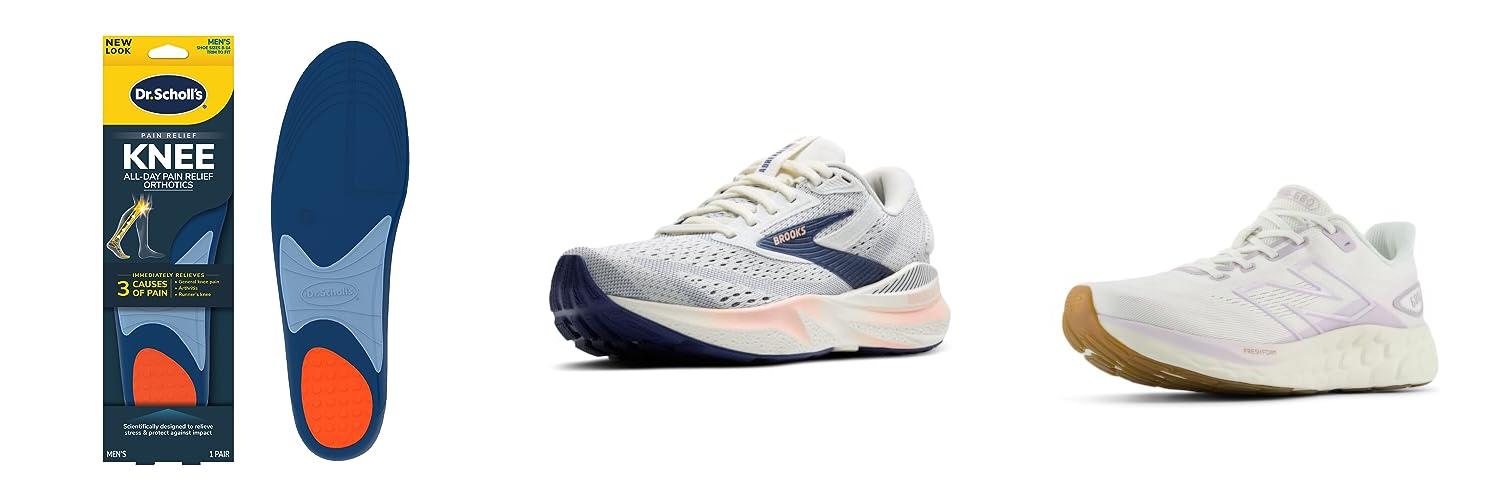
1. Dr. Scholl’s Knee All-Day Pain Relief Orthotics – Insoles for Immediate and All-Day Knee Pain Relief Including Pain from Osteoarthritis and Runner’s Knee

Rating: 9.3/10
Tired of knee pain slowing you down? Dr. Scholl’s Knee All-Day Pain Relief Orthotics are here to help! These special insoles are designed to give you immediate and lasting relief from the most common types of knee pain. Whether you suffer from runner’s knee, osteoarthritis, or just general knee aches, these insoles can make a real difference. They work by absorbing the shock that travels up your leg, protecting your knee’s cartilage and meniscus from further strain. You can easily trim them to fit most men’s shoes, sizes 8 to 14, making them a versatile solution for your footwear.
What We Like:
- Clinically proven to relieve runner’s knee, osteoarthritis, and general knee pain.
- Provides immediate and all-day pain relief.
- Helps protect knee cartilage and meniscus from shock and strain.
- Scientifically designed to reduce stress and impact on your knees.
- Absorbs pain-causing shock right at the source.
- Trim to fit for men’s shoe sizes 8-14.
- Can be used in almost any type of shoe.
What Could Be Improved:
- Some users may find the initial break-in period slightly noticeable.
- For very specific or athletic footwear, a custom orthotic might offer more specialized support.
These Dr. Scholl’s orthotics offer a practical and effective way to manage knee pain. Give your knees the support they deserve and get back to enjoying your day.
2. Brooks Women’s Adrenaline GTS 24 Supportive Running Shoe – Grey/Blue Ribbon/Peach – 9.5 Medium

Rating: 9.5/10
The Brooks Women’s Adrenaline GTS 24 in Grey/Blue Ribbon/Peach is a fantastic running shoe designed for comfort and support. Whether you’re a seasoned runner or just starting out, this shoe helps your feet feel good with every step. It even has special features for people with diabetes!
What We Like:
- The new nitrogen-infused cushioning feels super soft and light.
- GuideRails support system helps your feet move naturally and stops them from rolling too much.
- The breathable mesh upper keeps your feet cool and comfortable.
- It’s a certified diabetic shoe and has the APMA Seal of Acceptance, meaning it’s good for your feet.
- Transitions from your heel to your toes are really smooth, making runs feel easier.
What Could Be Improved:
- Some runners might prefer a firmer feel for their shoes.
- The bright color combination might not be for everyone.
Overall, the Adrenaline GTS 24 offers amazing comfort and support for your runs. It’s a great choice for anyone looking for a reliable and cushioned running shoe.
3. New Balance Women’s Fresh Foam 680 V8 Running Shoe

Rating: 9.4/10
The New Balance Women’s Fresh Foam 680 V8 Running Shoe in Sea Salt/Taro, size 10 M, offers a blend of comfort and performance for your runs. This shoe is designed to make your miles feel smoother and lighter, thanks to its innovative cushioning and thoughtful construction.
What We Like:
- The Fresh Foam midsole provides ultra-cushioned and lightweight comfort. It uses about 3% bio-based content, which comes from renewable resources, helping to lower our impact on the planet.
- The engineered knit upper feels super comfortable and lets your feet breathe where they need it most.
- You get extra comfort under your feet with the integrated rubber outsole.
- The upper has no-sew construction, giving it a smooth look and feel.
What Could Be Improved:
- The 8 mm drop is approximate and can vary slightly due to manufacturing.
Overall, the Fresh Foam 680 V8 is a solid choice for runners looking for a comfortable and eco-conscious option. You’ll enjoy a smooth ride with every step.
4. Women’s Orthopedic Walking Shoes: Stylish Arch Support Orthotic Flat Feet Plantar Fasciitis Heel Spur Running Shoes

Rating: 9.1/10
Step into comfort and style with these Women’s Orthopedic Walking Shoes in a lovely light green, size 8. They’re designed to help your feet feel great, whether you’re on a trail or just out and about. These shoes offer fantastic support and a roomy fit for happy feet all day long.
What We Like:
- Excellent arch support helps relieve pain from conditions like plantar fasciitis.
- A spacious toe area gives your toes plenty of room to spread out naturally, preventing pinching.
- The cushioned outsole provides great shock absorption and a non-slip grip on different surfaces.
- Advanced airflow keeps your feet cool and dry, fighting off moisture and odor.
- They are super versatile, perfect for running, hiking, casual walks, or just everyday errands.
What Could Be Improved:
- While stylish, the light green color might not match every outfit.
- The “running shoe” aspect might be better suited for light jogs rather than intense marathon training.
These shoes are a wonderful choice for anyone seeking relief and comfort in their footwear. They combine practical support with a design that keeps you moving comfortably through all your adventures.
5. Brooks Men’s Adrenaline GTS 24 Supportive Running Shoe – Black/Black/Ebony – 12 Medium

Rating: 8.9/10
Lace up the Brooks Men’s Adrenaline GTS 24 in Black/Black/Ebony and experience a new level of running comfort. This shoe is built to support your feet, mile after mile. It’s even recognized as a diabetic-friendly shoe and has the APMA Seal of Acceptance.
What We Like:
- The GuideRails support system helps your body move naturally and prevents extra wobbling.
- Nitrogen-infused DNA Loft v3 cushioning makes each step feel light and soft.
- The engineered air mesh upper fits comfortably and lets your feet breathe.
- New outsole and midsole designs create smooth transitions as you run.
- It’s a certified diabetic shoe with the APMA Seal of Acceptance.
What Could Be Improved:
- For runners who prefer a very firm shoe, the cushioning might feel a little too soft.
- The all-black color might not appeal to everyone looking for a brighter running shoe.
The Adrenaline GTS 24 offers fantastic support and plush comfort for your runs. You’ll find yourself wanting to hit the pavement more often with these on your feet.
Finding the Right Running Shoes for Knee Pain: Your Ultimate Buying Guide
Running is a fantastic way to stay fit and feel great. But sometimes, knee pain can get in the way. The good news is that the right running shoes can make a big difference! This guide will help you pick the best shoes to keep your knees happy while you hit the pavement.
1. Key Features to Look For
When you’re shopping for running shoes to help with knee pain, focus on these important features:
- Cushioning: This is super important. Good cushioning acts like a shock absorber for your knees. Look for shoes with plenty of soft material in the midsole. This material helps to soak up the impact when your foot hits the ground.
- Support/Stability: Some runners need extra support to keep their feet from rolling inward too much. This is called pronation. Shoes designed for stability have features that guide your foot and prevent it from collapsing. This can reduce stress on your knees.
- Fit: A shoe that fits well is crucial. It shouldn’t be too tight or too loose. Your toes should have enough room to wiggle. A good fit prevents your foot from sliding around inside the shoe, which can cause problems.
- Heel Counter: This is the stiff part at the back of the shoe that cups your heel. A good heel counter keeps your heel in place and provides stability. This helps your whole leg move smoothly.
- Flexibility: While you want support, the shoe should also bend naturally with your foot. Look for shoes that flex at the ball of your foot. This allows for a smooth transition from landing to pushing off.
2. Important Materials
The materials used in running shoes play a big role in how they feel and perform:
- Midsole Materials: These are the heart of the cushioning.
- EVA (Ethylene Vinyl Acetate): This is a common and lightweight foam. It offers good cushioning and shock absorption. Many shoes use EVA because it’s affordable and effective.
- PU (Polyurethane): This foam is denser and more durable than EVA. It provides firmer cushioning and can last longer. Some shoes use PU for added support.
- Proprietary Foams: Many brands have their own special foam blends. These are often designed to be extra soft, responsive, or durable. Examples include Nike’s ZoomX or Brooks’ DNA LOFT.
- Outsole Materials: This is the part that touches the ground.
- Rubber: Different types of rubber are used for grip and durability. Carbon rubber is usually harder and more durable. Blown rubber is softer and offers more cushioning.
- Upper Materials: This is the fabric part of the shoe.
- Mesh: Most running shoes use mesh uppers. They are breathable, which keeps your feet cool and dry. This prevents blisters and discomfort.
- Engineered Knit: Some shoes use knit materials. These can offer a snug, sock-like fit and good flexibility.
3. Factors That Improve or Reduce Quality
Several things affect the quality of running shoes for knee pain:
- Brand Reputation and Reviews: Well-known running shoe brands often invest a lot in research and development. Reading reviews from other runners, especially those who also deal with knee pain, can be very helpful.
- Shoe Construction: How the shoe is put together matters. Good stitching and strong adhesives ensure the shoe holds up over time. A well-built shoe will maintain its cushioning and support.
- Wear and Tear: Running shoes don’t last forever. Over time, the cushioning breaks down. This means the shoe can no longer absorb shock effectively. It’s important to replace your shoes every 300-500 miles, or when they start to feel flat.
- Improper Fit: A shoe that is too small, too big, or the wrong shape for your foot can actually worsen knee pain. It forces your foot into an unnatural position.
4. User Experience and Use Cases
How you use your shoes and what you experience matters:
- Everyday Running: For regular runs on pavement or treadmills, shoes with excellent cushioning and good support are ideal. They will protect your knees from the repetitive impact.
- Trail Running: If you run on dirt paths or uneven terrain, you’ll need shoes with more grip and protection. Look for durable outsoles and sturdy uppers that can handle rough surfaces.
- Long Distances: For marathons or long training runs, maximum cushioning is your best friend. Shoes with plush midsoles will help reduce fatigue and knee stress over many miles.
- Beginners: If you’re new to running or experiencing pain, start with a well-cushioned, neutral shoe. As you get more comfortable, you can explore stability options if needed.
- Specific Knee Issues: If you have a specific knee condition, like patellofemoral pain syndrome, you might benefit from shoes that offer extra stability or a specific type of cushioning. Consulting a doctor or physical therapist can give you personalized advice.
Frequently Asked Questions About Running Shoes and Knee Pain
Q: What kind of running shoe is best for knee pain?
A: The best running shoe for knee pain usually has plenty of cushioning to absorb shock and good support to keep your foot stable. Shoes designed for “neutral runners” or “stability runners” are common choices.
Q: Do I need special shoes if my knee pain is on the inside or outside?
A: Sometimes, knee pain on the inside or outside can be related to how your foot rolls (pronation). Shoes with “stability” features can help guide your foot and might reduce this type of pain. It’s good to get your gait analyzed at a running store.
Q: How much cushioning is enough?
A: “Enough” cushioning is what feels comfortable and protective to you. Generally, shoes with thicker midsoles offer more cushioning. Try on different shoes to see what feels softest and most supportive under your heel and forefoot.
Q: Can running shoes fix my knee pain completely?
A: Running shoes can significantly help reduce knee pain by providing better shock absorption and support. However, they might not fix the problem entirely on their own. Other things like stretching, strengthening exercises, and proper running form also play a big role.
Q: How often should I replace my running shoes if I have knee pain?
A: You should replace your running shoes every 300 to 500 miles, or when you notice the cushioning feels less effective. Worn-out shoes lose their ability to protect your knees.
Q: Should I buy shoes with a lot of arch support?
A: If you have high arches, you might need shoes that offer more cushioning. If you have flat feet, you might need shoes with more stability. A running store can help you figure out your arch type.
Q: Is it better to have flexible or stiff running shoes for knee pain?
A: A good running shoe should be flexible at the ball of your foot but offer some stiffness in the midfoot for support. Too much flexibility can sometimes mean less support, and too much stiffness can hinder natural movement.
Q: What is “pronation” and how does it affect knee pain?
A: Pronation is the natural inward rolling of your foot when you run. Overpronation (rolling too much) or supination (rolling outward too much) can put extra stress on your knees. Stability shoes help control excessive pronation.
Q: Can I wear my old running shoes for short runs if they are worn out?
A: It’s generally not recommended. Even for short runs, worn-out shoes don’t provide the necessary cushioning and support, which can lead to increased knee pain or injury.
Q: What’s the difference between a “neutral” and a “stability” running shoe?
A: Neutral shoes are for runners with a normal foot strike and pronation. Stability shoes have features to help control the foot’s inward roll, which is beneficial for runners who overpronate and may experience knee pain because of it.
In conclusion, every product has unique features and benefits. We hope this review helps you decide if it meets your needs. An informed choice ensures the best experience.
If you have any questions or feedback, please share them in the comments. Your input helps everyone. Thank you for reading.