
When you buy fabric by the yard, how wide is it? Fabric by the yard typically comes in widths ranging from 44 inches to 60 inches, with 44-45 inches being a very common width for quilting cottons and 54-60 inches often seen for home décor fabrics.
Let’s dive deeper into the world of fabric dimensions. Buying fabric can sometimes feel like deciphering a secret code. You know you need a certain amount, but what about the other crucial dimension – the width? This is where fabric width plays a vital role in your projects, from quilting to sewing garments and upholstering furniture. Knowing the standard fabric width is essential for accurate planning and purchasing.
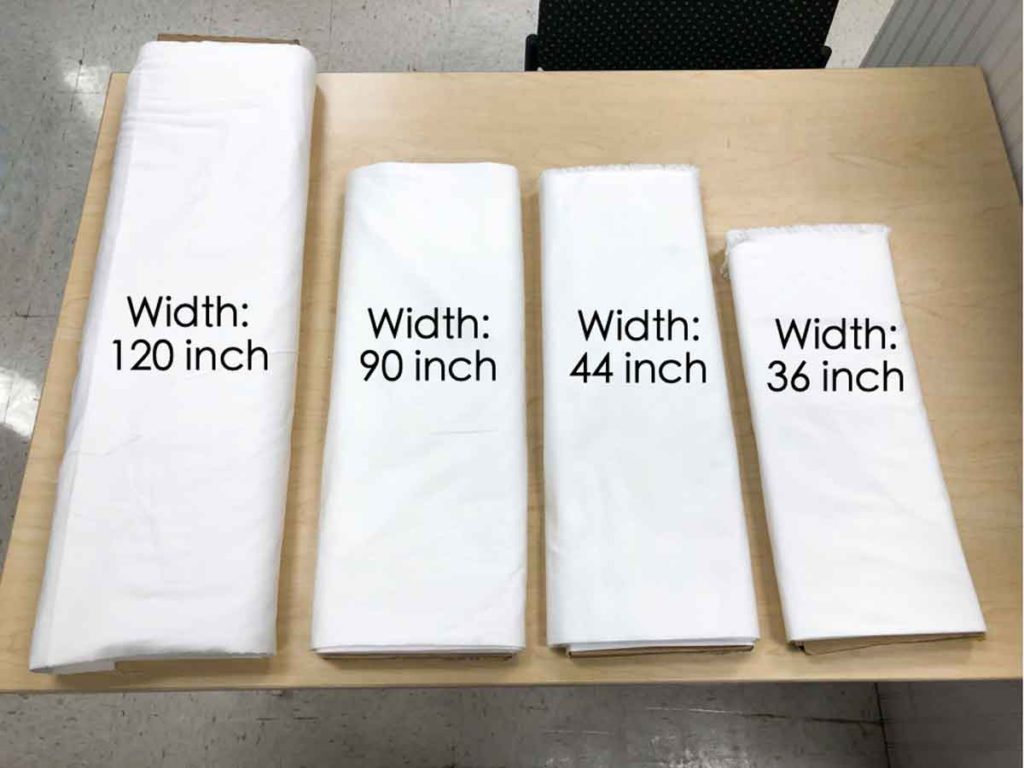
Image Source: mindymakes.com
Deciphering Fabric Dimensions by the Yard
When a fabric is sold “by the yard,” it means you’re purchasing a length of material that is 36 inches long. However, the width of that material can vary significantly. This width isn’t just a minor detail; it directly impacts how much fabric you need for a specific project, how you’ll cut your pattern pieces, and the overall cost. Understanding fabric dimensions by the yard is key to successful fabric shopping.
The Importance of Fabric Width
Why is fabric width so important? Imagine you’re making a dress and your pattern pieces require a certain width to fit comfortably on the fabric without needing extra seams or piecing. If the fabric you bought is too narrow, you might need to buy more yardage than anticipated, or worse, the fabric simply won’t work for your design. Similarly, for upholstery, a wider fabric can mean fewer seams and a cleaner finish on your furniture.
Factors Influencing Fabric Width
Several factors contribute to the typical fabric width you’ll encounter:
- Intended Use: Fabrics designed for specific purposes often have standardized widths. Quilting cottons, for instance, are almost universally 44-45 inches wide. Home décor fabrics, intended for curtains, upholstery, and draperies, tend to be wider, often 54 inches or more, to minimize seams in large applications.
- Weaving Process: The loom used to weave the fabric sets a natural limit on its width. Wider looms can produce wider bolts of fabric, but these are more specialized and can be more expensive.
- Manufacturing Standards: Over time, certain widths have become industry standards for different types of textiles, making them more readily available and cost-effective for both manufacturers and consumers.
Common Fabric Widths: A Closer Look
While there’s no single universal width, several common fabric widths are prevalent in the market. Let’s explore these and what they typically mean for your projects.
Quilting Cotton (44-45 inches)
This is perhaps the most recognized fabric width by the yard. Quilting cottons are a staple for quilters and crafters alike.
- Characteristics: Known for their crispness, ease of cutting, and vibrant prints.
- Applications: Primarily used for quilts, but also popular for quilting-inspired garments, accessories, and light home décor items.
- Planning Tip: When using 44-45 inch wide fabric for quilting, most pattern pieces are designed to fit within this width. However, always double-check your pattern’s specific requirements.
Apparel Fabrics (45 inches, 54 inches, 60 inches)
Fabrics intended for clothing can come in a wider range of widths.
- 45 inches: Often found in lighter-weight cottons, linens, and rayons used for blouses, skirts, and some dresses. Similar to quilting cottons, patterns for these fabrics are usually designed with this width in mind.
- 54 inches: This width is very common for medium-weight to heavier-weight apparel fabrics like denim, corduroy, and knits. It offers a bit more flexibility for wider garments or for using larger pattern pieces.
- 60 inches: These wider fabrics are excellent for garments requiring significant fabric, such as full skirts, wide-leg pants, or flowing dresses. They can also be very efficient for cutting if your pattern pieces can be laid out to take advantage of the extra width, potentially saving you from buying extra yardage.
Home Décor Fabrics (54 inches, 60 inches, and Wider)
For home furnishings, wider fabrics are generally preferred.
- 54 inches: A very popular width for upholstery, curtains, and draperies. It allows for efficient coverage of furniture pieces and larger window treatments.
- 60 inches: Offers even more versatility for home décor projects. Think of large sofa cushions, custom headboards, or lengthy draperies where minimizing seams is desirable.
- Wider Options (e.g., 72 inches, 108 inches): You can also find fabrics specifically made for certain home décor needs, like extra-wide drapery fabric (often called “panel ready” or “railroaded”) or wide cottons for bedspreads. These are less common in general fabric stores but available through specialty suppliers.
The Concept of “Bolt Width Fabric”
When you see fabric on a bolt at the store, the stated width usually refers to the bolt width fabric. This is the raw width of the fabric as it comes off the loom. However, it’s important to note that the usable width might be slightly less due to selvages – the finished edges of the fabric that run along the length of the bolt.
Selvages: What They Are and Why They Matter
Selvages are the tightly woven, finished edges of the fabric that prevent it from unraveling during the weaving process. They are typically about ¼ to ½ inch wide on each side of the fabric.
- Usable Width vs. Bolt Width: If a fabric is listed as 45 inches wide, the actual usable width, excluding the selvages, might be around 43-44 inches. For larger projects where every inch counts, you might need to trim off the selvages.
- Identifying Selvages: Selvages often have different weaving patterns or contain manufacturer information printed on them. It’s generally best practice to cut them off before cutting your pattern pieces, especially for projects where a clean, unhindered edge is important.
Material Width by the Yard: Practical Implications
Knowing the material width by the yard directly influences your project planning and budget.
Calculating Fabric Needs
Your pattern or project instructions will usually specify how much fabric you need based on a particular width.
- Example Scenario: If a pattern calls for 2 yards of 45-inch wide fabric, and you decide to use a 60-inch wide fabric instead, you might be able to get away with less than 2 yards. Conversely, if you only have access to a 44-inch wide fabric for a project that assumes 60 inches, you might need to buy more yardage and adjust your cutting layout.
- Yardage vs. Width: Always consider both the length (yardage) and the width of the fabric when calculating how much to buy. A wider fabric often means you can fit more pattern pieces across its width, reducing the total length you need.
Optimizing Your Cuts
Efficiently using the fabric yardage width can save you money and fabric scraps.
- Layout Planning: Before cutting, lay out your pattern pieces on the fabric to see how they fit. Try different arrangements to find the most economical layout, especially if you’re working with a narrower fabric or have many pieces to cut.
- Grainline: Pay close attention to the grainline indicated on your pattern pieces. This dictates how the pattern piece must be oriented on the fabric, which can affect how you lay out pieces on a wider or narrower width.
Textile Width Measurements: Global Variations
While there are common standards, textile width measurements can sometimes vary slightly due to different manufacturing practices or regional standards.
- US Standards: The US generally uses inches for fabric measurements.
- European Standards: Many European countries use centimeters. It’s useful to be aware of common conversions if you’re sourcing fabrics internationally. For example, 45 inches is approximately 115 cm, and 60 inches is about 150 cm.
Factors Affecting Fabric Width in Production
The bolt width fabric is determined during the manufacturing process, influenced by the equipment and the type of textile being produced.
Loom Technology
The width of the loom directly determines the maximum width of the fabric that can be woven.
- Shuttle Looms: Traditional looms, especially those used for finer textiles or historical reproductions, might have narrower widths.
- Modern Air-Jet or Rapier Looms: These advanced looms can accommodate wider fabric widths, allowing for more efficient production of home décor and apparel fabrics.
Fiber Content and Weave Structure
The type of fiber and how it’s woven can also influence the practicality of producing very wide fabrics.
- Natural Fibers: Cotton and linen are generally easier to weave into wider widths without significant tension issues.
- Synthetics: Some synthetic fibers might require specific weaving conditions that favor certain widths.
- Knit Fabrics: Knits are often produced in a tube or on a wide circular knitting machine, which can result in very wide, seamless fabric that is then split. This is why some knits come in exceptionally wide widths, sometimes exceeding 70 inches.
Fathoming Fabric Width: Tips for Shoppers
To make your fabric shopping experience smoother and more successful, keep these tips in mind regarding fabric width:
Always Check the Width
Don’t assume a fabric is a certain width just because it’s cotton or intended for apparel.
- Product Descriptions: Look for the width specified in the product description online or ask a sales associate in a physical store.
- Labeling: Fabric bolts are usually labeled with their width.
Consider Your Project Needs
Match the fabric width to your project requirements.
- Quilting: 44-45 inches is usually perfect.
- Garments: Consider if you need wider fabric for specific designs or if a narrower width will suffice.
- Home Décor: Wider fabrics (54-60 inches+) are often more practical.
Factor in Selvages
Remember that the stated width is often the bolt width fabric, and you might lose a small amount on each side due to selvages.
- Trimming: Plan to trim selvages before cutting pattern pieces if they will interfere with your layout or the integrity of the cut.
Plan Your Layouts
Before you buy, or at least before you cut, plan how your pattern pieces will fit on the fabric.
- Online Tools: Some sewing software or websites offer fabric layout simulators.
- Graph Paper: You can sketch out your pattern pieces to scale on graph paper and experiment with layouts on paper representing different fabric widths.
Frequently Asked Questions (FAQ)
Here are some common questions about fabric width:
Q1: What is the most common fabric width?
A1: The most common fabric width for quilting cottons is 44-45 inches. For apparel and home décor, 54-60 inches are very prevalent.
Q2: Can I use a wider fabric if my pattern calls for a narrower width?
A2: Yes, you can often use a wider fabric. You may even be able to use less yardage. You’ll just need to adjust your cutting layout to accommodate the extra width and ensure you’re cutting pieces with the correct grainline.
Q3: Do I always need to cut off the selvages?
A3: It’s generally a good idea to cut off selvages. They can sometimes pucker or shrink differently than the main fabric, and they can be a different weave. For most projects, you’ll want to cut your fabric from the raw edge to raw edge, after removing the selvages.
Q4: How does fabric width affect the amount of fabric I need to buy?
A4: A wider fabric allows you to fit more pattern pieces across its width, so you might need to buy less yardage than if you were using a narrower fabric. Conversely, if the fabric is narrower than your pattern expects, you might need to buy more yardage.
Q5: Are there fabrics that come in widths wider than 60 inches?
A5: Yes, particularly for home décor and specialty items. You can find fabrics that are 72 inches, 90 inches, 108 inches, and even wider. These are often used for things like extra-wide curtains, bedspreads, or seamless upholstery.
By paying attention to the material width by the yard and the nuances of textile width measurements, you can confidently tackle any sewing or crafting project, ensuring you have the right amount and the right type of fabric for your creative vision.