
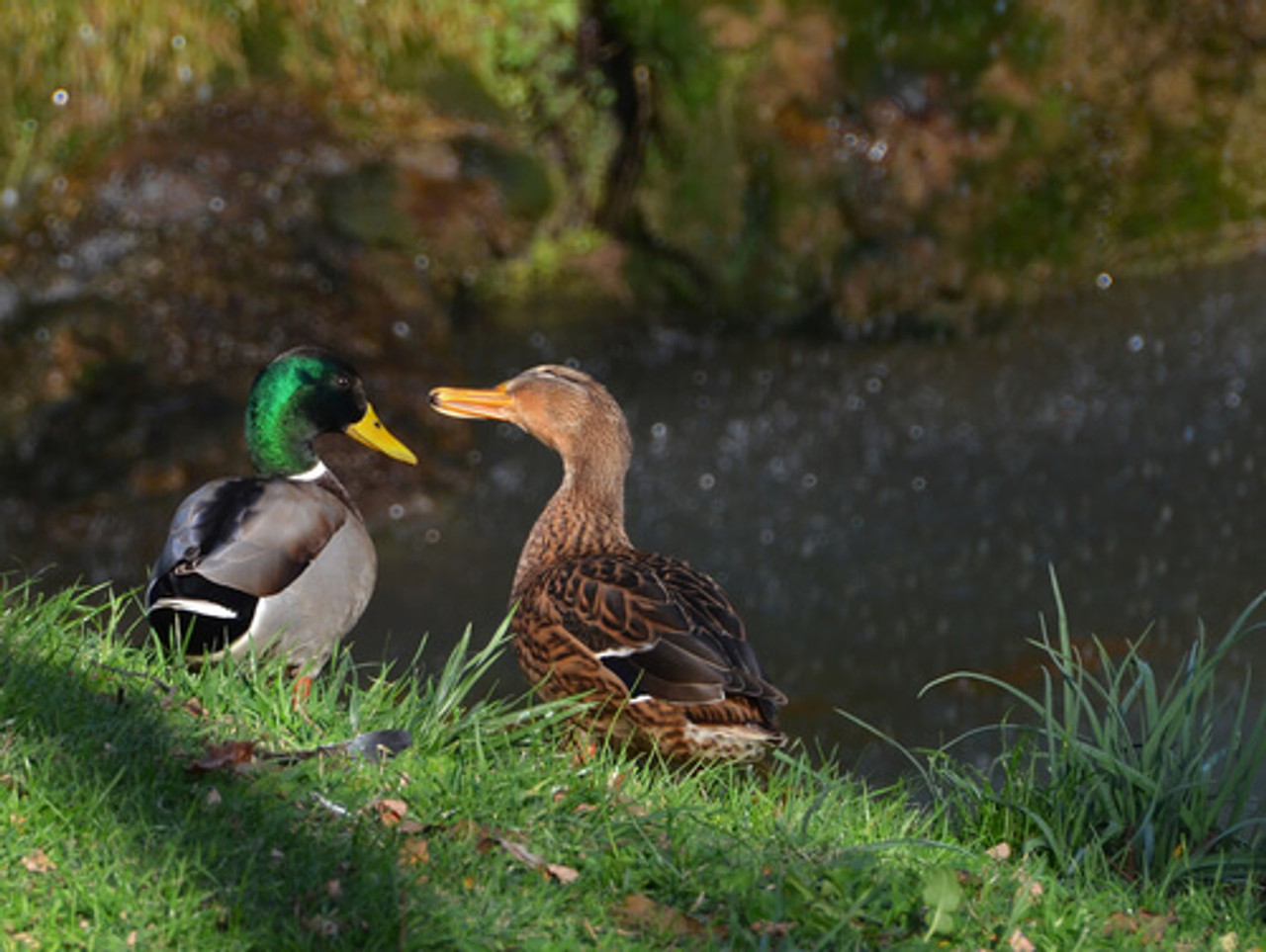
Image Source: cdn11.bigcommerce.com
How To Attract Ducks To Your Yard: Create a Duck Haven
Can you attract ducks to your yard? Yes, you absolutely can! Creating a welcoming environment for ducks involves providing essential elements they need to thrive: food, water, and shelter. What makes a yard attractive to ducks is the presence of these key resources.
Ducks are a wonderful addition to any backyard, bringing life, activity, and a touch of wild beauty. Attracting them isn’t about complex landscaping or expensive setups; it’s about creating a miniature ecosystem that mirrors their natural habitat. This guide will walk you through the steps to transform your yard into a veritable duck haven, a place where these delightful waterfowl will feel safe, comfortable, and eager to visit.
The Core Components: Water, Food, and Safety
To successfully attract ducks, you need to focus on three primary elements: a reliable duck water source, a consistent supply of duck food, and a safe place for ducks to rest and feel secure. Without these, even the most appealing yard will remain unvisited.
The Allure of Water: Your Primary Duck Attractant
Water is, without a doubt, the most significant duck attractant. Ducks spend a considerable portion of their lives in or near water for feeding, grooming, breeding, and escaping predators. A simple bird bath for ducks might offer a temporary drink, but for a truly inviting space, you need more.
Building or Sourcing a Duck Pond
The ultimate duck pond is a game-changer. It provides not just drinking water but also a place for them to swim, preen, and forage.
- Pond Size: Even a small pond can make a difference. A diameter of 3-5 feet and a depth of 1-2 feet is a good starting point. Larger is always better if space and budget allow.
- Liner Options:
- Rubber Pond Liner: Durable and flexible, making it easy to shape the pond.
- Pre-formed Ponds: Rigid, molded plastic or fiberglass containers. Easy to install but offer less design flexibility.
- Edging: Use natural stones, rocks, or aquatic plants to create a gentle slope into the water. This allows ducks to enter and exit easily and provides hiding places.
- Water Quality: Regular maintenance is crucial. Consider a small pump to keep water circulating and prevent stagnation. Partial water changes are also recommended.
- Aquatic Plants: Certain aquatic plants, like water lilies, cattails, and duckweed, are not only beautiful but also provide food and shelter for ducks.
Simpler Water Solutions
If a full pond isn’t feasible, consider these alternatives:
- Large Stock Tanks: Galvanized steel or heavy-duty plastic stock tanks can be partially buried and filled with water. They are durable and easy to clean.
- Children’s Swimming Pools: Inflatable or plastic wading pools can be a temporary solution. Ensure they are large enough for ducks to swim and clean them regularly.
- Multiple Bird Baths: Place several large, shallow bird baths around your yard, ensuring they are kept clean and full.
Providing Duck Food: A Culinary Delight
Once ducks know there’s water, they’ll start looking for food. While ducks are adaptable foragers, supplementing their diet can significantly increase your yard’s appeal.
Natural Foraging Opportunities
Encourage natural food sources by planting specific vegetation:
- Edible Aquatic Plants: Duckweed, water hyacinth, and pondweed are favorites.
- Grasses and Grains: Certain types of grasses and grains that grow near water are also attractive.
- Insects and Small Critters: A healthy pond ecosystem will naturally attract insects, worms, and small aquatic creatures that ducks enjoy.
Supplementing with Duck Feeders
Duck feeders are an excellent way to provide a consistent food source.
- Types of Feeders:
- Hanging Feeders: Keep feed dry and off the ground.
- Trough Feeders: Simple, open containers that ducks can easily access.
- Automatic Feeders: Dispense food at set times, useful if you’re not always home.
- What to Feed:
- Commercial Duck Feed: Available at feed stores, formulated with the right nutrients.
- Grains: Cracked corn, wheat, oats, and barley are popular.
- Greens: Leafy greens like lettuce, spinach, and kale.
- Peas and Corn: Cooked or raw, these are highly sought after.
- Feeding Strategy:
- Consistency: Offer food at the same time each day to establish a routine.
- Quantity: Don’t overfeed. Provide enough for them to eat within 15-20 minutes.
- Location: Place feeders near the water source but not so close that they contaminate the water.
Important Note: Avoid feeding ducks bread. It offers little nutritional value and can lead to health problems.
Creating a Safe Haven: Shelter and Security
Ducks need to feel secure from predators and the elements. Providing a safe place for ducks will encourage them to linger and return.
Shelter from Predators
Predators like cats, dogs, foxes, and birds of prey pose a threat.
- Dense Vegetation: Planting thick shrubs, tall grasses, and bushes around the pond creates natural hiding spots.
- Fencing: A low fence around the pond area can deter some ground predators, but ensure it doesn’t impede duck access.
- Raised Shelters: A simple wooden box or a covered structure near the pond can offer additional protection.
Protection from the Elements
Ducks need shelter from harsh sun, wind, and rain.
- Overhanging Branches: Trees or large shrubs that overhang the water provide shade and protection.
- Thick Reeds and Plants: Tall, dense aquatic plants offer natural cover.
- Sheltered Pond Edges: Areas where the pond is partially screened by vegetation are ideal.
Enhancing Your Duck Habitat: Beyond the Basics
Once you have the core elements in place, you can further enhance your yard to make it even more attractive to waterfowl.
Landscaping for Duck Appeal
The plants you choose play a vital role in creating an inviting duck habitat.
Plant Selection
- Aquatic Plants:
- Duckweed: A floating plant that ducks adore.
- Water Lilies: Provide shade and foraging opportunities.
- Cattails: Offer excellent cover and nesting material.
- Arrowhead: Edible tubers are a food source.
- Marginal Plants (for pond edges):
- Grasses: Tall, swaying grasses offer cover and a natural feel.
- Irises: Beautiful flowers and sturdy foliage.
- Sedges: Similar to grasses, providing cover.
- Ground Cover:
- Clover: A good food source and helps retain moisture.
- Native Wildflowers: Attract insects, which are a food source for ducks.
Designing the Pond Area
- Gentle Slopes: Ensure the edges are not too steep, allowing easy entry and exit.
- Varied Depths: A mix of shallow and deeper areas is beneficial.
- Natural Materials: Use rocks, logs, and plants to create a naturalistic look.
Attracting Specific Duck Species
Different duck species have preferences. Research local waterfowl to tailor your offerings.
- Dabbling Ducks (e.g., Mallards): Prefer shallow water for foraging for seeds, insects, and aquatic plants. They also enjoy open grassy areas.
- Diving Ducks (e.g., Canvasbacks): Prefer deeper water where they can dive for submerged aquatic vegetation and invertebrates.
By providing a variety of water depths and food types, you can attract a wider range of waterfowl to your yard.
Creating Duck Nesting Sites
A truly complete duck haven includes opportunities for nesting. Providing safe duck nesting sites can encourage resident ducks to breed in your yard.
Natural Nesting Opportunities
- Dense Vegetation: Areas of thick, tall grass or reeds near the water are ideal.
- Brush Piles: Carefully constructed brush piles can offer secluded nesting spots.
- Hollow Logs: A hollow log placed near the pond can be a cozy nesting box.
Artificial Nesting Structures
You can also provide artificial nesting sites:
- Nesting Boxes: Similar to birdhouses, these can be made from wood. They should be placed in secluded, safe areas near the water.
- Floating Nesting Rafts: These provide a secure, predator-resistant nesting platform.
Maintaining Your Duck Haven
Keeping your duck-friendly yard clean and healthy is crucial for their well-being and continued visits.
Water Maintenance
- Regular Cleaning: Clean ponds and water sources regularly to prevent algae growth and waterborne diseases.
- Circulation: Use pumps or fountains to keep water moving.
- Water Changes: Partially drain and refill larger water sources periodically.
Food Management
- Avoid Overfeeding: Only provide what ducks can eat in a short period.
- Clean Feeders: Regularly clean feeders to prevent spoilage and disease.
- Predator Protection for Feeders: Secure feeders to prevent rodents or other animals from accessing the food.
Habitat Upkeep
- Pruning: Trim back overgrown vegetation to maintain clear pathways and prevent a cluttered appearance, but leave some dense areas for cover.
- Weeding: Remove invasive plants that could harm native vegetation.
Common Mistakes to Avoid
- Feeding Bread: As mentioned, this is harmful.
- Overcrowding: While you want to attract ducks, don’t create an environment that is too dense or attracts an unhealthy number of birds, which can spread disease.
- Neglecting Water Quality: Stagnant, dirty water is a breeding ground for bacteria.
- Ignoring Predators: Failing to provide adequate shelter will deter ducks.
The Rewards of a Duck Haven
Attracting ducks to your yard is a rewarding experience. You’ll have the pleasure of observing their natural behaviors, their playful antics, and their elegant movements. They can also help with insect control. Creating a duck haven is a way to connect with nature and contribute to local biodiversity.
Frequently Asked Questions (FAQ)
Q1: How long does it take to attract ducks?
A1: It can vary. With a good water source and food, you might see ducks within a few weeks to a few months. Building a reputation as a reliable spot takes time.
Q2: Will ducks become a nuisance?
A2: Generally, no. Ducks are wild animals. If you provide a good habitat, they will visit and use it, but they will also come and go as they please. They are unlikely to become a nuisance unless you overfeed them or allow excessive numbers to congregate.
Q3: What if I have a small yard?
A3: Even a small yard can attract ducks. A large, clean bird bath or a small stock tank can be enough to entice them, especially if it’s in a quiet area.
Q4: Do I need special permission to have a pond for ducks?
A4: Check local regulations. In most residential areas, small decorative ponds are permitted, but it’s always wise to confirm with your local authorities.
Q5: Can I attract ducks in winter?
A5: Yes, ducks can be attracted year-round. In winter, a pond heater can prevent the water from freezing, making it a vital resource. Providing extra grains during cold months is also helpful.
By following these guidelines, you can transform your yard into a welcoming and vibrant duck habitat, a true duck haven that will be a delight for both you and your feathered visitors. Enjoy the process of creating this special duck water source and watching the magic unfold.