
Image Source: oldworldgardenfarms.com
Mastering Your Soil: How To Use Cover Crops In A No Till Garden
What are cover crops and can I use them in a no-till garden? Yes, cover crops are plants grown primarily to benefit the soil, not for harvest. They are a fantastic addition to a no-till garden, offering numerous advantages without the need for tilling.
The journey to a thriving, no-till garden is often paved with a deep respect for the soil beneath our feet. No-till gardening techniques are revolutionary, keeping the soil structure intact and fostering a vibrant ecosystem. But what if we could amplify those benefits even further? Enter cover crops – nature’s unsung heroes for soil improvement. Combining cover crops with no-till practices creates a powerful synergy, leading to healthier, more productive gardens. This guide will explore how to master the art of using cover crops in your no-till haven, unlocking a world of enhanced soil health and robust plant life.
The Magnifying Benefits of Cover Crops
Cover crops are not just pretty additions to your garden; they are workhorses that contribute significantly to overall garden vitality. The benefits of cover crops are manifold and directly align with the core principles of sustainable gardening, especially in a no-till system. They act as living mulches, nutrient providers, and soil structure builders, all while requiring minimal intervention.
- Soil Health Enhancement: This is perhaps the most significant advantage. Cover crops actively improve soil structure by adding organic matter. Their roots create channels, allowing for better water infiltration and aeration. This makes the soil more friable and less prone to compaction, a common concern in any garden.
- Weed Suppression: A thick stand of cover crops acts as a natural blanket, outcompeting weeds for sunlight, water, and nutrients. This significantly reduces the need for manual weeding or chemical herbicides, a cornerstone of weed suppression in organic gardening.
- Erosion Control: Bare soil is vulnerable to wind and water erosion. Cover crops provide a protective canopy, holding the soil in place and preventing valuable topsoil from being washed or blown away. This is crucial for long-term soil fertility and erosion control.
- Nutrient Management: Certain cover crops, like legumes, are masters of nitrogen fixation. They pull nitrogen from the air and store it in their root nodules, making it available to subsequent crops. This natural fertilization reduces the need for synthetic nitrogen inputs.
- Pest and Disease Management: Some cover crops can deter or trap specific pests and pathogens, breaking pest cycles and promoting beneficial insects. They can also help break up disease cycles by providing a non-host plant between cash crops.
- Moisture Retention: The dense root systems and the mulch layer created by cover crops help retain soil moisture, reducing the frequency of watering, especially during dry spells.
Fathoming the Principles of No-Till Gardening
No-till gardening is more than just avoiding the plow; it’s a philosophy centered on nurturing the soil’s natural processes. The benefits of no-till gardening are profound and create a foundation for truly sustainable food production. By minimizing soil disturbance, we protect the intricate network of soil organisms, preserve soil structure, and build fertility over time.
- Preserves Soil Structure: Tilling breaks up soil aggregates, the tiny clumps that create pore spaces for air and water. No-till gardening leaves these aggregates intact, leading to better drainage, aeration, and root penetration.
- Builds Soil Organic Matter: When plant residues are left on the surface to decompose, they gradually add organic matter to the top layer of the soil. This organic matter is the lifeblood of healthy soil, improving its ability to hold water and nutrients.
- Supports Beneficial Organisms: The soil is teeming with life – earthworms, fungi, bacteria, and other microorganisms. Tilling can disrupt these communities, harming their populations and the vital functions they perform, such as nutrient cycling. No-till gardening provides a stable habitat for these beneficial inhabitants.
- Reduces Soil Compaction: Repeated tilling can lead to the formation of a hardpan layer beneath the surface, making it difficult for roots to grow. No-till practices, especially when combined with cover crops, naturally alleviate compaction.
- Conserves Soil Moisture: The protective layer of mulch or cover crop residue on the soil surface reduces evaporation, helping to keep the soil moist and reducing water stress on plants.
- Saves Time and Energy: Eliminating the need for tilling saves considerable time and physical labor, making gardening more accessible and efficient.
Selecting the Right Cover Crops for Your No-Till Oasis
Choosing the right cover crops is crucial for success. The types of cover crops will depend on your goals, climate, and the time of year you plan to plant them. A thoughtful selection ensures you reap the maximum benefits for your no-till garden.
Cool-Season Cover Crops
These thrive in cooler temperatures and are typically planted in the fall or early spring.
- Winter Rye (Secale cereale): A hardy grain that germinates even in cold soil. It’s excellent for erosion control and weed suppression, producing a large amount of biomass. Its fibrous root system helps improve soil structure. When it’s time to plant your main crops, winter rye can be crimped or mowed down to create a natural mulch.
- Hairy Vetch (Vicia villosa): A nitrogen-fixing legume that is very cold-hardy. It produces abundant biomass and is a fantastic soil builder. It’s often planted with a grass like winter rye to provide support and a more balanced nutrient profile.
- Oats (Avena sativa): A fast-growing annual grain that is excellent for adding organic matter and suppressing weeds. It’s less winter-hardy than rye and will typically winter-kill in colder climates, leaving a useful mulch layer.
- Crimson Clover (Trifolium incarnatum): A beautiful, nitrogen-fixing legume that also attracts beneficial insects. It’s a good choice for adding nitrogen and improving soil tilth. It can be sensitive to very cold temperatures but is generally quite resilient.
- Field Peas (Pisum sativum): Another nitrogen-fixing legume that can be planted in early spring or fall. They are a good source of organic matter and improve soil structure.
Warm-Season Cover Crops
These prefer warmer temperatures and are planted after the danger of frost has passed in spring.
- Sorghum-Sudangrass (Sorghum bicolor × Sorghum sudanense): A vigorous grower that produces a massive amount of biomass, ideal for building organic matter and smothering weeds. Its deep root system helps break up compacted soil. It can also scavenge nutrients from deeper soil layers.
- Buckwheat (Fagopyrum esculentum): A fast-maturing crop that thrives in heat and poor soils. It’s excellent for suppressing weeds, attracting pollinators, and scavenging phosphorus. Buckwheat is usually terminated before it goes to seed to prevent it from becoming a weed itself.
- Cowpeas (Vigna unguiculata): A warm-season legume that fixes nitrogen and tolerates heat and drought well. They are good for improving soil fertility and providing a ground cover.
- Sunn Hemp (Crotalaria juncea): A remarkable nitrogen fixer that can add significant amounts of nitrogen to the soil. It grows rapidly and produces a lot of biomass. It’s also known to help break up soil compaction and suppress nematodes.
Cover Crop Mixes
Often, the most effective approach is to plant a mix of cover crops. This diversity offers a wider range of benefits. For example, a mix of a grass (like rye) and a legume (like vetch) provides both structural improvement and nitrogen fixation.
Planting Cover Crops: A No-Till Approach
The planting cover crops process in a no-till garden requires a slightly different approach than in a conventionally tilled system. The goal is to introduce the seeds without disturbing the soil structure.
Timing is Everything
- Fall Planting: This is a popular time for cover crops as it allows them to establish before winter and provide protection and soil improvement over the colder months. Cool-season crops like winter rye, hairy vetch, and oats are ideal.
- Spring Planting: After the last frost, warm-season cover crops can be planted to quickly add biomass and suppress weeds during the summer months. Buckwheat and cowpeas are good choices.
- Interseeding: In some cases, cover crops can be sown into an existing crop during its growth cycle. This requires careful selection of cover crops that won’t compete aggressively.
Seeding Methods for No-Till
- Broadcasting: Simply scattering the seeds over the soil surface. This is often done before a light rain to help settle the seeds. For better results, especially with larger seeds, you can use a seed spreader.
- Drilling: Using a specialized no-till drill that cuts a narrow furrow into the soil surface and drops the seeds into the furrow. This ensures good seed-to-soil contact and more even germination. While not always feasible for home gardeners, it’s the most efficient method for larger areas.
- Slit Seeding: Similar to drilling, but uses a blade to create a slit in the soil for seed placement.
- Using a Fertilizer Spreader or Broadcast Seeder: These tools can help distribute seeds evenly over the garden bed.
Key Considerations for No-Till Seeding:
- Seed-to-Soil Contact: This is vital for germination. If broadcasting, try to ensure seeds settle into any existing mulch or residue. You can lightly rake the area after broadcasting or walk over it to press seeds into the soil.
- Moisture: Ensure adequate moisture for germination. Watering after seeding can be beneficial, especially if rain is not expected.
- Seed Depth: Follow the recommended seeding depth for each type of cover crop. Too deep, and they won’t germinate; too shallow, and they may dry out.
- Termination Plan: Think about how you will terminate the cover crop before planting your main crops. This might involve mowing, crimping, or waiting for it to winter-kill.
Integrating Cover Crops into Your No-Till Garden’s Cycle
The beauty of cover crops in a no-till system lies in their ability to seamlessly integrate into the garden’s annual rhythm. They are not an afterthought but a fundamental component of crop rotation and soil building.
The “Plant, Grow, Terminate, Plant” Cycle
- Plant Your Cover Crop: Sow your chosen cover crop at the appropriate time of year.
- Let it Grow: Allow the cover crop to establish and grow. The longer it grows (within reason and before it goes to seed), the more benefits it will provide. You’ll witness firsthand the weed suppression and erosion control in action.
- Terminate the Cover Crop: This is a critical step in no-till gardening. The goal is to kill the cover crop without disturbing the soil.
- Crimping/Rolling: Using a roller-crimper (a specialized tool) or a heavy roller to bend and break the stems of the cover crop at its most vulnerable stage (usually during flowering). This creates a thick mulch layer.
- Mowing: Cutting the cover crop low to the ground. This can be done with a string trimmer, scythe, or rotary mower. The residue should be left on the surface.
- Winter-Killing: In colder climates, some cover crops (like oats) will naturally die back with the frost, leaving a beneficial mulch.
- Smothering: Covering the cover crop with tarps or landscape fabric for a few weeks can also kill it and create a decomposition layer.
- Plant Your Main Crops: Once the cover crop is terminated, you can plant your vegetables or flowers directly into the residue layer. This residue acts as a natural mulch, retaining moisture and suppressing weeds. You can use a sharp trowel or a specialized no-till planter for this.
Cover Crops as Part of Crop Rotation
Cover crops are an excellent tool for implementing crop rotation. By planting different cover crops in sequence with your main crops, you can target specific soil needs.
- Legumes (like clover, vetch, peas) followed by heavy feeders (like corn or tomatoes): The legumes fix nitrogen, providing a nutrient boost for the following crops.
- Grasses (like rye, oats) followed by root crops (like carrots or radishes): The grasses improve soil structure, and their fibrous roots can help break up any slight compaction.
This intentional rotation, including cover crops, prevents nutrient depletion and reduces the build-up of soil-borne diseases and pests.
Putting It All Together: A No-Till Garden with Cover Crops
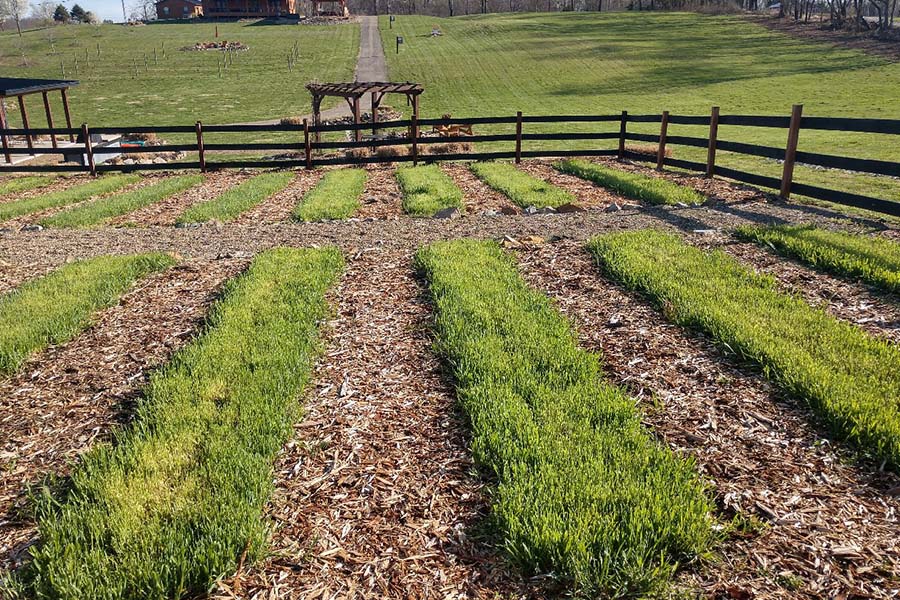
Imagine your garden beds. Instead of being bare and exposed after harvest, they are carpeted with a vibrant green blanket of cover crops. This living mulch is actively working for you, building soil health, preventing erosion control, and preparing the ground for the next planting.
Let’s consider a typical no-till gardening season:
- Late Summer/Early Fall: Harvest your summer vegetables. Immediately sow a cool-season cover crop mix, such as winter rye and hairy vetch. This mix provides excellent nitrogen fixation and biomass.
- Fall and Winter: The cover crop grows, protecting the soil from erosion and suppressing winter weeds. Its roots are improving soil structure and feeding beneficial soil microbes.
- Early Spring: Before planting your spring crops, terminate the cover crop by crimping or mowing it. The residue forms a thick mulch.
- Spring Planting: Plant your spring vegetables (lettuce, peas, radishes) directly into the residue. The mulch helps retain moisture and suppress early weeds.
- Late Spring/Summer: As the cover crop residue breaks down, it releases nutrients into the soil. For your summer planting, you might choose a different cover crop or allow the soil to rest under the mulch layer before planting. If you plant a warm-season cover crop like buckwheat in mid-summer, you can terminate it before sowing your fall crops.
This cyclical approach ensures that your soil is never truly bare, constantly benefiting from the addition of organic matter and improved structure. The benefits of cover crops are amplified within the no-till framework, creating a resilient and fertile garden ecosystem.
Common Cover Crop Challenges and Solutions
While cover crops are incredibly beneficial, there can be a learning curve. Here are some common challenges and how to overcome them in a no-till garden:
- Challenge: Cover crops not germinating well.
- Solution: Ensure good seed-to-soil contact. Broadcast smaller seeds with a spreader. For larger seeds, consider a slit seeder or ensuring you walk over broadcast seeds to press them in. Check your seed viability. Ensure adequate moisture.
- Challenge: Cover crops becoming weeds themselves.
- Solution: Terminate cover crops before they go to seed, especially fast-spreading annuals like some types of clover or buckwheat if not managed carefully. Choose varieties that are known to be less aggressive.
- Challenge: Difficulty terminating tough cover crops.
- Solution: Timing is crucial. Crimp or mow when the plant is in a vulnerable stage (e.g., flowering for many legumes and grasses). Multiple passes with a mower might be needed for very dense stands. Some gardeners use a roller-crimper for the most effective termination of tough crops like rye.
- Challenge: Cover crops competing with early spring crops.
- Solution: Terminate the cover crop a week or two before planting your main crops to give them a head start. Ensure the residue is mowed or crimped as flat as possible.
- Challenge: Pests or diseases affecting cover crops.
- Solution: Diversify your cover crop mixes. This often helps attract beneficial insects that prey on pests. Healthy soil, promoted by cover crops and no-till, generally leads to more resilient plants.
Frequently Asked Questions (FAQ)
Q1: Do I need to remove the cover crop residue before planting?
No, in a no-till garden, the residue is your friend! It acts as a natural mulch, protecting the soil, conserving moisture, and suppressing weeds. You plant directly into or through the residue.
Q2: How much cover crop seed do I need?
Seeding rates vary depending on the type of cover crop and the desired density. Always check the seed packet or reliable gardening resources for specific recommendations. A general guideline for broadcasting is to use slightly more seed than for drilling to account for less precise placement.
Q3: Can I use cover crops in small garden beds?
Absolutely! Cover crops are highly beneficial for small garden plots. They can be sown in dedicated beds for a season or inter-planted. You can use smaller quantities of seed and hand-broadcast them.
Q4: What is the best cover crop for my region?
The best cover crop depends on your climate (average temperatures, rainfall), soil type, and your specific gardening goals (e.g., nitrogen fixation, weed suppression, soil structure improvement). Research local recommendations for your area.
Q5: How do I terminate a cover crop without tilling?
The most common no-till termination methods include crimping (using a roller-crimper or heavy roller), mowing (with a string trimmer, scythe, or mower), or allowing the plant to winter-kill in colder climates. Smothering with tarps is another option.
Q6: Can cover crops improve soil drainage?
Yes, many cover crops, especially those with deep taproots or dense fibrous root systems, can help break up compacted soil layers and improve drainage and aeration.
Mastering your soil with cover crops in a no-till garden is a journey of continuous improvement. By embracing these practices, you’re not just growing plants; you’re nurturing a living ecosystem that will reward you with healthier soil, fewer weeds, and more bountiful harvests for years to come. Happy gardening!