
What is the best way to treat ants in my lawn? The most effective way to treat ants in your lawn is through a multi-pronged approach that combines preventative measures with targeted treatments, prioritizing natural and DIY solutions for a healthier yard and environment.
Ants in your lawn can be a nuisance. They can disrupt the aesthetic appeal of your grass, create unsightly mounds, and even damage plant roots. While some ants are beneficial by aerating the soil, large infestations can signal a problem. Fortunately, you don’t always need harsh chemicals to achieve effective ant removal. This guide will delve into natural and DIY solutions to manage ants in your yard, ensuring your lawn remains healthy and ant-free. We’ll explore various methods for treating ants in lawns, from simple deterrents to more potent natural killers.
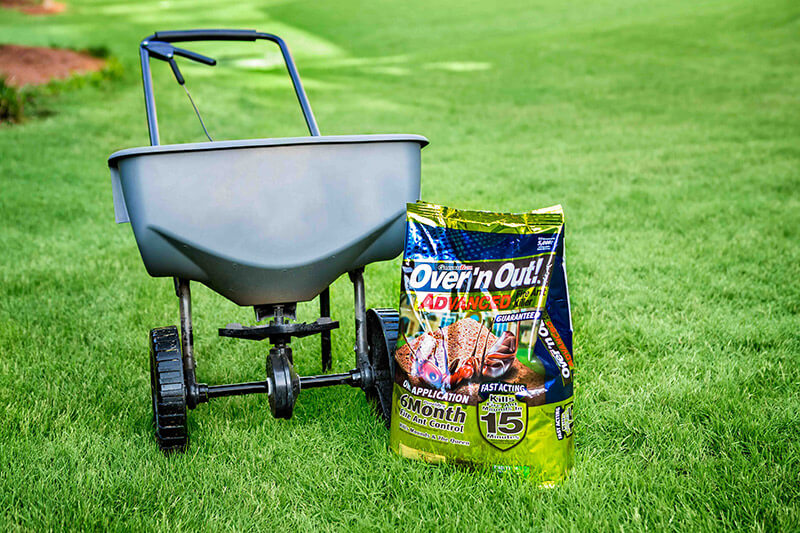
Image Source: www.gardentech.com
Identifying Ant Problems in Your Yard
Before you can effectively treat ants, you need to identify the problem. Look for common signs of ant activity:
- Ant Trails: Visible lines of ants marching from their nest to a food or water source.
- Ant Mounds: Small piles of soil or debris that mark the entrance to an ant nest. These can vary in size and appearance depending on the ant species.
- Damage to Plants: Some ants feed on plant juices or protect aphids, which can weaken or damage your lawn and garden plants.
- Presence of Other Pests: Ants are often attracted to other insects, like aphids, scale insects, or mealybugs, which they “farm” for their sweet honeydew.
Natural Ant Killer Solutions: Harnessing Nature’s Power
When it comes to tackling ants, nature often provides the most effective and safest solutions. These methods focus on disrupting ant colonies without posing a risk to children, pets, or the environment.
Diatomaceous Earth Ants: A Natural Abrasive
Diatomaceous earth (DE) is a natural powder made from fossilized aquatic organisms called diatoms. When used for pest control, it’s crucial to use food-grade DE, not the type used for swimming pool filters.
How it works: The microscopic sharp edges of the DE particles scratch the outer shells of ants, causing them to dehydrate and die. It’s a mechanical killer, not a chemical one.
Application:
- Apply around ant mounds: Sprinkle a fine layer of food-grade diatomaceous earth around the base of ant mounds and along ant trails.
- Create barriers: Apply DE around the perimeter of your lawn or garden beds to create a protective barrier.
- Reapply after rain: DE loses its effectiveness when wet, so reapplication is necessary after rainfall or heavy dew.
Caution: While safe for humans and pets once applied, inhaling DE dust can be irritating to the lungs. Wear a mask during application.
Boric Acid for Ants: A Classic Remedy
Boric acid is a naturally occurring compound that can be an effective ant killer when used correctly. It acts as a stomach poison for ants.
How it works: Ants are attracted to boric acid when mixed with a sweet bait. When they consume it, it interferes with their digestive system, ultimately leading to their demise. It can also damage their exoskeletons.
DIY Boric Acid Bait:
- Mix ingredients: Combine 1 part boric acid with 3 parts sugar (granulated sugar or powdered sugar works well) and 1 part warm water.
- Stir well: Ensure the boric acid is fully dissolved.
- Soak bait: Soak cotton balls, small pieces of cardboard, or sponges in the mixture.
- Placement: Place these soaked items in shallow containers (like bottle caps) near ant trails and mounds, but out of reach of pets and children.
Important Considerations for Boric Acid:
- Concentration: Use a low concentration of boric acid (around 2-5%). Higher concentrations can deter ants from consuming the bait.
- Patience: Boric acid bait works slowly, as ants need time to consume it and take it back to the colony.
- Safety: Boric acid can be toxic if ingested in large quantities. Keep it away from pets and children.
Essential Oils: Natural Deterrents
Certain essential oils have properties that repel ants. While they might not eradicate an entire colony, they can be effective in deterring ants from certain areas.
Effective Essential Oils:
- Peppermint Oil: Ants dislike the strong scent of peppermint.
- Tea Tree Oil: Possesses insecticidal properties.
- Cinnamon Oil: Another strong scent that ants tend to avoid.
- Lemon Oil: The acidity and strong citrus scent can disrupt ant trails.
Application:
- Spray: Mix 10-20 drops of essential oil with 1 cup of water and a few drops of dish soap in a spray bottle. Shake well and spray directly on ant trails and entry points.
- Cotton Balls: Soak cotton balls in essential oils and place them strategically around your home and lawn edges.
Vinegar: Disrupting Scent Trails
Vinegar is a readily available household item that can be a surprisingly effective natural ant killer.
How it works: Ants rely heavily on scent trails to navigate. Vinegar (especially white vinegar) has a strong smell that can disrupt these trails, confusing the ants and making it difficult for them to find their way.
Application:
- Spray: Mix equal parts white vinegar and water in a spray bottle. Spray directly onto ant trails and any visible ants.
- Wipe Down: Use a vinegar-water solution to wipe down surfaces where you see ant activity.
Boiling Water: For Direct Mound Treatment
For stubborn ant mounds, a direct application of boiling water can be effective, though it’s a more aggressive approach and can also harm grass and plants immediately around the mound.
Application:
- Pour Carefully: Slowly pour a pot of boiling water directly into the center of an active ant mound.
- Repeat if Necessary: You may need to repeat this process for a few days to significantly impact the colony.
Caution: Use extreme care when handling boiling water to avoid burns. This method is best suited for areas where you don’t have delicate plants.
DIY Ant Control: Building Your Own Solutions
Creating your own DIY ant control methods allows for customization and cost-effectiveness.
The Sugar and Baking Soda Mix
Baking soda is a common household ingredient that can be surprisingly effective against ants.
How it works: When ants consume a mixture of baking soda and sugar, the baking soda reacts with their digestive acids, producing gas. This gas can rupture their internal organs, leading to death.
DIY Recipe:
- Combine: Mix equal parts granulated sugar and baking soda.
- Placement: Sprinkle this mixture directly into ant mounds or along their trails. Ants will be attracted to the sugar and consume the baking soda.
Tips for Success:
- Freshness: Use fresh baking soda for maximum effectiveness.
- Targeted Application: Place the bait close to where you see the most ant activity.
Cornmeal: An Unproven but Popular Method
Some sources suggest that cornmeal can be effective as a natural ant killer. The theory is that ants consume cornmeal, but cannot digest it properly, leading to their demise. However, scientific evidence supporting this method is limited.
Application (if you wish to try):
- Sprinkle: Sprinkle cornmeal around ant mounds and trails.
Yeast and Sugar Bait
Similar to the baking soda method, yeast can be used in conjunction with sugar to create an ant bait.
How it works: Yeast ferments when it consumes sugar, producing gases that may be harmful to ants.
DIY Recipe:
- Mix: Combine 1 part sugar with 1 part active dry yeast and a small amount of water to create a paste.
- Bait: Place small amounts of this paste in areas with ant activity.
Commercial Ant Spray for Lawns: Targeted Treatments
While natural methods are preferred, sometimes a more direct approach is needed. When selecting an ant spray for lawns, look for products specifically designed for outdoor use and consider those with lower toxicity profiles or microbial agents.
Types of Lawn Ant Sprays:
- Residual Sprays: These provide long-lasting protection by killing ants that come into contact with treated areas.
- Contact Sprays: These kill ants on contact but offer little residual effect.
- Granular Treatments: Applied to the lawn, these release active ingredients over time, creating a protective barrier.
Using Ant Bait Stations Safely
Ant bait stations are an excellent way to target ant colonies directly and safely. These stations contain a slow-acting poison mixed with an attractant.
How they work: Worker ants are drawn to the bait, consume it, and carry it back to the nest to share with the colony, including the queen. This ensures the entire colony is affected.
Placement and Usage:
- Strategic Locations: Place bait stations along ant trails, near nests, and at common entry points to your lawn.
- Read Labels: Always follow the instructions on the bait station packaging.
- Keep Away from Children and Pets: Ensure bait stations are placed in areas inaccessible to children and pets.
- Patience is Key: Ant bait stations can take several days or even weeks to show significant results, as the poison needs to spread through the colony.
Preventing Ants in Your Yard: Long-Term Strategies
The best way to deal with ants is to prevent them from establishing themselves in your lawn in the first place. Preventing ants in yard involves creating an environment that is less attractive to them.
Eliminate Food and Water Sources
Ants are always looking for sustenance. Removing their food and water sources is crucial.
- Cleanliness: Regularly clean up spills, crumbs, and pet food left outdoors.
- Trash Management: Keep outdoor trash cans sealed and clean them regularly.
- Water Leaks: Fix leaky outdoor faucets or irrigation systems that create standing water.
- Pet Food Bowls: Don’t leave pet food or water bowls out overnight.
Manage Other Pests
Ants often feed on or protect other insects like aphids, scale insects, and mealybugs. By controlling these pests, you can reduce the food supply for ants.
- Beneficial Insects: Encourage beneficial insects like ladybugs and lacewings that prey on aphids.
- Natural Sprays: Use insecticidal soaps or neem oil to control aphid infestations.
Maintain a Healthy Lawn
A healthy, dense lawn is less inviting to ants.
- Proper Mowing: Mow your grass at the correct height to promote deep root growth.
- Adequate Watering: Water your lawn deeply and infrequently to encourage strong roots.
- Fertilization: Fertilize your lawn appropriately to keep the grass healthy and robust.
Natural Barriers
Creating physical barriers can deter ants from entering specific areas of your lawn.
- Sand: A strip of sand can be difficult for ants to cross.
- Chalk or Cinnamon: Ants dislike crossing chalk lines or cinnamon powder. While these are more effective for indoor ant control, they can offer temporary outdoor deterrence.
Addressing Moisture Issues
Ants are attracted to moisture.
- Drainage: Ensure your lawn has good drainage to prevent waterlogging.
- Mulch: Avoid piling mulch too high against your home’s foundation, as it can retain moisture and attract ants.
When to Consider Professional Lawn Pest Control
While natural and DIY methods are effective for many ant issues, some situations may warrant the help of professional lawn pest control.
Signs it’s Time for Professional Help:
- Large, Persistent Infestations: If your ant problem is widespread and doesn’t improve with your efforts.
- Identification of Harmful Species: Some ant species, like fire ants or carpenter ants, can cause significant damage to property or pose a health risk. Professionals can accurately identify these species and implement targeted treatments.
- Lack of Success with DIY Methods: If you’ve tried multiple safe ant treatments and natural methods without seeing significant improvement.
- Complex Nest Structures: For very large or deeply entrenched colonies, professional equipment and expertise may be necessary for effective ant removal.
Professionals can offer tailored solutions, including targeted pesticide applications if necessary, and can often provide guarantees on their work.
Frequently Asked Questions About Lawn Ants
Here are some common questions about treating ants in your lawn:
Q1: Will peppermint oil kill ants?
A1: Peppermint oil is primarily a repellent for ants. It can deter them from areas where it’s applied, but it’s unlikely to kill an entire colony on its own. It works by disrupting their scent trails and making the area unpleasant for them.
Q2: Is diatomaceous earth safe for my pets?
A2: Food-grade diatomaceous earth is generally considered safe for pets when used as directed. However, it’s important to avoid inhalation of the dust during application, as it can be irritating to the lungs for both pets and humans. Once applied, it poses little risk.
Q3: How long does it take for boric acid bait to work?
A3: Boric acid bait works slowly. It can take anywhere from a few days to a couple of weeks to see a significant reduction in ant activity. This is because the ants need to consume the bait, carry it back to the colony, and share it with other ants, including the queen.
Q4: Can I use ant spray indoors on my lawn furniture?
A4: It’s generally not recommended to use ant sprays designed for lawns on indoor furniture. Lawn sprays may contain chemicals that are too strong for indoor use or could damage furniture finishes. Use indoor-specific ant sprays or baits for furniture.
Q5: What are the best natural ways to prevent ants in my yard?
A5: The best natural prevention methods include keeping your yard clean by removing food and water sources, managing other insect pests that ants feed on, maintaining a healthy and dense lawn, and creating natural barriers like sand or essential oil deterrents.
By employing a combination of natural deterrents, targeted baits, and proactive yard maintenance, you can effectively manage ants in your lawn and enjoy a healthier, more aesthetically pleasing outdoor space. Remember that consistency and patience are key when dealing with ant infestations.