
Can you keep geese from pooping in your yard? Yes, you can significantly reduce or eliminate goose droppings from your yard by implementing a combination of deterrents and management strategies.
Geese love well-maintained lawns. They find them to be excellent dining spots and safe havens. Unfortunately, this often means your beautiful lawn becomes a target for their persistent grazing and, more notably, their frequent and copious droppings. Dealing with goose poop can be frustrating, messy, and even unsanitary. Fortunately, there are many effective ways to tackle this common problem and reclaim your yard. This comprehensive guide will explore various methods for yard goose control and how to stop geese from pooping in yard, ensuring you can prevent goose droppings and enjoy a cleaner outdoor space.
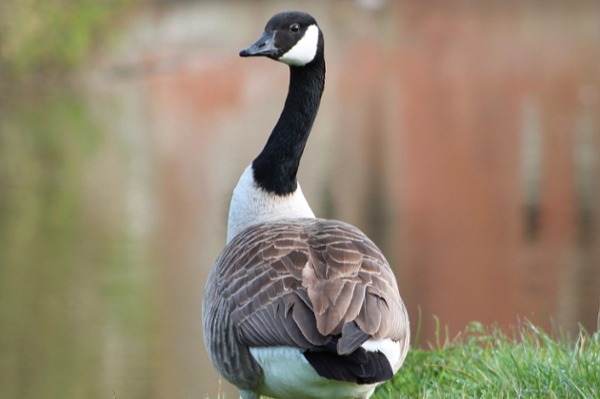
Image Source: blog.birdbarrier.com
Why Geese Choose Your Yard
Before diving into solutions, it’s helpful to grasp why geese are attracted to your property in the first place.
- Abundant Food Source: Short, well-watered grass is a goose’s favorite meal. Your manicured lawn provides easy access to nutritious vegetation.
- Water Access: Proximity to ponds, lakes, or even swimming pools can make your yard particularly appealing. Geese need water for safety, bathing, and mating.
- Safety and Shelter: Open, flat areas with good visibility offer geese a sense of security from predators. They feel safe in your yard, especially if it’s free from disturbances.
- Nesting Sites: During nesting season, geese might find secluded spots in your yard to lay their eggs.
Effective Goose Deterrents: Your First Line of Defense
When considering how to stop geese from pooping in yard, the most effective approach involves utilizing various goose deterrents. These methods aim to make your yard less attractive or uncomfortable for geese, encouraging them to move elsewhere.
Physical Barriers: Creating an Uninviting Landscape
Sometimes, the simplest solutions are the most effective. Physical barriers can physically block geese from accessing your lawn or certain areas.
- Fencing: A well-placed fence can be a strong deterrent. For geese, the ideal fence height is at least 3 feet. The material matters; solid fencing can be discouraging, but gaps that allow them to see through might still invite them. Woven wire or mesh fencing that is taut and difficult to navigate can also work. Consider fencing off areas near water sources or your main lawn.
- Netting: Strategically placed netting over vulnerable areas, especially during nesting season or if you have a particularly attractive food source like a vegetable garden, can prevent geese from landing or feeding. This requires careful installation to be effective and avoid entanglement hazards for other wildlife.
- Floating Barriers: If your property borders a pond or lake, floating barriers like specially designed ropes or inflatable devices can discourage geese from coming ashore.
Visual Deterrents: Tricking the Flock
Geese are wary creatures. You can exploit this by using visual cues that signal danger or presence of predators.
- Scarecrows and Reflective Objects: While traditional scarecrows might offer temporary relief, their effectiveness often diminishes as geese get accustomed to them. However, moving objects that create flashing lights or reflections can be more effective. Mylar balloons, reflective tape, or even old CDs hung from trees or stakes can startle geese and make them think twice about lingering.
- Predator Decoys: Decoys that mimic natural predators like coyotes or owls can be a powerful visual deterrent. The key is to move these decoys regularly. If they remain in one place for too long, geese will recognize them as non-threatening and ignore them. Some advanced decoys even have motion sensors.
- Flags and Kites: Large, brightly colored flags or predator-shaped kites that move in the wind can create a sense of unease for geese. Again, rotating their placement is crucial for continued effectiveness.
Auditory Deterrents: Making Noise to Keep Them Away
Sound can be a powerful tool to make your yard an unwelcome place for geese.
- Sonic Goose Repellers: These devices emit high-frequency sounds that are unpleasant to geese but often inaudible or unnoticeable to humans. They can be highly effective, especially in larger areas. However, it’s important to choose models that emit a variety of sounds and to move them periodically to prevent habituation.
- Distress Calls and Predator Sounds: Some sonic repellers are designed to play the sounds of distressed geese or their natural predators. These sounds trigger a flight response in geese, signaling danger.
- Noise Makers: While less sophisticated, things like banging pots and pans, or even motion-activated alarms, can temporarily startle geese away. However, this is a short-term solution and not practical for constant deterrence.
Olfactory Deterrents: Smells Geese Dislike
Geese rely on their sense of smell to some extent, and certain scents can be off-putting.
- Natural Goose Repellents: Many homeowners opt for natural goose repellents to avoid harsh chemicals. Some common natural repellents include:
- Vinegar: A diluted vinegar solution sprayed around the perimeter of your lawn can deter geese.
- Essential Oils: Certain essential oils, like peppermint, cinnamon, or eucalyptus, are believed to be unpleasant to geese. Mix them with water and spray.
- Garlic and Onion: The strong smell of crushed garlic or onions can also be a deterrent.
- Commercial Goose Repellent Sprays: There are various commercial goose repellent sprays available. Many of these use grape seed extract or methyl anthranilate (derived from concord grapes) as their active ingredient. These are generally safe for pets and children when used as directed but can be expensive for large areas. They need to be reapplied after rain or heavy watering.
Habitat Modification: Making Your Yard Less Appealing
Altering your yard’s environment can make it a less attractive place for geese to congregate.
- Reduce Lawn Height: Keep your grass shorter. Geese prefer grazing on longer, lush grass. Regular mowing makes your lawn less appealing as a food source.
- Remove Food Sources: If you have fruit trees, vegetable gardens, or bird feeders that attract geese, consider measures to protect them. Netting gardens or cleaning up fallen fruit promptly can help.
- Eliminate Water Sources: If possible, reduce access to standing water. If you have a pond, consider fencing it off or installing deterrents around its edges.
- Limit Nesting Sites: During nesting season, make areas that geese might consider for nesting less attractive. Remove dense brush near water or open areas.
Humane Goose Removal and Management Strategies
Sometimes, deterrents alone aren’t enough, and you might need to consider more active management or humane goose removal.
Goose Proofing Your Lawn: A Comprehensive Approach
Goose proofing your lawn involves a layered strategy. Combining multiple methods often yields the best results.
- Observe Goose Behavior: Pay attention to when and why geese visit your yard. Are they there in the morning for breakfast? Do they linger by the pond? This information will help you tailor your deterrents.
- Timing is Key: Apply repellents before geese become established. If they’ve already made your yard a regular stop, it will be harder to convince them to leave.
- Persistence and Rotation: Geese can become accustomed to any single deterrent. Regularly rotating the types of deterrents you use, their locations, and even the timing of their deployment is essential for long-term success.
Working with Wildlife Professionals
For persistent or severe goose problems, especially in larger properties or areas with significant goose populations, consulting wildlife control professionals is a wise choice. They can offer expert advice and implement specialized geese in yard solutions.
- Habitat Management Plans: Professionals can help design a long-term habitat management plan to make your property less inviting to geese.
- Egg Addling: In some cases, with proper permits and knowledge, professionals can perform egg addling. This involves shaking or oiling eggs to prevent them from hatching. This is a humane method to reduce future generations of geese on your property. It’s crucial to note that this is often regulated and requires specific expertise.
Advanced Goose Repellent Technologies
Beyond the basic deterrents, there are more advanced technologies available for yard goose control.
Sonic and Ultrasonic Repellers
As mentioned earlier, sonic goose repellers utilize sound waves.
- How they work: These devices emit sounds that are specifically calibrated to be irritating or alarming to geese. Some units cover a wide area, making them suitable for large lawns or properties.
- Considerations: Look for devices with adjustable frequencies and patterns to prevent habituation. Power source (solar, battery, or AC) is also an important factor.
Robotic Deterrents
The market for robotic animal deterrents is growing, and for geese, this can include robotic dogs or other predator-like devices.
- Robotic Predators: These devices mimic the movement and appearance of predators, surprising and scaring geese. They often have motion sensors and random movement patterns to appear more realistic.
- Cost and Maintenance: While effective, these are typically more expensive and require maintenance.
Goose Repellent Sprays: Application and Reapplication
Commercial goose repellent sprays are a popular choice.
- Active Ingredients: Common active ingredients like methyl anthranilate work by irritating the geese’s senses, making them avoid the treated area.
- Application Tips:
- Apply on a calm day to ensure even coverage.
- Spray thoroughly on grass and any other surfaces geese frequent.
- Reapply after rain, heavy dew, or watering, as the product can be washed away.
- Read and follow label instructions carefully.
Implementing a Multi-Pronged Strategy
Successfully keeping geese away requires a consistent and multifaceted approach. Here’s how to combine different strategies for maximum impact.
Step-by-Step Plan for Goose-Proofing
- Assessment: Identify why geese are attracted to your yard. Is it food, water, or shelter?
- Initial Cleanup: Remove any attractants like spilled birdseed or fallen fruit.
- Install Physical Barriers: If possible, fence off key areas or consider netting.
- Deploy Visual Deterrents: Place predator decoys, reflective items, or flags, and remember to move them regularly.
- Introduce Auditory Deterrents: Set up sonic repellers in strategic locations.
- Apply Repellents: Use natural goose repellents or commercial sprays on your lawn and problem areas, reapplying as needed.
- Habitat Modification: Maintain shorter grass and limit access to water if possible.
- Monitor and Adjust: Observe goose behavior and adjust your deterrents and strategies as needed. If one method isn’t working, try another or combine it with something else.
Long-Term Maintenance for Prevent Goose Droppings
- Consistency: The key to long-term success is consistency. Don’t let your guard down, especially during peak goose seasons (spring and fall).
- Community Effort: If you live in a neighborhood with a goose problem, a community-wide approach can be more effective. Discuss strategies with neighbors to create a less inviting environment for the entire area.
Frequently Asked Questions (FAQ)
Q: How quickly do goose deterrents work?
A: The effectiveness and speed of goose deterrents vary greatly. Some visual or auditory deterrents may scare geese away immediately, while others, like habitat modification or repellent sprays, take time to make the area less appealing. Consistency is key, as geese can be persistent.
Q: Are commercial goose repellent sprays safe for my pets and children?
A: Most commercial goose repellent sprays are formulated to be safe when used according to the manufacturer’s instructions. Always read the product label carefully for safety precautions and reapplication guidelines. Natural options are often preferred if you have concerns.
Q: Can I use scare tactics year-round?
A: Scare tactics like noise makers or moving decoys can be effective for short-term deterrence. However, geese are intelligent and can become accustomed to constant stimuli. A variety of methods used in rotation is more effective for long-term yard goose control.
Q: What is the best time of year to start goose proofing my lawn?
A: It’s best to start goose proofing your lawn before geese establish your yard as a regular feeding or resting spot. Early spring, before nesting season, and late summer, after they’ve finished raising their young, are often good times to begin implementing deterrents.
Q: Are there any legal restrictions on goose control methods?
A: Yes, depending on your location, there may be legal restrictions on certain humane goose removal or control methods, especially those involving harming or capturing geese. Always research your local wildlife regulations before implementing any non-deterrent strategies.
Q: How do I deal with goose droppings that are already present?
A: Goose droppings can be removed using a shovel or rake. For sanitation, it’s recommended to wear gloves and consider using a disinfectant spray on the area afterward. Avoid dry sweeping, as this can aerosolize bacteria.
Q: Will planting specific plants deter geese?
A: While there aren’t many plants that are universally recognized as strong natural goose repellents for lawns, some sources suggest that certain aromatic herbs like mint, rosemary, or lavender, when planted along borders, might offer a mild deterrent due to their scent. However, their effectiveness is often limited.
By implementing these strategies, you can significantly improve your chances of keeping your yard goose-free and enjoy a cleaner, more pleasant outdoor environment. Remember that persistence and a combination of methods are your greatest allies in this endeavor.