
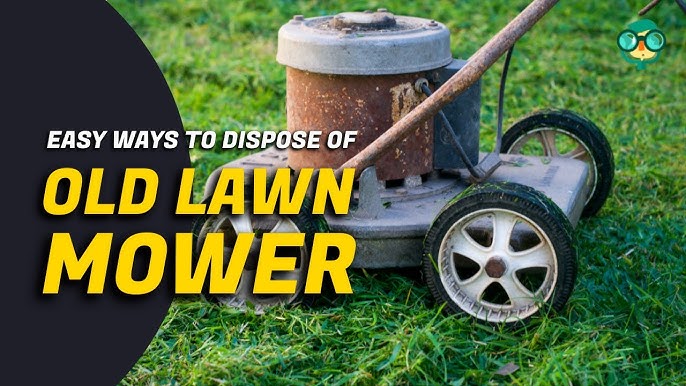
Image Source: i.ytimg.com
How To Throw Away a Lawn Mower: Responsible Disposal
Can you just throw a lawn mower in the trash? No, you generally cannot simply throw a lawn mower in your regular household trash. Many municipalities and waste disposal facilities have specific regulations regarding the disposal of lawn mowers, especially those that have been powered by gasoline or contain batteries. These regulations are in place because lawn mowers can contain hazardous materials like oil, gasoline, and batteries that require special handling to prevent environmental contamination.
Preparing Your Old Mower for Disposal
When it’s time to say goodbye to your trusty, or perhaps not-so-trusty, lawn mower, you’ll want to ensure you’re doing it the right way. Simply tossing it on the curb isn’t usually an option and can lead to fines. Responsible lawn mower disposal involves a few key steps to ensure environmental safety and compliance with local regulations. This guide will walk you through the process of yard equipment removal and old mower recycling, covering everything from preparing your machine to finding the best junk mower pickup options.
Draining Fuel and Oil
This is arguably the most crucial step for any gas-powered mower. Gasoline and oil are considered hazardous waste and can pollute soil and water if not handled properly.
- Empty the Fuel Tank:
- Ensure the mower is on a flat, stable surface.
- Use a siphon pump or a commercially available fuel drain kit to remove all gasoline from the tank.
- Never pour gasoline down a drain, into the sewer, or onto the ground.
- Store the drained gasoline in an approved container.
- Drain the Oil:
- Locate the oil drain plug (usually at the bottom of the engine block).
- Place an oil pan underneath the plug.
- Remove the plug and allow all the oil to drain into the pan.
- Similar to gasoline, used motor oil is hazardous waste.
Where to dispose of drained fuel and oil:
Many auto parts stores, service stations, and local hazardous waste collection sites accept used motor oil and gasoline. Always check with your local facility beforehand for their specific acceptance policies.
Removing the Battery (Electric and Battery-Powered Mowers)
If you have an electric or battery-powered mower, you’ll need to remove the battery before disposal.
- Locate the Battery: Consult your mower’s manual if you’re unsure.
- Disconnect and Remove: Carefully disconnect the battery terminals (usually negative first, then positive) and remove the battery.
- Battery Disposal: Batteries, especially lead-acid batteries found in some riding mowers, contain heavy metals and should be recycled. Many places that sell batteries (like auto parts stores or electronics retailers) will accept old batteries for recycling. Retailers are often obligated to take them back.
Removing Blades and Other Metal Components
For safety and to facilitate recycling, it’s a good idea to remove the mower blade and any other easily detachable metal parts.
- Blade Removal:
- Ensure the spark plug is disconnected to prevent accidental starting.
- Use a wrench or socket set to loosen and remove the blade.
- Be extremely careful with the sharp blade. Wear thick gloves.
- Wrap the blade securely in thick material (like old carpet or heavy-duty cardboard) to prevent accidental cuts during transport.
- Other Metal Parts: Consider removing things like the grass catcher bag or plastic engine covers if they are easily detached and not part of the main metal structure.
Options for Getting Rid of Your Old Mower
Once your mower is prepped, you have several avenues for how to get rid of a mower responsibly. Your best option will depend on the mower’s condition, your local resources, and your desire to contribute to recycling efforts.
1. Selling or Donating a Working Mower
If your mower is still in decent working order, even if you no longer need it, selling or donating it is the most environmentally friendly and beneficial approach.
- Selling Your Mower:
- Online Marketplaces: Platforms like Craigslist, Facebook Marketplace, or eBay can be excellent for reaching potential buyers. Be honest about the mower’s condition and any flaws.
- Local Garage Sales: If you’re having a larger clear-out, include the mower in your garage sale.
- Second-hand Tool Shops: Some local shops specialize in buying used lawn equipment.
- Mower Donation:
- Charitable Organizations: Many charities, community gardens, or vocational schools might accept working lawn mowers. These organizations can often use the equipment for their grounds maintenance or provide it to individuals in need.
- Habitat for Humanity ReStores: Some ReStore locations accept working lawn mowers.
- Local Government Programs: Occasionally, local governments or community outreach programs have initiatives to collect and refurbish lawn equipment for low-income families.
Benefits of selling or donating:
* Keeps usable equipment out of landfills.
* Helps others in your community.
* Potentially gives you a small return on investment or a tax deduction (for donations).
2. Recycling Your Old Mower
For mowers that are beyond repair or donation, recycling is the next best option. This ensures that valuable metal components are recovered and reused, and hazardous materials are handled correctly.
- Scrap Metal Yards:
- Many scrap metal yards accept lawn mowers. They are particularly interested in the steel and aluminum components.
- You may even get paid a small amount for your lawn mower scrap, depending on the current market rates for metals.
- Ensure you have drained all fluids and removed batteries as per their requirements. They usually have strict rules about what they will accept.
- Municipal Recycling Centers:
- Some city or county recycling centers have specific drop-off days or locations for bulky items like lawn mowers.
- Check your local municipality’s waste management website or call them directly to inquire about their programs for old mower recycling.
- Appliance and Metal Recyclers:
- Specialized recycling companies often handle large metal items and yard equipment. A quick online search for “metal recycling near me” or “appliance recycling” can reveal local options.
3. Utilizing a Mower Disposal Service
If you’re looking for a convenient way to handle junk mower pickup, hiring a professional mower disposal service is a great option. These services are designed to take the hassle out of removing unwanted items from your property.
- Junk Removal Companies:
- Companies like 1-800-GOT-JUNK?, Junk King, or local independent junk removal businesses offer pickup services for a fee.
- They are equipped to handle bulky items and will often dispose of them responsibly, either through donation, recycling, or proper waste disposal channels.
- When booking, be sure to specify that you have a lawn mower and inquire about their process for handling gasoline, oil, and batteries.
- Local Haulers:
- Sometimes, your regular trash or yard waste hauler may offer special pickups for bulky items for an additional fee.
- Contact your current waste management provider to see if this is an option.
What to ask a mower disposal service:
* Do you accept lawn mowers?
* What are your fees?
* Do you handle the draining of fluids (gasoline, oil)?
* Do you recycle the mowers?
* What is your process for disposal?
4. Hazardous Waste Collection Events
Some communities hold periodic hazardous waste collection events where residents can bring items containing hazardous materials, including old mowers.
- Check Local Announcements: Keep an eye on your local government’s website, community newsletters, or local news for announcements about these events.
- Proper Preparation: Even at these events, you’ll likely need to drain fluids and remove batteries beforehand, as they may have specific drop-off requirements.
Specific Considerations for Different Mower Types
The process for lawn mower disposal can vary slightly depending on the type of mower you have.
Disposing of Gas Mowers
Gas mowers present the most environmental challenges due to their fuel and oil.
- Fluid Removal is Paramount: As detailed earlier, thoroughly draining all gasoline and oil is essential. These are the primary hazardous waste lawn mower components.
- Fuel Disposal: Never pour gas on the ground. Take it to a designated hazardous waste collection site or a recycling center that accepts it.
- Oil Disposal: Used motor oil can be recycled at many auto parts stores or service centers.
- Spark Plug: While not hazardous, it’s good practice to remove the spark plug.
Disposing of Electric Mowers (Corded)
Corded electric mowers are generally simpler to dispose of.
- No Hazardous Fluids: They don’t contain gasoline or oil, making them less of an environmental concern.
- Metal Components: The primary materials are metal and plastic.
- Recycling Options: These are excellent candidates for scrap metal yards or general metal recycling facilities.
Disposing of Battery-Powered Mowers
Battery-powered mowers have the battery as the main component requiring special attention.
- Battery Recycling: The rechargeable battery is the key item. Lithium-ion batteries, common in newer models, require specific handling due to fire risks if damaged. Most electronics recyclers or battery retailers can take these.
- Fluid-Free: Like corded electric mowers, they don’t have liquid fuel or oil.
- Metal and Plastic: The rest of the mower can be recycled as scrap metal and plastic.
Disposing of Riding Mowers
Riding mowers are larger and often have lead-acid batteries, similar to car batteries.
- Larger Scale Fluid Drainage: Draining the fuel and oil will require more substantial containment.
- Lead-Acid Battery: These are heavy and contain sulfuric acid. They must be recycled properly. Auto parts stores are common drop-off points.
- Weight: Their size might influence pickup and transport. You might need a trailer or a dedicated junk mower pickup service with appropriate equipment.
- Scrap Metal Value: Due to their size and metal content, riding mowers can sometimes yield a small payment at scrap metal yards.
Preparing for Transport
Once you’ve decided on your disposal method, consider how you’ll get the mower there.
- Securing the Mower: If you’re transporting it yourself, ensure it’s securely placed in your vehicle or trailer. Use straps or ropes to prevent it from shifting during transit.
- Protecting Your Vehicle: Lay down old tarps or cardboard to protect your vehicle’s interior from dirt, oil residue (even if drained), or sharp edges.
- Wearing Protective Gear: Always wear sturdy gloves and closed-toe shoes when handling a lawn mower.
Environmental Responsibility: Why It Matters
Choosing responsible lawn mower disposal is more than just avoiding fines; it’s about environmental stewardship.
- Preventing Pollution: Improper disposal of gasoline, oil, and batteries can contaminate soil and water sources, harming ecosystems and potentially human health.
- Resource Conservation: Recycling metal components reduces the need for mining virgin materials, saving energy and lessening environmental impact.
- Reducing Landfill Waste: Keeping usable or recyclable items out of landfills is crucial for managing waste and conserving space.
Frequently Asked Questions (FAQ)
Q1: What if my mower is severely damaged or rusted?
A1: If your mower is beyond repair, focus on recycling. Scrap metal yards are ideal for heavily rusted or damaged machines, as they are primarily interested in the metal content. Ensure all fluids are drained.
Q2: Can I leave an old mower on the curb for bulk trash pickup?
A2: While some areas might allow this for bulk trash, it’s generally not recommended and often against local ordinances, especially for gas-powered mowers. Always check with your local waste management authority. It’s better to use designated recycling or disposal services.
Q3: Will I get paid for my lawn mower scrap?
A3: You might receive a small payment from a scrap metal yard, but don’t expect a significant amount. The value depends on the weight and type of metals (steel, aluminum) and current market prices.
Q4: What are the environmental hazards of throwing away a mower improperly?
A4: The main hazards come from residual gasoline, oil, and batteries. Gasoline can contaminate groundwater and soil, oil is toxic to aquatic life, and batteries contain heavy metals like lead and cadmium, which are also toxic.
Q5: How do I find a mower disposal service?
A5: You can search online for “junk removal services,” “appliance removal,” or “yard equipment removal” in your area. Also, ask your local waste management provider if they offer special pickups for bulky items.
By following these guidelines, you can ensure your old lawn mower is disposed of in a way that is safe for the environment and compliant with local regulations. Whether you choose to sell, donate, recycle, or use a professional mower disposal service, you’re making a responsible choice for your community and the planet.