
This article answers the question: “How long should I water my lawn in summer?” Generally, for most established lawns, aim for about 1 to 1.5 inches of water per week, applied in one or two deep watering sessions, rather than frequent, shallow sprinklings.
Summer brings heat and sun, making lawn care important. Watering your lawn correctly is key to keeping it green and healthy. This guide will help you figure out exactly how long to water your lawn in summer for the best results. We’ll cover watering lawn frequency summer, developing a summer lawn watering schedule, and the best lawn watering duration summer. We’ll also explore how often to water grass summer, the best time to water lawn summer, and techniques for deep watering lawn summer. Plus, we’ll share summer watering tips for grass, talk about seasonal lawn care watering, and look at watering techniques for dry lawns summer.
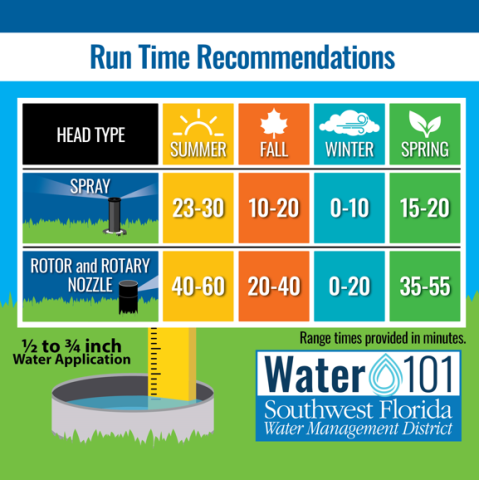
Image Source: www.swfwmd.state.fl.us
Why Deep Watering is Best in Summer
Watering your lawn too often with short bursts is like giving it candy – it’s not good for its long-term health. Shallow watering encourages grass roots to stay near the surface. When the weather gets hot and dry, these shallow roots can’t reach deeper moisture, and your lawn suffers.
The Benefits of Deep Watering
Deep watering means soaking the soil deeply. This encourages grass roots to grow deeper into the ground. Why is this good?
- Drought Resistance: Deeper roots can find water even when the surface is dry. This makes your lawn more resistant to drought and heat stress.
- Healthier Grass: Strong, deep roots support a more robust and healthy lawn overall.
- Fewer Weeds: A dense, healthy lawn with deep roots can crowd out weeds, making it harder for them to take hold.
- Less Frequent Watering: While it might seem counterintuitive, watering deeply less often is more efficient than shallow watering more frequently.
How to Determine Your Lawn’s Water Needs
Every lawn is a little different. What affects how much water your grass needs?
Factors Influencing Watering Needs
- Grass Type: Some grass types, like fescues, need more water than others, like Bermudagrass.
- Soil Type: Sandy soils drain quickly and need more frequent watering. Clay soils hold water longer and can become waterlogged if overwatered.
- Sunlight and Shade: Areas that get full sun all day will dry out faster than shaded spots.
- Temperature and Humidity: Hot, dry, and windy conditions increase water evaporation, meaning your lawn will need more water.
- Recent Rainfall: Always adjust your watering schedule based on how much rain your lawn has received.
Gauging Soil Moisture
How can you tell if your lawn needs water? Don’t just guess!
The Screwdriver Test
A simple way to check soil moisture is with a screwdriver or a long, thin metal rod.
- Push the screwdriver into the soil.
- If it goes in easily for 6 inches or more, the soil is likely moist enough.
- If it’s hard to push in, or only goes in a little, it’s time to water.
Visual Cues
Your lawn will also give you signs when it’s thirsty:
- Color Change: Grass might turn a dull bluish-gray color.
- Footprints: If you walk on the grass and your footprints stay visible for a long time, it’s a sign the grass blades lack moisture and bounce.
- Wilting: Grass blades may start to curl or fold inwards.
Calculating Watering Duration: The 1-1.5 Inch Rule
The general guideline for watering established lawns in summer is to provide 1 to 1.5 inches of water per week. But how do you measure this?
Using Tuna Cans or Rain Gauges
This is a simple and effective method:
- Place Collection Devices: Scatter several empty tuna cans or similar straight-sided containers across your lawn. Make sure they are placed in areas watered by your sprinkler.
- Run Your Sprinkler: Turn on your sprinkler system as you normally would.
- Measure the Water: Time how long it takes for the cans to collect about 1 inch of water. This time will vary depending on your sprinkler’s output.
- Repeat for 1.5 Inches: Do the same for 1.5 inches to know your target watering duration.
Example Calculation
Let’s say it takes your sprinkler 20 minutes to put out 1 inch of water in your tuna cans.
- If you need to water for 1 inch, you’ll water for 20 minutes.
- If you need to water for 1.5 inches, you’ll water for 30 minutes (20 minutes x 1.5).
Adjusting for Different Sprinklers
- Impact Sprinklers: These usually have a higher output rate.
- Oscillating Sprinklers: These can have a lower output rate.
- Soaker Hoses: These deliver water slowly, requiring longer run times.
Always perform the tuna can test for your specific sprinkler type and setup.
Summer Lawn Watering Schedule: Frequency and Timing
Now that you know how much water to apply, let’s talk about when and how often to water.
Watering Lawn Frequency Summer
For most lawns, watering deeply once or twice a week is ideal during summer.
- Once a Week: If your soil type is clay-based and holds moisture well, or if you get some natural rainfall, one deep watering session per week might be enough.
- Twice a Week: If you have sandy soil that drains quickly, or if temperatures are consistently very high (above 90°F), splitting the total weekly water into two sessions might be more beneficial. This prevents the soil from drying out too much between waterings.
Best Time to Water Lawn Summer
Timing is crucial for efficient watering and preventing disease.
Early Morning is Key
The best time to water your lawn in summer is early in the morning, typically between 4 a.m. and 10 a.m.
- Reduces Evaporation: Less water is lost to evaporation when temperatures are cooler and the sun is not directly overhead.
- Minimizes Disease: Watering in the morning allows the grass blades to dry off during the day. Wet grass overnight can encourage fungal diseases.
- Utilizes Lower Water Pressure: Often, water pressure is higher in the early morning, ensuring better sprinkler coverage.
Why Avoid Other Times?
- Midday: Most water evaporates before it reaches the roots. The water that does reach the soil can also magnify sunlight, potentially scorching the grass blades.
- Evening/Night: This is the worst time. Grass blades remain wet all night, creating a perfect environment for fungal growth and disease.
Deep Watering Lawn Summer: Techniques and Best Practices
Applying water correctly is just as important as the amount and timing.
Techniques for Effective Watering
- Sprinkler Adjustment: Ensure your sprinklers are reaching all areas of the lawn evenly. Adjust heads that spray sidewalks or driveways.
- Cycle and Soak: For very dry or compacted soil, use a “cycle and soak” method. Water for a shorter period (e.g., 15-20 minutes), then let it soak into the ground for an hour or two before watering again. This prevents runoff and allows water to penetrate deeper.
- Mow High: Keep your grass at a higher mowing height. Taller grass shades the soil, keeping it cooler and reducing water loss. It also encourages deeper root growth.
- Avoid Runoff: If you see water pooling or running off your lawn, stop watering. This means the soil is saturated and can’t absorb any more. Check your sprinkler coverage and soil condition.
Watering Established Lawns Summer
Established lawns have well-developed root systems and are generally more resilient. However, consistent watering during heatwaves is still important to prevent dormancy.
- Focus on Depth: Continue to prioritize deep watering to maintain those healthy root systems.
- Observe Closely: Pay extra attention to your lawn’s appearance for signs of stress.
- Reduce Traffic: Try to limit heavy foot traffic or activities on the lawn during extremely hot and dry periods.
Summer Watering Tips for Grass
Here are some additional pointers to keep your lawn thriving:
Key Summer Watering Tips
- Don’t Overwater: More is not always better. Overwatering can lead to shallow roots, disease, and nutrient leaching.
- Watering Established Lawns Summer: As mentioned, focus on deep, infrequent watering for established lawns.
- Watering Techniques for Dry Lawns Summer: If your lawn is already showing signs of severe dryness or dormancy, a slow, deep soaking is essential. The cycle and soak method is particularly effective here.
- Seasonal Lawn Care Watering: Adjust your watering schedule as the seasons change. As temperatures cool and rainfall increases in the fall, you’ll need to water less frequently.
- Aeration: Consider aerating your lawn in the spring or fall. This process creates small holes in the soil, which allows water, air, and nutrients to reach the roots more easily, improving water absorption during summer.
- Mulching: While not directly for the lawn itself, mulching around trees and shrubs in your landscape helps retain soil moisture, reducing overall watering needs for your property.
Understanding Seasonal Lawn Care Watering
Your lawn’s water needs change throughout the year. Summer is the most demanding season.
Seasonal Adjustments
- Spring: As temperatures rise, you’ll need to start your summer watering schedule. Aim for consistent moisture, but less intensity than peak summer.
- Summer: This is when you apply the 1-1.5 inches of water per week, usually in one or two deep watering sessions. Focus on timing and depth.
- Fall: As temperatures cool and rainfall becomes more reliable, you can gradually reduce watering. This helps the grass prepare for winter.
- Winter: For most regions, dormant lawns do not require supplemental watering unless there is an unusually dry winter.
How Often to Water Grass Summer vs. Other Seasons
- Summer: Once or twice a week, deeply.
- Spring/Fall: Potentially once every 7-10 days, depending on rainfall and temperature.
- Winter: Rarely, unless in very dry periods without snow cover.
Advanced Watering Techniques and Considerations
For those looking to optimize even further:
Smart Watering Systems
Consider installing a smart irrigation controller. These systems can adjust watering schedules automatically based on weather data (temperature, rainfall, humidity) and soil moisture sensors, ensuring your lawn gets exactly what it needs without waste.
Drought-Tolerant Grasses
If you live in a drought-prone area or want to reduce your water usage significantly, consider overseeding your lawn with drought-tolerant grass varieties.
Hydrozoning
This involves grouping plants with similar water needs together. For your lawn, this means ensuring that sprinklers are zoned effectively so areas that need more water (e.g., full sun slopes) get it, without overwatering shadier, less thirsty areas.
Common Mistakes to Avoid
Even with the best intentions, some common watering mistakes can harm your lawn.
Watering Pitfalls
- Watering too shallowly and too often: This promotes weak, shallow root systems.
- Watering during the hottest part of the day: This leads to significant water loss through evaporation.
- Not checking sprinkler coverage: Uneven watering can lead to dry patches and overwatered areas.
- Ignoring rainfall: Relying solely on a set schedule without considering natural precipitation means you might over or under-water.
- Watering at night: This can invite fungal diseases.
Frequently Asked Questions (FAQ)
How long should I water my lawn in summer?
For most established lawns, aim to provide 1 to 1.5 inches of water per week. This is best achieved by watering deeply once or twice a week, rather than frequent, shallow sprinklings.
How often should I water my grass in summer?
Water your grass deeply once or twice a week during the summer months, depending on your soil type, grass variety, and weather conditions. Sandy soils or extremely hot periods may require twice-weekly watering.
What is the best time of day to water my lawn in summer?
The best time to water your lawn in summer is early in the morning, between 4 a.m. and 10 a.m. This minimizes evaporation and allows grass blades to dry before nightfall, preventing diseases.
What are good watering techniques for dry lawns in summer?
For dry lawns, prioritize deep watering. The “cycle and soak” method is excellent: water for a short duration, let it soak in, then water again. This encourages deeper root penetration.
How do I know if my lawn needs watering?
Look for signs like a dull, bluish-gray color, footprints that remain visible after walking on the grass, or wilting blades. You can also use a screwdriver to test soil moisture; if it’s hard to push in 6 inches, it’s time to water.
Should I water my lawn every day in summer?
No, watering every day is generally not recommended for established lawns in summer. It promotes shallow root growth and can lead to disease. Deep, infrequent watering is much more effective.
How do I measure how much water my sprinkler is putting out?
Place several straight-sided containers, like tuna cans, around your lawn and run your sprinkler. Measure the depth of water in the cans. This will tell you how long it takes your sprinkler to deliver a specific amount of water, like one inch.
Is it okay to water my lawn in the evening?
It’s best to avoid watering your lawn in the evening or at night. Wet grass overnight creates an ideal environment for fungal diseases. Early morning watering is always preferred.
By following these guidelines, you can ensure your lawn receives the optimal amount of water during the summer months, leading to a healthier, more resilient turf.