
What is rewilding a yard? Rewilding your yard means giving up some human control and letting nature take the lead, creating a space that supports local wildlife. Can I rewild my yard? Yes, anyone can rewild their yard, no matter the size. Who is rewilding for? It’s for anyone who wants to help the environment and create a more natural, beautiful space.
Are you tired of the endless cycle of mowing, fertilizing, and watering a traditional lawn? Do you crave a yard teeming with life, buzzing with insects, and alive with birdsong? If so, it’s time to consider rewilding your yard. This approach to natural landscaping is not just about aesthetics; it’s about ecological restoration and fostering biodiversity right in your own backyard. Rewilding your yard is a journey back to nature, a way to create a thriving wildlife habitat that benefits both the environment and your own well-being.
The concept of rewilding, traditionally applied to large-scale landscapes, is perfectly adaptable to the domestic sphere. It’s about creating a sanctuary for local flora and fauna, reducing your environmental impact, and enjoying a space that is increasingly wild and self-sustaining. This guide will walk you through easy steps to rewild your yard, transforming it into a vibrant ecosystem.
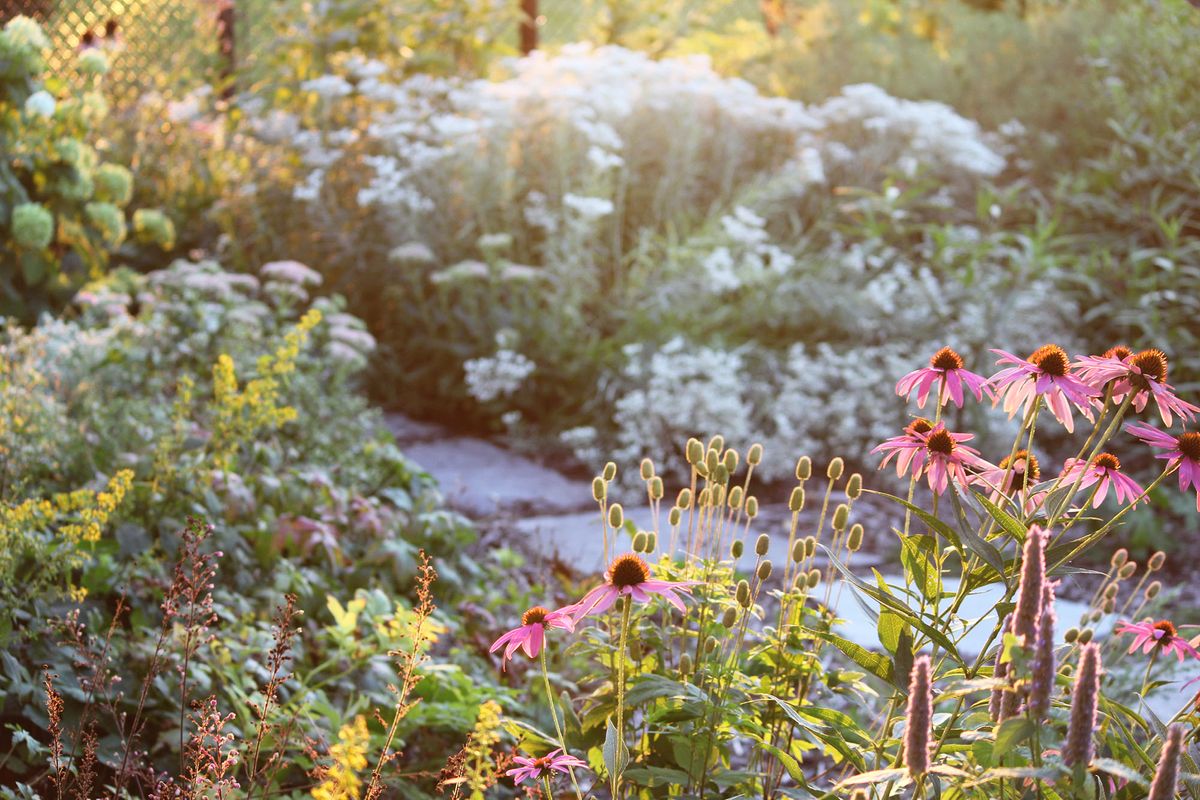
Image Source: www.rewildingmag.com
Why Rewild Your Yard?
Before diving into the “how,” let’s explore the “why.” Rewilding your yard offers a multitude of benefits:
- Supports Pollinators: A pollinator garden is crucial for the survival of bees, butterflies, and other beneficial insects. These creatures are vital for our food supply.
- Boosts Biodiversity: By planting native plants, you provide food and shelter for a wider array of insects, birds, and small animals, increasing the overall biodiversity in your local area.
- Reduces Maintenance: Once established, a rewilded yard often requires less mowing, watering, and chemical treatment than a conventional lawn. This aligns with principles of organic gardening and can save you time and money.
- Conserves Water: Many native plants are drought-tolerant landscaping solutions, meaning they are adapted to your local climate and require less supplemental watering, especially once established.
- Contributes to Ecological Restoration: Every rewilded yard acts as a small but significant step towards larger-scale ecological restoration efforts, connecting fragmented habitats.
- Educational Opportunity: A rewilded yard can be a living classroom for children and adults alike, teaching about local ecosystems and the importance of nature.
- Aesthetic Appeal: Forget the manicured perfection; rewilded yards possess a wild, untamed beauty that is constantly evolving throughout the seasons.
Getting Started: The First Steps to Rewilding
Rewilding doesn’t happen overnight. It’s a gradual process of shifting your mindset and making conscious choices. Here’s how to begin:
1. Observe and Assess Your Current Yard
Before you change anything, take time to observe what you already have.
- Sunlight and Shade: Note which areas get full sun, partial sun, and shade throughout the day and year. This will dictate plant choices.
- Soil Type: Is your soil sandy, clay, or loamy? Knowing your soil type helps you select plants that will thrive. You can get a simple soil test kit from a garden center.
- Existing Plants: Identify any existing plants. Are they native plants or invasive species? Learn to distinguish between them.
- Water Flow: Where does water collect after rain? This can inform where you might want to create rain gardens or choose moisture-loving plants.
2. Dream Big (But Start Small)
Visualize your ideal rewilded space. Do you imagine a riot of wildflowers, a shady woodland corner, or a buzzing insect hotel? It’s good to have a vision, but also to be realistic. You don’t need to rewild your entire yard at once. Start with a small section, like a corner of your lawn or a border along a fence. Success in a small area can build confidence and momentum for larger projects.
3. Embrace Imperfection
A rewilded yard isn’t a perfectly manicured space. It embraces a degree of wildness. Don’t be afraid of a few weeds (especially if they are beneficial native species!), fallen leaves, or a slightly unkempt look. This is part of nature’s design.
Key Strategies for Rewilding Your Yard
Once you’ve assessed your space and set your intentions, it’s time to implement some key strategies.
1. Reduce or Eliminate Your Lawn
Lawns are often ecological deserts, requiring significant water, fertilizers, and mowing. Gradually reducing your lawn is a cornerstone of rewilding.
- Phased Removal: Don’t feel obligated to rip out your entire lawn immediately. Start by converting a portion.
- Smothering Method: Cover sections of lawn with cardboard or thick layers of newspaper. This blocks sunlight, killing the grass. You can then cover it with compost and plant directly into it. This is a great example of permaculture principles in action.
- Sheet Mulching: Similar to smothering, this involves layering organic materials like compost, leaves, and straw over existing grass to suppress it and improve the soil.
- Consider Alternatives: Replace lawn areas with groundcovers, wildflower meadows, or garden beds planted with native plants.
2. Prioritize Native Plants
This is perhaps the most critical step. Native plants are the backbone of a healthy ecosystem because they have co-evolved with local insects, birds, and other wildlife.
-
Why Natives?
- Food Source: They provide nectar, pollen, seeds, berries, and foliage that local wildlife depend on.
- Habitat: They offer shelter and nesting sites.
- Adaptability: They are naturally suited to your climate and soil, making them more resilient and less demanding.
- Reduced Invasive Potential: Unlike many non-native ornamental plants, natives are less likely to escape cultivation and become invasive species.
-
Finding Native Plants:
- Local Nurseries: Seek out nurseries that specialize in native plants.
- Native Plant Societies: Many regions have societies dedicated to promoting native flora. Their websites often have plant lists and resources.
- Online Resources: Websites like the Lady Bird Johnson Wildflower Center or Xerces Society offer extensive databases of native plants by region.
-
Planting for Seasons: Choose a variety of native plants that bloom at different times of the year to provide a continuous food source and nectar for pollinators.
- Spring: Ephemerals, early blooming shrubs, and trees.
- Summer: Wildflowers, berry-producing shrubs.
- Fall: Asters, goldenrods, seed-producing plants.
- Winter: Evergreens, plants with persistent berries or seed heads.
3. Create a Pollinator Garden
A pollinator garden is a dedicated space filled with flowers that attract and support bees, butterflies, moths, and other pollinators.
- Flower Shapes and Colors: Pollinators have different preferences. Include a variety of flower shapes (tubular, daisy-like, flat-topped) and colors (blues, purples, yellows, whites).
- Continuous Bloom: As mentioned, ensure something is blooming from spring through fall.
- Plant in Groups: Plant flowers in drifts or blocks of the same species. This makes them more visible to pollinators and more efficient for them to visit.
- Include Host Plants: For butterflies, plant their specific host plants. For example, milkweed is essential for Monarch butterflies.
- Provide Water: A shallow dish with pebbles or sand can provide a safe water source for pollinators.
4. Build a Wildlife Habitat
A wildlife habitat provides food, water, shelter, and places for animals to raise their young.
- Water Sources: Beyond a pollinator waterer, consider a bird bath, a small pond, or even a simple shallow dish of water.
-
Shelter:
- Leaf Litter: Leave fallen leaves in garden beds. They provide habitat for insects, amphibians, and small mammals, and they also enrich the soil.
- Brush Piles: Create a small brush pile in an out-of-the-way corner. This offers shelter for insects, birds, and small mammals.
- Snags (Standing Dead Trees): If safe, leaving a dead tree standing can provide nesting and foraging opportunities for cavity-nesting birds and insects.
- Rock Piles: Offer nooks and crannies for reptiles and amphibians.
- Insect Hotels: These provide nesting tubes for solitary bees and other beneficial insects.
-
Food: Native plants provide natural food sources. Supplement with bird feeders if desired, but prioritize native food sources.
5. Practice Organic Gardening and Sustainable Practices
Organic gardening avoids synthetic pesticides, herbicides, and fertilizers, which can be harmful to wildlife.
- Composting: Create compost from kitchen scraps and yard waste. This enriches your soil naturally and reduces waste.
- Natural Pest Control: Learn to tolerate some insect damage. Encourage natural predators like ladybugs and lacewings by planting their preferred flowers and avoiding pesticides.
- Water Conservation:
- Rain Barrels: Collect rainwater for irrigation.
- Mulching: Apply organic mulch around plants to retain soil moisture and suppress weeds.
- Drip Irrigation: Use efficient watering systems that deliver water directly to the plant roots.
- Drought-Tolerant Landscaping: Select plants that naturally require less water.
6. Manage Invasive Species
Invasive species outcompete native plants, reducing biodiversity and disrupting the ecosystem.
- Identification: Learn to identify common invasive plants in your region.
- Removal: Remove invasive plants manually when they are small. For persistent invasives, you may need to research specific removal methods. Be thorough to prevent regrowth.
- Replacement: After removing invasives, replace them with native plants to reclaim the space for beneficial species.
7. Rethink Your Mowing Habits
- Mow Less Often: Allowing grass to grow taller can support beneficial insects and wildflowers.
- Leave Grass Clippings: Grass clippings are a natural fertilizer.
- Consider a “No-Mow” Zone: Designate a part of your yard to be left unmown, allowing grasses and wildflowers to flourish.
8. Embrace the “Wild” Aesthetic
Rewilding is about celebrating nature’s processes.
- Leave Seed Heads: Allow plants to go to seed. Birds will eat the seeds, and the seed heads provide winter interest and habitat.
- Accept Fallen Leaves: Instead of raking every leaf, let them be in your garden beds. They decompose, enrich the soil, and provide shelter for overwintering insects.
- Let Plants Self-Seed: Some native plants will naturally spread through self-seeding, creating a more naturalistic look.
Rewilding Your Yard: A Phased Approach
Here’s a possible timeline for rewilding your yard, broken down into manageable phases:
Phase 1: Foundation (First Year)
- Observation and Planning: Spend time observing your yard, identifying sunny and shady spots, and understanding your soil.
- Lawn Reduction: Choose one small section of your lawn to convert. Try the smothering method.
- Native Plant Selection: Research and select a few key native plants that are known to be excellent for pollinators and wildlife in your area. Aim for a mix of perennials and shrubs.
- Invasive Species Patrol: Begin identifying and removing small, manageable invasive plants.
- Composting: Start a compost bin.
Phase 2: Expansion and Diversification (Second Year)
- Expand Lawn Conversion: Convert another section of your lawn.
- Planting Focus: Prioritize planting more native plants, focusing on creating a pollinator garden area. Include a variety of bloom times.
- Water Source: Add a bird bath or a shallow water dish.
- Shelter Building: Create a small brush pile or install an insect hotel.
- Continue Invasive Removal: Stay vigilant with invasive species removal.
Phase 3: Maturation and Refinement (Third Year and Beyond)
- Continue Rewilding Efforts: Convert more of your lawn or expand existing native plant areas.
- Enhance Habitat: Add more elements like a snag (if safe), a small pond feature, or more diverse shelter options.
- Embrace Natural Processes: Allow plants to self-seed, leave more leaf litter, and let seed heads persist.
- Observe and Adapt: Watch which plants thrive and which wildlife visits your yard. Adjust your planting and habitat features based on your observations.
- Permaculture Integration: Explore more advanced permaculture techniques if interested, such as creating guilds of companion plants or incorporating edible native plants.
Adapting Rewilding to Different Yard Sizes
Whether you have a sprawling acreage or a small urban balcony, rewilding principles apply.
Small Urban Yards and Balconies
- Container Gardening with Natives: Use pots and containers to grow native plants. Many smaller native perennials and groundcovers do well in containers.
- Vertical Gardening: Utilize walls and fences for climbing native vines.
- Window Boxes: Plant native flowers in window boxes to attract pollinators.
- Balcony Habitat: Even a small balcony can host a pollinator garden and a water source for birds.
- Community Gardens: If you lack private yard space, consider contributing to a community garden with a rewilded section.
Suburban Yards
- Lawn Conversion: This is where suburban yards offer the most potential for significant change. Gradually replace large portions of lawn with native plants, wildflower meadows, or drought-tolerant landscaping.
- Backyard Habitat: Focus on creating a robust wildlife habitat with a variety of food, water, and shelter elements.
- Rain Gardens: Integrate rain gardens to manage stormwater runoff and create moist microhabitats.
Larger Properties
- Large-Scale Meadow Creation: Convert open lawn areas into native wildflower meadows.
- Woodland Restoration: If you have wooded areas, focus on invasive species removal and planting understory native shrubs and wildflowers.
- Wildlife Corridors: If your property is connected to other natural areas, focus on creating corridors of native vegetation to help wildlife move through the landscape.
- Perennial Food Systems: Explore edible landscaping and permaculture designs that incorporate native edible plants and fruit trees.
Challenges and How to Overcome Them
- Neighbors’ Perceptions: Some neighbors might not appreciate a less manicured look.
- Solution: Communicate your goals. Educate them about the benefits of native plants and wildlife habitat. Start with a tidy, well-defined rewilded area. Use bordering plants or small fences to create a clear distinction.
- Patience: Rewilding takes time. Plants need to establish, and wildlife needs to discover your space.
- Solution: Enjoy the process. Celebrate small victories – the first butterfly, the new bird species. Be patient, and the ecosystem will develop.
- Finding the Right Plants: Sourcing specific native plants can sometimes be challenging.
- Solution: Plan ahead. Order from reputable native plant nurseries in advance. Connect with local native plant societies for recommendations.
- Dealing with Pests and Diseases: Even native plants can experience issues.
- Solution: Embrace organic gardening principles. A diverse ecosystem is more resilient. Identify the pest or disease and research natural solutions. Often, a healthy garden will naturally balance itself.
Frequently Asked Questions (FAQ)
Q: Will my rewilded yard attract more bugs?
A: Yes, a rewilded yard will attract more insects, including beneficial insects like pollinators, ladybugs, and lacewings. It will also likely attract more spiders, which are important predators. The goal is to attract a diverse range of insects, not necessarily pests.
Q: How long does it take for a rewilded yard to establish?
A: It takes time for plants to grow and for wildlife to find and utilize your yard. You’ll start seeing changes within the first year, but a truly established ecosystem can take 3-5 years or more.
Q: Can I still have a lawn if I want to rewild?
A: You can, but the goal of rewilding is to reduce or eliminate the traditional lawn’s dominance. You might keep a small “mowable” area, but the focus shifts to planting native species and creating habitat.
Q: What if I live in an area with strict HOA rules about landscaping?
A: This can be a challenge. Research your HOA’s covenants carefully. Some HOAs have provisions for drought-tolerant or native landscaping. You may need to present a well-researched plan that demonstrates the ecological benefits and visual appeal of your proposed changes. Start small and prove your concept.
Q: Is rewilding the same as xeriscaping or drought-tolerant landscaping?
A: While drought-tolerant landscaping is a component of rewilding, they are not the same. Xeriscaping primarily focuses on water conservation through plant selection. Rewilding is broader, encompassing water conservation, native plants, biodiversity, wildlife habitat, and ecological restoration.
Q: What are some common invasive species I should look out for?
A: Common invasive plants vary by region. Examples include English Ivy, Vinca (Periwinkle), Burning Bush, Japanese Barberry, and Multiflora Rose. It’s crucial to research invasive species specific to your geographic location.
Rewilding your yard is a powerful act of environmental stewardship. It transforms a patch of domesticated land into a vibrant, interconnected ecosystem. By prioritizing native plants, creating a pollinator garden, and fostering a wildlife habitat, you contribute to the health of our planet, one yard at a time. It’s an investment in beauty, resilience, and a future where nature thrives alongside us. Start today, and watch your yard come alive.