
Can you repair brown spots on your lawn? Yes, you can repair brown spots on your lawn by identifying the cause and applying the correct treatment. This guide offers expert tips for lawn disease treatment and brown patch repair.
Brown spots can be disheartening, turning a vibrant green carpet into a patchwork of despair. But don’t despair! These unsightly patches often signal an underlying issue that, with the right approach, can be effectively treated. Whether it’s a stubborn lawn fungus removal or recovery from drought damage, this comprehensive guide will equip you with the knowledge to bring your lawn back to its lush, healthy glory. We’ll explore common causes, delve into effective treatments, and offer preventative measures to keep your grass looking its best.
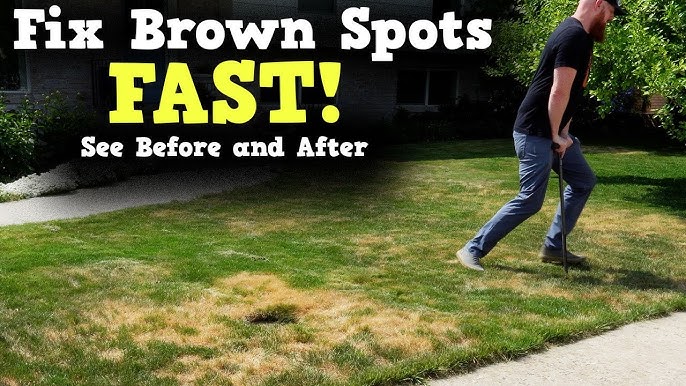
Image Source: i.ytimg.com
Pinpointing the Culprits: Why is My Grass Turning Brown?
Before we can fix the brown spots, we need to know why they’re there. Many factors can lead to browning, ranging from environmental stress to specific diseases.
Common Causes of Brown Spots
- Fungal Diseases: These are a frequent cause of brown patches. Different fungi thrive in specific conditions, leading to various types of lawn diseases.
- Insect Infestations: Grubs, chinch bugs, and sod webworms feed on grass roots or blades, causing damage that appears as brown patches.
- Drought Stress: Insufficient water is a major culprit. When grass doesn’t get enough moisture, it goes dormant and turns brown to conserve resources. This is known as drought damage lawn repair.
- Compacted Soil: Hard, compacted soil prevents water, air, and nutrients from reaching grass roots, stressing the turf and leading to browning. This is where lawn aeration benefits come into play.
- Pet Urine: The nitrogen-rich urine from pets can scorch grass, creating distinct brown spots that often have a green ring around the edges.
- Improper Mowing: Mowing too short, using dull mower blades, or leaving grass clippings on the lawn can all contribute to brown patches.
- Fertilizer Burn: Applying too much fertilizer or applying it unevenly can “burn” the grass, resulting in brown areas.
- Lack of Nutrients: Deficiencies in essential nutrients, particularly nitrogen, can cause yellow grass remedies to become brown.
Diagnosing the Disease
Accurate diagnosis is key to effective lawn disease treatment. Observe the pattern and appearance of the brown spots.
- Shape and Size: Are the spots circular, irregular, or streaky?
- Color: Is the grass completely dead and brown, or is it discolored (yellow, tan, reddish)?
- Surrounding Area: Are there any signs of mold, mycelium (white, thread-like growth), or fungal rings?
- Time of Year: Certain diseases are more prevalent during specific seasons.
Tackling Brown Patch: A Deep Dive into Lawn Fungus Removal
Brown patch is a common lawn disease that affects many types of turfgrass. It typically appears as circular or irregular patches of brown, straw-colored grass. The edges of these patches may be outlined by a darker, smoky-grey ring, especially visible in the morning dew.
What is Brown Patch?
Brown patch is a fungal disease caused by the pathogen Rhizoctonia solani. It thrives in warm, humid conditions, often appearing when temperatures are between 70-90°F (21-32°C) and humidity is high. The fungus attacks the grass blades, disrupting their ability to photosynthesize, leading to the characteristic browning.
Symptoms of Brown Patch
- Circular patches of blighted grass, typically 1 to 4 feet in diameter.
- The affected grass blades may turn a tan or straw-like color.
- A distinct “smoke ring” or dark, purplish border can often be seen around the edges of the patch, especially in the morning.
- The center of older patches may recover, giving them a “frog-eye” appearance with green grass in the middle.
- In severe cases, the fungus can infect the crowns and roots of the grass, leading to more persistent damage.
Effective Brown Patch Repair Strategies
Repairing brown patch involves a multi-pronged approach focusing on fungal control and lawn health restoration.
1. Cultural Practices for Brown Patch Control
These are the first line of defense and often the most crucial for long-term management.
- Watering Wisely: Avoid watering in the late afternoon or evening, as this keeps the grass wet overnight and encourages fungal growth. Water deeply and infrequently in the early morning. This allows the grass blades to dry out before nightfall.
- Improve Air Circulation: Densely mowed or overgrown grass can trap moisture. Consider dethatching your lawn to remove the layer of dead grass and organic matter that can harbor fungi. Lawn aeration benefits include improved air and water penetration, which also helps prevent disease.
- Proper Mowing: Mow regularly to avoid cutting the grass too short. Set your mower to a height appropriate for your grass type. Use a sharp mower blade to make clean cuts, which reduce stress on the grass and prevent disease entry points. Collect grass clippings during periods of disease activity to prevent spreading spores.
- Fertilization Management: Avoid over-fertilizing, especially with high-nitrogen fertilizers, as this can promote rapid, succulent growth that is more susceptible to fungal attack. Follow a balanced lawn fertilization schedule based on soil test results. Ensuring adequate potassium for lawn health is also vital, as it helps grass withstand stress and disease.
2. Fungicide Application for Lawn Fungus Removal
If cultural practices aren’t enough, fungicides can be effective for lawn fungus removal.
- Identify the Right Fungicide: Fungicides are categorized by their mode of action. For brown patch, systemic fungicides are often recommended as they are absorbed by the plant and protect it from within. Contact fungicides provide a protective barrier on the plant surface.
- Systemic Fungicides: Examples include propiconazole, myclobutanil, and thiophanate-methyl. These are effective for controlling established infections.
- Contact Fungicides: Examples include chlorothalonil and mancozeb. These are best used preventatively or at the very first signs of disease.
- Timing is Crucial: Apply fungicides preventatively when conditions are favorable for disease development, or at the first visible signs of brown patch. Reapplication may be necessary according to product label instructions, usually every 14-28 days, depending on the product and environmental conditions.
- Read the Label: Always follow the instructions on the fungicide product label carefully. This includes application rates, mixing instructions, safety precautions, and re-entry intervals.
3. Rebuilding the Lawn After Brown Patch
Once the fungal activity is controlled, focus on repairing the damaged areas.
- Rake the Dead Grass: Gently rake out the dead grass from the affected patches.
- Reseed or Sod: For small patches, you can reseed with a quality grass seed suitable for your region and grass type. For larger areas, sodding might be a quicker solution.
- Top Dressing: Apply a thin layer of compost or a quality topsoil mix to the bare areas to improve soil structure and provide nutrients for new growth.
- Water and Fertilize: Keep the newly seeded or sodded areas consistently moist until established. Once the grass is growing, resume a regular watering and fertilization schedule.
Addressing Yellow Grass Remedies and Other Browning Issues
While brown patch is a common culprit, yellow grass and other forms of browning require different approaches.
Yellow Grass Remedies
Yellowing grass can be a sign of nutrient deficiency, particularly nitrogen.
- Nitrogen Deficiency: If your lawn is uniformly yellow or light green, it likely needs nitrogen. Apply a balanced fertilizer containing nitrogen. Follow a proper lawn fertilization schedule to maintain optimal nutrient levels.
- Iron Deficiency: Sometimes grass can be yellow due to a lack of iron, especially in alkaline soils. Iron supplements, either granular or liquid, can provide a quick green-up.
- Overwatering or Poor Drainage: Soggy soil can lead to yellowing because the roots can’t get enough oxygen. Improve drainage and adjust watering practices.
- Compacted Soil: As mentioned earlier, compacted soil restricts root growth and nutrient uptake. Lawn aeration benefits extend to improving nutrient availability, which can help remedy yellowing.
Dealing with Drought Damage Lawn Repair
During periods of drought, grass will often turn brown and go dormant to survive.
- Deep Watering: If the drought is not severe and you want to keep your lawn green, water deeply but infrequently. This encourages roots to grow deeper, making the grass more resilient. Aim for about 1 inch of water per week, applied in a single watering if possible.
- Reduce Traffic: Avoid walking or mowing on dormant grass to prevent further damage.
- Patience: Once sufficient rainfall returns, the grass should green up.
- Aeration and Overseeding: After the drought subsides, lawn aeration benefits can help improve water infiltration into the soil, aiding recovery. Overseeding can help thicken thin areas.
The Role of Soil Testing for Lawns
A crucial step in diagnosing and treating lawn problems, including browning, is soil testing for lawns. A soil test provides valuable information about:
- pH Level: The acidity or alkalinity of your soil affects nutrient availability. Most turfgrasses prefer a slightly acidic to neutral pH (6.0-7.0).
- Nutrient Levels: The test reveals levels of essential nutrients like nitrogen, phosphorus, potassium, and micronutrients. This helps create a tailored lawn fertilization schedule.
- Organic Matter Content: This indicates the soil’s ability to retain moisture and nutrients.
You can obtain a soil testing kit from your local cooperative extension office or purchase one from a garden supply store. Follow the instructions carefully to collect samples and send them for analysis. The results will guide your fertilization and soil amendment decisions, helping to address nutrient deficiencies that might cause yellowing or contribute to disease susceptibility.
Nutrient Management for a Healthy Lawn
Proper fertilization is key to a resilient lawn that can resist diseases and recover quickly from stress.
Potassium for Lawn Health
Potassium (K) is a vital nutrient that plays a significant role in a grass plant’s overall health and stress tolerance.
- Disease Resistance: Adequate potassium strengthens cell walls and improves the grass’s ability to resist diseases, including fungal infections.
- Drought Tolerance: Potassium helps regulate water uptake and retention within the plant, making it more drought-tolerant.
- Cold Hardiness: It also improves the grass’s ability to withstand cold temperatures and winter stress.
- Application: Potassium is readily available in most balanced fertilizers. Your soil test results will indicate if your lawn has a potassium deficiency. Aim to apply fertilizers that contain potassium during the fall and spring as part of your lawn fertilization schedule.
Lawn Fertilization Schedule
A consistent lawn fertilization schedule tailored to your grass type and climate is essential.
- Spring: Apply a balanced fertilizer to promote new growth and recovery from winter stress.
- Summer: Use a slow-release fertilizer if needed, and avoid high-nitrogen applications during periods of extreme heat and drought, as this can stress the grass.
- Fall: This is a critical time for feeding your lawn. Apply a fertilizer high in potassium to help the grass store energy for winter and prepare for spring growth.
- Soil Test Guidance: Always base your fertilization decisions on soil testing for lawns. Over-fertilizing can be as detrimental as under-fertilizing.
Controlling Weeds Causing Browning
Weeds can compete with grass for water, nutrients, and sunlight, leading to browning and thinning of your lawn.
Weed Killer for Brown Spots
When weeds are the primary cause of brown spots, selecting the right weed killer for brown spots is important.
- Identify the Weed: Different herbicides are effective against different types of weeds (broadleaf vs. grassy weeds).
- Selective vs. Non-Selective:
- Selective Herbicides: Target specific types of weeds without harming your desired grass.
- Non-Selective Herbicides: Kill all vegetation they come into contact with. These should be used with extreme caution, perhaps only on bare patches or for spot treatment if you’re very careful.
- Timing: Apply herbicides when weeds are actively growing.
- Read the Label: Always follow the product instructions for application rates, safety, and best results. Some herbicides can temporarily discolor grass, so be aware of this possibility.
Advanced Lawn Repair Techniques
Beyond basic treatments, some advanced techniques can significantly improve lawn health and appearance.
Lawn Aeration Benefits
Lawn aeration benefits are far-reaching, especially when dealing with compacted soil or improving recovery from stress. Aeration involves creating small holes in the soil, allowing for better penetration of air, water, and nutrients.
- Relieves Compaction: This is crucial for turfgrass that struggles in dense, hard soil.
- Improves Water and Nutrient Uptake: Roots can grow more freely and access essential resources.
- Enhances Air Circulation: This helps prevent disease and promotes healthy root development.
- Aids Thatch Decomposition: By allowing air and microbes to reach the thatch layer, aeration can help break it down.
- Best Time for Aeration: Typically performed in the spring or fall when the grass is actively growing.
Dethatching
Thatch is a layer of dead and living organic matter that accumulates between the soil surface and the green grass blades. A thin layer of thatch is beneficial, but excessive thatch can prevent water, air, and nutrients from reaching the soil.
- Identifying Excessive Thatch: If the thatch layer is more than half an inch thick, it’s time to dethatch.
- Methods: Dethatching can be done with a power dethatcher (scarifier) or a power rake.
- Post-Dethatching Care: After dethatching, the lawn will look rough. Rake up the debris, and consider overseeding and applying a starter fertilizer to help the lawn recover. Lawn aeration benefits can also be amplified when performed after dethatching.
Prevention: The Best Defense Against Brown Spots
The most effective way to deal with brown spots is to prevent them from occurring in the first place.
Best Practices for a Healthy Lawn
- Choose the Right Grass: Select grass varieties that are well-suited to your climate, soil type, and the amount of sunlight your lawn receives.
- Water Deeply and Infrequently: Encourage deep root growth.
- Mow High: Set your mower to a higher setting appropriate for your grass type.
- Sharpen Mower Blades: Dull blades tear grass, making it susceptible to disease.
- Fertilize Appropriately: Follow a lawn fertilization schedule based on soil testing for lawns.
- Manage Thatch: Dethatch when necessary.
- Aerate Regularly: Take advantage of lawn aeration benefits to maintain healthy soil structure.
- Monitor for Pests and Diseases: Early detection and treatment are key.
Frequently Asked Questions (FAQ)
Q1: How quickly can I expect to see results after treating brown spots?
The time it takes to see results depends on the cause of the brown spots and the treatment used. Fungal issues treated with fungicides might show improvement within a few days to a week. Drought damage lawn repair will depend on rainfall or irrigation. Nutrient deficiencies might take a couple of weeks to respond after fertilization. Re-seeding will take several weeks to establish.
Q2: Can I use a weed killer for brown spots caused by fungus?
No, weed killer for brown spots is designed to kill weeds, not fungi. Using it on fungal patches will likely not help and could even further stress the grass. You need specific lawn disease treatment or lawn fungus removal products for fungal issues.
Q3: Is potassium important for preventing brown spots?
Yes, potassium for lawn health is crucial. It strengthens grass blades and improves their resistance to diseases and environmental stresses, which can help prevent brown spots.
Q4: When is the best time to aerate my lawn?
The best time for lawn aeration benefits is typically during the active growing seasons for your specific grass type. For cool-season grasses (like fescues and ryegrass), fall is ideal. For warm-season grasses (like Bermuda and Zoysia), late spring or early summer is best.
Q5: My dog pees on my lawn, causing brown spots. How can I fix this?
To repair these spots, you can try to flush the area with plenty of water immediately after your dog urinates to dilute the nitrogen. For existing spots, rake out the dead grass, amend the soil with compost, and reseed with a hardy grass variety. Consider creating a designated potty area for your dog on a different surface like mulch or gravel.
By following these expert tips, you can effectively diagnose, treat, and prevent brown spots on your lawn, ensuring a lush, healthy, and vibrant green carpet all season long.