
Getting your lawn ready for summer means ensuring it’s healthy, vibrant, and resilient against heat, drought, and increased foot traffic. What is the best way to prepare a lawn for summer? The best way involves a series of proactive steps taken in spring to promote strong root development, adequate nutrient levels, and a dense turf that can withstand the challenges of the warmer months. This guide will walk you through the essential lawn care practices to achieve a beautiful summer lawn.
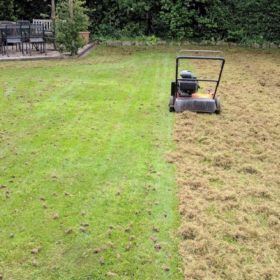
Image Source: premierlawns.co.uk
Spring Lawn Prep: Laying the Foundation for Summer Success
Spring lawn prep is crucial. It’s like getting your house ready for a big event. You wouldn’t wait until the guests arrive to clean, would you? Your lawn is the same. Early preparation sets the stage for a lush, green carpet all summer long. We’ll cover everything from cleaning up debris to providing essential nutrients.
Step 1: Clear the Clutter
Before you do anything else, give your lawn a thorough clean-up.
- Rake away leaves and debris: Fallen leaves from the previous fall can smother your grass. They also create a damp environment where fungal diseases can thrive. Use a leaf rake or a power blower to remove all accumulated debris.
- Remove sticks and rocks: These can damage your mower blades and create safety hazards.
- Edge your beds and walkways: This provides a clean, defined look and makes subsequent lawn care tasks easier.
Step 2: Aerate Lawn: Let Your Grass Breathe
Aeration is a vital process that relieves soil compaction, allowing air, water, and nutrients to reach the grass roots more effectively. Compacted soil is a common problem, especially in high-traffic areas or where clay soil is prevalent.
-
Why Aerate?
- Improves air circulation to the root zone.
- Enhances water penetration.
- Allows fertilizers to reach roots.
- Reduces thatch buildup.
- Promotes deeper root growth.
-
When to Aerate: The best time to aerate lawn is during the active growing season for your grass type. For cool-season grasses (like Fescue, Ryegrass, and Bluegrass), early spring or fall is ideal. For warm-season grasses (like Bermuda, Zoysia, and St. Augustine), late spring or early summer is best, after they’ve started to green up.
-
How to Aerate:
- Core Aerator: This machine pulls out small plugs of soil. These plugs are left on the lawn to break down naturally, returning nutrients to the soil.
- Spike Aerator: This machine pokes holes into the soil. While less effective than a core aerator, it can still help with minor compaction.
Can I aerate my lawn if it’s already growing? Yes, you can aerate a growing lawn, but it’s most beneficial when done during its active growth period. Aerating when the grass is dormant or stressed can cause more harm than good.
Step 3: Overseed Lawn: Fill in the Gaps
After aeration, your lawn might look a bit sparse. Overseeding lawn is the process of planting new grass seed over an existing lawn to thicken it and fill in bare patches. This is especially important after a harsh winter or if your lawn has thinning areas.
-
Why Overseed?
- Improves lawn density.
- Helps outcompete weeds.
- Introduces newer, more resilient grass varieties.
- Restores color and vigor.
-
When to Overseed: Similar to aeration, the timing depends on your grass type. Early spring and fall are prime times for cool-season grasses. For warm-season grasses, late spring to early summer works best.
-
How to Overseed:
- Choose the right seed: Select a seed mix that matches your existing grass type or is suited to your climate and lawn conditions.
- Prepare the soil: Aeration creates ideal seed-to-soil contact. Lightly rake the lawn to expose some soil.
- Spread the seed: Use a broadcast spreader for even distribution. Follow the recommended seeding rates.
- Water gently: Keep the seeded areas consistently moist until the seeds germinate and the new grass is established. Avoid heavy watering that can wash the seeds away.
- Avoid heavy traffic: Keep people and pets off the newly seeded areas until the grass is well-rooted.
What is the best way to overseed? The best way involves ensuring good seed-to-soil contact, typically achieved after aeration or light dethatching, and maintaining consistent moisture until germination.
Step 4: Fertilize Lawn: Nourish Your Grass
Fertilizing lawn provides essential nutrients that grass needs to grow strong and healthy. Spring is a critical time to fertilize, as it replenishes nutrients lost over winter and fuels new growth.
-
Why Fertilize?
- Provides essential nutrients like Nitrogen (N), Phosphorus (P), and Potassium (K).
- Promotes healthy leaf growth and deep root development.
- Increases resistance to pests, diseases, and drought.
- Enhances overall lawn color and appearance.
-
When to Fertilize: The ideal time to fertilize lawn in spring is after the grass has started to green up and resume active growth. Avoid fertilizing when the grass is still dormant or during periods of extreme heat.
-
How to Fertilize:
- Soil Testing: Before you fertilize, consider a soil testing. This helps determine your soil’s pH and nutrient levels, allowing you to choose the most appropriate fertilizer. A soil test can prevent over-fertilization, which can harm your lawn and the environment.
- Choose the right fertilizer: Look for a slow-release nitrogen fertilizer. This provides a steady supply of nutrients over time, preventing rapid, weak growth that is susceptible to stress. The N-P-K ratio on the bag indicates the percentage of nitrogen, phosphorus, and potassium.
- Apply evenly: Use a spreader for uniform application. Overlapping passes can lead to burn spots, while missed areas will result in uneven growth and color.
- Water after fertilizing: Light watering helps the fertilizer dissolve and move into the soil, preventing it from burning the grass.
Can I fertilize my lawn immediately after aerating? Yes, fertilizing after aerating is often recommended. The aeration opens up the soil, allowing the fertilizer to penetrate more effectively to the root zone.
Step 5: Weed Control: Keep Unwanted Guests Out
Weeds compete with your grass for water, nutrients, and sunlight. Implementing weed control measures in spring is key to preventing them from taking over your lawn during the summer.
-
Why Weed Control?
- Prevents weeds from establishing and spreading.
- Reduces competition for resources, allowing grass to thrive.
- Improves the aesthetic appeal of your lawn.
-
Types of Weed Control:
- Pre-emergent Herbicides: These are applied before weed seeds germinate. They create a barrier in the soil that kills sprouting weeds. Common spring targets include crabgrass and other annual weeds.
- Post-emergent Herbicides: These are used to kill weeds that have already emerged. They are most effective when weeds are young and actively growing.
- Manual Removal: For isolated weeds, pulling them by hand is an effective and eco-friendly method. Ensure you pull the entire root to prevent regrowth.
- Healthy Lawn Practices: A dense, healthy lawn is the best defense against weeds. Proper mowing, watering, and fertilization will naturally outcompete most weeds.
-
When to Apply Weed Control:
- Pre-emergent: Apply in early spring, before soil temperatures consistently reach 55-60°F (13-16°C). This is typically when Forsythia bushes are in bloom.
- Post-emergent: Apply when weeds are actively growing, but avoid application during extreme heat or drought, as this can stress both the weeds and your lawn.
How to control weeds effectively? Effective weed control involves a combination of preventative measures (pre-emergent herbicides) and reactive treatments (post-emergent herbicides or manual removal), supported by a strong, healthy turf.
Step 6: Lawn Mowing: The Art of the Cut
Proper lawn mowing is more than just trimming the grass; it’s about maintaining the health and vigor of your turf. Spring is when you transition from winter dormancy to regular mowing.
-
Why Proper Mowing Matters:
- Encourages grass to grow thicker and bushier.
- Promotes deeper root development.
- Reduces stress on the grass.
- Helps prevent lawn diseases.
-
Mowing Height:
- The Rule of Thirds: Never remove more than one-third of the grass blade at a time. Cutting too short can shock the grass, weaken it, and expose the soil to weeds and disease.
- Ideal Height: For most cool-season grasses, aim for a mowing height of 2.5 to 3 inches. Warm-season grasses can often be mowed lower. Taller grass shades out weeds and promotes deeper root growth.
-
Mowing Frequency: As your lawn begins to grow in spring, you’ll likely need to mow more frequently. Stick to the Rule of Thirds to maintain the ideal height.
-
Mowing Technique:
- Sharpen your blades: Dull mower blades tear grass, leaving ragged edges that can turn brown and are more susceptible to disease.
- Vary mowing patterns: Alternating your mowing direction each time helps prevent ruts from forming and encourages grass to grow upright.
- Leave the clippings: Grass clippings are a natural source of nitrogen and other nutrients. Unless the clippings are excessively long or clumpy, leave them on the lawn to decompose. This is known as “grasscycling.”
What is the best mowing height for grass? The best mowing height varies by grass type but generally, keeping grass taller (around 2.5-3 inches for cool-season grasses) promotes a healthier, more resilient lawn.
Summer Lawn Care: Maintaining Peak Performance
Once your lawn is prepped and the summer heat arrives, consistent care is essential to keep it looking its best and healthy.
Step 7: Water Lawn: The Lifeblood of Your Turf
Proper watering is critical for a healthy lawn, especially during the hot, dry summer months. Water lawn deeply and infrequently to encourage deep root growth.
-
Why Deep Watering?
- Encourages roots to grow deeper into the soil, seeking moisture.
- Helps grass withstand drought conditions.
- Reduces the likelihood of fungal diseases, which often thrive in shallow, frequent watering.
-
How Often and How Much?
- Frequency: Aim to water your lawn about once or twice a week, depending on rainfall and temperature.
- Amount: The goal is to provide about 1 to 1.5 inches of water per week. Use a rain gauge or place tuna cans on the lawn to measure how much water your sprinklers are delivering.
- Best Time to Water: Water early in the morning (between 4 AM and 10 AM). This allows the grass to dry before nightfall, reducing the risk of lawn diseases. Watering during the heat of the day leads to significant water loss through evaporation.
-
Signs of Thirst: Your lawn will tell you when it needs water. Look for:
- A bluish-gray tint to the grass.
- Footprints remaining visible on the lawn long after you’ve walked on it.
- Leaf blades starting to curl or fold.
Can I water my lawn every day in summer? Watering your lawn every day is generally not recommended. It promotes shallow root growth and can increase the risk of disease. Deep, infrequent watering is far more beneficial for long-term lawn health.
Step 8: Ongoing Weed Control and Pest Management
Even with spring preparation, weeds and pests can still appear. Stay vigilant.
- Spot Treat Weeds: Continue to pull weeds by hand or use spot treatments with herbicides as needed.
- Monitor for Pests: Keep an eye out for common lawn pests like grubs, chinch bugs, and armyworms. Early detection and treatment are key. Integrated Pest Management (IPM) strategies, which combine cultural practices with targeted treatments, are often the most effective.
Step 9: Adjust Mowing as Needed
As the summer progresses, you may need to adjust your mowing height and frequency.
- Raise Mowing Height: During hot, dry periods, consider raising your mower to 3 inches or even higher. Taller grass provides shade for the soil, helping it retain moisture and reducing heat stress on the grass roots.
- Mow More Frequently if Needed: If your grass is growing rapidly, you might need to mow more often to avoid cutting off too much at once. Always follow the Rule of Thirds.
Step 10: Watch for Lawn Diseases
Lawn diseases can appear during the summer, often exacerbated by heat, humidity, and improper watering.
-
Common Summer Diseases:
- Brown Patch: Characterized by circular patches of brown, dead grass, often with a darker ring around the edge. It thrives in hot, humid conditions.
- Dollar Spot: Small, straw-colored spots that can merge into larger affected areas.
- Fairy Rings: Circles or arcs of dark green grass, mushrooms, or dead grass.
-
Prevention and Treatment:
- Proper Watering: Avoid watering in the evening.
- Good Air Circulation: Aeration and dethatching can help.
- Avoid Over-fertilization: Especially with high-nitrogen fertilizers during hot weather.
- Fungicides: If a disease becomes persistent, consider using a fungicide. Always follow product instructions carefully.
- Healthy Turf: A well-maintained, healthy lawn is more resistant to disease.
Soil Testing: The Science Behind a Great Lawn
A soil testing is a simple yet incredibly powerful tool for successful lawn care. It provides a scientific basis for your fertilization and amendment decisions, ensuring you’re giving your lawn exactly what it needs and nothing it doesn’t.
Why Perform a Soil Test?
- Nutrient Analysis: Reveals deficiencies or excesses of essential nutrients (Nitrogen, Phosphorus, Potassium, etc.).
- pH Level: Determines the acidity or alkalinity of your soil. Most grasses prefer a slightly acidic to neutral pH (around 6.0-7.0). If the pH is too high or too low, grass struggles to absorb nutrients, even if they are present.
- Organic Matter Content: Indicates the health and structure of your soil.
How to Get a Soil Test:
- Collect Samples: Obtain samples from several different areas of your lawn. Avoid areas that have recently been fertilized or treated. Dig down about 4-6 inches to get a representative sample. Mix the samples together in a clean container.
- Send to a Lab: Many local extension offices offer soil testing services. You can also purchase DIY kits, though lab tests are generally more comprehensive.
- Interpret Results: The lab will provide a report detailing your soil’s composition and offer recommendations for amendments and fertilizers.
When to Soil Test:
While you can test your soil at any time, fall is often considered the best season, giving you ample time to implement any necessary amendments before the next growing season. However, testing in early spring before major fertilization is also highly beneficial for guiding your fertilize lawn decisions.
Preparing for the Unexpected: Drought and Heat Stress
Summer can bring periods of intense heat and drought. Proactive measures can help your lawn survive and recover.
- Water Deeply: If drought conditions persist, increase watering depth but maintain infrequent watering schedules to encourage deep roots.
- Raise Mowing Height: As mentioned, taller grass protects the soil from the sun.
- Avoid Heavy Traffic: Minimize activity on the lawn during extreme heat.
- Consider Drought-Tolerant Grasses: If you live in a region prone to drought, consider overseeding with drought-tolerant grass varieties in the future.
Summary of Key Spring Preparation Steps
| Task | Purpose | Best Time (Cool-Season Grass) | Best Time (Warm-Season Grass) | Notes |
|---|---|---|---|---|
| Clean-up | Remove debris, improve air circulation | Early Spring | Late Spring | Rake leaves, sticks, and rocks. Edge beds. |
| Aeration | Relieve soil compaction, improve nutrient/water uptake | Early Spring | Late Spring/Early Summer | Improves root growth and reduces thatch. |
| Overseeding | Thicken lawn, fill bare spots, introduce resilient varieties | Early Spring | Late Spring/Early Summer | Provides good seed-to-soil contact after aeration. Keep moist until germination. |
| Fertilization | Replenish nutrients, promote healthy growth | Mid-Spring (after green-up) | Late Spring/Early Summer | Use slow-release nitrogen. Consider a soil testing first. Water in. |
| Weed Control | Prevent weed establishment, reduce competition | Early Spring (pre-emergent) | Late Spring (pre-emergent) | Apply pre-emergent before weeds germinate. Post-emergent for existing weeds. |
| Mowing | Encourage thicker growth, maintain ideal height | As needed | As needed | Follow the Rule of Thirds. Keep blades sharp. |
Frequently Asked Questions (FAQ)
Q1: When should I start preparing my lawn for summer?
A1: The best time to start preparing your lawn for summer is in early to mid-spring, as soon as the frost has thawed and the grass begins to show signs of new growth.
Q2: How do I deal with bare patches after winter?
A2: Bare patches are best addressed by overseeding in early spring. Ensure good seed-to-soil contact, typically after aeration, and keep the area consistently moist until the new grass is established.
Q3: Is it okay to fertilize a newly seeded lawn?
A3: It’s generally best to wait until the new grass has been mowed a few times before applying any fertilizer. Young grass can be sensitive to fertilizer burn. Starter fertilizers are formulated for new seed, but follow product instructions carefully.
Q4: What if my lawn has a lot of moss?
A4: Moss often indicates compacted soil, poor drainage, or low fertility. Aerating, improving drainage, and adjusting your soil’s pH (if necessary, based on a soil test) can help deter moss. Applying a moss control product may also be necessary.
Q5: How often should I mow my lawn in summer?
A5: Mowing frequency in summer depends on the grass type, weather, and fertilization. As a general rule, mow often enough so that you never remove more than one-third of the grass blade height at any one time.
By following these comprehensive steps for spring lawn prep, you’ll set your lawn up for success throughout the summer months, ensuring it remains green, healthy, and resilient. Consistent lawn care is key to enjoying a beautiful outdoor space all season long.