
Yes, you can kill mushrooms in your yard, and it’s often a necessary part of good yard maintenance mushrooms. Many homeowners wonder how to get rid of mushrooms that sprout up after rain, and this guide will cover the best methods for yard mushroom control, including safe mushroom removal and effective lawn fungus treatment.
Mushrooms in your lawn can be unsightly and, in some cases, a sign of underlying soil issues. While they are a natural part of the ecosystem, appearing when conditions are right for fungal growth, most people prefer a clean, green lawn. This article will delve into practical strategies for mushroom removal and maintaining a healthy lawn free from these unwelcome guests.
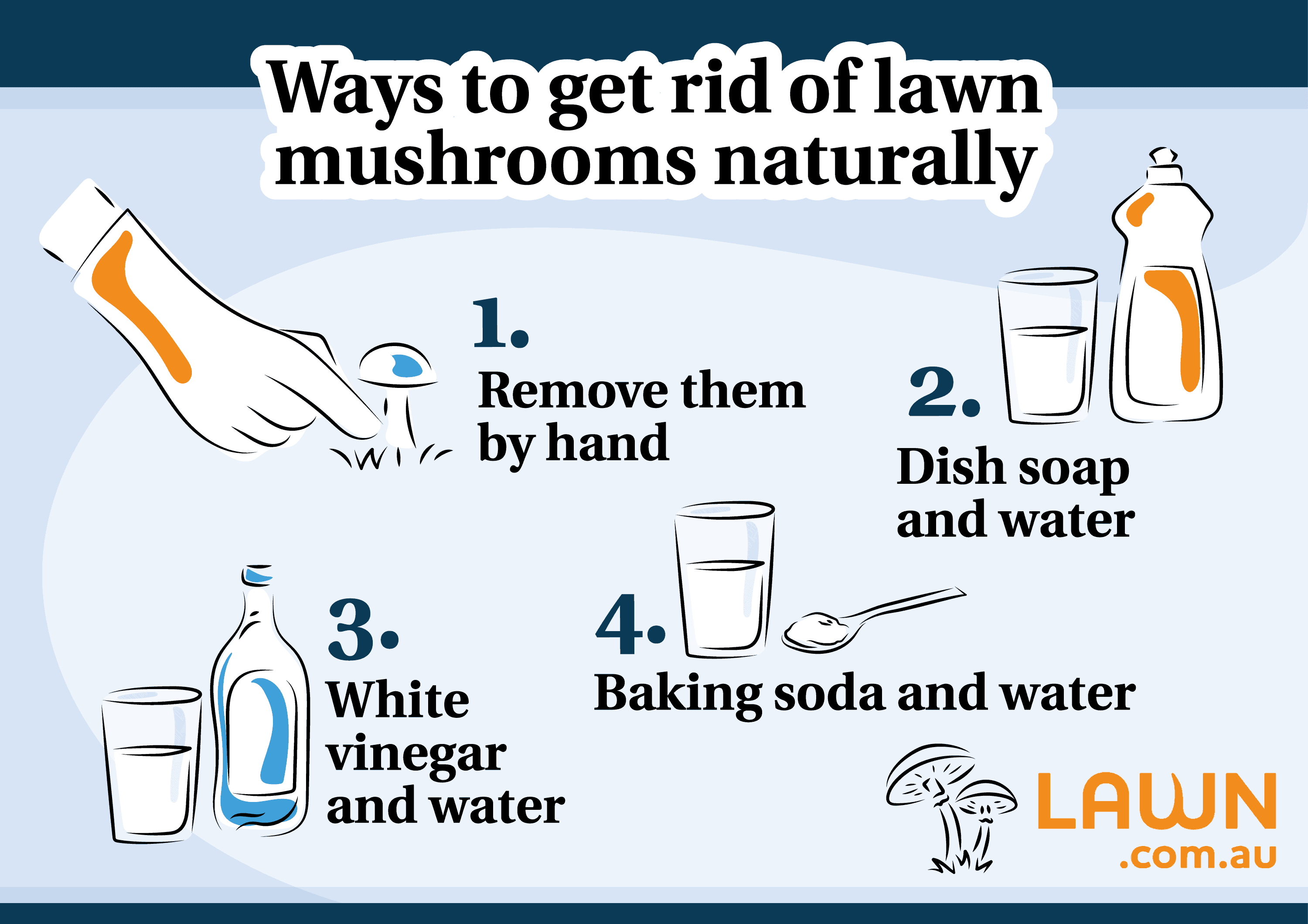
Image Source: lawn.com.au
Why Do Mushrooms Grow In My Yard?
Mushrooms are the fruiting bodies of fungi that live underground. They sprout up when certain conditions are met:
- Moisture: Ample rainfall or overwatering creates a damp environment that fungi love.
- Organic Matter: Decomposing leaves, grass clippings, thatch, and even buried wood provide food for the underground fungal networks.
- Shade and Poor Air Circulation: Densely shaded areas or compacted soil can retain moisture and limit airflow, encouraging fungal growth.
- Soil Imbalances: Certain soil conditions, like a high pH or nutrient deficiencies, can also contribute.
Common Causes for Lawn Fungus Treatment Needs
- Thatch Buildup: A thick layer of dead and living grass stems, roots, and leaves.
- Excessive Shade: Areas under large trees or next to structures.
- Compacted Soil: Limits water and air penetration.
- Overwatering: Keeps the soil consistently too wet.
- Dead Tree Stumps or Buried Wood: A food source for fungi.
Methods for Yard Mushroom Control
Getting rid of mushrooms in your yard involves a multi-pronged approach. It’s not just about removing the visible mushrooms, but addressing the conditions that allow them to grow.
1. Physical Removal: The First Step in Mushroom Removal
The simplest and most immediate way to deal with mushrooms is to remove them physically.
How to Safely Remove Mushrooms
- Gloves: Always wear gloves when handling mushrooms. Some species can cause skin irritation, and it’s impossible to identify all mushrooms accurately.
- Bagging: Place the removed mushrooms into a plastic bag and seal it tightly.
- Disposal: Dispose of the bagged mushrooms in your trash, not in your compost bin, to prevent the spread of spores.
- Timing: Remove mushrooms as soon as you see them. This prevents them from releasing more spores and multiplying.
Why Physical Removal is Important:
While this won’t solve the root cause, it’s crucial for preventing spore dispersal. Each mushroom can release millions of spores, which can then be carried by wind, water, or even animals to new locations in your yard.
2. Addressing Soil and Thatch: Core Lawn Care Mushrooms
Healthy soil and proper thatch management are key to long-term yard mushroom control.
Thatch Management
Thatch is a layer of dead and living grass, stems, and roots that accumulates between the green grass blades and the soil surface. A small amount of thatch is beneficial, but excessive thatch (more than half an inch) can create a perfect environment for fungi.
Methods for Thatch Control:
- Dethatching: This process involves physically removing the accumulated thatch. You can rent a power dethatcher or use a rake with stiff tines. Do this in the spring or fall when grass is actively growing.
- Aeration: Aerating your lawn creates small holes in the soil, allowing air, water, and nutrients to penetrate, which helps break down thatch and improves soil health.
Improving Soil Drainage
Mushrooms thrive in wet conditions. Improving drainage can make your yard less hospitable to them.
Tips for Better Drainage:
- Avoid Overwatering: Water your lawn deeply but infrequently. Allow the soil surface to dry out between waterings.
- Check Sprinkler Systems: Ensure your sprinklers aren’t over-saturating specific areas.
- Amend Heavy Clay Soil: If you have heavy clay soil, incorporating organic matter like compost can improve its structure and drainage.
3. Natural Mushroom Killer Options: Eco-Friendly Solutions
For those seeking a natural mushroom killer, several DIY and readily available options can be effective.
Vinegar Solution
Vinegar is acidic and can disrupt the fungal growth.
DIY Vinegar Spray:
- Mix: Combine one part white vinegar with four parts water in a spray bottle.
- Apply: Spray directly onto the mushrooms and the surrounding affected soil.
- Repeat: You may need to reapply every few days to keep the fungi at bay.
Pros:
* Environmentally friendly.
* Inexpensive and easy to make.
Cons:
* Can temporarily affect grass if sprayed directly on it.
* May require frequent application.
Baking Soda
Baking soda can alter the pH of the soil, making it less favorable for fungal growth.
Baking Soda Application:
- Sprinkle: Sprinkle baking soda directly over the mushroom patches.
- Water: Lightly water the area after application.
Pros:
* Non-toxic to humans and pets.
* Easy to use.
Cons:
* May not be effective against all types of fungi.
* Can temporarily change soil pH.
Corn Gluten Meal
This is a natural pre-emergent herbicide and fertilizer. It can inhibit fungal spore germination.
Corn Gluten Meal Use:
- Apply: Sprinkle a layer of corn gluten meal over the affected areas, especially in spring and fall.
- Water: Water it in according to product instructions.
Pros:
* Natural and organic.
* Provides nitrogen to the lawn.
Cons:
* Timing is crucial for effectiveness.
* Can be expensive for large areas.
Hydrogen Peroxide
A diluted solution of hydrogen peroxide can kill fungi on contact.
Hydrogen Peroxide Spray:
- Mix: Mix a 3% hydrogen peroxide solution with an equal amount of water (1:1 ratio).
- Spray: Apply directly to the mushrooms.
Pros:
* Kills fungi on contact.
* Breaks down into water and oxygen.
Cons:
* Can bleach grass if applied too concentrated or too frequently.
4. Chemical Treatments: When to Consider Lawn Fungus Treatment
If natural methods aren’t sufficient or you have a persistent problem, chemical fungicides might be necessary for lawn fungus treatment.
Types of Fungicides
- Broad-Spectrum Fungicides: These kill a wide range of fungi.
- Systemic Fungicides: These are absorbed by the plant and protect it from within.
- Contact Fungicides: These kill fungi on the surface they touch.
Choosing the Right Fungicide
- Identify the Fungus: If possible, try to identify the type of mushroom or fungus causing the problem. Some fungicides are more effective against specific fungal diseases.
- Read Labels Carefully: Always follow the instructions on the product label for application rates, safety precautions, and targeted pests.
- Consider Environmental Impact: Choose products that are labeled for home lawn use and are as safe as possible for beneficial insects, pets, and the environment.
Applying Fungicides Safely
- Timing: Apply when conditions are favorable for fungal growth (e.g., after rain) but before the problem becomes severe.
- Coverage: Ensure even coverage of the affected areas.
- Safety Gear: Wear protective clothing, gloves, and eye protection.
- Pets and Children: Keep pets and children away from treated areas until the product has dried or as directed on the label.
Note: Chemical treatments should be a last resort, as they can impact soil microbes and beneficial organisms.
5. Cultural Practices for Long-Term Yard Maintenance Mushrooms
Good yard maintenance mushrooms practices are the most effective way to prevent future mushroom growth.
Aeration and Dethatching Schedule
- Aeration: Once a year, especially for high-traffic areas or compacted soil.
- Dethatching: As needed, typically when thatch exceeds half an inch.
Proper Watering Techniques
- Deep and Infrequent: Water to a depth of 4-6 inches.
- Morning Watering: Water in the morning to allow the grass to dry thoroughly before evening.
- Avoid Evening Watering: This can leave the grass wet overnight, promoting fungal diseases.
Mowing Practices
- Mow at the Correct Height: Taller grass shades the soil, which can help prevent some weeds and fungi. Check the recommended height for your grass type.
- Sharp Mower Blades: Cleanly cut grass heals faster and is less susceptible to disease.
Fertilization
- Balanced Fertilization: Ensure your lawn receives a balanced fertilizer program tailored to your grass type and soil test results. Over-fertilizing, especially with nitrogen, can sometimes encourage fungal growth.
Removing Organic Debris
- Rake Leaves: Regularly rake fallen leaves and other organic debris.
- Clean Up Clippings: While light grass clippings can be beneficial, heavy clippings can contribute to thatch.
6. Addressing Specific Mushroom Types and Issues
Different mushroom appearances might indicate different underlying causes.
Fairy Rings
Fairy rings are circular or arc-shaped patterns of mushrooms. They are caused by a fungal mycelium growing outward from a central point.
Controlling Fairy Rings:
- Physical Removal: Remove the visible mushrooms.
- Aeration and Dethatching: These practices can help break up the mycelium.
- Watering: Keep the soil consistently moist, which can help the grass within the ring recover.
- Fungicides: In severe cases, specific fungicides may be needed, applied to the entire ring and a foot beyond it.
Mushroom Spots (Conks or Bracket Fungi)
These often grow on dead or dying trees, stumps, or buried wood.
Dealing with Conks:
- Remove the Source: The most effective way to get rid of conks is to remove the dead tree or stump they are growing on.
- Physical Removal: If the source cannot be removed, you can cut off the conks as they appear. This will not kill the fungus underground but will prevent spore release.
What to Do About Buried Wood
If you suspect buried wood is the cause, you may need to excavate the area and remove the debris. This is labor-intensive but addresses a common food source for lawn fungi.
When to Call a Professional
If you’ve tried various DIY mushroom killer methods and are still struggling with persistent mushroom growth or suspect a serious lawn disease, it may be time to consult a lawn care professional. They can accurately diagnose the problem and recommend specific lawn fungus treatment plans.
Frequently Asked Questions (FAQ)
Q1: Are the mushrooms in my yard poisonous?
A: It is impossible to identify all lawn mushrooms accurately, and many can be toxic if ingested. It’s best to assume all mushrooms in your yard are potentially poisonous and keep children and pets away from them. Always wear gloves when removing them.
Q2: Will killing the visible mushrooms get rid of the problem?
A: No, simply removing the visible mushrooms is only a temporary solution. The fungal organism lives underground as mycelium. To effectively control mushrooms, you need to address the underlying soil conditions that promote fungal growth.
Q3: Can I use salt to kill mushrooms?
A: While salt can dehydrate and kill mushrooms, it can also severely damage your lawn by altering soil salinity and making it difficult for grass to grow. It’s not recommended for widespread yard mushroom control.
Q4: How often should I dethatch my lawn?
A: Dethatching frequency depends on your grass type, climate, and fertilization practices. Typically, most lawns benefit from dethatching once a year in the spring or fall when the grass is actively growing, especially if the thatch layer exceeds half an inch.
Q5: Is it okay to leave mushrooms in my yard?
A: While not always harmful, leaving mushrooms can detract from your lawn’s appearance and may indicate soil issues like poor drainage or excessive thatch. They also pose a potential risk if pets or children ingest them.
Q6: What is the best mushroom killer for lawns?
A: The “best” mushroom killer depends on your preference for natural versus chemical solutions and the severity of the problem. For a natural mushroom killer, vinegar or baking soda solutions can be effective for mild cases. For persistent issues, targeted lawn fungus treatment with appropriate fungicides might be necessary, but always start with cultural practices and physical removal.
Q7: How can I prevent mushrooms from growing back?
A: Consistent yard maintenance mushrooms is key. This includes proper watering (deep and infrequent), good drainage, regular dethatching and aeration, mowing at the correct height, and removing organic debris like fallen leaves. Addressing any buried wood or dead stumps will also help.
By following these guidelines, you can effectively manage and get rid of mushrooms in your yard, ensuring a healthier and more aesthetically pleasing lawn.