
Wondering how to plug a lawn? Plugging a lawn, also known as aeration, is a vital process for improving soil health and encouraging robust grass growth. It involves removing small cores of soil and thatch from your lawn to create openings that allow air, water, and nutrients to reach the grass roots more easily. This guide will walk you through the entire process, from assessing your lawn’s needs to the final steps of plugging.
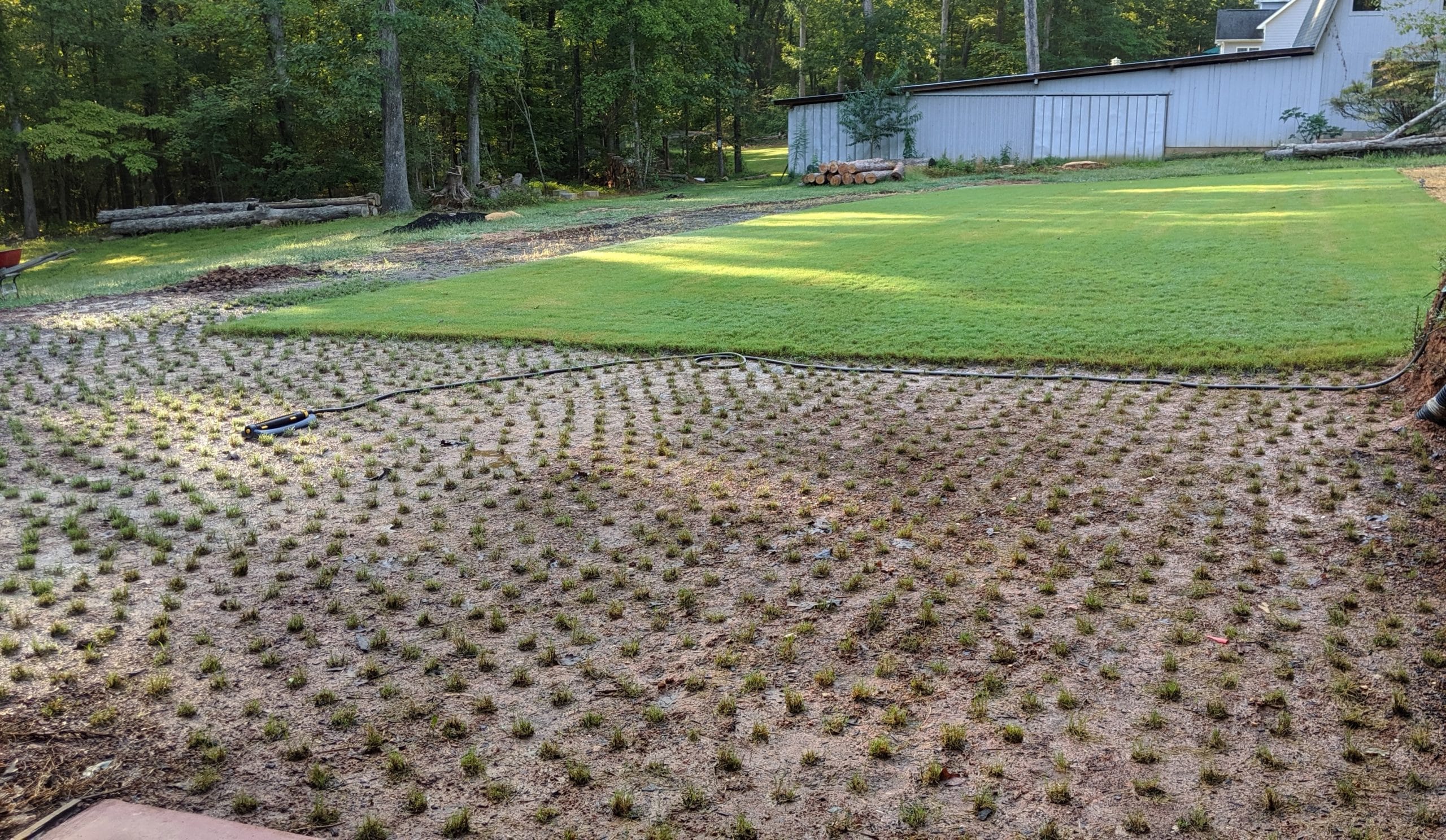
Image Source: proplugger.com
Why Plug Your Lawn?
Your lawn, much like any living organism, needs the right conditions to thrive. Over time, foot traffic, mowing, and natural soil compaction can create a barrier that prevents essential elements from reaching your grass’s root system. This is where plugging, or aeration, becomes crucial. It’s not just about making small holes; it’s about creating a healthier environment for your turf.
The Benefits of Aeration
- Improved Air Circulation: Grass roots need oxygen. Compaction limits oxygen flow, hindering root development. Plugging creates pathways for air to penetrate the soil.
- Enhanced Water Penetration: Water can struggle to reach the roots in compacted soil, leading to surface runoff and shallow root systems. Aeration allows water to soak in more effectively, reaching deeper into the soil profile.
- Better Nutrient Uptake: When soil is compacted, nutrients can’t easily reach the roots. Plugging opens up the soil, allowing fertilizers and other beneficial elements to be absorbed by the grass.
- Reduced Thatch Buildup: Thatch is a layer of dead and living organic matter that accumulates on the soil surface. A thick thatch layer can harbor pests and diseases and prevent water and air from reaching the soil. Aeration helps break down thatch.
- Stronger Root Systems: By providing better access to air, water, and nutrients, plugging encourages deeper and stronger root growth, making your lawn more resilient to drought, heat, and heavy foot traffic.
- Improved Soil Structure: Aeration can help break up compacted soil, promoting better drainage and overall soil health.
When to Plug Your Lawn
Timing is everything when it comes to lawn care. Plugging your lawn is best done when your grass is actively growing. This allows the turf to recover quickly from the process and for new grass to establish itself in the open holes.
Best Times for Plugging
- Cool-Season Grasses (e.g., Kentucky Bluegrass, Fescue, Ryegrass): The ideal time to plug these grasses is in the fall, typically from September to October, or in the early spring, from March to April. Fall is generally preferred as it gives the grass ample time to establish before the heat of summer.
- Warm-Season Grasses (e.g., Bermuda Grass, Zoysia Grass, St. Augustine Grass): Plug these lawns in late spring or early summer, when the grass is actively growing and temperatures are warm. This would be around May to June.
Signs Your Lawn Needs Plugging
- Compacted Soil: If water pools on your lawn after rain or irrigation, or if it’s difficult to push a screwdriver into the soil, your lawn is likely compacted.
- Thick Thatch Layer: A thatch layer thicker than half an inch can indicate a need for aeration.
- Poor Drainage: If your lawn stays soggy for extended periods after watering or rain.
- Spongy Feel: A lawn that feels spongy underfoot is often a sign of excessive thatch buildup.
- Dull, Weak Growth: If your grass looks thin, discolored, or isn’t growing as vigorously as it should, it might be due to poor soil conditions.
How to Plug a Lawn: Step-by-Step
Plugging your lawn can be done manually with a manual aerator or by using a powered core aerator. For larger lawns, a powered aerator is usually more efficient.
Step 1: Prepare Your Lawn
Before you start plugging, ensure your lawn is properly prepared. This initial step sets the stage for a successful aeration process.
Mowing Your Lawn
- Mow the grass to about 2-3 inches in height. This makes it easier for the aerator to penetrate the soil and removes excess top growth that might interfere with the plugging process.
- Bag the clippings. This prevents excess green material from clogging the aerator or creating an overly dense layer on the surface after aeration.
Water Your Lawn
- Water your lawn thoroughly a day or two before aerating. The soil should be moist but not waterlogged. This makes it easier for the aerator to pull out clean cores of soil. Dry soil can lead to shallow, ineffective plugging.
Clear Debris
- Remove any rocks, sticks, or other debris from the lawn. These can damage your aerator or prevent it from working effectively.
Step 2: Choose Your Aeration Tool
The type of tool you use will depend on the size of your lawn and your budget.
Manual Core Aerator
- How it works: This tool resembles a pitchfork with hollow tines. You push down on the handle to drive the tines into the soil, then twist and pull to remove a core of soil.
- Pros: Inexpensive, good for small lawns or spot-treating specific compacted areas.
- Cons: Labor-intensive, time-consuming for larger areas.
Powered Core Aerator
- How it works: These machines, available for rent or purchase, have rotating tines that automatically pull out soil cores as you push the machine across the lawn.
- Pros: Much faster and more efficient for larger lawns, produces cleaner, more consistent cores.
- Cons: More expensive, requires more effort to maneuver.
Spike Aerator (Less Recommended for Plugging)
- Note: Spike aerators push spikes into the soil, creating holes but not removing cores. While they improve air and water penetration, they can sometimes compact the soil around the holes, especially in heavy clay soils. For true plugging, core aerators are preferred.
Step 3: The Plugging Process
This is where the core of the work happens – making those essential holes!
Using a Manual Core Aerator
- Position the Aerator: Place the aerator over the area you want to plug.
- Apply Pressure and Twist: Step onto the footplate (if it has one) and push down firmly. Twist the handle to help break up the soil.
- Pull Out the Core: Lift the aerator, pulling the soil core out of the ground.
- Repeat: Continue this process, spacing the holes evenly across your lawn. Overlap the holes slightly to ensure thorough aeration.
Using a Powered Core Aerator
- Start the Machine: Follow the manufacturer’s instructions to start the aerator.
- Begin Aerating: Push the aerator forward in a straight line across your lawn. The tines will automatically dig into the soil and eject the cores.
- Overlap Passes: Overlap each pass by a few inches to ensure complete coverage. Aim for a pattern that covers the entire lawn.
- Navigate Obstacles: Carefully maneuver the aerator around sprinkler heads, garden beds, and other obstacles.
Optimal Hole Spacing and Depth
- Spacing: Aim to create holes approximately 2-6 inches apart. This ensures good coverage without overwhelming the grass.
- Depth: The ideal depth for the cores is about 2-4 inches. This depth allows air, water, and nutrients to reach the deeper root zone. The tines of your aerator should be long enough to achieve this.
Step 4: Post-Plugging Care
What you do after plugging is just as important as the plugging itself for a healthy lawn.
Dealing with Soil Cores
- Leave Them: The soil cores that are ejected onto the lawn are beneficial. They are composed of soil and thatch, and as they break down, they return valuable organic matter to the soil surface.
- Break Them Up (Optional): If the cores are large or you want to speed up the decomposition process, you can lightly break them up with the back of a rake or by dragging a mat across the lawn.
- Remove Them (Rarely Needed): Only remove the cores if they are excessively large, clumping together, or if you are overseeding immediately and want a clean surface.
Watering After Aeration
- Water your lawn lightly after aeration. This helps to settle the soil and encourages new root growth. Avoid overwatering, which can lead to soil compaction again.
Fertilizing After Aeration
- Apply fertilizer after plugging. This is an excellent time to feed your lawn, as the fertilizer will have direct access to the root zone through the newly created holes. Choose a balanced lawn fertilizer suitable for your grass type and the season.
Overseeding After Aeration
- Overseeding patchy lawn: Plugging is the perfect time to overseed your lawn, especially if you have bare or thin areas. The newly opened holes provide an ideal seedbed for grass seed to germinate and establish.
- How to Overseed: Spread a quality grass seed mix evenly across the lawn. You can use a spreader for even application.
- Ensure Seed-to-Soil Contact: Gently rake the seed into the existing soil, especially into the aeration holes. This ensures good contact for germination.
- Keep Seeded Areas Moist: Water the newly seeded areas regularly until the seeds have germinated and the seedlings are established.
Repairing Lawn Dips and Holes
- Filling lawn holes and Repairing lawn dips: Aeration can sometimes expose small dips or holes in your lawn. You can use a good quality topsoil or compost mix to fill lawn holes and repair lawn dips. Spread the topsoil evenly and lightly rake it to blend with the surrounding area. You can then sow grass seed in these areas.
Addressing Lawn Ruts and Divots
- Repairing lawn ruts and Filling lawn divots: For deeper repairing lawn ruts or filling lawn divots, you might need to use a heavier mixture of topsoil and compost. Gently press the soil into the ruts and divots, ensuring it’s level with the surrounding lawn. Then, sow grass seed and water well.
Step 5: Ongoing Maintenance
Proper aftercare ensures you reap the full benefits of your plugging efforts.
- Continue Regular Watering: Water your lawn as needed, ensuring deep watering to encourage root growth.
- Mow Regularly: As your grass recovers and grows, continue mowing at the appropriate height for your grass type.
- Monitor for Weeds: Be vigilant about weeds, especially in areas where the grass might be thin.
Advanced Techniques and Considerations
While core aeration is the primary method of plugging, there are other aspects to consider for optimal lawn health.
Leveling Uneven Lawn
If your lawn has significant bumps and dips, plugging alone may not be enough to leveling uneven lawn. In such cases, you might need to:
- Topdressing: Apply a thin layer of soil or compost mix to gradually build up low areas. This can be done in conjunction with or after aeration.
- Sodding Bare Patches: For severely uneven areas or bare spots that don’t readily recover, sodding bare patches might be the most effective solution. This involves laying down pre-grown turf.
Sealing Lawn Cracks
While plugging doesn’t directly address sealing lawn cracks, a healthy, well-aerated lawn is less prone to developing them. If you have significant cracks due to soil drying and shrinking, improving soil moisture retention through aeration and proper watering can help. For minor cracks, you can fill them with a soil and seed mixture.
Overseeding Patchy Lawn
As mentioned earlier, overseeding is a fantastic follow-up to aeration. If you have a generally patchy lawn, overseeding patchy lawn areas after plugging will significantly improve its density and appearance. Use a blend of seeds that matches your existing turf for a seamless look. This is a crucial part of the grass seed repair process.
Common Problems and Solutions
Even with the best intentions, you might encounter a few hiccups.
Problem: Aerator Not Penetrating Soil
- Cause: Soil is too dry or too hard.
- Solution: Water the lawn thoroughly a day or two before aerating. If it’s still difficult, try a slightly deeper watering.
Problem: Aerator Pulling Out Very Little Soil
- Cause: Soil is too wet, or the aerator’s tines are not sharp or are clogged.
- Solution: Allow the soil to dry slightly. Clean the aerator’s tines and ensure they are not blocked. For powered aerators, check the engine and tine mechanism.
Problem: Excessive Thatch After Aeration
- Cause: The thatch layer was extremely thick, and the aerator didn’t fully penetrate it.
- Solution: You may need to rake the lawn after aeration to break up the larger thatch clumps. Consider dethatching your lawn before aerating if the thatch layer is consistently over half an inch.
Problem: Grass Not Recovering Quickly
- Cause: Poor weather conditions (extreme heat or cold), insufficient watering, or underlying soil issues.
- Solution: Ensure the lawn is adequately watered. Avoid fertilizing during extreme weather. If the problem persists, re-evaluate your soil conditions.
Summary Table: Plugging Your Lawn
| Step | Action | Key Considerations |
|---|---|---|
| 1. Preparation | Mow to 2-3 inches; Water 1-2 days prior; Clear debris. | Moist soil is crucial for effective core removal. |
| 2. Tool Selection | Manual core aerator (small lawns), Powered core aerator (large lawns). | Choose based on lawn size and effort. |
| 3. Aeration | Push/pull hollow tines or use powered machine. | Spacing: 2-6 inches; Depth: 2-4 inches. Overlap passes for coverage. |
| 4. Post-Care | Leave cores; Water lightly; Fertilize; Overseed (optional). | Cores return nutrients. Fertilizing now targets roots. Overseeding improves density. |
| 5. Ongoing | Continue regular watering and mowing. | Support new growth and overall lawn health. |
Frequently Asked Questions (FAQ)
Q1: How often should I plug my lawn?
A1: Most lawns benefit from plugging once every 1-3 years, depending on soil type and usage. Lawns in high-traffic areas or with heavy clay soil may require annual aeration.
Q2: Can I plug my lawn in the summer?
A2: It’s generally not recommended to plug your lawn during the hot summer months, as this can stress the grass and make it more susceptible to damage and drought. Stick to the recommended times for your grass type.
Q3: What is the difference between plugging and spiking?
A3: Plugging (core aeration) removes small cylinders of soil and thatch, creating open channels for air, water, and nutrients. Spiking pushes spikes into the soil, creating holes but not removing material. Plugging is generally more effective for improving compacted soil.
Q4: My lawn is very bumpy. Will plugging fix this?
A4: Plugging helps to improve soil structure, which can indirectly lead to a more level lawn over time. However, for significant unevenness, you may need to combine plugging with topdressing or other leveling techniques.
Q5: Is it okay to plug a newly seeded lawn?
A5: No, it’s best to wait until your new lawn is well-established and has been mowed several times before plugging. Plugging can dislodge young grass.
Q6: What is the best type of grass seed to use for overseeding after plugging?
A6: Choose a high-quality grass seed mix that is appropriate for your climate and existing grass type. Look for seeds that are known for good establishment and disease resistance.
By following these steps, you can effectively plug your lawn, leading to healthier, more resilient, and greener turf. Happy plugging!