
Can you naturally kill clover in your lawn? Yes, you absolutely can! This guide will walk you through simple, effective steps for natural clover eradication, turning your lawn into a pristine green carpet.
Clover, with its distinctive three-leafed structure and white flowers, can be a persistent problem for homeowners aiming for a uniform lawn. While it does offer benefits like nitrogen fixation, its spreading nature can quickly overwhelm desirable grasses. Many seek natural weed killer solutions to tackle this leafy invader without resorting to harsh chemicals. This article provides a comprehensive look at DIY clover removal and organic lawn care strategies to achieve a healthy, clover-free lawn.
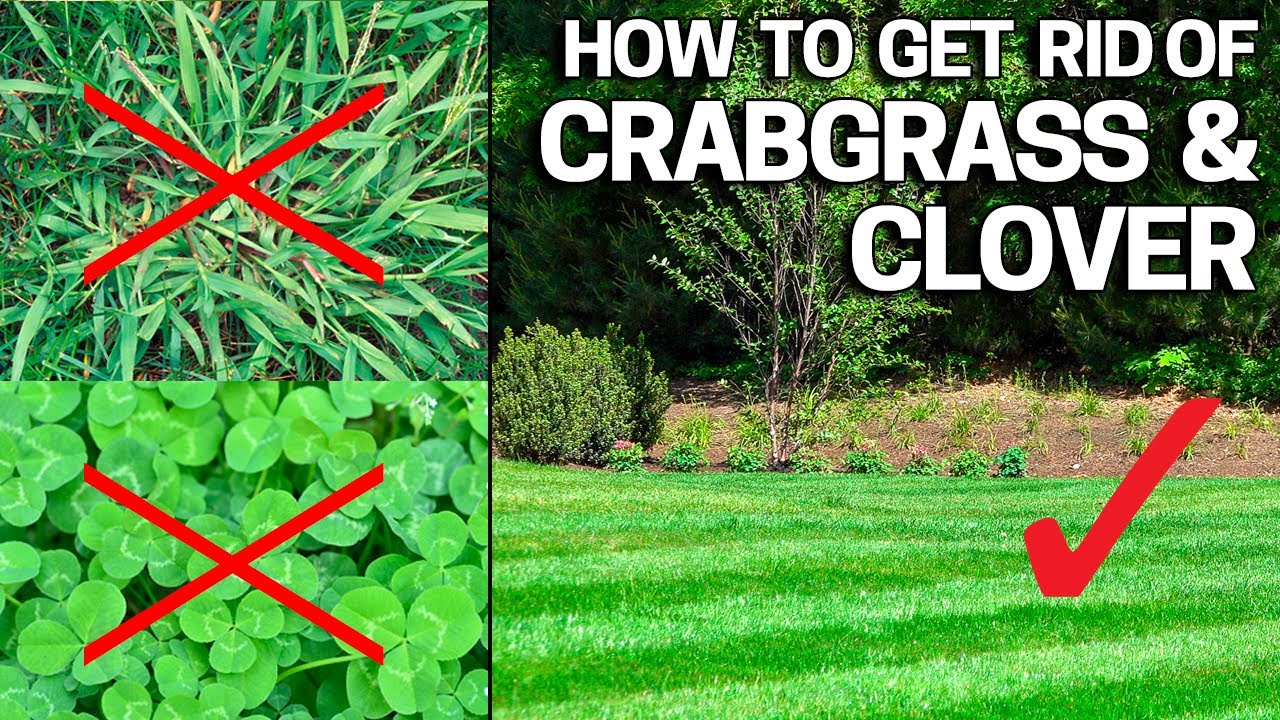
Image Source: i.ytimg.com
Why Clover Takes Over Your Lawn
Clover thrives in conditions that often stress traditional turfgrass. It prefers compacted soil, low fertility, and drought conditions. When your grass is weak, clover sees an open invitation to spread.
Understanding Clover’s Needs
- Soil Compaction: Heavy foot traffic and improper mowing can compact soil, making it difficult for grass roots to penetrate. Clover roots, however, can often manage in these conditions.
- Low Nitrogen: Grass needs nitrogen to grow strong and lush. If your lawn is lacking in nitrogen, clover, which can fix nitrogen from the air into the soil, gains a competitive edge.
- Mowing Height: Mowing your grass too short weakens it, allowing clover to get more sunlight and spread its roots.
- pH Imbalance: Clover often indicates that your soil pH might be too acidic.
Natural Methods for Clover Eradication
Tackling clover naturally involves a combination of direct removal and improving your lawn’s overall health to favor grass.
Manual Clover Pulling: The Foundation of DIY Clover Removal
This is the most direct and often the first step in DIY clover removal. It requires time and effort but is highly effective for smaller infestations.
Tools You’ll Need
- Gloves
- A garden trowel or a specialized weeding tool
- A bucket or bag for collected clover
Step-by-Step Manual Pulling
- Choose the Right Time: The best time to pull clover is after a rain or watering session. Moist soil makes it easier to pull the entire root system.
- Loosen the Soil: If the soil is dry, use your trowel to gently loosen the soil around the base of the clover plant.
- Grasp Firmly: Get a good grip on the clover plant at its base.
- Pull Gently but Steadily: Pull the plant upwards, trying to extract as much of the root as possible. Clover has a taproot, and leaving parts of it behind can allow it to regrow.
- Dispose of Clover: Place the pulled clover in a bag or bucket. Avoid leaving it on the lawn, as it can re-root or the seeds can spread.
- Fill the Hole: Use a bit of soil or compost to fill any holes left behind by the pulled clover. This prevents new weeds from taking root.
- Repeat: Regularly check your lawn for new clover growth and repeat the process.
Improving Lawn Health: The Long-Term Clover Eradication Strategy
The most sustainable way to achieve clover eradication lawn is to create an environment where grass thrives and clover struggles. This is the essence of organic lawn care.
Proper Mowing Practices
- Mow High: Set your mower to a higher setting, typically 3-4 inches for most cool-season grasses. Taller grass shades out weed seeds, including clover, and encourages deeper root growth in your turf.
- Sharp Mower Blades: Ensure your mower blades are sharp. Dull blades tear grass, leaving it vulnerable to diseases and stress, which clover can exploit.
- Mulch Mowing: Leave grass clippings on the lawn. They act as a natural fertilizer, adding nutrients back into the soil.
Watering Wisely
- Deep and Infrequent Watering: Water your lawn deeply but less often. This encourages grass to develop deep root systems, making it more resilient. Shallow, frequent watering promotes shallow roots that are more susceptible to drought and weeds.
- Water in the Morning: Watering in the morning allows the grass blades to dry before evening, reducing the risk of fungal diseases.
Fertilizing for Grass Strength
- Organic Fertilizers: Opt for organic fertilizers. These release nutrients slowly, feeding the soil microbes and promoting long-term soil health. Look for fertilizers with a good balance of nitrogen, phosphorus, and potassium.
- Soil Testing: Consider a soil test to determine nutrient deficiencies and pH levels. This will help you choose the right fertilizers and amendments.
Aeration and Dethatching
- Aeration: If your soil is compacted, aeration is crucial. This process removes small plugs of soil, allowing air, water, and nutrients to reach the grass roots more easily. It also helps break up the soil structure that clover prefers.
- Dethatching: A thick layer of thatch (dead grass and organic matter) can prevent water and nutrients from reaching the soil. Dethatching removes this layer, improving soil access for your grass.
Natural Weed Killer Recipes for Clover
When manual pulling isn’t enough, or for a quicker knockdown, several DIY weed killer recipes can be effective against clover. These are often considered the best natural weed killers.
The Power of Vinegar: Vinegar Lawn Treatment
Household vinegar, particularly horticultural vinegar with a higher acetic acid content (10-20%), can be a potent natural weed killer.
How it Works
Vinegar’s acetic acid acts as a contact killer, desiccating the plant tissue it touches. It’s most effective on young, actively growing weeds.
DIY Vinegar Spray Recipe
- Ingredients:
- 1 gallon of white vinegar (5% acidity)
- 1 tablespoon of liquid dish soap (acts as a surfactant, helping the vinegar stick to leaves)
- Optional: 1 tablespoon of salt (enhances the drying effect, but use sparingly to avoid long-term soil damage)
- Instructions:
- Mix all ingredients thoroughly in a garden sprayer.
- Apply directly to the clover leaves on a sunny, dry day.
- Be careful not to spray desirable grasses, as vinegar is non-selective and will harm them too.
Important Considerations for Vinegar Lawn Treatment
- Non-Selective: Vinegar will kill any plant it comes into contact with.
- Soil pH: Frequent use of vinegar can lower soil pH over time.
- Root System: Vinegar primarily kills the top growth. Clover may regrow from the roots if they are not fully eradicated. For tougher infestations, you might need repeat applications or combine with other methods.
- Horticultural Vinegar: For more robust results, consider using horticultural vinegar (10-20% acetic acid). Handle with care, as it is more potent.
Boiling Water Weed Control: A Simple Yet Effective Method
For targeted clover eradication lawn, boiling water is a remarkably simple and effective natural weed killer.
How it Works
The extreme heat of boiling water instantly kills plant cells, effectively wilting and killing the clover.
Steps for Boiling Water Weed Control
- Boil Water: Bring a kettle or pot of water to a rolling boil.
- Target Clover Patches: Carefully and slowly pour the boiling water directly onto the clover plants. Aim to saturate the leaves and the area around the base.
- Be Precise: As with vinegar, avoid pouring boiling water on your desirable grass. It will kill grass just as effectively as clover.
- Repeat if Necessary: For larger or more established clover plants, you might need to apply boiling water a second or third time.
Advantages of Boiling Water
- Completely Natural: No chemicals involved.
- Instantaneous Results: You’ll see wilting within minutes.
- Safe for Soil: Once cooled, it doesn’t leave harmful residues.
Disadvantages of Boiling Water
- Labor Intensive: Requires carrying hot water, which can be cumbersome.
- Non-Selective: As mentioned, it kills all plants.
- Root Survival: Deep roots might survive initial applications, requiring repeated treatments.
Corn Gluten Meal: A Pre-Emergent Natural Solution
Corn gluten meal is a unique natural weed killer that works as a pre-emergent. This means it prevents weed seeds from establishing roots, rather than killing existing plants.
How Corn Gluten Meal Works
Corn gluten meal is a byproduct of corn milling. When applied to the soil, it releases proteins that inhibit the formation of the mitotic spindle during cell division in germinating seeds. This prevents them from developing roots and emerging from the soil.
Application of Corn Gluten Meal
- Timing is Crucial: Apply corn gluten meal in early spring, before clover seeds (and grass seeds, if you’re overseeding) begin to germinate. The ideal window is typically when soil temperatures reach around 55°F.
- Even Distribution: Apply it evenly across the lawn using a spreader.
- No Watering Immediately: Do not water the lawn immediately after application. The effectiveness of corn gluten meal is reduced if it’s washed into the soil too quickly. It needs to sit on the soil surface to catch germinating seeds.
- Follow-up Applications: For continuous pre-emergent control, you may need to apply corn gluten meal again in the fall.
Benefits of Corn Gluten Meal
- Natural Fertilizer: It also provides a slow-release source of nitrogen for your lawn, acting as a natural fertilizer.
- Safe for Established Grass: It does not harm established grass plants.
- Environmentally Friendly: It’s a completely natural product.
Limitations of Corn Gluten Meal
- Pre-Emergent Only: It will not kill existing clover plants.
- Precise Timing: Its effectiveness relies heavily on correct application timing.
- Consistency: Results can vary depending on soil conditions and weather.
Other Natural Weed Killer Recipes (DIY)
Here are a couple more DIY weed killer recipes to add to your arsenal of natural weed killer options.
Salty Solution
- Ingredients:
- 1 cup of Epsom salt
- 1 gallon of water
- Instructions:
- Dissolve the Epsom salt in the water.
- Pour into a spray bottle or garden sprayer.
- Apply directly to clover leaves.
Caution: Salt can damage your soil and grass if used excessively. Use this sparingly and only on targeted clover patches.
Citrus Power
- Ingredients:
- Peels from 2-3 oranges or lemons
- 1 quart of white vinegar
- Instructions:
- Place citrus peels in a jar.
- Pour vinegar over the peels, ensuring they are submerged.
- Seal the jar and let it steep for 1-2 weeks.
- Strain the liquid and discard the peels.
- Pour the citrus-infused vinegar into a spray bottle.
- Apply to clover.
The d-limonene in citrus oils can help break down plant cell walls.
Combining Strategies for Maximum Clover Eradication Lawn Success
The most effective approach to clover eradication lawn is often a multi-pronged strategy.
The Integrated Approach: Manual, Natural Sprays, and Lawn Health
- Start with Manual Pulling: For visible clover patches, begin with manual pulling to immediately reduce the plant population.
- Apply Natural Sprays Strategically: Use your DIY weed killer recipes (vinegar-based, boiling water) on any remaining clover or new sprouts that appear. Be precise to protect your grass.
- Boost Lawn Health: Continuously implement organic lawn care practices:
- Mow high.
- Water deeply and infrequently.
- Fertilize organically.
- Aerate and dethatch as needed.
- Consider Corn Gluten Meal: Apply corn gluten meal in the spring and fall as a preventive measure against new clover germination.
Timing Your Efforts
- Spring: This is an ideal time for manual pulling and applying corn gluten meal as a pre-emergent. You can also start your improved lawn care routines.
- Summer: Continue manual pulling and spot-treat with natural sprays during dry periods. Be cautious with vinegar sprays on hot days, as they can be more aggressive and potentially harm your grass.
- Fall: This is another excellent time for manual pulling, overseeding (if needed), and applying corn gluten meal. Improving soil health through aeration and dethatching is also beneficial in the fall.
Common Questions About Natural Clover Control
Here’s a look at some frequently asked questions regarding DIY clover removal and organic lawn care.
FAQ: Natural Clover Control
- Q1: Will vinegar kill my lawn?
- A: Yes, vinegar is a non-selective herbicide. It will kill any plant it comes into contact with, including your grass. It’s crucial to apply it directly to the clover and avoid overspray.
- Q2: How often should I apply natural weed killers?
- A: For vinegar or salt solutions, you may need to reapply every few weeks as new clover growth appears. Corn gluten meal applications are typically done twice a year (spring and fall).
- Q3: Is corn gluten meal safe for pets and children?
- A: Yes, corn gluten meal is generally considered safe for pets and children. It’s a natural product that also acts as a fertilizer.
- Q4: Can I use a natural weed killer on a drought-stressed lawn?
- A: It’s best to avoid applying any weed killer, natural or chemical, to a drought-stressed lawn. Wait until the grass has recovered. Natural sprays like vinegar can be particularly harsh on already stressed plants.
- Q5: What’s the best time of year to tackle clover naturally?
- A: Early spring and fall are the best times. Spring allows you to address existing clover and use pre-emergents. Fall is great for manual removal and setting up for a healthier lawn the following year.
- Q6: Can I just overseed my lawn to outcompete clover?
- A: Overseeding with a dense, healthy grass variety is a key component of organic lawn care and can help outcompete clover over time. However, it’s most effective when combined with other methods to reduce the existing clover population first.
- Q7: How long does it take for natural methods to work?
- A: Natural methods often take longer to show dramatic results compared to chemical herbicides. Patience and consistent effort are key. You might see visible wilting of clover within hours of a vinegar or boiling water treatment, but complete clover eradication lawn is a process that builds over seasons by improving your lawn’s health.
Conclusion: Your Path to a Clover-Free, Natural Lawn
Achieving a clover eradication lawn naturally is a rewarding process that contributes to a healthier ecosystem. By combining diligent manual removal, strategic use of DIY weed killer recipes, and a commitment to organic lawn care principles, you can effectively manage clover and foster a lush, vibrant lawn. Remember, a healthy, well-maintained lawn is the best defense against weeds. Embrace the journey of DIY clover removal, and enjoy a beautiful, naturally managed green space.