
Can you eliminate lizards from your yard naturally and permanently? Yes, you can achieve natural lizard elimination and long-term solutions through a combination of habitat modification, natural repellents, and exclusion techniques. This comprehensive guide will explore effective and safe methods to manage lizards in your yard, ensuring a peaceful coexistence or a lizard-free environment.
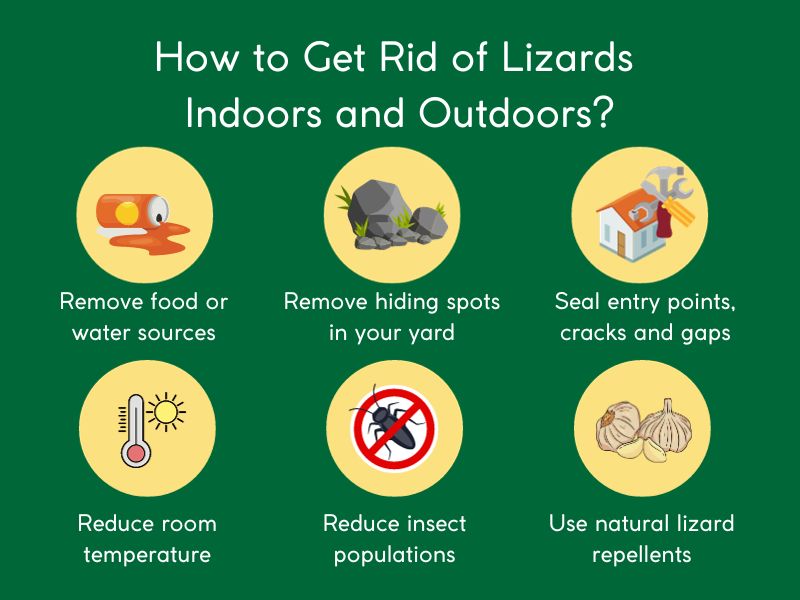
Image Source: killem.com.sg
How to Eliminate Lizards From Yard Naturally: Safe & Permanent Solutions
Lizards can be fascinating creatures, playing a role in controlling insect populations. However, when they become a nuisance in your yard or start to enter your home, finding safe and natural ways to manage them is essential. This article delves into effective lizard control methods that focus on prevention, deterrence, and humane removal, allowing you to reclaim your outdoor spaces. We’ll cover everything from natural lizard repellents to robust DIY lizard exclusion strategies that aim for permanent solutions and safe lizard removal.
Deciphering Lizard Attraction: Why Are They in Your Yard?
Before we can eliminate lizards, it’s important to understand what attracts them to a specific environment. Lizards are ectothermic, meaning they rely on external sources of heat. They are also attracted to food and shelter. Identifying these attractants is the first step in developing a successful yard maintenance for lizards strategy.
Food Sources
Lizards primarily feed on insects. If your yard is teeming with ants, flies, mosquitoes, spiders, or other small invertebrates, it will naturally attract lizards looking for a meal. Areas with a high insect population often indicate an imbalance in the garden ecosystem.
Shelter and Sunning Spots
Lizards need places to hide from predators and to bask in the sun to regulate their body temperature. Common attractants include:
- Debris piles: Woodpiles, leaf litter, compost heaps, and rock piles provide excellent hiding places and basking opportunities.
- Overgrown vegetation: Dense bushes, tall grasses, and untrimmed hedges offer both shelter and a hunting ground for insects.
- Cracks and crevices: Gaps in walls, foundations, patios, and stacked stones can serve as entry points and nesting sites.
- Warm surfaces: Paved areas, rocks, and dark mulch can absorb and retain heat, making them attractive basking spots.
Water Sources
While not their primary attractant, standing water sources can indirectly draw insects, which in turn attract lizards. Bird baths, leaky faucets, or poorly draining areas can contribute to this.
Natural Lizard Repellents: Creating an Uninviting Environment
Employing natural lizard repellents is a key strategy for discouraging them without resorting to harsh chemicals. These methods aim to make your yard less appealing to lizards.
Essential Oils: Aromatic Deterrents
Certain essential oils possess strong scents that lizards find unpleasant. Diluting these oils with water and spraying them around the perimeter of your home, gardens, and potential entry points can be effective.
- Peppermint Oil: A strong scent that many reptiles dislike.
- Cinnamon Oil: Known for its strong aroma, it can also deter insects.
- Clove Oil: Another potent scent that repels lizards.
- Citrus Oils (Lemon, Orange): The strong scent of citrus peels or oils can be a deterrent.
Application Tips:
- Mix 10-15 drops of essential oil with a cup of water.
- Add a drop of mild dish soap to help the oil and water mix better.
- Spray regularly, especially after rain, as the scent can dissipate.
- Focus on entry points, foundation walls, and areas where you frequently see lizards.
Garlic: A Potent Natural Repellent
Garlic is a well-known natural pest deterrent, and its strong smell can also work against lizards.
- Garlic Spray: Mince a few cloves of garlic and steep them in water overnight. Strain the liquid and spray it around your yard.
- Garlic Powder: Sprinkle garlic powder around your garden beds and the perimeter of your home. Reapply regularly.
Cayenne Pepper and Other Spicy Powders
Lizards, like many animals, are sensitive to capsaicin. Sprinkling cayenne pepper, chili powder, or even black pepper in areas where lizards are prevalent can create an irritating barrier.
Caution: Be mindful when using these around pets or small children, as they can cause irritation. Reapply after rain.
Coffee Grounds and Eggshells
While anecdotal, many gardeners report success using coffee grounds and crushed eggshells as natural lizard repellents.
- Coffee Grounds: Sprinkle used coffee grounds around plants. The aroma and texture may deter lizards.
- Eggshells: Crushed eggshells create a sharp, abrasive barrier that lizards may avoid. Ensure they are thoroughly crushed to prevent injury to beneficial creatures.
Humane Lizard Trapping and Removal
For existing lizard populations, humane trapping offers a way to remove them without causing harm. This is a crucial aspect of humane lizard trapping.
DIY Trapping Methods
Simple traps can be made using readily available materials.
- Sticky Traps: These can be effective but pose a risk to other wildlife. If used, check them frequently and release non-target animals.
- Container Traps: Place a deep container (like a bucket) partially into the ground. Lizards may fall in and be unable to climb out. Place a ramp leading up to the edge to encourage them.
Placement and Monitoring:
- Place traps in areas where you have seen the most lizard activity.
- Check traps daily to ensure humane treatment and to release any non-target animals.
- Once trapped, relocate lizards a significant distance from your home to prevent them from returning. Choose a suitable habitat for them, such as a wooded area.
Garden Pest Control Lizards: Coexisting with Nature
If your goal is not complete elimination but rather control, consider how lizards can contribute positively to your garden. They are natural predators of many garden pests.
Enhancing Beneficial Insects
By managing your garden to attract beneficial insects (like ladybugs and predatory wasps), you create a balanced ecosystem. This reduces the need for chemical pesticides, which can harm lizards and other wildlife.
- Plant native flowers and herbs that attract beneficial insects.
- Avoid broad-spectrum pesticides that kill both pests and their natural predators.
- Provide water sources for beneficial insects.
DIY Lizard Exclusion: Preventing Entry Into Your Home
Preventing lizards from entering your house is a crucial step towards permanent solutions. DIY lizard exclusion involves sealing potential entry points and making your home’s exterior less inviting.
Sealing Cracks and Gaps
Lizards can squeeze through surprisingly small openings. A thorough inspection of your home’s exterior is essential.
- Foundations: Seal any cracks or holes in the foundation walls using caulk or expanding foam.
- Windows and Doors: Ensure window screens are intact and free of holes. Install door sweeps to close the gap at the bottom of doors.
- Vents and Utility Lines: Seal around any pipes, wires, or vents that enter your home.
- Roof and Eaves: Check for any damaged siding, fascia, or soffits that could allow entry.
Modifying Your Yard’s Lure
The goal is to remove what attracts lizards to your home in the first place. This relates to effective yard maintenance for lizards.
- Reduce Debris: Regularly clear away woodpiles, leaf litter, rocks, and compost piles that are close to your house. If you must have a woodpile, elevate it and keep it away from the foundation.
- Trim Vegetation: Keep shrubs, trees, and bushes trimmed back from your home’s foundation. This removes hiding places and pathways for lizards to reach your walls.
- Clear Crawl Spaces: Ensure crawl spaces and attics are sealed and free of clutter.
- Manage Outdoor Lighting: Outdoor lights attract insects, which in turn attract lizards. Consider using yellow “bug lights” or motion-sensor lights to reduce insect attraction.
Creating a Lizard-Unfriendly Landscape
The way you design and maintain your garden can significantly impact lizard populations. This is a vital aspect of garden pest control lizards.
Strategic Planting
Some plants are known to deter lizards due to their scent or texture.
- Mint: The strong aroma of mint can be a deterrent. Plant it in containers or areas where you want to discourage lizards.
- Rue: This plant has a strong, unpleasant smell that can repel reptiles.
- Marigolds: While not a direct repellent, marigolds can deter some insect pests, thereby indirectly reducing a food source for lizards.
Water Management
Eliminate standing water sources that attract insects. Ensure proper drainage around your home.
Material Choices
- Gravel and Mulch: While dark mulch can absorb heat, lighter-colored gravel can reflect more heat and may be less appealing for basking.
- Rock Gardens: If you have rock gardens, try to minimize crevices where lizards can hide. Keep them well-maintained and free of debris.
Advanced Deterrents and Treatments
Beyond basic repellents, there are other strategies to consider for more persistent lizard issues.
Ultrasonic Repellers
These devices emit high-frequency sound waves that are supposed to be unpleasant to lizards and other pests. Their effectiveness can vary, and some studies suggest that lizards may eventually become accustomed to the sounds.
Professional Pest Control
If natural methods and DIY exclusion aren’t sufficient, consider contacting a professional pest control service that specializes in humane wildlife removal. They can offer more targeted solutions and advice tailored to your specific situation.
Table: Natural Lizard Repellent Comparison
| Repellent Type | How it Works | Application | Duration of Effect | Notes |
|---|---|---|---|---|
| Essential Oils | Strong, unpleasant scent for lizards | Spray diluted mixture around entry points | Short (reapply) | Peppermint, cinnamon, clove, citrus oils are good options. |
| Garlic | Potent odor deters lizards and insects | Garlic spray or powder around garden/home | Medium (reapply) | Fresh garlic is generally more potent. |
| Cayenne Pepper | Irritating to lizard’s skin and senses | Sprinkle powder around affected areas | Short (reapply) | Use cautiously around pets and children. |
| Coffee Grounds | Aroma and texture may deter lizards | Sprinkle around plants and yard edges | Short (reapply) | Benefits soil as well. |
| Crushed Eggshells | Sharp, abrasive texture discourages movement | Sprinkle around garden beds | Medium (reapply) | Ensure shells are thoroughly crushed. |
| Rue | Strong, unpleasant smell | Plant in garden beds or pots near entry points | Long-term (plant) | Can be toxic if ingested, handle with care. |
| Mint | Invigorating scent can deter lizards | Plant in pots or designated areas | Long-term (plant) | Can spread aggressively, so container planting is often preferred. |
Preventing Lizards Entering House: A Multi-Pronged Approach
To truly prevent lizards entering house, a consistent and comprehensive strategy is needed. It’s not just about sealing holes; it’s about making your entire property less inviting.
Consistent Yard Maintenance
- Regular Mowing: Keep your lawn mowed to prevent tall grasses where lizards can hide and hunt.
- Weeding: Remove weeds, especially those growing close to your foundation.
- Debris Removal: Make it a habit to clear away fallen leaves, branches, and other garden debris regularly.
- Edging: Install proper edging around garden beds and walkways to create a clear boundary and reduce hiding spots.
Exterior Home Upkeep
- Gutter Cleaning: Clogged gutters can lead to water pooling, attracting insects and potentially creating damp areas that lizards prefer.
- Foundation Sealing: Periodically inspect and reseal any cracks or gaps that appear in your foundation due to settling or weathering.
- Drainage: Ensure your property has good drainage so that water doesn’t accumulate near the house.
Integrated Pest Management (IPM) for Insects
Since insects are a primary food source for lizards, controlling insect populations naturally is key.
- Reduce Standing Water: Empty bird baths, pet water bowls, and any other containers that can hold water.
- Proper Garbage Disposal: Seal garbage cans tightly to avoid attracting insects.
- Beneficial Insect Attraction: As mentioned earlier, encourage natural predators of common garden pests.
Getting Rid of Lizards Permanently: The Long-Term Vision
To get rid of lizards permanently, you need to adopt a lifestyle of consistent preventative measures. It’s about changing the environment to make it unsuitable for them.
- Eliminate Food Sources: This is paramount. A yard with few insects will have few lizards. Focus on insect control.
- Remove Shelter: Regularly clear debris, trim vegetation, and seal structural openings.
- Repel and Deter: Continue to use natural lizard repellents and maintain a clean, well-kept yard.
- Monitor and Maintain: Regularly inspect your home’s exterior and yard for any new potential entry points or attractants.
Frequently Asked Questions (FAQ)
Q1: Are lizards in my yard a good or bad thing?
A1: Lizards can be beneficial in your yard as they help control populations of insects, many of which are considered pests. However, if they become too numerous or start entering your home, they can be a nuisance.
Q2: Can I use commercial lizard repellents?
A2: While commercial repellents exist, this guide focuses on natural lizard repellents. Many commercial products contain harsh chemicals that can be harmful to children, pets, and the environment. Always research and opt for safer, eco-friendly alternatives.
Q3: How often do I need to reapply natural repellents?
A3: Natural repellents, especially sprays, tend to have a shorter lifespan than chemical ones. You’ll likely need to reapply them every few days, and definitely after rain or heavy dew, to maintain their effectiveness.
Q4: Will planting certain plants keep lizards away permanently?
A4: Planting repellent plants like Rue or Mint can contribute to long-term lizard control methods. However, for truly permanent solutions, it’s best to combine plant deterrents with habitat modification and exclusion techniques.
Q5: Is it safe to touch lizards?
A5: Most lizards found in residential areas are harmless. However, it’s always best to avoid direct contact. Some lizards may bite if they feel threatened, and certain species can carry salmonella. Always wash your hands thoroughly after any interaction with wildlife.
By implementing these natural, safe, and often permanent strategies, you can effectively manage lizards in your yard and prevent lizards entering house, creating a more comfortable and controlled outdoor environment. Remember that consistency in yard maintenance for lizards and proactive exclusion are your greatest allies in achieving long-term success.