
Can you level a garden without a digger? Yes, you absolutely can level a garden without a digger by using a combination of simple tools and techniques. This guide will walk you through the entire process, making manual soil leveling achievable for anyone. Removing bumps in your yard and smoothing uneven ground is within your reach, even for those without heavy machinery. We’ll cover everything from the initial assessment to the final touches, ensuring your garden has a perfectly flat surface for planting.
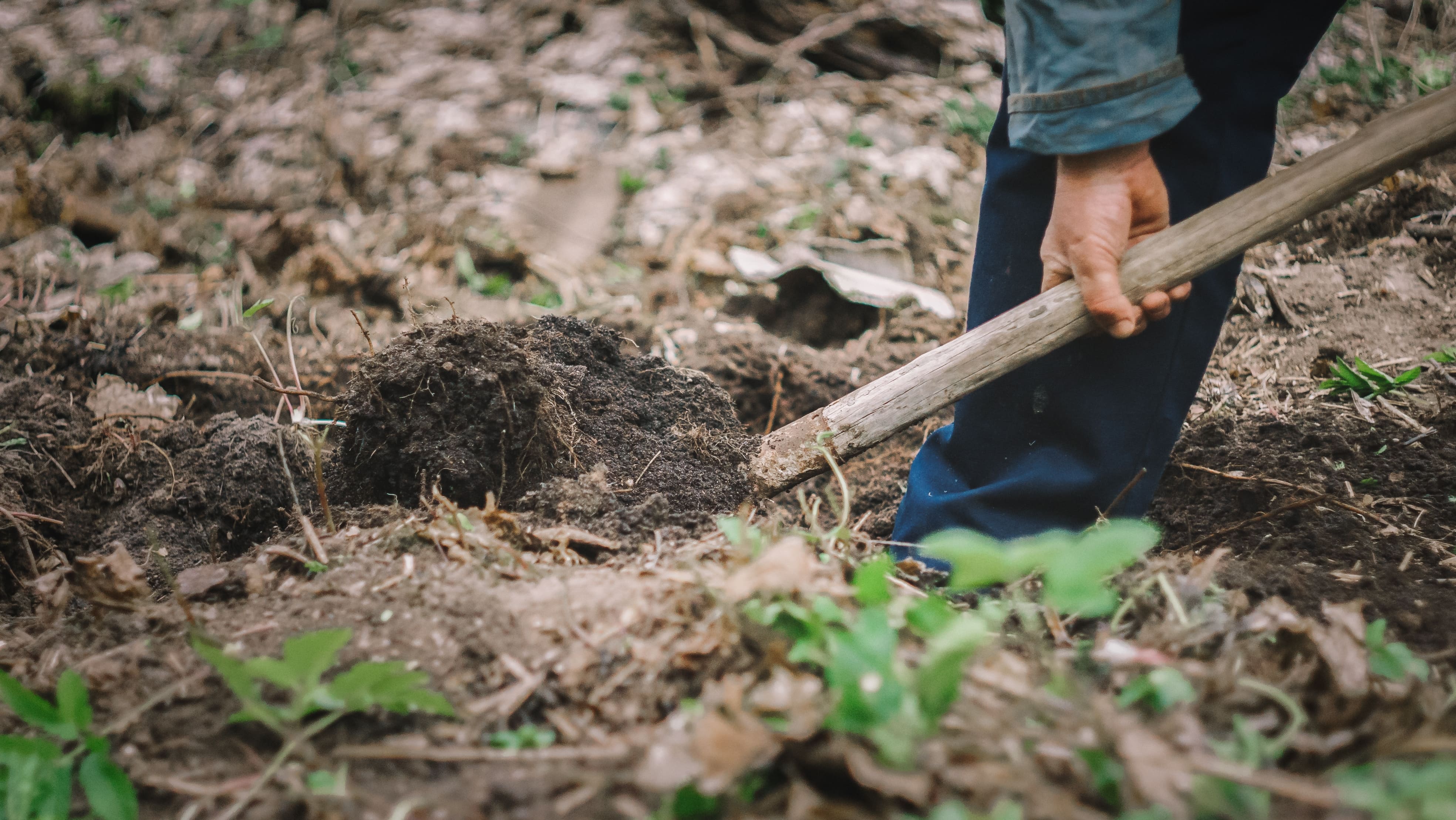
Image Source: www.grass-direct.co.uk
Preparing Your Garden for Leveling
Before you start shoveling and raking, a little preparation goes a long way. This initial stage is crucial for efficiency and effectiveness.
Assessing the Unevenness
The first step in DIY garden leveling is to get a clear picture of what you’re dealing with. Walk through your garden and observe where the low spots and high spots are. Are there major dips, mounds, or a general slope?
- Visual Inspection: Simply look at the garden. Where does water pool? Where are the high points that look out of place?
- Using Stakes and String: For a more precise assessment, you can use stakes and string. Drive stakes into the ground at the perimeter of your garden. Tie a string tautly between two stakes at what you consider the desired level. You can then use a level to check the height of other areas relative to this string. Mark any areas that are significantly higher or lower.
- Water Test: After a rain, observe where water collects. These low areas will need filling, and the surrounding higher areas may need to be lowered.
Gathering the Right Tools
While you’re skipping the digger, you’ll still need some essential tools for effective manual soil leveling. The best tools for garden leveling are readily available at most hardware or garden supply stores.
- Shovels: You’ll need at least one sturdy shovel. A flat-edged shovel is good for scraping and spreading soil, while a pointed shovel can help break up compacted areas.
- Rakes: A landscape rake is ideal for rake and level work. It has stiff tines that can move soil and break up clumps. A leaf rake is not suitable for this task.
- Wheelbarrow: Essential for moving soil from high spots to low spots or for bringing in new soil.
- Level: A long spirit level (4-6 feet) is very helpful for checking if you’re achieving a flat surface.
- Garden Hose or Sprinkler: For moistening the soil, which makes it easier to move and compact.
- Tamper (Optional but Recommended): A hand tamper will help compact the soil firmly in the leveled areas, preventing settling later. You can also use a piece of sturdy plywood and your body weight.
- Measuring Tape: For more precise leveling and grading.
- Garden Hose or String with Stakes: To create guidelines.
Clearing the Area
Before you begin leveling, clear the garden space of any debris.
- Remove Rocks and Debris: Pick up any stones, branches, weeds, or other obstacles that will interfere with the leveling process.
- Weed Control: If there are significant weeds, consider removing them. Weeds can hinder your ability to get a smooth surface and will compete with your plants later. You can pull them by hand or use a hoe.
The Step-by-Step Process of Leveling Your Garden
Now that your garden is prepped, it’s time to get to work. This process involves a series of careful movements to achieve a smooth, even surface.
Step 1: Addressing High Spots First
It’s generally easier to start by lowering the high spots. This is where your shovel leveling skills come into play.
- Identify a High Point: Choose a prominent mound or high area.
- Shovel and Scrape: Use your shovel to carefully scrape away soil from the high point.
- Load the Wheelbarrow: Place the removed soil into your wheelbarrow. Don’t try to move too much at once; it can get heavy quickly.
- Transport Soil to Low Spots: Wheel the soil to the lowest areas in your garden.
- Spread Soil in Low Spots: Gently dump the soil into the low areas. Avoid creating new mounds. Spread it out evenly with your shovel.
- Tip: Aim to remove soil from high areas and add it to low areas. This is the most efficient way to level a garden without bringing in excessive new soil.
Step 2: Raking and Spreading Soil
Once you’ve moved the bulk of the excess soil, it’s time to refine the surface. This is where the rake and level technique becomes critical.
- Use Your Landscape Rake: Begin raking the soil. Use the tines to break up any large clumps of soil.
- Even Distribution: As you rake, try to spread the soil evenly across the surface.
- Fill Small Depressions: The rake will help pull soil from slightly higher areas into smaller dips.
- Work in Sections: It’s often easier to work in manageable sections of the garden.
Step 3: Checking for Levelness and Refining
Constant checking is key to achieving a truly level surface.
- Use Your Level: Place your long spirit level on the ground. Move it around to different parts of the garden.
- Identify Problem Areas: If the bubble in the level is off-center, you know that area is not level.
- Adjust Accordingly:
- If an area is too high, use your shovel to gently scrape away more soil.
- If an area is too low, use your rake to pull soil from a nearby area, or wheelbarrow some soil from another high spot.
- Moisten Soil (Optional): Lightly watering the soil can make it easier to rake and compact, revealing imperfections more clearly. It also helps the soil settle.
Step 4: Compacting the Soil
Once you’ve reached a satisfactory level of smoothness, you need to compact the soil. This is crucial to prevent sinking later, especially after rain or adding more soil.
- Using a Tamper: If you have a hand tamper, use it to firmly press down on the newly leveled areas. Work systematically across the garden.
- DIY Compaction: If you don’t have a tamper, a piece of sturdy plywood can work. Place the plywood on the soil and walk on it, shifting your weight around.
- Water and Compact: Lightly watering the soil and then compacting it can be very effective. The water helps bind the soil particles.
Step 5: Final Smoothing and Touch-ups
The final touches make all the difference.
- Final Raking: Give the entire area a final, light raking to smooth out any remaining surface irregularities.
- Remove Fine Debris: Pick out any small stones or roots that the rake might have brought to the surface.
- Water Again: A light watering will help settle the soil and show you any areas you might have missed.
Advanced Techniques and Considerations
For more complex situations or specific garden designs, you might need to employ slightly different strategies.
How to Flatten Garden Beds
How to flatten garden beds involves a similar process but focuses on a smaller, more defined area.
- Clear the Bed: Remove all plants, rocks, and debris from the garden bed.
- Assess the Slope: Determine the direction and degree of the slope within the bed.
- Shovel and Redistribute: Use a shovel to move soil from the higher side of the bed to the lower side.
- Rake Smooth: Use your rake to break up clumps and create a smooth, level surface within the bed.
- Compact Gently: Lightly compact the soil in the bed to prevent sinking.
Dealing with Slopes
If your entire garden has a significant slope, simply leveling it might not be the best solution. You might consider creating terraces or drainage solutions. However, for moderate slopes, you can still achieve a relatively level planting area.
- Terracing: Divide the slope into smaller, flatter sections using low retaining walls made from wood, stone, or brick. This creates more manageable, level planting areas.
- Gradual Grading: Instead of aiming for perfectly flat, you might grade the area to a very gentle slope, ensuring water drains away from structures. This is where a garden grading tool can be helpful. A long plank of wood can act as a makeshift grading tool. Drag it across the surface to pull soil from high spots and fill low spots.
Adding Garden Soil Amendment
Often, when leveling, you might discover that the soil quality in certain areas is poor, or you may need to add soil to fill low spots.
- Improving Soil Quality: If you’re adding soil, consider mixing in garden soil amendment such as compost, well-rotted manure, or peat moss. This will improve drainage, aeration, and nutrient content.
- Bringing in Topsoil: For significant filling, you might need to purchase bags of topsoil. Ensure it’s a good quality, screened topsoil.
Maintaining Your Level Garden
Once you’ve achieved a level garden, regular maintenance will keep it that way.
- Occasional Raking: Light raking after heavy rain can help smooth out minor disturbances.
- Filling Small Depressions: As soil settles over time, small dips might appear. Fill these with a little compost or topsoil and rake them smooth.
- Water Management: Ensure your garden has adequate drainage to prevent water from washing away soil and creating new unevenness.
Frequently Asked Questions About Garden Leveling
Here are some common questions people have when undertaking this task.
Q1: How long does it take to level a garden without a digger?
A1: The time it takes depends on the size of your garden and the severity of the unevenness. For a small to medium-sized garden (e.g., 10×20 feet) with moderate unevenness, it can take anywhere from half a day to two full days of work. Larger areas or more severe slopes will naturally take longer.
Q2: Can I level my garden on my own?
A2: Yes, DIY garden leveling is a very achievable project for a single person, especially if you have basic gardening tools. It requires physical effort, but the techniques are straightforward. Enlisting a friend or family member can make the task quicker and more enjoyable.
Q3: What is the best time of year to level a garden?
A3: The best time to level a garden is typically in the spring or fall when the soil is moist but not waterlogged. This makes the soil easier to work with. Avoid leveling during very dry periods, as the soil will be hard and dusty, or during extremely wet periods, which can lead to mud and compaction issues.
Q4: How deep can I fill a low spot?
A4: You can fill low spots with soil, but be mindful of how deep you go. If you’re filling a very deep depression (more than 4-6 inches), it’s often best to fill it in layers, compacting each layer. Also, ensure you are using good quality topsoil or a compost/soil mix. Filling with just clay or heavy soil can lead to poor drainage. If filling a very deep area, consider adding organic matter to improve the soil structure over time.
Q5: Will leveling my garden affect drainage?
A5: Yes, leveling can significantly impact drainage. The goal is usually to create a surface that allows water to drain away from your plants and any structures, rather than pooling. By carefully observing how water flows and ensuring you are not creating a bowl-like effect, you can improve drainage. If your garden has a natural slope, sometimes working with it by creating gentle contours can be better than forcing it to be perfectly flat, especially in areas with heavy rainfall.
Q6: What if my garden has a significant slope?
A6: For significant slopes, a truly “level” garden might not be practical or desirable. Consider creating terraces or contour planting. This involves creating flat planting areas supported by low walls or berms. Alternatively, you can implement a garden grading tool approach to create a gentle, consistent slope for efficient water runoff.
By following these steps and using the right tools, you can effectively level your garden, creating an ideal foundation for planting and enjoying your outdoor space. Remember, patience and consistent effort are key to achieving a beautiful, even garden.