
How often to fertilize a lawn for greener grass depends on your grass type, the soil’s condition, and the type of fertilizer used. A general rule for established cool-season grasses is 3-4 times per year, while warm-season grasses might need 2-3 applications. Understanding when to fertilize grass is crucial for achieving a vibrant and healthy lawn. This guide will break down the lawn feeding schedule and provide fertilizing lawn tips for the best results.
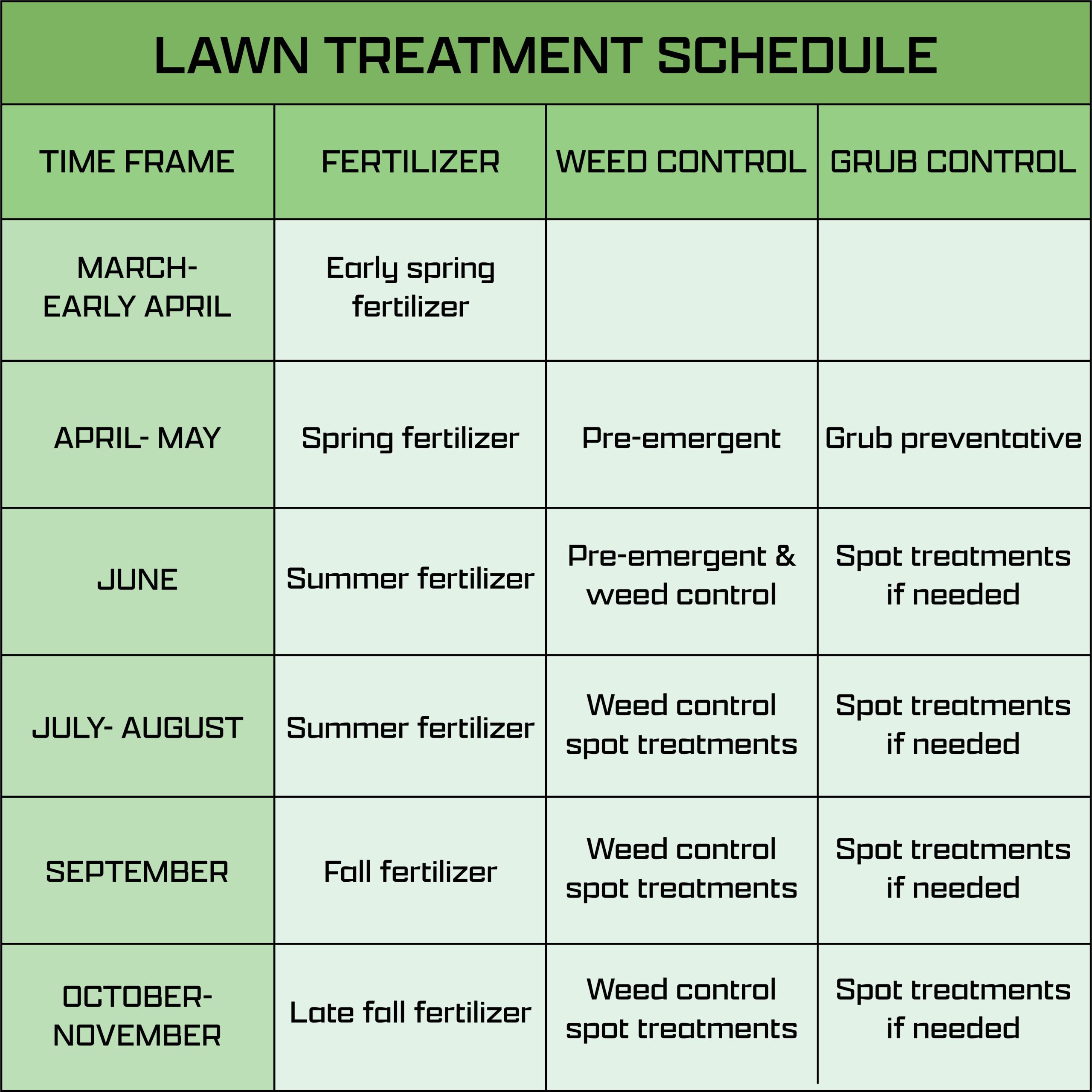
Image Source: stewartslawn.com
Deciphering Your Lawn’s Needs: When to Fertilize Grass
The timing of your fertilizing efforts is as important as the fertilizer itself. Applying it at the wrong time can lead to wasted product, potential lawn damage, or even environmental harm. The best time to fertilize lawn is when your grass is actively growing. For cool-season grasses like fescue, bluegrass, and ryegrass, this means spring and fall are prime times. For warm-season grasses such as Bermuda, Zoysia, and St. Augustine, late spring and summer are the key periods.
Fertilizing New Lawn: A Gentle Beginning
For a fertilizing new lawn, the approach is different. Wait until the grass has been mowed at least twice. This typically means waiting 4-6 weeks after the sod is laid or seeds have germinated. Use a starter fertilizer, which is specifically designed to help new grass establish strong roots. Over-fertilizing a new lawn can burn the delicate new growth.
Lawn Fertilizer Schedule by Season
A well-structured lawn fertilizer schedule by season ensures your grass gets the nutrients it needs throughout the year.
Spring Fertilization
- Purpose: To help your lawn recover from winter dormancy and prepare for the growing season.
- Timing: Early to mid-spring, once the grass has started to green up and is actively growing. Avoid fertilizing too early, before the risk of frost has passed.
- Type of Fertilizer: A balanced fertilizer (e.g., 10-10-10 or 20-20-20) or one with a higher nitrogen content to promote green growth.
Summer Fertilization (Use with Caution)
- Purpose: To maintain growth and color during the warmer months.
- Timing: Early summer, but avoid fertilizing during periods of extreme heat and drought. If you must fertilize in summer, opt for a slow-release nitrogen formula.
- Type of Fertilizer: Slow-release nitrogen fertilizers are best for summer to prevent sudden, excessive growth that can stress the grass in heat.
Fall Fertilization
- Purpose: To help your lawn store energy for the winter and promote root development.
- Timing: Early to mid-fall, before the ground freezes. This is often considered the most important feeding of the year.
- Type of Fertilizer: A fertilizer with a higher phosphorus and potassium content can be beneficial for root strength and winter hardiness.
Winter Fertilization (Limited Use)
- Purpose: In some regions, a very light application of a winterizer fertilizer in late fall can help the grass stay green longer and provide some early spring green-up.
- Timing: Very late fall, just before the ground freezes.
Gauging Fertilizer Application Frequency
The fertilizer application frequency isn’t a one-size-fits-all answer. It depends on several factors:
- Grass Type: Cool-season grasses generally benefit from more frequent feeding than warm-season grasses.
- Soil Test Results: A soil test will reveal nutrient deficiencies and pH imbalances, guiding your fertilization schedule.
- Fertilizer Type: Slow-release fertilizers allow for less frequent applications compared to quick-release ones.
- Lawn Goals: If you’re aiming for a lush, dense lawn, you might fertilize more often than if you’re content with basic maintenance.
Established Lawns: The Norm
For established cool-season lawns, a lawn care fertilization schedule of 3-4 times a year is common:
- Early Spring: To kickstart growth.
- Late Spring/Early Summer: To maintain vigor.
- Early Fall: Crucial for root development and winter preparation.
- Late Fall (Optional): A winterizer application.
Established warm-season lawns typically need fewer applications:
- Late Spring: After the last frost and when the grass is actively growing.
- Mid-Summer: To maintain color and density.
- Early Fall (Optional): Can help with winter hardiness.
How Much Fertilizer for Lawn: The Right Amount Matters
Knowing how much fertilizer for lawn to apply is critical. Over-fertilizing can burn your grass, leading to yellow or brown patches, and can also contribute to water pollution through runoff. Under-fertilizing won’t provide the nutrients your lawn needs to thrive.
Reading the Fertilizer Label
Always read and follow the instructions on the fertilizer bag. The numbers on the bag (e.g., 20-5-10) represent the percentage by weight of nitrogen (N), phosphorus (P), and potassium (K). A common recommendation is to apply about 1 pound of actual nitrogen per 1,000 square feet of lawn per application.
Example Calculation:
If you have a 10-10-10 fertilizer (10% nitrogen), and you want to apply 1 pound of actual nitrogen per 1,000 square feet, you would need to apply 10 pounds of the fertilizer product (1 lb N / 0.10 = 10 lbs product).
Tools to Help Measure
- Broadcast Spreader: For even application over large areas. Calibrate it according to the fertilizer and spreader manufacturer’s instructions.
- Drop Spreader: Offers more precision for smaller or irregularly shaped lawns.
Fertilizer Application Frequency vs. Amount
It’s generally better to apply less fertilizer more frequently than to apply a large amount infrequently. This prevents nutrient overload and promotes steady growth.
Fertilizing Lawn Tips for Success
Beyond timing and quantity, several fertilizing lawn tips can enhance your results:
- Soil Testing: This is the most important tip! A soil test from your local cooperative extension office will tell you what nutrients your soil is lacking and its pH level. This allows you to choose the right fertilizer and avoid unnecessary applications.
- Choose the Right Fertilizer:
- Nitrogen (N): Promotes green, leafy growth.
- Phosphorus (P): Aids in root development and flowering/seeding. Many established lawns don’t need extra phosphorus.
- Potassium (K): Helps with overall plant health, stress tolerance, and disease resistance.
- Slow-Release vs. Quick-Release:
- Slow-Release: Releases nutrients gradually over several weeks or months. This is ideal for preventing surges in growth and reducing the risk of burning.
- Quick-Release: Provides immediate greening but can lead to rapid growth and requires more frequent application.
- Watering: Water your lawn thoroughly after fertilizing. This helps the fertilizer move into the soil and reach the roots. If you can’t water, rain will do the job. However, avoid fertilizing just before a heavy rain to prevent runoff.
- Mowing Height: Keep your mower at the recommended height for your grass type. Taller grass shades the soil, reduces weed growth, and encourages deeper root systems.
- Avoid Fertilizing Dormant Grass: Don’t fertilize if your grass is dormant due to heat or drought. It won’t be able to utilize the nutrients and could be harmed.
- Clean Up Spills: If you spill fertilizer on sidewalks or driveways, sweep it up immediately to prevent it from washing into storm drains.
- Apply Evenly: Use a spreader for uniform application. Overlapping passes can lead to “hot spots” of burned grass.
Organic Lawn Fertilization: A Natural Approach
Organic lawn fertilization uses natural materials to feed your lawn. These methods often improve soil health over time, making your lawn more resilient.
Benefits of Organic Fertilization
- Slow Nutrient Release: Organic fertilizers release nutrients slowly as they decompose, reducing the risk of burning and leaching.
- Improved Soil Structure: Organic matter improves soil aeration, water retention, and the activity of beneficial microorganisms.
- Long-Term Health: Focuses on building healthy soil for sustainable lawn growth.
Common Organic Fertilizers
- Compost: A nutrient-rich material that also improves soil structure.
- Manure: Well-rotted manure is a good source of nutrients.
- Bone Meal: High in phosphorus.
- Blood Meal: High in nitrogen.
- Fish Emulsion: A liquid fertilizer providing nitrogen.
- Alfalfa Meal: Contains nitrogen and other micronutrients.
Organic Lawn Feeding Schedule
The schedule for organic fertilization is often less rigid than synthetic. It can be done in spring and fall, or even just once a year in the fall. The decomposition process is key, so applying in fall allows nutrients to break down over winter and be available in spring.
Comparing Fertilization Methods
| Feature | Synthetic Fertilizer | Organic Fertilizer |
|---|---|---|
| Nutrient Release | Quick-release can lead to rapid growth; slow-release is gradual. | Very slow release, dependent on microbial activity. |
| Soil Impact | Can deplete soil microbes and organic matter over time. | Improves soil structure, aeration, and microbial activity. |
| Risk of Burning | Higher, especially with quick-release formulas. | Very low. |
| Greening Effect | Rapid and noticeable. | Gradual and sustained. |
| Environmental | Potential for nutrient runoff and water pollution. | Generally more environmentally friendly; reduces runoff. |
| Cost | Often less expensive upfront. | Can be more expensive, but improves soil long-term. |
| Application | Precise timing and amounts are critical. | More forgiving, less emphasis on precise timing. |
Troubleshooting Common Fertilization Issues
- Yellowing Grass: Could indicate a nitrogen deficiency, or the lawn needs fertilizing. However, it could also be over-watering, poor drainage, or disease.
- Brown Patches: Often a sign of over-fertilization or drought stress. Ensure even application and proper watering.
- Excessive Weed Growth: While fertilizer promotes grass growth, it also fuels weeds. Proper mowing, watering, and weed control practices are essential.
Frequently Asked Questions About Lawn Fertilization
Q1: How often do I need to fertilize my lawn?
A1: For most established lawns, fertilizing 3-4 times a year is sufficient. Cool-season grasses often need spring and fall applications, while warm-season grasses benefit from late spring and summer feedings.
Q2: When is the best time to fertilize my lawn?
A2: The best time to fertilize is when your grass is actively growing. For cool-season grasses, this is early spring and early fall. For warm-season grasses, it’s late spring and summer.
Q3: What does the N-P-K ratio on fertilizer mean?
A3: The N-P-K ratio indicates the percentage by weight of nitrogen (N), phosphorus (P), and potassium (K) in the fertilizer. Nitrogen promotes green growth, phosphorus aids root development, and potassium supports overall plant health.
Q4: Can I fertilize my lawn in the summer?
A4: Yes, but with caution. Use slow-release fertilizers and avoid fertilizing during periods of extreme heat or drought, as this can stress the grass.
Q5: How much fertilizer should I use?
A5: Always follow the instructions on the fertilizer bag. A common guideline is to apply 1 pound of actual nitrogen per 1,000 square feet of lawn per application.
Q6: What is organic lawn fertilization?
A6: Organic lawn fertilization uses natural materials like compost, manure, and bone meal to nourish your lawn and improve soil health. It typically releases nutrients more slowly than synthetic fertilizers.
Q7: Should I water my lawn after fertilizing?
A7: Yes, watering helps the fertilizer move into the soil and reach the grass roots. It also helps prevent fertilizer burn.
Q8: How do I fertilize a new lawn?
A8: Wait until the new sod or seed has been mowed at least twice (about 4-6 weeks). Use a starter fertilizer designed for new grass, and apply it according to the product’s instructions.
By carefully considering your grass type, the season, and using the right products and techniques, you can establish a consistent lawn feeding schedule that leads to a greener, healthier lawn. Remember that healthy soil is the foundation of a beautiful lawn, so consider incorporating organic practices into your lawn care fertilization routine.