
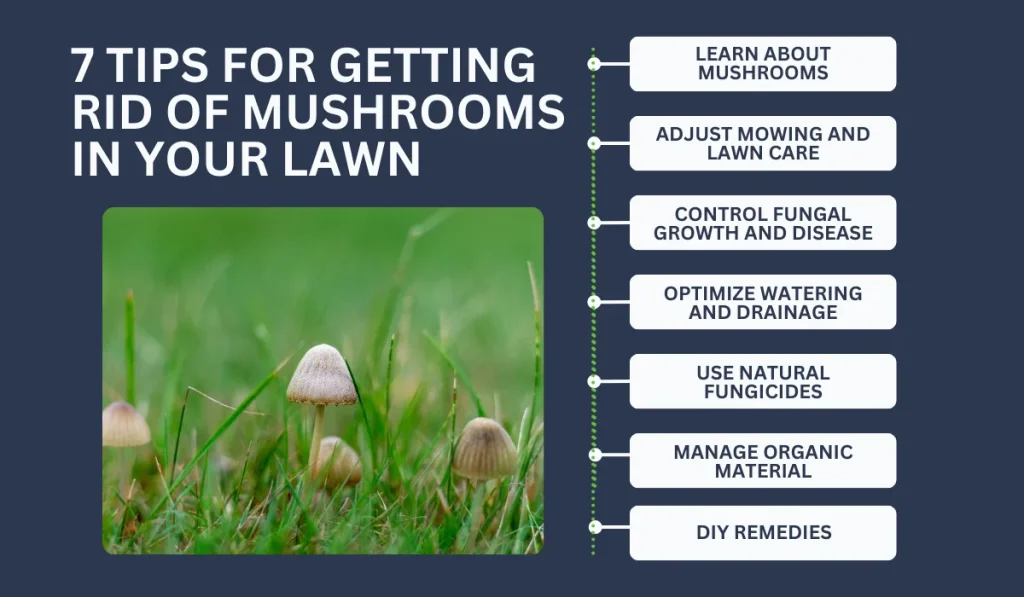
Image Source: sodlawn.com
How To Kill Mushrooms In Lawn: Best Ways
Can you kill mushrooms in your lawn? Yes, you can take steps to eliminate mushrooms, often referred to as toadstools, from your lawn. While they are a sign of a healthy soil ecosystem, their presence can be unsightly and sometimes indicate underlying issues. This guide will walk you through the most effective methods for dealing with these unwelcome guests and promoting overall lawn health.
Why Do Mushrooms Appear in My Lawn?
Mushrooms are the fruiting bodies of fungi. They sprout when the conditions are just right for the fungal mycelium, the network of threads that lives underground, to reproduce. Several factors contribute to mushroom growth in lawns:
- Moisture: Fungi thrive in damp environments. Frequent watering, heavy rainfall, or poor drainage can create ideal conditions.
- Organic Matter: Mushrooms feed on decaying organic matter. This includes thatch build-up, dead grass, fallen leaves, and even buried wood or animal waste.
- Shade: Many mushroom species prefer shady areas where moisture can linger.
- Aeration: Compacted soil can trap moisture and hinder air circulation, benefiting fungal growth.
- Mycelial Rings: Sometimes, mushrooms grow in circles or arcs, known as “fairy rings.” These are caused by the radial growth of the underground mycelium, with the mushrooms appearing at the edge of the growing network.
Is It Bad to Have Mushrooms in My Lawn?
While not inherently harmful to your grass in the way some lawn diseases are, mushrooms are a visual nuisance. More importantly, their appearance often signals that your lawn may have an issue that needs addressing for optimal lawn health. These issues can include:
- Excess Thatch: A thick layer of thatch can hold excess moisture.
- Poor Drainage: Waterlogged soil is a breeding ground for fungi.
- Buried Organic Debris: Old tree roots, stumps, or animal waste can fuel fungal growth.
Addressing the root cause of mushroom growth will not only remove lawn mushrooms but also improve your lawn’s overall vigor.
Methods to Remove Lawn Mushrooms
There are several ways to tackle mushroom growth, ranging from simple physical removal to more targeted treatments. The best approach often involves a combination of methods.
1. Manual Removal: The Quick Fix
The most immediate way to eliminate toadstools is to simply pick them.
How to do it:
- Wear gloves: Some mushrooms can irritate the skin, so it’s wise to wear gloves.
- Pull them out by the base: Gently pull the mushroom from the soil. Try to get the entire base, as leaving fragments can sometimes allow them to regrow.
- Dispose of them properly: Place the mushrooms in a sealed bag and discard them in the trash. Do not compost them, as this can spread fungal spores.
- Fill the hole: Lightly fill the small indentation left by the mushroom with soil.
Pros:
- Immediate visual improvement.
- No chemicals involved.
- Easy and accessible.
Cons:
- Does not address the underlying cause of fungal growth.
- Mushrooms will likely return if conditions remain favorable.
2. Dethatching Your Lawn
Thatch is a layer of dead and living stems, roots, and crowns that accumulate between the green grass blades and the soil surface. A healthy layer of thatch is beneficial, but when it gets too thick (more than half an inch), it can trap moisture and create a perfect environment for fungi.
How to do it:
- Identify thatch build-up: If you can’t easily see the soil surface when parting the grass blades, you likely have excessive thatch.
- Use a dethatching rake: For smaller lawns, a manual dethatching rake can work. Rake vigorously to pull up the thatch.
- Rent a power dethatcher: For larger areas, a power dethatcher or scarifier is more efficient.
- Timing is key: Dethatch in the fall or spring when your grass is actively growing, as this allows for quicker recovery.
Pros:
- Addresses a common cause of excess moisture.
- Improves air and water penetration to the soil.
- Promotes healthier grass growth.
Cons:
- Can be labor-intensive, especially with a manual rake.
- The lawn may look a bit rough for a short period after dethatching.
3. Aerating Your Lawn
Soil compaction is another major contributor to poor drainage and fungal growth. Aeration involves creating small holes in the soil, allowing air, water, and nutrients to reach the grass roots more effectively.
How to do it:
- Core Aeration: This method uses a machine to pull out plugs of soil. It’s the most effective way to relieve compaction.
- Spike Aeration: This involves pushing spikes into the ground. It’s less disruptive but also less effective at deep aeration.
- Timing: Aerate when your grass is actively growing, typically in the spring or fall for cool-season grasses and late spring or early summer for warm-season grasses.
- Follow up: After aerating, it’s a good time to fertilize lawn to give the grass a boost.
Pros:
- Significantly improves soil structure and drainage.
- Reduces soil compaction.
- Enhances nutrient uptake by grass roots.
Cons:
- Requires specialized equipment, which may need to be rented.
- The lawn will have visible plugs or holes for a short time.
4. Improve Drainage
If your lawn consistently holds water after rain or watering, poor drainage is likely the culprit.
How to address poor drainage:
- Adjust watering schedule: Water deeply and less frequently. Allow the soil to dry out slightly between waterings.
- Check for low spots: Areas where water collects can be filled with soil and graded to slope away from structures.
- Consider French drains or rain gardens: For persistent problems, these landscaping solutions can redirect excess water.
Pros:
- Crucial for long-term lawn health.
- Prevents waterlogging, which benefits grass and discourages fungi.
Cons:
- May require significant landscaping effort.
5. Chemical Treatments: Fungicides for Lawns
When other methods aren’t enough, or for persistent problems, fungicides for lawns can be effective. It’s important to use these products correctly and understand that they target the fungal growth, not necessarily the underlying cause.
Types of Fungicides:
- Contact Fungicides: These kill fungi on contact with the leaf surface. They are preventative and require thorough coverage.
- Systemic Fungicides: These are absorbed by the grass plant and work from within. They can be curative and preventative.
How to use fungicides:
- Identify the specific fungal issue: While many fungicides treat broad-spectrum fungi, knowing the specific type can help in choosing the most effective product. This is part of comprehensive lawn disease control.
- Read and follow label instructions carefully: This is paramount. Incorrect application can damage your lawn or be ineffective.
- Apply at the correct time: Fungicides are often best applied preventatively or at the very first signs of fungal activity.
- Ensure even coverage: Use a sprayer to apply the fungicide evenly across the affected areas.
- Consider environmental impact: Choose products that are less harmful to beneficial soil organisms and pollinators.
Popular Fungicides and Active Ingredients:
| Fungicide Type | Common Active Ingredients | Target Fungal Diseases |
|---|---|---|
| Broad-Spectrum | Propiconazole, Chlorothalonil, Myclobutanil, Thiophanate-methyl | Dollar Spot, Brown Patch, Anthracnose, Powdery Mildew |
| Specific Treatments | Azoxystrobin (for some types of root rot) | Various types of root rot, smuts |
Important Considerations for Fungicides:
- Not a cure-all: Fungicides treat the symptoms (mushrooms) but won’t fix underlying issues like poor drainage or excessive thatch.
- Resistance: Over-reliance on a single fungicide can lead to fungal resistance. Rotate fungicides with different modes of action.
- Safety: Always follow safety precautions, wear protective gear, and keep pets and children away from treated areas until dry.
- Local Regulations: Check for any local restrictions on pesticide use.
6. Organic Mushroom Control Methods
For those who prefer to avoid synthetic chemicals, there are organic mushroom control options. These methods focus on promoting a healthy lawn that can naturally outcompete fungi.
- Improve Soil Health: Healthy soil is teeming with beneficial microorganisms that can help suppress fungal growth.
- Compost: Top-dressing your lawn with a thin layer of compost can introduce beneficial microbes and improve soil structure.
- Beneficial Bacteria and Fungi: Some products contain beneficial bacteria and fungi that can compete with pathogenic fungi.
- Proper Mowing: Mow your grass at the correct height for your grass type. Taller grass shades the soil, keeping it cooler and moister, which can encourage fungi. Shorter grass may be more susceptible to drought stress.
- Balanced Fertilization: A properly fertilized lawn is a strong lawn. Use a balanced fertilizer at the right time of year. Avoid over-fertilizing, especially with high-nitrogen fertilizers, which can promote rapid, weak growth that is more susceptible to disease.
- Remove Organic Debris: Regularly rake up leaves, grass clippings, and other debris that can decompose and feed fungi.
- Sunlight: If possible, prune trees or shrubs that cast excessive shade on problem areas.
Pros:
- Environmentally friendly.
- Promotes long-term lawn health.
- Safer for pets and children.
Cons:
- May take longer to see results compared to chemical treatments.
- Requires consistent effort and adherence to good lawn care tips.
Mushroom Prevention Lawn Strategies
The best approach to dealing with mushrooms is to prevent them from appearing in the first place. Implementing a consistent mushroom prevention lawn strategy involves addressing the conditions that fungi love.
- Maintain Proper Watering: Water your lawn deeply but infrequently. Aim for about one inch of water per week, applied in the early morning. This allows the grass to absorb moisture and the soil surface to dry out during the day, making it less hospitable to fungi.
- Control Thatch Build-up: Regularly dethatch your lawn when the thatch layer exceeds half an inch. This can be done once or twice a year, depending on your grass type and growth rate.
- Aerate Annually: Regular aeration helps prevent soil compaction, improves drainage, and allows for better air circulation.
- Remove Dead Organic Matter: Keep your lawn free of fallen leaves, grass clippings (bag them or mulch them very finely), and other debris.
- Address Buried Wood: If you know there’s buried wood or stumps in your lawn, consider removing them. Otherwise, they will continue to provide a food source for fungi.
- Improve Sunlight and Airflow: Trim overgrown bushes or tree branches that create overly shady and humid conditions.
Frequently Asked Questions About Lawn Mushrooms
Q1: Are lawn mushrooms poisonous?
While most common lawn mushrooms are not deadly, it’s best to assume all wild mushrooms are potentially poisonous. Never taste or ingest them. Keep pets and children away from mushrooms in the lawn.
Q2: How quickly do mushrooms grow?
Mushrooms can appear very quickly, sometimes overnight, after periods of rain or high humidity, especially if the underlying conditions are favorable for the fungi.
Q3: Can I just mow over the mushrooms?
Mowing over mushrooms will break them up, but it won’t eliminate them or the underlying fungal growth. In fact, it can spread spores further across your lawn, potentially leading to more mushroom outbreaks. It’s better to remove them manually.
Q4: Will fertilizing my lawn help get rid of mushrooms?
Yes, a healthy, well-fertilized lawn is more resilient to fungal issues. When you fertilize lawn appropriately, you strengthen the grass, allowing it to outcompete some fungal growth. However, over-fertilizing, especially with high nitrogen, can sometimes encourage fungal problems. Focus on a balanced fertilization program.
Q5: What are fairy rings?
Fairy rings are circular or arc-shaped patterns of mushrooms that appear in the lawn. They are caused by the outward growth of the underground fungal mycelium. The grass within the ring might be darker green, a different color, or even dead, depending on the species of fungus.
Q6: Can I use baking soda or vinegar on lawn mushrooms?
While baking soda and vinegar are sometimes suggested for home remedies, they are generally not recommended for treating mushrooms in lawns. They can alter the soil pH, potentially harming your grass, and are unlikely to be effective against established fungal growth.
Q7: When is the best time to treat lawn mushrooms?
The best time to treat lawn mushrooms is proactively, by preventing the conditions that encourage them. If you have active mushroom growth, the best time to remove them is as soon as you see them. For treatments like aeration and dethatching, spring and fall are ideal. For fungicide application, follow the product label, which may suggest application before or at the first signs of fungal activity.
By understanding the causes and employing these effective strategies, you can successfully remove lawn mushrooms, improve your lawn health, and enjoy a more beautiful and resilient lawn. Consistent lawn care tips focused on good drainage, proper watering, and soil health will be your best allies in the ongoing battle against unwelcome toadstools.