
What are the best ways to keep raccoons out of my vegetable garden? The most effective methods involve a combination of physical barriers, sensory deterrents, and habitat modification to make your garden less appealing to these clever creatures.
Raccoons are intelligent, opportunistic omnivores, and unfortunately for gardeners, your bountiful vegetable patch often represents a veritable buffet. Their dexterous paws, sharp minds, and adaptability mean that simply planting delicious vegetables can be an open invitation to nocturnal raids. Preventing raccoon damage requires a multi-pronged approach, blending practical strategies for vegetable protection with humane raccoon removal and exclusion techniques. This guide will delve into proven methods to secure your garden and ensure your hard work doesn’t become a raccoon’s midnight snack.
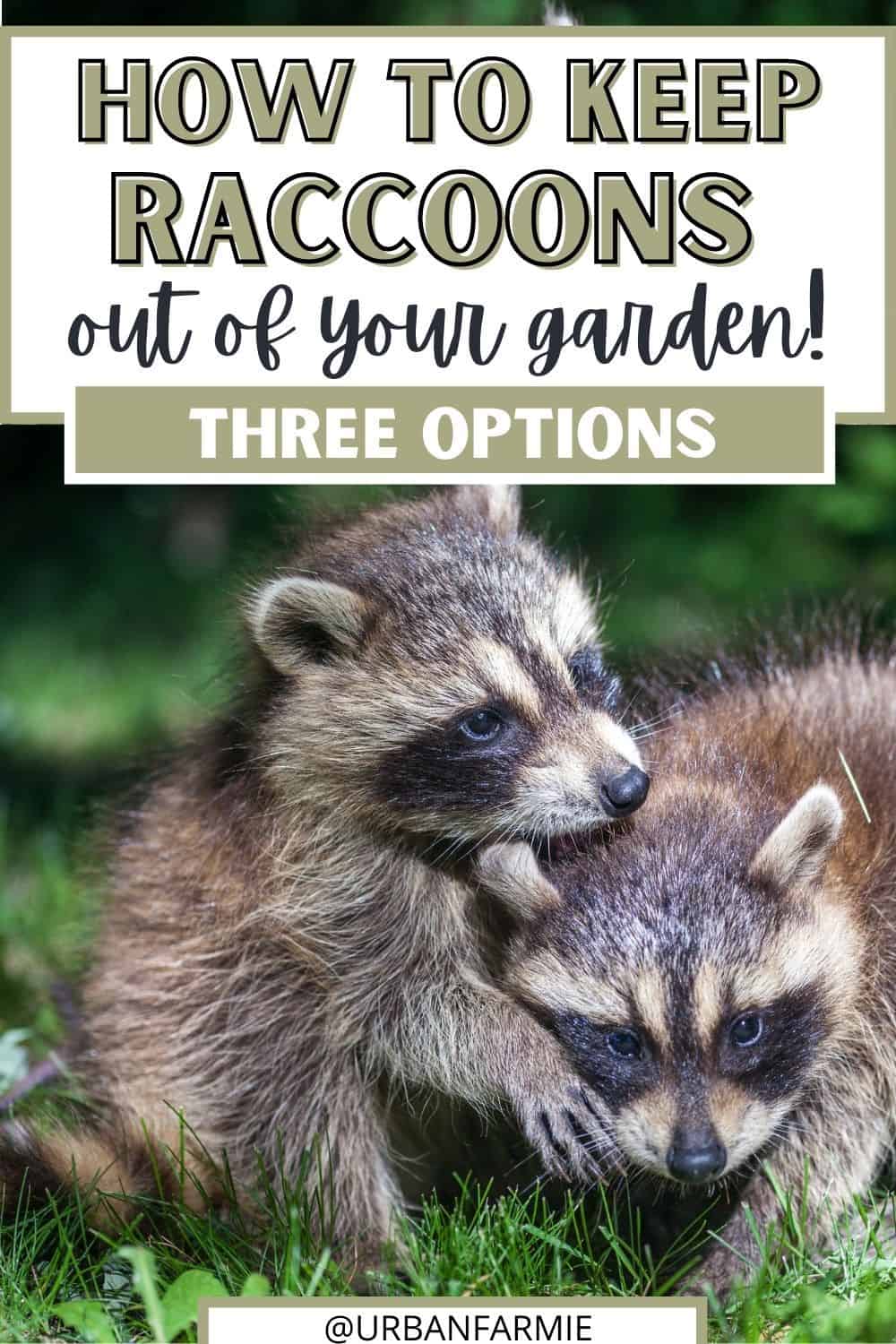
Image Source: urbanfarmie.com
Deciphering Raccoon Behavior for Effective Garden Security
Before we can effectively deter raccoons, it’s important to grasp their motivations and habits. Raccoons are primarily nocturnal, meaning they are most active at night. They are attracted to gardens by the availability of food, water, and shelter. Your vegetables offer a readily accessible food source, but they also seek out other easy meals, such as pet food left outdoors, accessible garbage cans, and even ripe fruit from nearby trees.
Raccoons are also highly curious and persistent. If they find a food source once, they will remember it and return. Their ability to manipulate objects with their paws makes many standard deterrents ineffective if not properly implemented. This means that to achieve true garden security, you need strategies that are not only unappealing but also difficult for them to overcome.
What Attracts Raccoons to Gardens?
- Food Sources: Ripe fruits, vegetables, berries, grains, and even insects and grubs found in the soil.
- Water Sources: Bird baths, ponds, puddles, or even leaky faucets can draw them in.
- Shelter: Dense bushes, under decks, sheds, or any dark, secluded areas provide safe havens for them to rest during the day.
- Easy Access: Gardens with low fencing or no fencing are particularly vulnerable.
Implementing Physical Barriers: The First Line of Defense
The most foolproof way to keep raccoons out of your vegetable garden is through robust physical barriers. This means creating a secure perimeter that raccoons cannot easily breach or climb over.
Garden Fencing Strategies
Choosing the right type of fencing and installing it correctly is paramount. The goal is to create a barrier that raccoons cannot dig under, climb over, or push through.
Types of Fencing and Installation
- Height is Key: Fences should be at least 3-4 feet tall. Raccoons are capable climbers, so a taller barrier is more effective.
- Digging Deterrent: Raccoons are excellent diggers. To prevent them from burrowing underneath, bury the bottom 10-12 inches of your fence material into the ground. You can also create an outward-facing “skirt” of chicken wire or hardware cloth at the base of the fence, extending about 10-12 inches outwards on the ground. This makes it difficult for them to get leverage to dig.
- Material Matters:
- Hardware Cloth (1/2 inch or 1/4 inch mesh): This is generally the most effective material. Its sturdy construction and small mesh size prevent raccoons from pushing through or getting their paws stuck.
- Chicken Wire: While better than nothing, chicken wire is often not strong enough on its own. Raccoons can tear through it or push it aside. It’s best used in combination with other methods or for the ground skirt.
- Electric Fencing: A low-voltage electric fence, properly installed and maintained, can be a highly effective deterrent. Raccoons learn quickly to avoid the shock. This is a humane raccoon removal method as it scares them without causing lasting harm. Ensure it is clearly marked to prevent accidental contact by pets or children.
- Securing Gates: Ensure gates are just as secure as the rest of the fence and that they close and latch securely. Raccoons can often manipulate simple latches.
The Outward-Facing Skirt Detail
| Fencing Component | Recommended Depth/Extension | Material | Purpose |
|---|---|---|---|
| Main Fence | 3-4 feet above ground | Hardware Cloth (1/2 inch) | Primary barrier against entry |
| Ground Skirt | 10-12 inches into ground | Hardware Cloth or Chicken Wire | Prevents digging underneath |
| Skirt Extension | 10-12 inches outward | Hardware Cloth or Chicken Wire | Discourages digging by providing no grip |
Protecting Individual Plants
For highly desirable plants or if a full fence isn’t feasible, consider protecting individual plants or raised beds.
- Cages and Cloches: Use sturdy wire cages or cloches made from hardware cloth to cover vulnerable plants. Ensure these are well-anchored to the ground.
- Row Covers: Lightweight row covers can offer some protection against smaller pests but are generally not robust enough for determined raccoons. They are better suited for deterring birds and insects.
Utilizing Raccoon Repellent Strategies: Sensory Deterrents
While physical barriers are the most reliable, a combination of methods often yields the best results. Sensory deterrents aim to make your garden unpleasant or frightening for raccoons, encouraging them to seek food elsewhere.
Scent-Based Raccoon Repellents
Raccoons have a strong sense of smell, and certain odors can be a powerful raccoon repellent.
Natural and Homemade Raccoon Deterrents
Many gardeners turn to homemade raccoon deterrents using common household items.
- Cayenne Pepper/Chili Powder: Sprinkle liberally around the base of plants and along the perimeter of the garden. Reapply after rain.
- Garlic and Onion: Planting garlic and onions interspersed with your vegetables can help mask the attractive scent of your crops. You can also create a garlic spray by boiling garlic cloves in water, letting it steep, straining, and then spraying it around the garden.
- Peppermint Oil: Soak cotton balls in peppermint oil and place them strategically around the garden. The strong scent can be off-putting.
- Epsom Salts: Some gardeners find that sprinkling Epsom salts around plants can deter raccoons, though scientific evidence for this is limited.
- Ammonia-soaked rags: Place rags soaked in ammonia near garden entrances. The smell can mimic predator urine, which may deter raccoons. Use caution and place them where pets or children won’t encounter them.
Commercial Raccoon Repellents
A variety of commercial raccoon repellent products are available, often containing ingredients like predator urine (coyote, fox), essential oils, or capsaicin. Always follow product instructions carefully and consider applying them in rotation, as raccoons can become accustomed to a single scent.
Auditory and Visual Deterrents
Raccoons are also sensitive to noise and sudden movements.
- Motion-Activated Sprinklers: These devices detect movement and spray a burst of water, startling raccoons and deterring them from entering the garden. This is a safe raccoon deterrent and works well as an initial surprise.
- Wind Chimes and Noise Makers: While less reliable, the sudden clatter of wind chimes or other noise-making devices placed strategically can sometimes startle nocturnal visitors.
- Scarecrows and Reflective Objects: Traditional scarecrows or shiny, moving objects like old CDs or aluminum foil strips can create visual distractions. However, raccoons are intelligent and may become habituated to these over time. Adding a motion-activated light can increase their effectiveness.
Modifying the Environment: Removing Attractants
The most effective raccoon repellent is often removing what draws them to your garden in the first place. This is a key aspect of wildlife exclusion.
Securing Other Food and Water Sources
- Garbage Cans: Ensure all garbage cans have tightly fitting lids. Store them in a shed or garage if possible. Never leave pet food outdoors, especially overnight.
- Compost Bins: Use secure compost bins that raccoons cannot access. Avoid composting meat scraps or dairy products, which are particularly attractive.
- Bird Feeders: Raccoons are notorious for raiding bird feeders. Consider bringing feeders in at night or using raccoon-proof feeders. Clean up any spilled seed.
- Water Sources: Empty bird baths or ponds if they are not essential, or ensure they are not easily accessible from the garden perimeter.
Eliminating Shelter
- Deck and Porch Access: Block off access to areas under decks, porches, and sheds. Raccoons often den in these protected spaces. Use sturdy hardware cloth or solid barriers to seal off entry points.
- Overgrown Vegetation: Trim back dense bushes and vegetation near your garden that could provide hiding places.
Humane Raccoon Removal and Ongoing Management
When deterring raccoons is challenging, or if you have an ongoing problem, humane raccoon removal might be considered as a last resort.
Live Trapping
- Professional Assistance: It is often best to contact a wildlife control professional for live trapping. They have the knowledge and equipment to trap animals safely and humanely and understand local regulations regarding relocation.
- Relocation Concerns: Relocating raccoons can be problematic. Relocated animals may struggle to adapt to new environments, and the vacated territory can simply be filled by other raccoons. Furthermore, it’s illegal in many areas to relocate wildlife without proper permits.
Deterring Established Visitors
If raccoons have already established your garden as a regular feeding ground, it can take persistent effort to change their habits.
- Consistency is Crucial: Whatever methods you choose, consistency is key. Raccoons are intelligent and will test boundaries.
- Combine Methods: A layered approach, using both physical barriers and sensory deterrents, is far more effective than relying on a single strategy.
Protecting Your Harvest: Tips for Vegetable Protection
Even with the best deterrents, a few determined raccoons can still cause damage. Here are some additional tips for overall vegetable protection:
- Harvest Promptly: Pick ripe vegetables as soon as they are ready. Leaving ripe produce in the garden is like leaving an open invitation.
- Protect Vulnerable Crops: Delicate crops like strawberries or tomatoes are particularly tempting. Consider netting them with fine-mesh netting if they are particularly susceptible. Ensure netting is secured well to prevent entanglement.
- Companion Planting: While not a direct deterrent, planting strongly scented herbs like mint, rosemary, or basil near your vegetables might offer a slight olfactory confusion for raccoons, making it harder for them to pinpoint the most desirable plants.
Frequently Asked Questions About Keeping Raccoons Out of Gardens
Q1: Can I use scarecrows to keep raccoons away?
A1: Scarecrows can offer temporary deterrence, but raccoons are intelligent and tend to become accustomed to static objects over time. Combining them with other deterrents like motion-activated lights or sprinklers can increase their effectiveness.
Q2: Is it legal to trap and relocate raccoons?
A2: Laws regarding trapping and relocating wildlife vary significantly by region. It is crucial to check your local wildlife regulations before attempting to trap and relocate any animal. In many areas, permits are required, and relocation is often discouraged due to the difficulties faced by the relocated animal and the potential for its territory to be occupied by another.
Q3: What are some safe raccoon deterrents for gardens with pets?
A3: For gardens with pets, focus on non-toxic and humane methods. Motion-activated sprinklers, sturdy hardware cloth fencing, and natural scent deterrents like peppermint oil or diluted cayenne pepper (applied carefully) are generally safe. Avoid toxic repellents or methods that could harm your pets. Always supervise pets in the garden and ensure they don’t ingest any deterrents.
Q4: How do I stop raccoons from digging under my fence?
A4: The most effective way to stop raccoons from digging under fences is to bury the bottom 10-12 inches of your fencing material directly into the ground. Creating an outward-facing “skirt” of hardware cloth or chicken wire along the base of the fence, extending about 10-12 inches onto the ground, also discourages them from digging by removing their leverage.
Q5: Will a strong smell keep raccoons away permanently?
A5: While strong smells can be an effective raccoon repellent, raccoons can adapt to consistent odors. It’s best to rotate different scents and use them in conjunction with other deterrents for long-term success. Relying solely on smell is unlikely to provide permanent protection.
By combining robust physical barriers with smart environmental management and judicious use of sensory deterrents, you can create a secure environment for your vegetables and significantly reduce the chances of raccoon raids. Patience and persistence are your greatest allies in this endeavor.