
Lawn mower batteries typically operate at 12 volts (V). This voltage is a standard across many types of mowers, from push mowers to riding mowers, though there can be variations, especially in more powerful or specialized electric models.
For anyone looking to maintain, replace, or simply better comprehend their lawn care equipment, knowing the lawn mower battery voltage is a crucial piece of information. Whether you have a trusty gas-powered mower with an electric start, a sleek cordless lawn mower battery, or a powerful riding mower battery volts are a fundamental aspect of their operation. This article will delve into the fascinating world of lawn mower batteries, exploring the common voltages, how they differ across various battery voltage lawn mower types, and what you need to know to keep your grass in perfect trim.
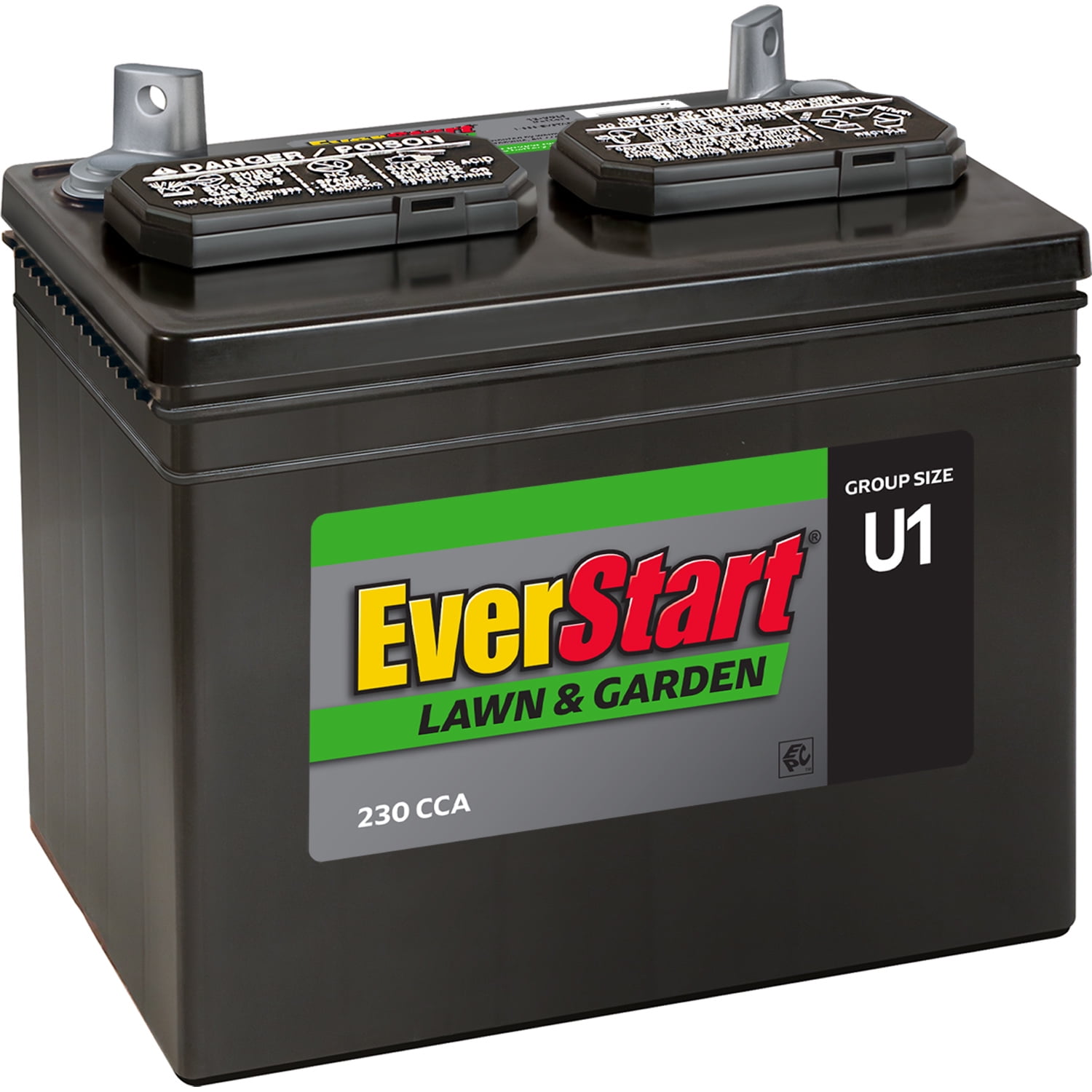
Image Source: i5.walmartimages.com
The Heart of the Mower: Battery Voltage Explained
At its core, a lawn mower battery serves as the power source for various functions. For gas mowers, this often means starting the engine. For electric mowers, the battery is the sole power provider for the motor that spins the blades and often the wheels. The voltage of a battery directly relates to the electrical potential it provides. Higher voltage generally means more power can be delivered, allowing for more robust performance, especially in demanding situations like cutting thick or wet grass.
Common Lawn Mower Battery Volts
When you look at a lawn mower battery specifications sheet or the battery itself, you’ll most commonly see “12V” prominently displayed. This is because 12 volts is a widely adopted standard for lead-acid batteries, which have historically been the go-to for many applications requiring portable power, including automotive and gardening equipment.
- Why 12 Volts is So Common:
- Accessibility and Cost: 12V systems are prevalent, making batteries and related components readily available and generally more affordable.
- Balance of Power and Size: 12V batteries offer a good balance between delivering enough power for most lawn mowing tasks and maintaining a manageable size and weight.
- Compatibility: Many starter motors and charging systems are designed around the 12V standard.
Fathoming Voltage Requirements Lawn Mower
The voltage requirements lawn mower is not a one-size-fits-all answer, though 12V is the most frequent. The specific voltage needed depends on the mower’s design, power output, and intended use.
Push Mower Battery Voltage
For many push mower battery voltage models, especially those with electric start features, a 12V battery is standard. These batteries are often similar to those found in small cars or motorcycles. They provide the initial jolt of power to crank the engine and get it running.
Cordless Lawn Mower Battery Voltage
The landscape changes somewhat when we talk about cordless lawn mower battery systems. These mowers rely entirely on battery power, and manufacturers are increasingly using advanced battery technologies like Lithium-ion.
- Common Voltages in Cordless Mowers:
- 18V: Often found in smaller, lighter cordless mowers, suitable for compact lawns.
- 36V: A popular choice, offering a good balance of power and runtime for medium-sized lawns. Many systems achieve 36V by using two 18V batteries in series.
- 40V, 48V, 56V, and Higher: As manufacturers push for more power and longer runtimes, you’ll see increasingly higher voltages. These higher voltages are often achieved by connecting multiple battery cells or packs in series. For example, a 40V system might use two 20V batteries.
The benefit of higher voltage in cordless mowers is efficiency. Higher voltage allows the motor to draw less current for the same amount of power. Less current means less heat and less power loss, leading to better performance and longer battery life.
Riding Mower Battery Volts
Riding mower battery volts are almost universally 12V. These mowers have larger engines that require more starting power than a push mower. The 12V batteries used in riding mowers are typically larger and have a higher Cold Cranking Amps (CCA) rating than those in smaller mowers, indicating their ability to deliver a strong burst of current.
Zero Turn Mower Battery Voltage
Similar to riding mowers, zero turn mower battery voltage is also predominantly 12V. Zero-turn mowers, especially commercial-grade ones, often have powerful engines and sophisticated electrical systems that necessitate the robust output of a 12V battery.
Interpreting Lawn Mower Battery Specifications
When you examine lawn mower battery specifications, you’ll find more than just the voltage. Other key figures provide vital information about the battery’s capacity and performance.
- Ampere-Hours (Ah): This measures the battery’s capacity – how much energy it can store. A higher Ah rating means the battery can provide power for a longer duration. For example, a 12V 35Ah battery can theoretically supply 35 amps for one hour, or 1 amp for 35 hours.
- Cold Cranking Amps (CCA): This rating is crucial for gas-powered mowers. It indicates the number of amps a battery can deliver for 30 seconds at 0°F (-18°C) while maintaining a voltage of at least 7.2V. A higher CCA means a better ability to start the engine in cold weather.
- Reserve Capacity (RC): Measured in minutes, RC indicates how long a fully charged battery can deliver 25 amps at 80°F (27°C) before dropping below 10.5V. It’s a measure of how long the battery can sustain essential functions if the charging system fails.
Battery Voltage Lawn Mower Types: A Comparative Look
Let’s summarize how voltage plays a role across different battery voltage lawn mower types:
| Mower Type | Primary Voltage | Notes |
|---|---|---|
| Gas Push Mower | 12V | Used for electric start functionality. Often similar to small automotive or motorcycle batteries. |
| Electric Push Mower (Corded) | N/A | No on-board battery; draws power directly from an outlet. |
| Cordless Push Mower | 18V, 36V, 40V+ | Entirely battery-powered. Voltage varies based on power and runtime needs. Often uses Lithium-ion technology. |
| Gas Riding Mower | 12V | Powers electric start and onboard accessories. Typically a larger, higher-CCA 12V battery. |
| Zero Turn Mower | 12V | Similar to riding mowers; robust 12V battery for starting and accessories. Commercial models may have higher demands. |
| Electric Riding Mower | 24V, 36V, 48V, 72V+ | Entirely battery-powered, often using multiple battery packs. Higher voltage systems are common for more power and longer runtimes. |
The Evolution of Electric Lawn Mower Battery Voltage
The evolution of electric lawn mower battery voltage reflects advancements in battery technology. Early electric mowers were often corded or used heavy, lower-voltage lead-acid batteries. The advent of Lithium-ion batteries has revolutionized cordless lawn care.
- Lithium-ion Advantages:
- Lighter Weight: Significantly lighter than lead-acid batteries, making mowers easier to maneuver.
- Higher Energy Density: Stores more energy in a smaller, lighter package.
- Longer Lifespan: Generally lasts for more charge cycles.
- Faster Charging: Many Lithium-ion batteries can be recharged much faster.
- Consistent Power Output: Maintains voltage better throughout the discharge cycle.
These advantages have allowed manufacturers to develop higher-voltage cordless mowers that can compete with, and in some cases surpass, the performance of gas-powered models.
Does Voltage Matter for Battery Replacement?
Absolutely. Using the wrong voltage battery can damage your lawn mower’s electrical system or simply not work at all.
- Using a Lower Voltage Battery: A mower designed for 12V will not function if you try to use an 18V battery. The higher voltage can overload and burn out components like the starter motor, ignition system, or control electronics.
- Using a Higher Voltage Battery (in electric mowers): While it might seem tempting to get more power, a higher voltage battery than the mower is designed for can also cause damage. For instance, putting a 40V battery into a mower designed for a 36V system might seem like a small difference, but it could lead to premature wear or failure of motors and electronic controls.
Always refer to your lawn mower’s owner’s manual or the existing battery’s label for the correct voltage.
Beyond Voltage: Other Considerations for Lawn Mower Batteries
While voltage is a critical specification, it’s not the only factor to consider when choosing a lawn mower battery.
Battery Type
- Lead-Acid: These are the traditional batteries. They are heavier, require maintenance (checking water levels in some types), and have a shorter lifespan. However, they are generally less expensive upfront.
- Lithium-ion (Li-ion): The modern standard for cordless mowers. They are lighter, maintenance-free, have a longer lifespan, and provide more consistent power. They are typically more expensive initially but can offer better long-term value.
Capacity (Ah)
As mentioned earlier, Ampere-Hours (Ah) dictates how long the battery will last on a single charge or provide starting power. For cordless mowers, a higher Ah battery means you can mow a larger area without recharging. For gas mowers, it contributes to longer starting attempts if needed.
Physical Size and Terminal Configuration
Batteries come in various physical dimensions and terminal types (post orientation, size, and style). A replacement battery must physically fit in the mower’s battery tray and have terminals that match the mower’s wiring.
Brand and Warranty
Reputable brands often offer better quality control and longer warranties, providing peace of mind.
Maintaining Your Lawn Mower Battery
Proper maintenance can extend the life of your lawn mower battery, regardless of its voltage.
- Keep it Clean: Clean battery terminals and connections prevent corrosion and ensure good electrical contact. A wire brush can help remove corrosion.
- Charge Regularly: For cordless mowers, follow the manufacturer’s charging recommendations. Avoid leaving Lithium-ion batteries fully discharged for extended periods. For gas mowers, ensure the charging system is working correctly to keep the battery topped up.
- Protect from Extremes: Extreme temperatures (hot or cold) can degrade battery performance and lifespan. Store mowers or batteries in a climate-controlled environment when possible.
- Check Connections: Ensure battery cables are tight and free from damage. Loose connections are a common cause of starting problems.
Frequently Asked Questions (FAQ)
Q1: Can I use a higher voltage battery in my lawn mower?
A1: Generally, no. Using a higher voltage battery than your mower is designed for can damage its electrical components. Always use the voltage specified by the manufacturer.
Q2: My cordless mower seems to be losing power quickly. Is the battery voltage low?
A2: It could be. However, low power can also be due to a worn-out battery (even at the correct voltage), a dirty air filter (on gas mowers), dull blades, or an issue with the motor. If it’s a cordless mower, check the battery’s charge level indicator and consider its age.
Q3: Do all riding mowers use 12V batteries?
A3: Yes, almost all gas-powered riding mowers and zero-turn mowers use 12V batteries for starting and powering accessories. Electric riding mowers, however, can use a wide range of voltages, often higher than 12V.
Q4: How do I know if my lawn mower battery needs replacing?
A4: Signs include slow engine cranking, failure to start, dim headlights (on riding mowers), or the battery not holding a charge for long. For cordless mowers, a significant decrease in runtime is a clear indicator.
Q5: Is it okay to leave my lawn mower battery connected to a trickle charger all the time?
A5: For lead-acid batteries, a smart trickle charger or battery maintainer is generally safe and recommended to prevent self-discharge and sulfation. For Lithium-ion batteries, follow the manufacturer’s guidelines; most modern chargers will stop charging when the battery is full, but it’s best to err on the side of caution and not leave them plugged in indefinitely unless the charger is specifically designed for long-term maintenance.
Q6: What does “CCA” mean on my riding mower battery?
A6: CCA stands for Cold Cranking Amps. It’s a measure of the battery’s ability to start an engine in cold temperatures. A higher CCA rating is better for starting power.
By grasping the fundamental concept of lawn mower battery voltage, you equip yourself with essential knowledge for maintaining and operating your lawn care equipment effectively. Whether it’s the familiar 12V of a riding mower or the diverse voltages of modern cordless machines, understanding these specifications ensures you can keep your lawn looking its best.