
Can you stop raccoons from digging up your lawn? Yes, there are several effective and safe methods to deter raccoons from digging up your lawn, most of which involve making your yard less appealing to them or creating barriers.
Raccoons are intelligent and adaptable creatures. While their nocturnal habits and curious nature can make them charming to observe from a distance, their digging activities can be a major nuisance for homeowners. The tell-tale signs of a raccoon problem are often circular patches of disturbed soil, overturned sod, and sometimes, damaged flower beds. These masked bandits are often searching for grubs, insects, or other tasty morsels hidden beneath the surface. But they can also be motivated by a desire for shelter or simply exploring their territory. This guide will delve into effective strategies to stop raccoons digging, ensuring your lawn remains intact and your gardening efforts are not in vain. We will explore various raccoon deterrents, focusing on those that are safe for your family, pets, and the environment.
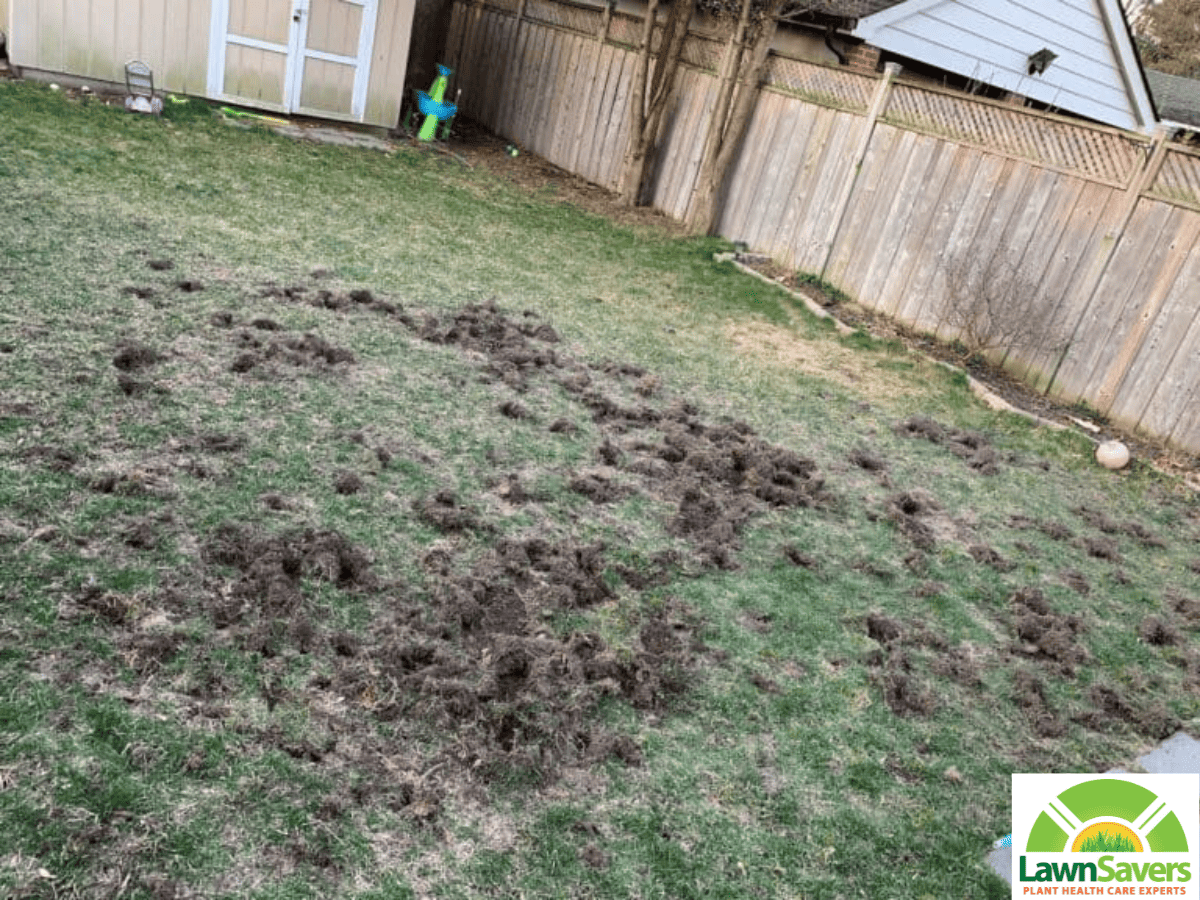
Image Source: lawnsavers.com
Why Raccoons Dig in Your Lawn
To effectively protect lawn from raccoons, it’s crucial to first understand their motivations. Raccoons are omnivores with a keen sense of smell and a strong instinct for foraging. Their digging is primarily driven by the search for food.
Primary Food Sources Driving Lawn Digging:
- Grubs: The larvae of Japanese beetles, June bugs, and other common lawn pests are a favorite treat for raccoons. These plump, white grubs are rich in protein and fat. Raccoons can detect them underground and will dig with their dexterous paws to unearth them.
- Insects and Earthworms: Beyond grubs, raccoons will also consume other invertebrates found in the soil, including earthworms, beetles, and caterpillars.
- Small Rodents: Occasionally, raccoons may dig for voles or mice that have burrowed into your lawn.
Other Contributing Factors:
- Shelter: Raccoons are always on the lookout for safe and comfortable places to den, especially during mating season or when raising young. They might dig near foundations, under decks, or in dense vegetation for shelter.
- Water: Proximity to a water source can also make your lawn more attractive. Raccoons often forage near ponds, streams, or even bird baths.
- Easy Access: If your yard offers open spaces with readily available food, it becomes a prime target. Raccoons are opportunistic foragers.
Safe and Humane Raccoon Removal and Deterrence
When considering how to prevent raccoon damage, the goal is to make your property uninviting without causing harm. Humane methods are paramount.
Natural Raccoon Repellents:
Many homeowners prefer natural raccoon repellents that are safe for pets and children. These often rely on scent or taste to discourage raccoons.
Scent-Based Deterrents:
Raccoons have a strong sense of smell, and certain odors can be highly unpleasant to them.
- Ammonia-soaked rags: The strong smell of ammonia can mimic predator urine, signaling danger. Place ammonia-soaked rags in shallow containers around the affected areas of your lawn. Reapply weekly or after rain.
- Cayenne pepper or hot pepper flakes: Sprinkle cayenne pepper or other hot pepper flakes liberally around the perimeter of your lawn and any areas where digging occurs. The capsaicin in peppers irritates their noses and paws, making the experience unpleasant. This needs frequent reapplication, especially after watering or rain.
- Castor oil: Castor oil, when mixed with water and sprayed on the lawn, can create an unpleasant film on the grass and soil that raccoons dislike. A common mixture is one tablespoon of castor oil, one tablespoon of dish soap (to help emulsify the oil), and one gallon of water. Spray it around the lawn’s edge.
- Peppermint oil or eucalyptus oil: These strong essential oils can also be effective. Soak cotton balls in these oils and place them around your yard. The potent aroma can deter raccoons.
- Garlic or onion: Similar to peppers, the strong odor of garlic or onions can be off-putting. Chop up garlic or onions and scatter them around your lawn.
Taste-Based Deterrents:
These methods make the act of digging and consuming grubs or roots unpleasant.
- Bitter apple spray: Available at pet stores, bitter apple spray is non-toxic and has a very unpleasant taste. Spray it directly on plants or areas you want to protect. While not ideal for entire lawns, it can be useful for specific garden beds.
Repellent Plants:
Certain plants have strong scents that can deter raccoons from areas. Planting these around the perimeter of your garden or lawn might help.
- Rue: This plant has a strong, pungent odor.
- Mint: Many varieties of mint have strong scents that raccoons dislike.
- Onion and Garlic: As mentioned, these are potent deterrents.
Physical Barriers:
Creating physical barriers is one of the most effective ways to protect lawn from raccoons.
Fencing:
- Mesh Fencing: Install a sturdy fence made of chicken wire, hardware cloth, or other mesh materials. The fence should be at least 3-4 feet high.
- Underground Barrier: Raccoons are adept diggers, so extending the fence at least 10-12 inches below the ground will prevent them from burrowing underneath.
- Electric Fencing: For persistent problems, a low-voltage electric fence can be a highly effective deterrent. It provides a mild shock that discourages raccoons without causing lasting harm. Ensure it is installed according to local regulations and is clearly marked.
- Leaning Outward: An outward-leaning overhang at the top of the fence (about 12 inches wide, angled at 45 degrees) can prevent raccoons from climbing over.
Ground Covers:
- Hardware Cloth or Chicken Wire: Laying down chicken wire or hardware cloth on top of the soil in garden beds or vulnerable lawn areas can make digging uncomfortable and difficult. You can peg it down to keep it in place. Over time, grass will grow through the mesh, making it less visible.
- Gravel or Mulch: A thick layer of coarse gravel or sharp mulch can make digging less appealing to raccoons.
Raccoon Proofing Your Garden and Lawn
Raccoon proofing garden areas and your lawn involves a multi-faceted approach.
Eliminating Food Sources:
The most crucial step in any pest control strategy is to remove the attractants.
- Secure Garbage Cans: Raccoons are notorious for raiding unsecured garbage. Use bins with tight-fitting lids and consider bungee cords or clips to keep them shut. Store garbage cans in a shed or garage if possible.
- Clean Up Pet Food: Never leave pet food outdoors overnight. Raccoons will readily consume it.
- Remove Fallen Fruit: If you have fruit trees, clean up fallen fruit promptly.
- Bird Feeders: While bird feeders are lovely, they can also attract raccoons. Consider squirrel-proof feeders or elevated feeders that raccoons cannot easily access. Clean up spilled seed regularly.
Managing Water Sources:
- Drain Standing Water: Raccoons need water to survive. Ensure there are no sources of standing water in your yard, such as clogged gutters, old tires, or buckets.
- Secure Ponds: If you have a pond, consider fencing it or ensuring it’s not easily accessible.
Making Your Lawn Less Attractive:
- Repair Lawn Damage Promptly: The disturbed soil left by raccoon digging can be a continued attractant. Rake out the soil and reseed or patch the lawn as soon as possible.
- Irrigation: While not always practical, over-watering your lawn can make it less appealing for digging, as raccoons prefer dry, loose soil for their grub hunts.
Advanced Raccoon Deterrents and Solutions
For persistent raccoon problems, more advanced techniques might be necessary.
Motion-Activated Sprinklers:
These devices detect movement and release a short burst of water, startling the raccoon and discouraging it from returning. They are effective and humane.
Ultrasonic Devices:
Ultrasonic devices emit high-frequency sounds that are unpleasant to raccoons but typically inaudible to humans and pets. The effectiveness of these devices can vary, and some animals may become accustomed to the sound over time.
Professional Assistance:
If your raccoon problem is severe or persistent, consider contacting a wildlife removal specialist. They can assess the situation and implement more aggressive, yet still humane, raccoon removal strategies. This might include trapping and relocation, though this should always be done by professionals who understand the legal and ethical considerations involved.
Gardening with Raccoons in Mind
Gardening with raccoons present requires some adjustments.
Protecting Specific Plants:
- Raised Beds: Consider planting vulnerable flowers or vegetables in raised garden beds that are fenced or have mesh bottoms.
- Row Covers: Lightweight row covers can protect young plants from foraging animals.
- Companion Planting: While not a primary deterrent, some plants like marigolds are rumored to deter certain pests, though their effectiveness against raccoons is debated.
Timing Your Planting:
Be aware of when raccoons are most active and vulnerable (e.g., during breeding seasons).
Best Raccoon Repellents: A Comparative Look
When selecting best raccoon repellents, consider the factors of effectiveness, safety, cost, and ease of use.
| Repellent Type | Pros | Cons | Best Use Case |
|---|---|---|---|
| Ammonia | Strong scent, mimics predator | Needs frequent reapplication, smell can be strong | Perimeter of lawn, near entry points |
| Cayenne Pepper | Irritates nose/paws, natural | Needs frequent reapplication, can irritate pets | Lawn edges, garden beds |
| Castor Oil Spray | Unpleasant taste/film, safe for most plants | Needs reapplication, can be messy | General lawn application, perimeter |
| Peppermint Oil | Strong scent, natural | Needs frequent reapplication, can be expensive | Cotton balls, near specific plants |
| Hardware Cloth | Physical barrier, highly effective | Can be labor-intensive, affects aesthetics | Protecting garden beds, around specific trees/shrubs |
| Motion Sprinklers | Effective, humane, automated | Requires water source and power, initial cost | Open lawn areas, near garden beds |
| Electric Fence | Highly effective, humane deterrent | Higher initial cost, potential for pet interaction | Large properties, persistent raccoon problems |
Troubleshooting Persistent Raccoon Problems
If raccoons continue to dig despite your efforts, you may need to combine several strategies.
Persistence is Key:
Raccoons are creatures of habit. It may take time for them to associate your lawn with unpleasant experiences.
Identify Entry Points:
If raccoons are accessing your yard from a specific direction or through a gap in fencing, focus your efforts there.
Block Den Sites:
If you suspect raccoons are denning under a shed or deck, block all potential entry points with sturdy materials like hardware cloth. Do this after ensuring no raccoons are currently inside, perhaps by observing their activity patterns. Sealing them in can cause distress and potential damage.
FAQ: Your Raccoon Digging Questions Answered
Q1: How can I stop raccoons from digging up my lawn without harming them?
A1: You can stop raccoons from digging by using humane deterrents like motion-activated sprinklers, strong-smelling natural repellents (ammonia, cayenne pepper, peppermint oil), physical barriers such as chicken wire or fencing, and by removing attractants like unsecured garbage and pet food.
Q2: What is the best natural repellent for raccoons?
A2: Many consider cayenne pepper and ammonia-soaked rags to be among the best raccoon repellents due to their strong, offensive odors and the irritant effect they have on raccoons. Castor oil sprays are also effective for their unpleasant taste.
Q3: Why are raccoons digging in my garden?
A3: Raccoons typically dig in gardens in search of food, primarily grubs and other insects found in the soil. They may also be seeking a place to shelter or drink.
Q4: Can I use essential oils to deter raccoons?
A4: Yes, essential oils like peppermint oil and eucalyptus oil have strong scents that raccoons dislike. Soaking cotton balls in these oils and placing them around your lawn or garden can help deter them.
Q5: How do I remove raccoons that have already dug extensively?
A5: To address existing digging, first repair the damaged areas of your lawn. Then, implement lawn protection methods such as repellents and barriers. If raccoons are present, consider humane trapping and relocation by a professional wildlife removal service for truly effective humane raccoon removal.
Q6: What if raccoons are digging under my deck?
A6: If raccoons are digging under your deck, this likely means they are seeking shelter. You need to raccoon proof garden areas and structures like decks by blocking all potential entry points with sturdy materials like hardware cloth. Ensure there are no raccoons inside before sealing the area.
By implementing these strategies, you can effectively prevent raccoon damage and enjoy a beautiful, intact lawn. Remember that consistency and a combination of methods are often the most successful approach to raccoon deterrents and lawn protection methods.