
What are prairie dogs and can they be a problem for homeowners? Prairie dogs are small, burrowing rodents native to North America, known for their complex social structures and extensive underground towns. While they play a vital role in prairie ecosystems, their burrowing habits can indeed cause problems for homeowners, leading to damaged lawns, potential tripping hazards, and even structural concerns for buildings. This guide will provide you with comprehensive strategies for preventing prairie dogs from taking over your yard and keeping prairie dogs away.
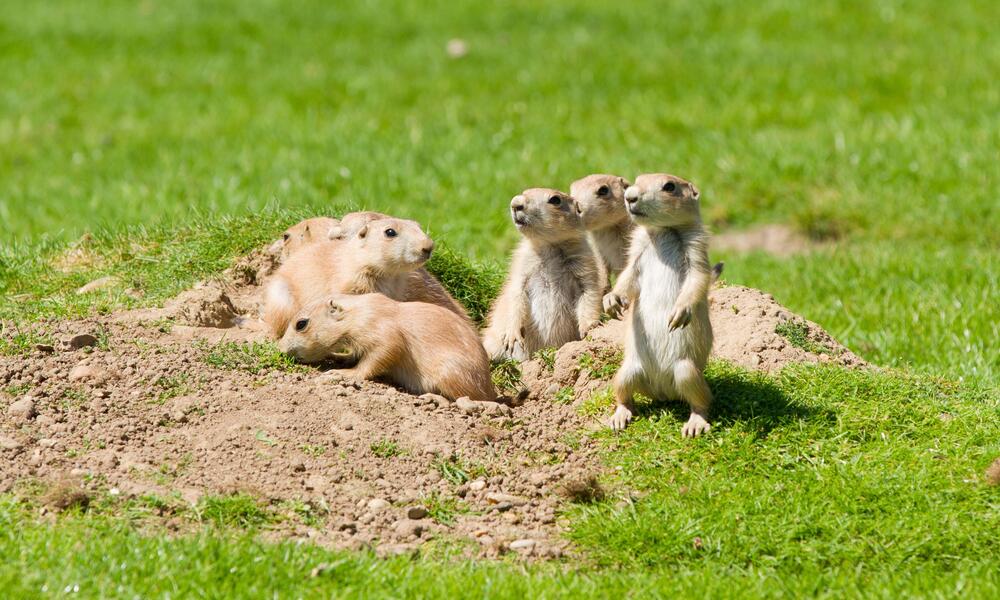
Image Source: files.worldwildlife.org
Why Prairie Dogs Invade Yards
Prairie dogs are attracted to well-maintained lawns and gardens for several reasons. The lush vegetation provides a readily available food source, and the soft, cultivated soil is ideal for their burrowing activities. Human landscapes often mimic the open, grassy habitats they prefer, making residential areas an attractive, albeit unintended, destination.
Habitat Preferences
- Open Grasslands: Prairie dogs thrive in open areas with short grasses, which allow for good visibility to spot predators and easy access to their burrows.
- Soft Soil: They need soil that is easy to excavate for building their extensive burrow systems, which can be several feet deep and contain multiple chambers and entrances.
- Food Availability: Young shoots, roots, and seeds are their primary diet, and many manicured lawns offer a buffet of these.
Signs of Prairie Dog Activity
- Mounds of Dirt: The most obvious sign is the presence of conical mounds of excavated dirt at the entrances to their burrows.
- Burrow Entrances: These holes can vary in size but are typically large enough for a prairie dog to enter.
- Chewed Vegetation: You might notice plants, grasses, or even small shrubs that have been gnawed down.
- “Barking” Sounds: Prairie dogs are known for their characteristic alarm calls, a sharp bark that alerts others to danger.
Effective Strategies for Keeping Prairie Dogs Away
Successfully repelling prairie dogs requires a multi-faceted approach. Focusing on making your yard less appealing and creating physical barriers are key. We’ll explore a range of methods, from natural prairie dog repellents to more substantial exclusion techniques.
1. Exclusion Barriers: The Power of Fencing
One of the most effective methods for preventing prairie dogs from entering your yard is through robust fencing. However, not just any fence will do. Prairie dogs are adept diggers, so a barrier must extend underground to be truly effective.
Prairie Dog Fencing Requirements
- Material: Sturdy, galvanized wire mesh is typically recommended. The mesh size should be small enough to prevent young prairie dogs from squeezing through (e.g., 1/2 inch or 1/4 inch mesh).
- Height: The fence should be at least 3 feet tall above ground to deter them from jumping over.
- Depth: This is crucial. The fence needs to be buried at least 2 to 3 feet deep into the ground.
- L-Footer: To prevent digging underneath, a common technique is to create an “L-footer.” This involves bending the bottom 12-18 inches of the wire mesh outward, parallel to the ground, and then burying it. This creates a barrier that discourages them from digging under the fence.
Installing an L-Footer Fence
- Dig a Trench: Dig a trench around the perimeter of your yard to the desired depth (2-3 feet).
- Attach Mesh: Secure the wire mesh to fence posts.
- Bend and Bury: Bend the bottom portion of the mesh outward to form the “L” shape.
- Backfill: Carefully backfill the trench with soil, ensuring the buried portion of the fence is securely in place.
Alternative Fencing Materials
While wire mesh is common, some homeowners explore other options. Solid barriers like concrete foundations can also be effective but are more costly and difficult to install.
2. Habitat Modification: Making Your Yard Less Inviting
Altering your yard’s landscape can significantly reduce its appeal to prairie dogs. The goal is to remove elements they find attractive and introduce those they find aversive.
Reducing Attractive Vegetation
- Trim Grass Short: Prairie dogs prefer shorter grasses for better visibility. Keeping your lawn meticulously mowed can make it less ideal.
- Remove Edible Plants: If you have vegetable gardens or fruit-bearing plants, consider fencing them off separately or choosing plants that are less palatable to prairie dogs.
- Clear Debris: Piles of leaves, wood, or debris can offer cover for prairie dogs. Keeping your yard tidy reduces hiding spots.
Introducing Unpleasant Textures and Plants
- Gravel or Mulch: Bordering garden beds with coarse gravel or wood mulch can make it uncomfortable for them to traverse.
- Thorny Plants: Planting thorny shrubs or ground cover around the perimeter of your yard or vulnerable areas can act as a deterrent.
- Unpleasant Smells: Certain strong scents can be off-putting. We will cover natural prairie dog repellents in detail later.
3. Natural Prairie Dog Repellents: Employing Nature’s Defenses
Many homeowners prefer humane prairie dog control methods that don’t involve harm. Natural prairie dog repellents can be effective in deterring them from your yard. These often work by creating scents or tastes that prairie dogs find unpleasant.
Scent-Based Repellents
- Castor Oil: A diluted castor oil solution sprayed around the perimeter of your yard can be effective. The strong scent and taste are often disliked by prairie dogs.
- Peppermint Oil: Similarly, peppermint oil, often mixed with water and a mild soap as an emulsifier, can deter them due to its pungent aroma.
- Garlic: Crushed garlic or garlic spray can also be a potent repellent due to its strong smell.
- Predator Urine: Though less common for DIY, the scent of predator urine (like coyote or fox) can create an instinctive fear response.
Application of Scent Repellents
- Consistency is Key: These repellents often need to be reapplied regularly, especially after rain or watering, to maintain their effectiveness.
- Targeted Application: Focus application on areas where prairie dogs are entering or showing activity, such as burrow entrances and along property lines.
Taste-Based Repellents
- Capsaicin (Chili Pepper): A solution made from hot peppers or capsaicin extract can be sprayed on plants. When prairie dogs nibble on treated vegetation, the burning sensation will discourage them. Be cautious with this method around pets or children.
Repellent Plantings
Some plants are naturally unappealing to prairie dogs due to their scent or taste:
- Marigolds: Known for their strong scent.
- Lavender: Another fragrant option.
- Mint: Its vigorous growth and strong scent can deter them.
- Onions and Garlic: Planting these can contribute to a less appealing environment.
4. Noise and Vibration Deterrents
Prairie dogs are sensitive to vibrations and unusual noises. While not always a long-term solution, they can be used as part of a broader strategy.
- Ultrasonic Devices: These emit high-frequency sounds that are inaudible to humans but can be irritating to rodents. Their effectiveness can vary, and prairie dogs may become accustomed to them over time.
- Wind Chimes or Rattles: Placing these in your yard can create unexpected noises that might startle prairie dogs away.
5. Keeping Predators in the Ecosystem
In their natural habitat, prairie dogs are prey for various animals, including hawks, coyotes, badgers, and snakes. While you shouldn’t actively introduce predators, maintaining a natural landscape that supports these animals can indirectly help with managing prairie dog population in a broader sense.
- Avoid Poisoning: Never use poisons or rodenticides, as they can harm non-target species, including pets and beneficial wildlife. This is a crucial aspect of humane prairie dog control.
- Provide Perches for Birds of Prey: If possible, install predator perches in open areas near your yard. Hawks and other raptors can spot and hunt prairie dogs from these elevated positions.
6. Professional Assistance and Population Management
If prairie dog activity is severe and persistent, you may need to consider professional help. Wildlife removal services can offer expert advice and implement more intensive control measures.
When to Call a Professional
- Extensive Burrow Systems: If burrowing has compromised the structural integrity of your home or outbuildings.
- Persistent Infestations: When DIY methods have failed to yield satisfactory results.
- Legal Restrictions: Some areas have specific regulations regarding wildlife control. Professionals will be aware of and adhere to these.
Humane Removal and Relocation
Ethical wildlife control professionals will prioritize humane prairie dog control. This might involve live trapping and relocation to a suitable habitat away from residential areas.
Protecting Your Garden from Prairie Dogs
Your vegetable garden is often a prime target for prairie dogs. Protecting garden from prairie dogs requires specific tactics focused on plant protection.
Garden Fencing
- Lower Height, Buried Fence: For garden beds, a fence that is 2-3 feet high and buried at least 1 foot deep with an L-footer is often sufficient. The mesh size should be small (1/2 inch or less).
- Raised Beds: Planting in raised beds can sometimes deter them, especially if the sides are smooth and high enough.
Plant Selection
- Unpalatable Plants: Choose vegetables and flowers that prairie dogs tend to avoid. This includes plants with strong scents or tough textures.
- Examples: Marigolds, lavender, onions, garlic, rosemary, basil, mint, and some types of squash.
- Tougher Greens: Kale and Swiss chard are often more resilient than tender lettuces.
Repellent Sprays for Gardens
- Natural Sprays: As mentioned earlier, diluted castor oil, peppermint oil, or garlic sprays can be applied directly to plants.
- Capsaicin Sprays: For plants that can tolerate it, chili pepper sprays can provide a strong deterrent when they try to nibble.
Companion Planting
Strategically planting deterrent plants among your vegetables can help create a natural barrier. For instance, interspersing marigolds or onions within your tomato or pepper plants.
Addressing Existing Burrows
If prairie dogs have already established burrows in your yard, preventing prairie dogs from returning requires addressing these existing structures.
Sealing Burrows
- Timing: It’s generally best to seal burrows when you are certain they are not occupied. This can be tricky, as prairie dogs are nocturnal and may be underground during the day.
- Filling Technique:
- Observation: Watch for activity to determine if a burrow is still in use.
- Initial Filling: Fill the burrow with soil, gravel, or sand.
- Compaction: Compact the material firmly to prevent easy re-excavation.
- Monitor: Keep an eye on the area for new mounds appearing nearby.
Considerations for Sealing
- Occupancy: It is crucial to avoid sealing active burrows, as this constitutes inhumane treatment.
- Re-establishment: Prairie dogs are persistent. They may attempt to re-open sealed burrows or dig new ones nearby if the underlying attractants remain.
Repurposing Landscaping
Consider landscaping in areas with persistent burrowing activity that makes fencing or other methods impractical.
- Gravel or Rock Gardens: These are difficult for prairie dogs to burrow through and can create an unattractive environment.
- Densely Planted Areas: Areas with thick ground cover or densely planted shrubs can be less appealing for burrowing.
Long-Term Management of Prairie Dog Population
Managing prairie dog population in a community or neighborhood context is often more effective than individual efforts. Coordinated action can create a larger area that is less hospitable to prairie dogs.
Community Awareness and Action
- Neighborly Cooperation: Discuss the issue with your neighbors. If multiple properties are experiencing problems, a collective approach can be more successful.
- Shared Fencing Projects: Consider shared fencing along common property lines.
- Educational Initiatives: Promoting awareness about humane control methods can foster a community-wide effort.
Understanding Prairie Dog Ecology
Familiarizing yourself with prairie dog behavior and life cycles can inform your prairie dog deterrents strategies.
- Colony Structure: Prairie dogs live in colonies, and their presence often indicates a suitable habitat. Removing one or two might not solve the problem if the surrounding area remains ideal.
- Reproduction: Prairie dogs typically have one litter per year, which can lead to population growth if not managed.
Summarizing Prairie Dog Prevention Methods
| Method | Description | Effectiveness | Humane Aspect |
|---|---|---|---|
| Prairie Dog Fencing | Burying wire mesh 2-3 feet deep with an L-footer. | High | Non-lethal |
| Habitat Modification | Reducing attractive vegetation, clearing debris, introducing less palatable plants. | Moderate to High | Non-lethal |
| Natural Repellents | Using castor oil, peppermint oil, garlic, or capsaicin sprays on plants and perimeter. | Moderate | Non-lethal |
| Noise/Vibration | Ultrasonic devices, wind chimes. | Low to Moderate | Non-lethal |
| Predator Attraction | Supporting natural predators, installing perches. | Indirect, Long-term | Non-lethal |
| Sealing Burrows | Filling active and inactive burrows with compacted soil/gravel. | High (if done right) | Can be inhumane if active burrows sealed |
| Professional Services | Hiring wildlife control experts for trapping, relocation, or advanced exclusion. | High | Depends on methods used |
Frequently Asked Questions (FAQ)
Q1: Are prairie dogs dangerous to humans?
A: Prairie dogs are generally not aggressive towards humans. However, like any wild animal, they can bite if they feel threatened or are cornered. Their burrows can also pose tripping hazards.
Q2: Can I use poison to get rid of prairie dogs?
A: It is strongly discouraged and often illegal in many areas to use poison. Poisons are not selective and can harm pets, children, beneficial wildlife, and endangered species. Focus on humane prairie dog control methods.
Q3: How long does prairie dog fencing need to be?
A: For effective exclusion, the fencing needs to be at least 3 feet tall above ground and buried 2 to 3 feet deep, ideally with an L-footer buried horizontally underground.
Q4: What are the best natural prairie dog repellents?
A: Natural prairie dog repellents like diluted castor oil, peppermint oil, garlic spray, and capsaicin-based sprays are often effective. Planting certain aromatic herbs and thorny plants can also help.
Q5: How do I stop prairie dogs from digging up my garden?
A: Protecting garden from prairie dogs involves using garden-specific fencing, planting unpalatable plants, and applying natural repellent sprays directly to your vegetables and flowers.
Q6: What should I do if I find an abandoned prairie dog burrow?
A: Even abandoned burrows can be attractive for re-occupation or can pose a tripping hazard. It’s best to fill them with soil and compact it. If you suspect it might be used by other wildlife, observe before filling.
Q7: Is it legal to trap and relocate prairie dogs?
A: Laws regarding trapping and relocating wildlife vary by location. It’s essential to check with your local wildlife agencies before attempting to trap and relocate prairie dogs.
By implementing these strategies for preventing prairie dogs and keeping prairie dogs away, you can create a yard that is less inviting to these burrowing rodents and protect your property effectively and humanely. Remember that persistence and a combination of methods often yield the best results in managing prairie dog population around your home.