
Can you keep mice out of your garden using natural methods? Yes, you absolutely can! This guide will explore effective, eco-friendly ways to protect your plants from these furry garden invaders. Mice can wreak havoc on a garden, nibbling on seeds, seedlings, roots, and even mature fruits and vegetables. They can also damage delicate plant stems and leaves. Instead of resorting to harsh chemicals, we’ll focus on natural deterrents and simple habitat modification techniques that make your garden an unappealing place for mice.
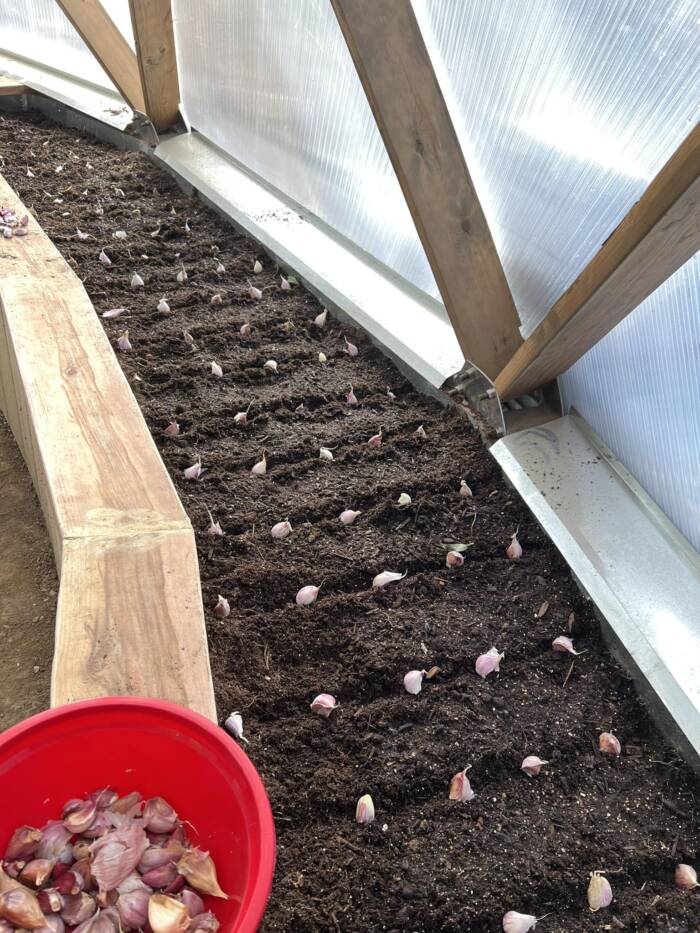
Image Source: growingspaces.com
Why Mice Visit Your Garden
Before we dive into solutions, let’s consider why mice are drawn to garden spaces. Understanding their motivations is key to successful pest control.
- Food Sources: Gardens offer a smorgasbord for mice. They love seeds, nuts, fruits, vegetables, and even the tender shoots of young plants. Leftover birdseed or pet food can also be a major draw.
- Shelter: Mice need safe places to hide from predators and the elements. Dense vegetation, overgrown areas, compost piles, and woodpiles provide ideal cover.
- Water: Access to a water source, even a small puddle or a leaky hose, can attract mice.
- Nesting Materials: Loose straw, dried leaves, and other garden debris can be used by mice to build cozy nests.
Effective Natural Deterrents for Mice
The good news is that you don’t need to use poisons or traps to keep mice away. Many natural approaches work wonders by making your garden less inviting or by directly deterring them.
Scent-Based Mouse Repellents
Mice have sensitive noses and are repelled by strong smells that are overwhelming or indicate danger.
Essential Oils
Certain essential oils are potent natural deterrents. Their strong scents can mask other appealing aromas in your garden or simply make the area unpleasant for mice.
- Peppermint Oil: This is a classic. Mice are known to dislike the strong scent of peppermint.
- How to Use: Soak cotton balls in pure peppermint oil. Place these cotton balls strategically around your garden beds, near entry points, and any areas where you’ve seen mouse activity. Reapply the oil every few days as the scent fades.
- Eucalyptus Oil: Similar to peppermint, eucalyptus has a sharp, invigorating scent that mice tend to avoid.
- How to Use: Mix a few drops of eucalyptus oil with water in a spray bottle. Lightly spray around the perimeter of your garden and on the base of plants.
- Clove Oil: The strong, spicy aroma of clove oil can also deter mice.
- How to Use: Cotton balls soaked in clove oil can be used similarly to peppermint oil.
- Tea Tree Oil: Known for its strong medicinal scent, tea tree oil is another effective option.
- How to Use: Dilute tea tree oil with water and spray, or use soaked cotton balls.
Important Note on Essential Oils: Always use pure, high-quality essential oils. While generally safe for plants when diluted, test on a small area first. Keep oils away from pets and children.
Other Strong-Smelling Natural Repellents
Beyond essential oils, other natural items possess scents that mice find off-putting.
- Garlic: The pungent smell of garlic is a well-known deterrent for many pests.
- How to Use: You can plant garlic bulbs around the edges of your garden. Alternatively, crush garlic cloves and steep them in water overnight. Strain the water and use it as a spray around your garden.
- Onions: Similar to garlic, the strong odor of onions can help keep mice away.
- How to Use: Plant onions or use onion peels around your garden beds.
- Chili Peppers/Cayenne Pepper: The capsaicin in chili peppers irritates a mouse’s senses.
- How to Use: Sprinkle cayenne pepper powder around your garden. Be mindful that rain will wash it away, so reapplication is necessary. You can also make a spray by mixing cayenne powder with water and a little dish soap (to help it stick).
Physical Barriers and Plant Protection
Sometimes, the best defense is a good physical barrier.
Garden Fencing
While mice aren’t typically strong diggers in the same way as moles, they can squeeze through surprisingly small openings. For dedicated garden protection, consider the following:
- Material: Use sturdy, fine-mesh hardware cloth (metal mesh with small squares, often 1/4 inch or less). Avoid plastic netting, which mice can easily chew through.
- Height: The fence should be at least 18-24 inches high to prevent them from jumping over.
- Burial: To prevent burrowing under the fence, bury the bottom edge of the hardware cloth at least 6 inches deep. Bend the bottom edge outwards in an “L” shape to discourage digging.
- Gate Security: Ensure any gates are also made of the same fine mesh and fit snugly to avoid gaps.
Table 1: Garden Fencing Considerations for Mice
| Feature | Recommendation | Reason |
|---|---|---|
| Mesh Size | 1/4 inch or smaller | Prevents mice from squeezing through. |
| Height | 18-24 inches | Discourages jumping over. |
| Depth | Bury 6 inches underground | Prevents burrowing underneath. |
| Shape | Bend bottom edge outwards (L-shape) | Further discourages digging. |
| Material | Hardware cloth (galvanized steel) | Durable and chew-resistant. |
Row Covers and Cloches
For individual plants or smaller garden areas, lightweight row covers or cloches can provide effective plant protection.
- Row Covers: These are typically made of fine mesh fabric that allows light, air, and water to pass through while keeping insects and small animals out. Secure the edges well with soil or weights.
- Cloches: These are protective covers, often bell-shaped, that can be placed over young plants. They can be made from plastic bottles (with tops cut off and ventilation holes), glass jars, or specialized garden cloches. Ensure they are secured to the ground.
Habitat Modification and Garden Maintenance
Making your garden less hospitable is a cornerstone of effective pest control. Mice are attracted to areas where they feel safe and can easily find food and shelter.
Sanitation Practices
Cleanliness is paramount. This includes:
- Weed Control: Keep your garden and surrounding areas free of weeds. Weeds provide excellent cover and nesting material for mice.
- Debris Removal: Regularly clear away fallen leaves, dead plant matter, and any garden debris. These can also serve as shelter.
- Compost Pile Management: If you have a compost pile, ensure it is well-managed. Turn it regularly to generate heat, which can deter mice. Avoid composting meat scraps or dairy products, which are particularly attractive. Consider an enclosed compost bin.
- Bird Feeder Management: Bird feeders can be a significant attractant.
- Clean up spilled seed regularly.
- Use feeders designed to be squirrel and mouse-proof.
- Consider moving feeders away from your garden beds or housing them in a metal-lined enclosure.
- Pet Food: Never leave pet food outdoors overnight. Store it in sealed, rodent-proof containers.
Eliminating Shelter
Mice need places to hide. Denying them these spots is crucial.
- Yard Tidiness: Keep your lawn mowed and tidy.
- Woodpile and Debris Storage: Store firewood, lumber, and other debris off the ground and away from your house and garden. This reduces hiding places.
- Dense Vegetation: Trim back any dense shrubs or bushes that are close to your garden.
Introducing Natural Predators
Encouraging natural predators can help keep mouse populations in check.
- Barn Owls and Other Birds of Prey: If you have the space and the right habitat, installing owl boxes can attract barn owls, which are voracious mouse hunters.
- Cats: A domestic cat can be an effective deterrent, though their hunting success varies.
- Snakes: While perhaps not everyone’s favorite, snakes are natural predators of mice. Creating a garden environment that is safe for beneficial snakes can help.
Companion Planting
Some plants are believed to repel mice due to their strong scents. While not a foolproof method on their own, they can contribute to a multi-pronged approach.
- Mint: As mentioned with essential oils, mint plants have a strong scent. Planting mint around the edges of your garden might offer some protection. Be cautious, as mint can be invasive.
- Garlic and Onions: These pungent plants can be interplanted with your vegetables.
- Radishes: Some gardeners find that planting radishes can deter mice.
- Daffodils: The bulbs of daffodils contain a compound called lycorine, which is toxic to rodents and may make them unpalatable.
Table 2: Companion Plants with Repellent Qualities
| Plant | Primary Repellent Component | How it Works | Notes |
|---|---|---|---|
| Mint | Strong Scent | Overwhelms their sense of smell. | Can be invasive; plant in containers or contained areas. |
| Garlic | Pungent Odor | Off-putting aroma. | Plant around garden borders or with vegetables. |
| Onions | Strong Aroma | Similar to garlic, irritating to mice. | Can be used as above. |
| Radishes | Unknown/Possible Scent | Anecdotal evidence suggests deterrence. | Easy to grow and harvest. |
| Daffodils | Lycorine | Toxin makes bulbs unpalatable/harmful. | Plant bulbs in fall; effective for bulbs. |
Homemade Solutions and Natural Repellents
You can create your own mouse repellents using common household items.
- Pepper Spray: As mentioned earlier, a mixture of cayenne pepper, water, and a drop of dish soap can be sprayed around vulnerable plants.
- Ammonia-Soaked Rags: Ammonia has a strong odor that mimics predator urine. Soak rags in ammonia and place them in small containers with holes punched in them (to prevent them from drying out too quickly) around your garden.
- Human Hair: Some gardeners report success by scattering human hair (from barbershops or your own hairbrush) around the garden. The scent of a potential predator (humans) may deter mice.
Ultrasonic Devices
These electronic devices emit high-frequency sound waves that are supposed to be unpleasant for rodents but inaudible to humans and pets.
- Effectiveness: The scientific consensus on the long-term effectiveness of ultrasonic devices is mixed. Some studies show short-term deterrence, while others find mice quickly become accustomed to the sounds.
- Placement: If you choose to use them, ensure they are placed strategically and that their sound waves are not obstructed. They may work best as a supplementary measure.
Integrated Pest Management (IPM) Approach
The most successful pest control strategies often involve combining several methods. This is known as Integrated Pest Management (IPM). For mice in your garden, this means:
- Prevention: Focus on making your garden less attractive (sanitation, habitat modification).
- Deterrence: Use natural deterrents like essential oils and strong-smelling plants.
- Exclusion: Employ physical barriers like garden fencing or row covers for critical plant protection.
- Monitoring: Regularly check your garden for signs of mouse activity (droppings, gnawed plants, burrowing).
Frequently Asked Questions About Keeping Mice Out of Gardens
Q1: Can I completely eliminate mice from my garden naturally?
A1: While complete elimination might be difficult in areas with high mouse populations, you can significantly reduce their presence and protect your plants using a combination of natural methods. The goal is to make your garden inhospitable.
Q2: Are essential oils safe for my plants?
A2: Essential oils are potent. When used for mouse repellents, they should be diluted with water. Always perform a patch test on a small part of a plant before widespread application to ensure it doesn’t cause damage or stress.
Q3: How often do I need to reapply natural repellents like peppermint oil?
A3: The effectiveness of scent-based repellents diminishes over time as the scent fades. For essential oils and homemade solutions involving strong smells, reapplication every 2-3 days, or after rain, is usually recommended.
Q4: Will companion planting alone keep mice away?
A4: Companion planting can contribute to deterring mice due to the scents of certain plants, but it’s rarely a standalone solution. It works best as part of a broader strategy that includes habitat modification and physical barriers.
Q5: Is hardware cloth the only effective garden fencing for mice?
A5: Hardware cloth with a small mesh size (1/4 inch or less) is highly effective due to its strength and the small openings. Other fine-mesh materials might offer some protection, but they need to be equally chew-resistant and securely installed to prevent burrowing.
Q6: What is the best natural repellent for mice?
A6: There isn’t a single “best” repellent as effectiveness can vary based on the specific mouse population and your garden’s environment. However, peppermint oil, cayenne pepper, and maintaining excellent sanitation practices are consistently reported as highly effective natural deterrents.
By implementing these natural solutions, you can create a healthy, productive garden that is less appealing to mice, protecting your precious plants and enjoying a more peaceful gardening experience.