
What is the best way to deter deer from my garden? The most effective approach combines multiple strategies. This involves using physical barriers like deer fencing, implementing various deer repellent options that exploit their senses, planting deer-resistant plants, and employing deterrents that startle them. No single method is foolproof, so a layered defense is key for successful garden protection.
Deer can be a gardener’s worst nightmare. These beautiful, yet destructive, creatures can decimate a carefully cultivated garden in a single night. From tender seedlings to mature vegetables and ornamental flowers, deer have a voracious appetite for most plants. But before you resign yourself to a deer-grazed wasteland, know that there are many effective methods to keep them at bay. This comprehensive guide will explore a range of strategies to protect your precious plants, from the tried-and-true to the more innovative.
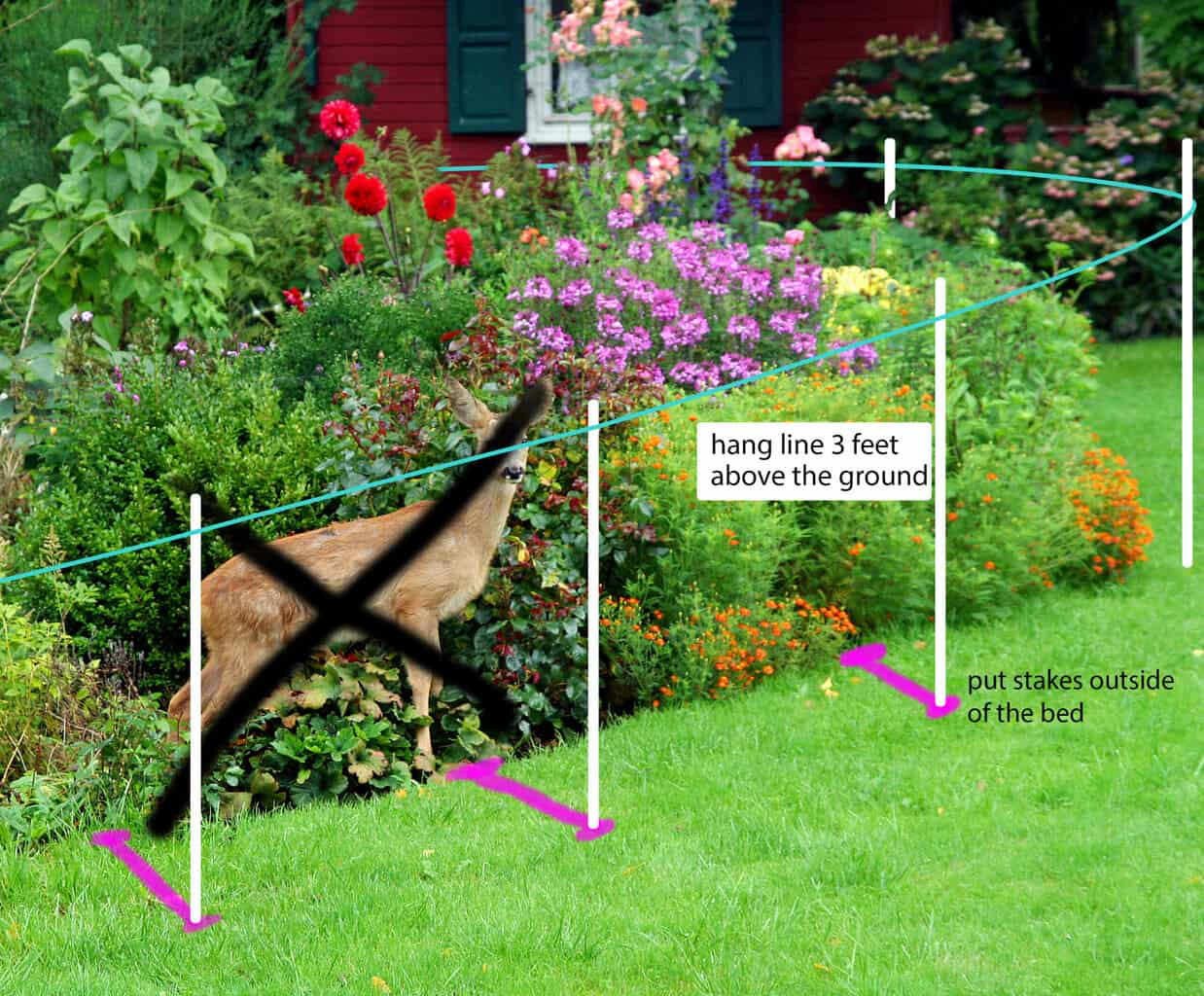
Image Source: www.tyrantfarms.com
Fencing: The Ultimate Barrier
When it comes to definitive garden protection, deer fencing is the most reliable solution. While it requires an initial investment and some effort, a well-constructed fence can provide a near-impenetrable barrier against these persistent herbivores.
Types of Deer Fencing
There are several types of fencing suitable for deterring deer, each with its own advantages and disadvantages. The choice often depends on your budget, the size of your garden, and the aesthetic you wish to maintain.
Woven Wire Fencing
This is a common and effective option.
* Height: A minimum of 7 to 8 feet is recommended. Deer can jump surprisingly high, so anything less might not be sufficient.
* Material: Heavy-gauge galvanized steel wire is durable and can withstand the elements.
* Installation: It needs to be securely anchored to sturdy posts. Consider burying the bottom edge a few inches into the ground or angling it outwards to prevent deer from pushing under.
Electric Fencing
Electric fences can be very effective due to the unpleasant shock deer receive when they touch them.
* Effectiveness: Deer quickly learn to avoid the fence after a single contact.
* Design: It often involves multiple strands of wire spaced at different heights to deter them from jumping over or crawling under.
* Considerations: While highly effective, electric fences can be a concern if you have pets or small children, and they require a reliable power source.
High-Tensile Wire Fencing
This type of fencing is strong and can be stretched taut, making it difficult for deer to break through.
* Strength: Made from high-carbon steel, it retains its tension over time.
* Aesthetics: It can be less visually obtrusive than woven wire fences, especially if painted or covered with vegetation.
* Installation: Requires specialized tools and knowledge for proper tensioning.
Double Fencing (Two Parallel Fences)
This method creates a wider barrier that deer are less likely to attempt to jump.
* Spacing: Typically, two fences are erected 3 to 4 feet apart.
* Height: Each fence can be 6 to 7 feet high.
* Mechanism: Deer are reluctant to jump into a narrow space where they might hit the second fence.
Building a Deer-Resistant Fence
- Post Spacing: Posts should be placed no more than 8 to 10 feet apart for adequate support.
- Post Depth: Sink posts at least 2 to 3 feet into the ground to ensure stability.
- Wire Attachment: Use heavy-duty staples or specialized clips to attach the wire to the posts.
- Gates: Ensure gates are as robust as the fence itself and can be securely latched.
Deer Repellents: Appealing to Their Senses
When a full fence isn’t feasible, deer repellent strategies can be a valuable part of your garden protection plan. These methods work by targeting a deer’s keen sense of smell and taste, making your plants unappealing or even frightening.
Scent Deterrents
Deer rely heavily on their sense of smell to identify food sources. Disrupting this can make your garden an unattractive dining destination.
Commercially Available Deer Repellents
Many products on the market utilize strong odors that deer find offensive.
* Ingredients: Common ingredients include predator urine (coyote, fox), rotten eggs, garlic, or synthetic compounds that mimic these strong smells.
* Application: These are typically sprayed directly onto plants or applied to surrounding areas.
* Reapplication: Crucial for effectiveness, as scents can wash away with rain or dissipate over time. You’ll need to reapply regularly, especially after wet weather.
Natural Deer Deterrents
You can create your own natural deer deterrents using common household items.
- Garlic Spray: A simple yet effective scent deterrent. Blend several cloves of garlic with water, strain, and spray on plants. You can add a little dish soap to help it adhere.
- Egg-Based Sprays: The smell of rotten eggs is a strong repellent. Mix several eggs with water, let them sit for a day or two to begin to decompose, then strain and spray.
- Human Hair or Soap: Sprinkling human hair or shavings from strongly scented bar soaps around your garden beds can deter deer. The scent of predators is often associated with these.
Taste Deterrents
These repellents work by making the plants taste unpleasant, discouraging deer from taking a bite.
- Capsaicin-Based Sprays: Products containing capsaicin, the compound that makes chili peppers hot, are effective taste deterrents. A popular DIY option is cayenne pepper deer spray.
- DIY Cayenne Pepper Deer Spray Recipe:
- 1 tablespoon cayenne pepper powder
- 1 teaspoon liquid dish soap (mild, unscented is best)
- 1 quart of water
- Mix cayenne pepper and dish soap in the water. Shake well.
- Strain if using a spray bottle to prevent clogging.
- Spray liberally on plants. Avoid spraying on very hot days as it can sometimes burn foliage.
- DIY Cayenne Pepper Deer Spray Recipe:
- Bitter Sprays: Certain commercial products use bittering agents that, while unappealing to deer, don’t harm the plants.
- Application: Like scent deterrents, taste deterrents need regular reapplication, particularly after rain.
Deer-Resistant Plants: A Proactive Approach
Choosing deer-resistant plants is a fundamental strategy for long-term garden protection. While no plant is entirely deer-proof, some species are significantly less appealing to them than others. Deer generally avoid plants with:
- Strong Fragrances: Herbs like lavender, rosemary, and mint.
- Fuzzy or Prickly Textures: Lamb’s ear, ornamental grasses, thistles.
- Tough or Leathery Leaves: Peonies, irises, daffodils.
- Toxic Properties: Foxglove, monkshood, poppies.
Categories of Deer-Resistant Plants
It’s helpful to categorize plants based on their deer resistance.
Highly Deer-Resistant Plants (Deer tend to avoid)
| Plant Type | Examples | Notes |
|---|---|---|
| Perennials | Lavender, Rosemary, Sage, Salvia, Peonies, Irises, Bleeding Hearts, Astilbe, Columbine, Foxglove, Monkshood | Many have strong scents or bitter tastes. |
| Shrubs | Lilac, Forsythia, Hydrangea (some varieties), Rhododendron, Azalea, Barberry, Russian Olive | Often have prickly leaves or unpalatable foliage. |
| Annuals | Marigolds, Zinnias, Petunias (some varieties), Impatiens, Pansies, Begonias | Many have strong scents or fuzzy foliage. |
| Herbs | Mint, Oregano, Thyme, Chives, Dill, Parsley | Their strong aromas are a primary deterrent. |
Moderately Deer-Resistant Plants (Deer may browse if other options are scarce)
| Plant Type | Examples | Notes |
|---|---|---|
| Perennials | Hostas (some varieties), Coneflowers, Daylilies (some varieties), Black-eyed Susans, Columbine | Deer may eat the flowers more than the foliage. |
| Shrubs | Roses (can be a favorite), Spirea, Viburnum, Potentilla | Pruning and proper care can improve resilience. |
| Annuals | Snapdragons, Geraniums, Dahlias | Tend to be softer-leaved and more appealing. |
Less Deer-Resistant Plants (Deer favorites – avoid or protect with extreme caution)
- Vegetables: Lettuce, beans, peas, tomatoes, broccoli, cauliflower, corn, squash, pumpkins.
- Flowers: Tulips, hostas, impatiens, roses, hydrangeas (some), daylilies.
- Fruits: Berries, young fruit trees.
Tip: Always research specific varieties, as deer resistance can vary even within the same plant species.
Scare Tactics: Startling the Intruders
Deer are naturally cautious creatures. Exploiting this trait with sudden movements or noises can be an effective deterrent, especially in conjunction with other methods.
Motion-Activated Sprinklers
These devices detect movement and emit a burst of water, startling deer and causing them to flee.
* Effectiveness: Highly effective for a short period as deer can become accustomed to the sudden spray.
* Coverage: Position them strategically to cover high-traffic deer paths or vulnerable garden areas.
* Considerations: They require a water source and can be triggered by other animals or even strong winds, leading to false alarms.
Ultrasonic Deer Repellers
These devices emit high-frequency sounds that are unpleasant to deer but generally inaudible to humans and pets.
* Mechanism: They are designed to disturb deer and make them leave the area.
* Effectiveness: Results can be mixed. Some gardeners find them effective, while others report deer becoming habituated to the sound over time.
* Placement: Requires careful placement to cover the intended area.
Noise and Visual Deterrents
Simple, low-tech options can also contribute to your garden protection.
- Wind Chimes or Rattles: The sudden noise can startle deer.
- Scarecrows or Reflective Objects: Shiny objects that move in the wind or scarecrow figures can sometimes deter deer, though they often get used to them quickly.
- Aluminum Foil or Pie Plates: Hanging these from branches or placing them around plants can create noise and reflect light.
Other Considerations for Deer Management
Beyond fencing, repellents, and scare tactics, several other practices can enhance your deer deterrence efforts.
Timing of Application and Reapplication
- Repellents: The effectiveness of scent and taste deterrents is heavily reliant on consistent reapplication. Aim to reapply every few weeks and immediately after rain or heavy dew.
- Timing: Apply repellents before deer establish a feeding pattern in your garden. Early detection and deterrence are key.
Deer-Resistant Plant Companionship
- Planting Strategy: Consider planting less palatable deer-resistant plants around your favorite, more vulnerable plants. This creates a natural barrier and makes the entire area less appealing.
- Integrated Approach: Use companion planting as part of a broader strategy. For example, plant rows of marigolds around your vegetable beds.
Garden Bed Location
- Visibility: Locating your garden in a more visible area of your property can deter deer, as they prefer to feed in secluded spots where they feel safe.
- Proximity to Shelter: Deer often shelter in wooded areas. Planting your garden further from dense woods can reduce immediate access.
Supplemental Feeding
- Avoidance: While it might seem counterintuitive, avoid placing out supplemental food sources for deer, as this will only attract them to your property and increase the likelihood of them finding your garden.
Regular Monitoring
- Observation: Keep an eye out for signs of deer activity in your garden, such as tracks, droppings, or damage. Early detection allows you to adjust your deterrence strategies.
DIY Deer Repellent Recipes
Here are a couple of popular DIY natural deer deterrents that are easy to make and cost-effective.
1. Egg and Garlic Spray
This spray combines two powerful deterrents: the smell of rotting eggs and the pungency of garlic.
Ingredients:
* 6 raw eggs
* 1 cup chopped garlic (about 2-3 whole bulbs)
* 1 tablespoon mild liquid dish soap
* 2 quarts water
Instructions:
1. In a large jar or container, beat the eggs.
2. Add the chopped garlic and water.
3. Seal the container and let it sit in a warm, sunny spot for 2-3 days to ferment slightly. The smell will become quite strong.
4. Strain the mixture to remove the solids, which can clog your sprayer.
5. Add the liquid dish soap to the strained liquid and mix well.
6. Pour into a spray bottle.
Application: Spray liberally on the foliage of plants you wish to protect. Reapply after rain.
2. Hot Pepper Spray (Cayenne Pepper Deer Spray)
This cayenne pepper deer spray uses the heat of chili peppers to deter deer.
Ingredients:
* 2 tablespoons cayenne pepper powder (or hot sauce)
* 1 teaspoon mild liquid dish soap
* 1 quart water
Instructions:
1. Mix the cayenne pepper powder and dish soap in the water.
2. Stir or shake until well combined.
3. If using powder, let it sit for about 30 minutes.
4. Strain the mixture through cheesecloth or a fine sieve before pouring into a spray bottle to prevent clogging.
Application: Spray directly onto plants. Avoid spraying during the hottest part of the day, as it can sometimes cause leaf scorch. Reapply frequently, especially after watering or rain.
Frequently Asked Questions (FAQ)
Q1: How tall does a deer fence need to be?
A1: For effective garden protection, a deer fence should be at least 7 to 8 feet tall to prevent deer from jumping over it.
Q2: Are there any plants that deer will absolutely never eat?
A2: While no plant is entirely deer-proof, many deer-resistant plants are significantly less appealing to them. Their avoidance depends on the deer population’s hunger level and food availability.
Q3: How often do I need to reapply deer repellent?
A3: Deer repellent effectiveness diminishes over time, especially after rain. It’s generally recommended to reapply scent and taste deterrents every 2-4 weeks, or immediately after any rainfall.
Q4: Can motion-activated sprinklers harm my plants?
A4: Generally, motion-activated sprinklers are safe for most plants. However, prolonged or frequent spraying, especially during the hottest part of the day, could potentially stress some sensitive plants.
Q5: What are some other natural deer deterrents I can use?
A5: Beyond cayenne pepper deer spray, you can use human hair, strong-smelling soaps, fabric softener sheets (hung on plants), or even bags of blood meal as natural deer deterrents.
Q6: Will ultrasonic deer repellers work in my garden?
A6: Ultrasonic deer repellers can be effective for some gardeners, but results vary. Deer can become accustomed to the sounds, reducing their effectiveness over time. It’s best to use them as part of a multi-pronged approach.
Q7: Is it better to use scent or taste deterrents?
A7: Both scent deterrents and taste deterrents can be effective. Often, using a combination of both provides the best results for garden protection.
Q8: What is the most foolproof way to stop deer from eating my garden?
A8: The most foolproof method is robust deer fencing, such as a well-constructed, tall wire fence. However, a combination of fencing, repellents, and deer-resistant planting offers comprehensive protection.
By implementing a combination of these strategies, you can significantly reduce deer damage and enjoy a thriving, beautiful garden. Remember that consistency and adaptation are key to successful garden protection against these persistent visitors.