
Can you keep free-range chickens in your yard? Yes, you absolutely can! With a little planning and the right setup, you can enjoy the benefits of backyard chickens happily roaming your property. This guide will walk you through everything you need to know to make free-range chicken keeping easy and successful.
Keeping free-range chickens offers a wonderful way to connect with nature and enjoy fresh eggs. But how do you make sure your feathered friends stay happy and safe in your yard? It’s all about creating a secure and appealing environment. We’ll cover the essential elements, from building a proper chicken coop to implementing smart chicken management practices.
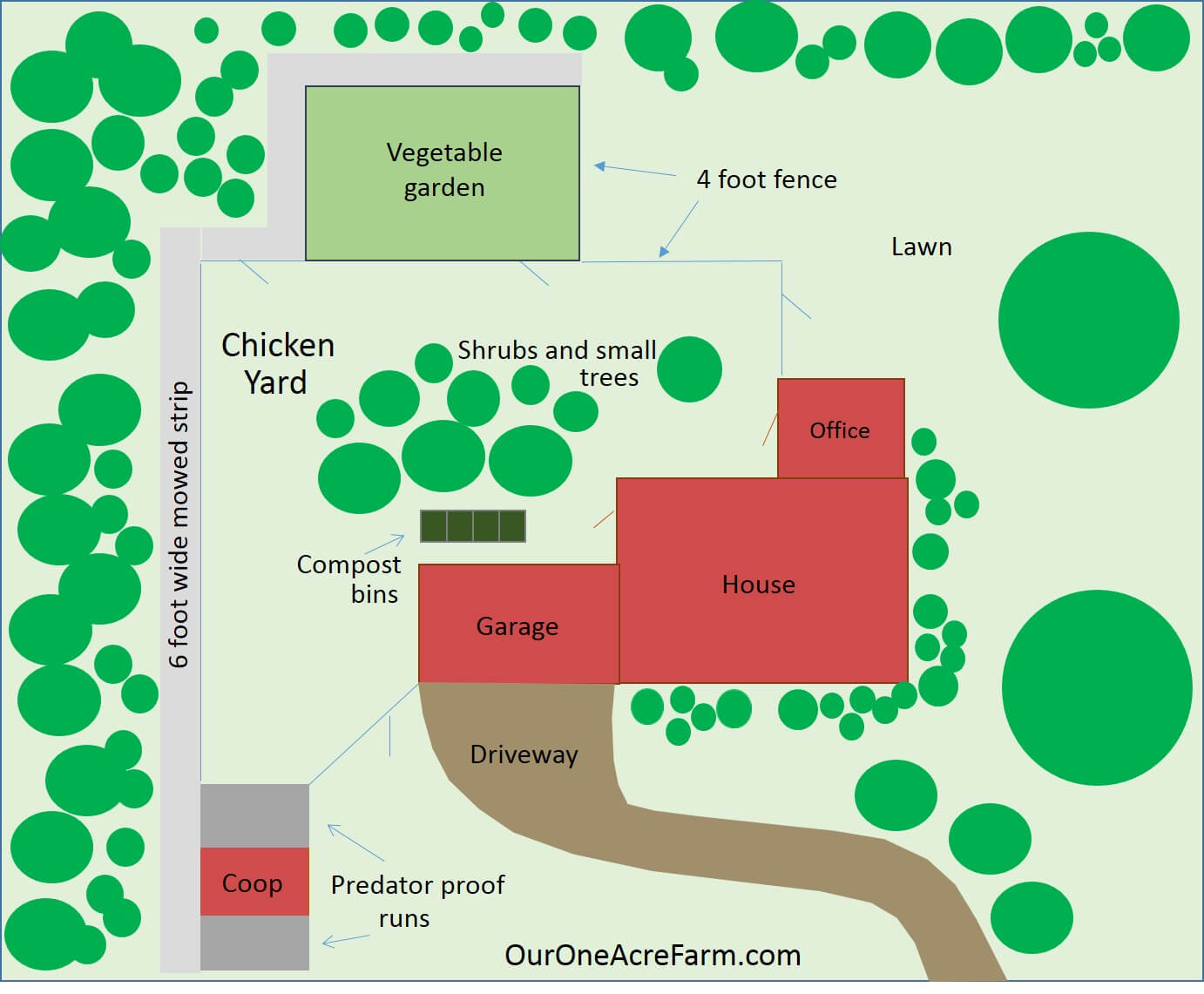
Image Source: ouroneacrefarm.com
Laying the Foundation: Your Free-Range Chicken Haven
The first step to successful free-range chicken keeping is creating a safe and inviting space. This involves more than just letting them out; it means thoughtful planning to ensure their well-being and to prevent them from becoming a nuisance or a target.
The Crucial Role of the Chicken Coop
Your chicken coop is the central hub for your flock. It’s their safe house, their place to roost, lay eggs, and shelter from the elements and predators. A well-designed coop is the cornerstone of keeping your backyard chickens content.
Key Features of a Good Chicken Coop:
- Space: Chickens need enough room. A general rule is 3-4 square feet per bird inside the coop. More space is always better.
- Ventilation: Good airflow is vital to prevent respiratory issues. Ensure there are vents near the roof, but avoid drafts at roosting level.
- Roosting Bars: Chickens naturally want to roost off the ground at night. Provide sturdy bars, ideally 2×2 lumber with rounded edges.
- Nesting Boxes: Provide one nesting box for every 3-4 hens. They should be dark, cozy, and easily accessible for egg collection.
- Easy Cleaning: Design your coop with cleaning in mind. Removable droppings boards or large access doors make this chore much simpler.
- Predator Proofing: This is non-negotiable for chicken confinement. More on this later!
Expanding Their World: The Chicken Run
While free-ranging means letting chickens explore your yard, they also need a dedicated, secure outdoor space. This is where the chicken run comes in. It provides a safe area for them to enjoy the outdoors, scratch, dust bathe, and forage, even when you can’t supervise them directly.
Designing an Effective Chicken Run:
- Size Matters: Aim for at least 10 square feet of run space per bird. If they will be confined for longer periods, more space is essential.
- Height: While chickens don’t fly high, they can get a good hop. A run that’s 5-6 feet tall is usually sufficient for most breeds, preventing them from easily escaping.
- Ground Cover: Consider what’s beneath the run. Grass is great, but it can get depleted quickly. Sand or wood chips can be good alternatives or additions.
- Shade and Shelter: Ensure there are shady spots for hot days and a covered area to protect them from rain.
- Enrichment: Add perches, dust bath areas (a shallow bin of sand and a little dirt), and foraging opportunities to keep them entertained.
The Invisible Fence: Chicken Fencing Strategies
Effective chicken fencing is your primary tool for chicken containment and chicken confinement. It defines the boundaries of their freedom and keeps them from wandering into areas they shouldn’t, or worse, becoming a meal for predators.
Types of Fencing for Your Flock:
- Hardware Cloth: This is the gold standard for predator proofing. Made of galvanized steel wire woven into a ½-inch mesh, it’s strong and small enough to keep out most predators, including snakes and weasels. Use it for the main structure of your run and to cover any openings.
- Poultry Netting: This is lightweight wire netting with larger openings. It’s good for keeping chickens in, but it’s not sufficient for predator proofing against determined predators like foxes or raccoons. It can be used as an outer layer or for temporary containment.
- Electric Fencing: This can be an effective deterrent for larger predators and can also help keep your chickens within a specific grazing area if you’re managing their free-ranging.
Essential Fencing Techniques:
- Buried Skirt: To prevent burrowing predators from digging under your fence, bury hardware cloth or chicken wire at least 6-12 inches into the ground, extending outwards from the fence line like a skirt. This is a critical step for secure chicken containment.
- Tensioning: Ensure your fencing is taut. Loose fencing is easier for predators to push through or for chickens to find gaps in.
- Secure Gates: Gates are often weak points. Use sturdy latches and ensure they fit snugly against the frame to prevent escape.
Mastering the Art of Free-Ranging: Strategies for Success
Simply having a fence isn’t enough. Successful free-ranging involves strategic chicken management to ensure your birds are safe, healthy, and don’t damage your property.
Predatory Protection: Keeping Your Flock Safe
The biggest threat to free-range chickens is predators. A robust predator proofing strategy is paramount. This applies to both the chicken coop and the chicken run, as well as supervised free-ranging time.
Common Predators and How to Deter Them:
- Foxes, Raccoons, Weasels: These are cunning and persistent. They can chew through wood, reach through small openings, and dig. Hardware cloth buried underground is your best defense. Secure latches and no gaps in the coop or run are essential.
- Birds of Prey (Hawks, Owls): These are a threat during the day. A covered run or allowing free-ranging only when you can supervise them closely is key. Providing ample roosting spots within the run or coop also gives them higher places to escape to.
- Dogs and Cats: While often pets, they can still be a threat. Introducing them slowly and supervising interactions is important. A secure chicken enclosure will keep them out when you’re not around.
- Snakes: Small snakes can get into coops and runs. Hardware cloth with ½-inch mesh is effective against most.
Effective Chicken Deterrents:
Beyond physical barriers, other chicken deterrents can help.
- Motion-Activated Lights or Sprinklers: These can startle potential predators away from the coop at night or during quiet times.
- Noise Makers: Wind chimes or even a radio left on low can sometimes deter curious animals.
- Companion Animals: Guard dogs or even geese can act as deterrents for some predators, though they require their own chicken management.
Integrating Chickens into Your Yard: The Art of Coexistence
Keeping free-range chickens in your yard means balancing their needs with your own. Thoughtful chicken management will prevent conflicts and ensure a harmonious environment.
Grazing Management:
Free-range chickens are excellent at pest control and can help manage weeds. However, they can also decimate gardens and lawns if not managed.
- Rotational Grazing: If you have a larger area, divide it into sections using chicken fencing. Allow them to free-range in one section until it’s well-grazed, then move them to another. This allows the grazed area to recover.
- Time-Limited Free-Ranging: Allow them out for specific periods, perhaps in the morning or late afternoon, and then return them to their chicken run or coop before they can do extensive damage.
- Protecting Gardens: Use physical barriers like netting or temporary fencing around your vegetable gardens. Some people find that chickens dislike certain plants like mint or marigolds, which can be planted around vulnerable areas.
Preventing Roaming Too Far:
While the goal is free-ranging in your yard, you don’t want them wandering off.
- Clear Boundaries: Make the boundaries of their allowed area obvious, both to you and to them.
- Poultry Netting: Use poultry netting to create temporary or extended grazing areas within your property line if needed.
- Hen Harness (with caution): For highly flighty birds or those prone to wandering, a hen harness and leash can be used for supervised outings, but this requires patience and training.
Daily Routines and Best Practices for Free-Range Chickens
Consistent chicken management ensures your flock thrives.
- Morning Routine: Open the coop and allow them access to their run or designated free-range area. Check for any issues overnight.
- Water and Food: Ensure fresh water is always available. While they forage, supplementing with feed is important, especially if natural food sources are scarce.
- Evening Routine: Make sure all chickens are back in the coop or their secure chicken enclosure before dusk. Close and lock the coop doors to protect them from nocturnal predators.
- Egg Collection: Collect eggs daily to prevent them from getting dirty, broken, or eaten by the hens themselves.
- Observation: Spend time observing your flock. Look for signs of illness, injury, or stress. This is a crucial part of chicken management.
Creating the Ultimate Free-Range Chicken Enclosure
The term chicken enclosure can refer to the entire area where your chickens are allowed to roam. For free-range chickens, this means your yard, but with specific considerations for their safety and your property.
Designing for Safety and Comfort:
Your chicken enclosure should provide everything they need to thrive.
- Food and Water Stations: Place these strategically within the enclosure. Make sure they are protected from the elements and from being tipped over.
- Dust Bathing Areas: Chickens need to keep their feathers clean and free of parasites. A shallow pit filled with dry sand, dirt, and a little diatomaceous earth is perfect.
- Roosting Opportunities: Even in a large free-range area, providing elevated roosts outside the coop can be beneficial for their natural instincts.
Weather Considerations for Free-Ranging Chickens:
While “free-range” implies being outdoors, they still need protection.
- Hot Weather: Shade is crucial. Dense shrubs, tarps, or simple shade cloths can provide relief. Ensure they have access to cool water, perhaps with ice cubes added.
- Cold Weather: While chickens are surprisingly hardy, they still need protection from extreme cold and wind. Their coop should be draft-free. If they are confined for extended periods due to severe weather, ensure their chicken enclosure offers sufficient space and enrichment.
- Wet Weather: Chickens dislike being wet. A covered run or access to shelter within their free-range area is important to keep them dry and prevent chilling.
Frequently Asked Questions About Keeping Free-Range Chickens
Here are answers to some common questions you might have about keeping free-range chickens.
Q: How much space do free-range chickens need?
A: While they roam freely, a general guideline for a safe outdoor chicken run is at least 10 square feet per bird. The more space, the better, as it allows for more natural foraging and reduces stress. When they are truly free-ranging in your yard, the entire yard becomes their space, but you still need to ensure adequate safety features.
Q: What are the best chicken breeds for free-ranging?
A: Many breeds do well free-ranging. Some popular choices known for their foraging abilities and hardiness include Rhode Island Reds, Plymouth Rocks, Wyandottes, and Australorps. However, most breeds can adapt with proper chicken management and protection.
Q: Will free-range chickens destroy my garden?
A: They can, if not managed. Chickens love to scratch and eat tender plants. Protecting your garden with fencing, allowing free-range time strategically, or planting deterrent plants can help.
Q: How do I stop my chickens from flying over the fence?
A: Most chickens are not strong flyers, but some breeds are more prone to it. Clipping one wing (only the flight feathers, never the covert feathers) can help, but this needs to be done carefully and may need repeating. Alternatively, ensure your chicken fencing is tall enough (5-6 feet) or consider a covered run.
Q: What is the best time of day to let chickens free-range?
A: Early morning after the dew has dried is usually ideal. This allows them ample time to forage before evening. Always ensure they are safely back in their coop or secure chicken enclosure before dusk to protect them from nocturnal predators.
Q: Can I free-range chickens in a small yard?
A: Yes, you can, but chicken containment becomes even more critical. You’ll need a very secure and well-maintained chicken run and potentially limit their free-ranging time to prevent them from over-foraging or damaging small spaces. Your chicken enclosure management will be key.
Q: How do I train chickens to stay in my yard?
A: Chickens have a natural homing instinct, especially when their chicken coop provides food, water, and safety. Consistent feeding at the coop, closing them in at night, and ensuring their immediate free-range area is appealing and secure will reinforce their tendency to stay close.
Conclusion: Enjoying Your Happy, Free-Ranging Flock
Keeping free-range chickens easily is achievable with the right approach to chicken management and a focus on predator proofing. By providing a secure chicken coop, a well-designed chicken run, and thoughtful chicken fencing, you can create a safe and enriching environment. This allows your backyard chickens to enjoy the benefits of free-ranging while remaining safely within your yard. Remember that consistent observation and adapting your strategies based on your flock’s needs are key to a successful and rewarding experience with your happy, free-ranging feathered friends.