
Can you get rid of blue jays in your yard? Yes, you can get rid of blue jays in your yard, but it’s important to do so humanely and effectively. This comprehensive guide will walk you through various bird deterrents, scare tactics, and humane removal methods. We will also touch upon wildlife control considerations and explore different bird repellents, including pigeon spikes, netting for birds, sonic deterrents, owl decoys, and natural bird repellents.
Blue jays are striking birds with their vibrant blue plumage and bold personalities. However, their boisterous nature, tendency to raid bird feeders for seeds and suet, and aggressive behavior towards other bird species can make them unwelcome guests for some homeowners. They are known to be territorial and can even chase away smaller, more timid birds.
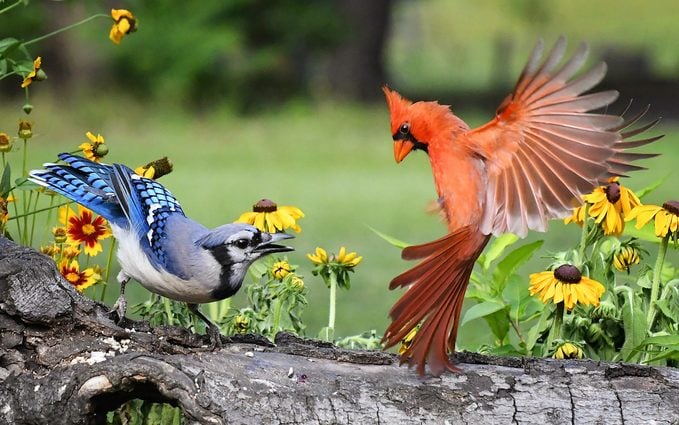
Image Source: www.birdsandblooms.com
Why Blue Jays Might Be a Nuisance
Before we dive into solutions, let’s examine why you might want to deter blue jays:
- Aggressive Behavior: Blue jays can be bullies at bird feeders, chasing away smaller birds like finches, chickadees, and nuthatches. They can also be quite loud, their calls sometimes perceived as bothersome.
- Dietary Habits: While they eat insects and nuts, they also consume seeds, suet, and even baby birds and eggs from other species. This predatory behavior can be a concern for those wanting to support local songbird populations.
- Property Damage: While not extensive, their strong beaks can sometimes damage garden plants or feeders.
- Competition for Food: They are often seen as competitors for bird seed, especially if you’re trying to attract a wider variety of avian visitors.
It’s crucial to remember that blue jays are native birds and play a role in the ecosystem, primarily as seed dispersers. Any methods used should prioritize their well-being and adhere to local wildlife regulations.
Effective Strategies for Deterring Blue Jays
Getting rid of blue jays quickly involves understanding their behaviors and implementing strategies that make your yard less appealing to them. The key is to create an environment they perceive as unwelcoming or unsafe.
1. Modifying Your Bird Feeders
Blue jays are particularly attracted to certain types of bird feed. Making your feeders less accessible to them can be a significant step.
Feeder Types to Consider
- Squirrel-Proof Feeders: Many squirrel-proof feeders are also effective against larger birds like blue jays. These often feature weighted perches that close off access to the food ports when a heavier bird lands on them.
- Cage Feeders: These feeders have a wire mesh cage around them, allowing smaller birds to pass through while keeping larger birds and squirrels out.
- Tube Feeders with Short Perches: Blue jays have long legs and prefer longer perches. Tube feeders with very short perches can be difficult for them to navigate comfortably.
Seed Selection
- Avoid High-Fat Foods: Blue jays are especially fond of suet and peanuts. While these are great for many birds, reducing or temporarily removing them can lessen the appeal of your feeders to jays.
- Offer Safflower Seed: Many birds dislike safflower seed, but blue jays are usually indifferent to it. This can be a good option if you want to attract cardinals and other species while deterring jays.
- Nyjer (Thistle) Seed: This is generally too small for blue jays to eat effectively, making it a good choice for finches and other smaller birds.
2. Implementing Visual Deterrents
Birds rely heavily on sight to assess their surroundings. Visual deterrents aim to confuse or alarm them, making them avoid your yard.
Shiny and Reflective Objects
- Mylar® Tape or Ribbon: Strips of shiny, reflective Mylar® tape or ribbon tied to branches or poles can catch the sunlight and create flashes of light. The movement of the tape in the wind adds to the effect.
- Old CDs or DVDs: Hanging old CDs or DVDs from trees or shepherd’s hooks can also create distracting reflections and movement.
- Pie Tins: Shiny pie tins, hung in clusters, can be effective. Their clanging sound in the wind can also add an auditory deterrent.
Important Note: Ensure these objects are securely fastened and don’t pose a hazard to birds or other wildlife. Regularly check them to ensure they haven’t become entangled or damaged.
Scare Devices
- Owl Decoys: A strategically placed owl decoy can be quite effective, as blue jays (and many other birds) are wary of predators. However, birds can become accustomed to stationary decoys. To maintain effectiveness, move the decoy to a different location every few days. Some realistic owl decoys even have movable heads, which can enhance their deterrent effect.
- Predator Eye Balloons: These large balloons often feature prominent “eyes” that mimic the eyes of a predator. They are typically hung in trees and their movement in the wind makes the eyes appear to follow potential visitors.
Netting for Birds
For specific areas like vegetable gardens or fruit trees that blue jays are targeting, netting for birds can be a very effective physical barrier.
- Fine Mesh Netting: Use a fine mesh netting that is specifically designed for bird exclusion. Ensure it is installed correctly to create a complete barrier.
- Securing the Netting: It’s crucial to secure the netting tightly to prevent birds from getting tangled. Drape it over plants or structures and anchor it firmly to the ground or frame.
3. Utilizing Auditory Deterrents
Sound can also be used to discourage blue jays.
Sonic Deterrents
Sonic deterrents emit high-frequency sounds that are unpleasant to birds but often inaudible or barely audible to humans. These devices can cover a significant area.
- Ultrasonic Devices: These devices emit ultrasonic waves that are designed to disrupt bird behavior without causing harm.
- Broadcasting Predator Calls: Some devices can play recordings of predator calls, such as those of hawks or owls. This can create an environment of perceived danger for the blue jays.
Considerations for Sonic Deterrents:
- Effectiveness Varies: The success of sonic deterrents can vary depending on the specific species, the ambient noise level in your area, and whether the birds habituate to the sound over time.
- Placement: Proper placement is key to ensuring the sound covers the intended area effectively.
Simple Noise Makers
- Wind Chimes: While primarily for aesthetic appeal, some wind chimes can produce sounds that may startle blue jays. However, this is generally a less reliable method for consistent deterrence.
- Aluminum Foil Strips: Similar to Mylar tape, strips of aluminum foil can create noise and visual disturbance when they rustle in the wind.
4. Natural Bird Repellents and Garden Strategies
Sometimes, altering the landscape and using natural bird repellents can make your yard less inviting.
Garden Modifications
- Remove Perching Spots: If blue jays are roosting or perching in specific trees or structures, consider trimming branches or removing artificial perches.
- Plant Dense Thorny Shrubs: Planting dense, thorny shrubs around vulnerable areas can create a natural barrier that discourages birds from landing or nesting.
Natural Repellents
While there aren’t many proven natural bird repellents that are specifically effective against blue jays without affecting other birds, some general deterrents can be tried:
- Spicy Sprays: Some anecdotal evidence suggests that spraying a mixture of water and cayenne pepper or hot sauce on plants or feeders can deter birds. However, this can be difficult to apply effectively, may wash away in rain, and could potentially irritate birds if ingested. Use with caution and test in a small area first.
- Scent Deterrents: Certain strong scents are sometimes cited as bird repellents. Examples include the smell of certain essential oils (like peppermint or eucalyptus) or commercial scent-based repellents. Their effectiveness against blue jays is often limited and short-lived.
5. Physical Barriers for Specific Areas
For areas where you absolutely want to exclude blue jays, physical barriers are the most reliable.
Pigeon Spikes
While primarily known for deterring pigeons, pigeon spikes can be installed on ledges, railings, and other flat surfaces where blue jays might perch. These spikes make it uncomfortable or impossible for birds to land, effectively blocking access. They are a humane way to prevent roosting without causing harm.
Netting for Birds (Revisited)
As mentioned earlier, netting for birds is a highly effective barrier.
- Balcony or Patio Covers: If blue jays are frequenting a specific outdoor living space, covering it with netting can keep them out.
- Covering Gardens: Protecting vegetable gardens or fruit-bearing trees is a common use for bird netting. Ensure the mesh size is appropriate to exclude jays but allow pollinators to pass if necessary.
6. Addressing Water Sources
Blue jays, like all birds, need water. If your bird bath is a major attraction, consider making it less appealing or temporary.
- Change Water Frequently: Keep bird baths clean and change the water regularly.
- Water Feature Placement: If possible, locate water features away from feeding areas or areas you wish to keep jay-free.
- Motion-Activated Sprinklers: For a more aggressive approach to deterring all animals from a specific area, motion-activated sprinklers can be effective. However, this might also deter desirable visitors.
7. Creating an Unfavorable Environment
Beyond specific deterrents, making your entire yard less appealing is a comprehensive strategy.
Reducing Food Sources
- Cleanliness: Keep your yard clean. Pick up fallen birdseed, fruit, or any other potential food sources that might attract blue jays and other wildlife.
- Trash Management: Ensure garbage cans are securely lidded to prevent scavenging.
Limiting Roosting and Nesting Sites
- Pruning Trees: If blue jays are nesting or roosting in accessible trees, consider strategic pruning. However, be mindful of nesting seasons and avoid disturbing active nests. Federal laws protect migratory birds and their nests.
- Blocking Access: If they are perching on specific structures, consider installing pigeon spikes or other physical deterrents.
8. Humane Removal Considerations
While outright removal is often discouraged and can be illegal without proper permits (especially for active nests), making your property unattractive is the primary method of humane removal. The goal is to encourage them to find more suitable locations elsewhere.
What Not to Do
- Never Use Poison: Poisoning birds is inhumane, illegal, and can harm non-target species, including pets and beneficial wildlife.
- Avoid Trapping Without Expertise: Trapping birds without understanding local regulations and proper handling techniques can be dangerous for both the birds and the handler. If trapping is considered, consult with a professional wildlife control expert.
9. Combining Multiple Strategies
The most effective approach to deterring blue jays quickly often involves a combination of methods. What works for one yard might not work for another, so be prepared to experiment.
Example Combination Strategy
- Feeder Modification: Switch to a cage feeder and offer safflower seed.
- Visual Deterrents: Hang Mylar® tape in trees and place an owl decoy near the feeders, moving it every few days.
- Garden Protection: Use netting for birds over vulnerable plants in your garden.
- Yard Cleanliness: Keep the area around feeders meticulously clean.
Table: Deterrent Methods and Their Effectiveness
| Deterrent Method | Primary Mechanism | Effectiveness Against Blue Jays | Considerations |
|---|---|---|---|
| Cage Feeders | Physical Barrier | High | Only allows smaller birds; can be costly. |
| Safflower Seed | Food Preference Modification | Moderate | Some birds may avoid it; requires regular replenishment. |
| Mylar® Tape/Shiny Objects | Visual Distraction/Alarm | Moderate | Birds can habituate; requires regular maintenance. |
| Owl Decoys | Predator Mimicry | Moderate to High | Birds can habituate to stationary decoys; move regularly. |
| Sonic Deterrents | Auditory Disturbance | Moderate to High | Effectiveness varies; potential for habituation; may affect other wildlife. |
| Netting for Birds | Physical Barrier | Very High | Labor-intensive to install/remove; potential for entanglement if not fitted well. |
| Pigeon Spikes | Physical Barrier (Perching) | High | Effective on ledges/rails; not for general yard areas. |
| Reducing Food Sources | Eliminating Attraction | Moderate | Ongoing effort; requires vigilance. |
| Dense Thorny Shrubs | Natural Barrier | Moderate | Takes time to establish; aesthetic considerations. |
| Natural Bird Repellents | Scent/Taste Deterrence | Low to Moderate | Often temporary; limited specific effectiveness; potential side effects. |
Frequently Asked Questions (FAQ)
Q1: Are blue jays protected by law?
A1: Yes, like most native birds in North America, blue jays are protected under the Migratory Bird Treaty Act. This means it is illegal to harm or disturb their nests or eggs without proper authorization. Always prioritize humane methods.
Q2: How quickly can I get rid of blue jays?
A2: The speed at which you see results will depend on the methods you use and the persistence of the blue jays. Combining multiple strategies, especially physical barriers and visual deterrents, can yield faster results than relying on a single method.
Q3: Will these methods also deter other birds?
A3: Some methods, like certain types of feeders or selective seed offerings, are designed to deter larger birds while allowing smaller ones. However, visual and auditory deterrents can sometimes affect a wide range of bird species. It’s important to observe the impact and adjust your strategy if you are inadvertently deterring desired birds.
Q4: Can I use repellents that smell bad?
A4: While some people try strong-smelling substances, their effectiveness against birds is often limited and temporary. They can also be unpleasant for humans and may harm other wildlife. It’s generally better to focus on visual, auditory, and physical deterrents.
Q5: What if blue jays are nesting in my yard?
A5: If blue jays are nesting, you must avoid any actions that could disturb the nest, eggs, or young birds. Federal laws strictly prohibit this. Wait until the nesting season is over before implementing any deterrents for future seasons. Focus on making the surrounding area less attractive for potential future nesting.
Q6: Are sonic deterrents safe for my pets?
A6: Most ultrasonic deterrents are designed to be inaudible to humans and pets like dogs and cats. However, it’s always a good idea to research the specific product and consider your pet’s sensitivity. Some pets might still react to the ultrasonic frequencies.
Q7: What are the best natural bird repellents for blue jays?
A7: The most effective “natural” approach involves modifying your yard to be less attractive. This includes removing food sources, trimming dense foliage that offers easy perching, and planting thorny shrubs. Direct application of natural repellents like spicy sprays is often inconsistent.
In conclusion, getting rid of blue jays in your yard fast involves a multi-faceted approach. By strategically altering your bird feeders, employing a variety of visual and auditory bird deterrents, considering physical barriers like netting for birds and pigeon spikes, and making your yard generally less appealing, you can effectively deter these striking but sometimes overbearing birds. Remember to always prioritize humane removal and respect wildlife regulations. Through careful observation and consistent application of these methods, you can enjoy a yard that is more welcoming to the avian species you prefer.