
Can you keep birds out of your garden? Yes, you can, using a variety of methods that are both effective and humane. This comprehensive guide will walk you through easy ways to protect your precious plants and delicious produce from feathered visitors.
Birds are a delightful part of nature, and their songs can be a joy. However, when those same birds develop a taste for your prize-winning tomatoes, ripening berries, or delicate seedlings, they can quickly turn from welcome guests to unwelcome pests. Protecting your garden doesn’t have to mean causing harm; it’s about smart strategies and implementing the right bird deterrents.
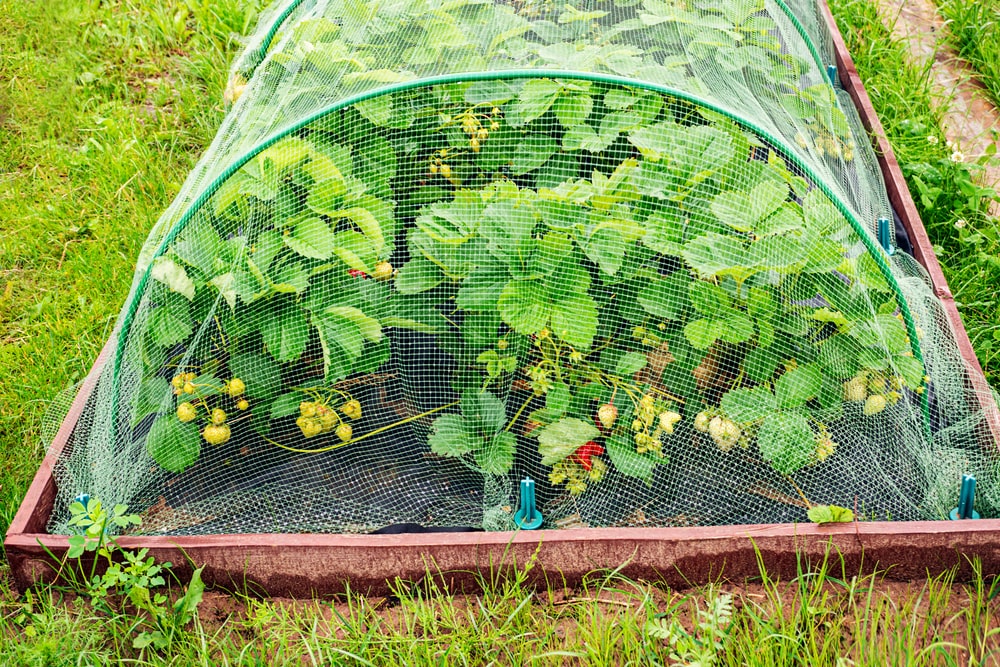
Image Source: www.meadowsfarms.com
Why Birds Visit Your Garden
Before we dive into solutions, let’s briefly touch on why birds are drawn to gardens in the first place. Gardens offer a smorgasbord of delights for birds.
- Food Sources: Ripe fruits, seeds, vegetables, and insects are all on the menu for many bird species. Young, tender seedlings are particularly appealing.
- Water: Bird baths, puddles, or even damp soil can provide essential hydration.
- Shelter and Nesting Sites: Dense shrubs, trees, and even well-established garden plants offer protection from predators and a place to raise their young.
Effective Bird Deterrents for Your Garden
There are many ways to discourage birds from feasting on your garden. These methods range from simple visual and auditory distractions to physical barriers.
1. Visual Deterrents: Fooling the Birds
Birds rely heavily on sight, so using visual cues can be a highly effective way to keep them away.
Shiny and Reflective Objects
The unpredictable flash of light from shiny objects can startle birds and make them wary of your garden.
- Shiny Tapes: Mylar or holographic bird scare tape, available at most garden centers, is designed to reflect sunlight in a dazzling, erratic way. Hang strips of this tape from stakes or branches throughout your garden. The movement caused by wind adds to its effectiveness.
- Old CDs and DVDs: Stringing up old CDs or DVDs from branches or stakes is a classic, budget-friendly option. The way they spin and reflect light can be quite disorienting for birds.
- Aluminum Foil: Strips of aluminum foil can also be used. Crinkle them up slightly to make them more reflective and irregular in their movement.
- Mirrors: Small, strategically placed mirrors can create confusing reflections. Be cautious, however, as mirrors can also attract certain birds, so observe their effect carefully.
Scarecrows and Decoys
While a traditional scarecrow might not fool birds for long, modern versions and other decoys can be more effective.
- Predator Decoys: Owls, hawks, or snakes made of plastic or resin can deter birds, as these are natural predators. It’s important to move these decoys every few days. If they stay in one spot too long, birds will realize they are not real threats.
- Moving Decoys: Some automated decoys are designed to move erratically, mimicking a predator. These can be more effective than stationary ones.
Bright Colors
Some birds are attracted to bright colors, but certain hues can also be off-putting.
- Colored Ribbon: Brightly colored ribbons, especially red or yellow, tied to plants can serve as a visual deterrent.
2. Auditory Deterrents: Making Some Noise
Birds are sensitive to sounds, and certain noises can make your garden an unpleasant place for them.
- Wind Chimes: The random clanging of wind chimes can startle birds. Opt for chimes that produce varied, metallic sounds.
- Noise Makers: You can also use other simple noise makers. Striking pots and pans together periodically can be effective.
- Ultrasonic Bird Repellers: These devices emit high-frequency sounds that are supposed to be irritating to birds but are generally inaudible to humans. The effectiveness of ultrasonic bird repellers can vary, and some birds may become accustomed to them over time.
3. Physical Barriers: Keeping Them Out
Sometimes, the most straightforward approach is to physically prevent birds from accessing your plants.
Netting for Gardens
Netting for gardens is one of the most reliable ways to protect crops, especially berries and fruit trees.
- Types of Netting: Bird netting comes in various mesh sizes. A finer mesh will exclude smaller birds and insects, while a larger mesh might only deter larger birds.
- Proper Installation: It’s crucial to install netting correctly. Drape it over plants or structures and secure the edges firmly to the ground or to stakes. Ensure there are no gaps where birds can get trapped or find a way in. This is especially important for protecting vulnerable seedlings and young plants.
- Fruit Trees: For fruit trees, you can drape netting over the entire tree, securing it around the trunk. Tree bags made of fine mesh are also available for individual fruits.
- Raised Beds: Netting can be easily suspended over raised beds using hoops or frames.
Bird Spikes for Plants
While bird spikes for plants are more commonly used on ledges and structures to prevent birds from roosting, they can be adapted for certain garden applications, particularly for deterring birds from landing on the edges of raised beds or on the tops of small trellises.
- Application: Spikes are usually affixed to surfaces where birds tend to perch. In a garden context, consider their use on the rims of planters or around the base of delicate plants if they are particularly susceptible to pecking.
- Caution: It’s important to ensure spikes are installed safely and do not pose a hazard to larger wildlife or children. They are not suitable for deterring birds from eating fruit directly from plants.
4. Natural and Homemade Solutions: Eco-Friendly Bird Deterrents
For those seeking natural bird repellent options, several approaches utilize common household items or natural attractants for other creatures.
Scent-Based Deterrents
Some strong scents can deter birds.
- Chili Powder or Hot Sauce: Birds, unlike mammals, can’t taste capsaicin, the compound that makes chilies hot. Spraying diluted hot sauce or scattering chili powder around plants can irritate their mouths and discourage them from eating. Reapply after rain.
- Garlic and Onion: Strong scents like garlic or onion are often disliked by birds. You can plant garlic and onions around your vulnerable plants or create a spray using garlic and water.
- Essential Oils: Peppermint, citronella, and eucalyptus oils are sometimes used. Soak cotton balls in these oils and place them around your garden.
Creating a Less Inviting Habitat
- Remove Attractants: Make sure there are no spilled birdseed, fallen fruit, or other food sources readily available. Clean up any debris that might attract birds.
- Water Sources: If you have a bird bath, consider moving it further away from your garden or temporarily removing it during peak growing seasons.
Homemade Bird Repellent Sprays
A common homemade bird repellent involves mixing water with ingredients like chili pepper or garlic.
- Recipe Example: Mix 1 tablespoon of cayenne pepper or hot sauce with 1 quart of water. Add a drop of liquid dish soap to help the mixture adhere to the leaves. Spray on plants, avoiding direct contact with flowers if possible. Always test on a small area first.
5. Strategic Planting and Garden Design
Your garden layout and plant choices can also play a role in bird-proofing your garden.
Companion Planting
Certain plants are said to deter birds.
- Marigolds: Their strong scent is thought to repel various pests, including birds.
- Rosemary and Mint: These herbs have potent aromas that can deter birds.
- Onions and Garlic: As mentioned earlier, their pungent smell can be off-putting.
Sacrificial Plants
Planting a small patch of a bird’s favorite food (like sunflowers or a specific berry bush) away from your main crops can sometimes draw birds’ attention elsewhere.
6. Protecting Specific Crops
Different garden crops require tailored protection strategies.
Protecting Vegetables from Birds
Vegetables like lettuce, spinach, and young seedlings are vulnerable to pecking.
- Netting: As mentioned, fine-mesh netting is excellent for covering entire rows or raised beds.
- Row Covers: Lightweight fabric row covers can offer protection while still allowing sunlight and water to reach the plants.
- Scare Tactics: Employing shiny objects or decoys around vegetable patches can be effective.
Keeping Birds Away From Fruit
Berries and ripening fruits are particularly attractive targets.
- Netting Fruit Trees: This is the most effective method. Ensure the netting is secure and covers the entire fruit-bearing area.
- Berry Cages: For smaller berry bushes, you can construct simple cages from wire mesh or PVC pipes and netting.
- Harvesting Early: If possible, harvest fruit just before it’s fully ripe to minimize the time it’s exposed to birds.
What to Avoid When Deterring Birds
While it’s important to protect your garden, it’s equally important to do so humanely and without causing undue harm.
- Poison or Chemicals: Never use poisons or harmful chemicals to deter birds. These can harm beneficial insects, pets, and other wildlife, and can also be hazardous to human health.
- Sticky Traps: Sticky traps are inhumane and can trap non-target species, including beneficial insects and small mammals.
- Harmful Devices: Avoid any devices that could injure birds, such as sharp objects not specifically designed as bird deterrents or poorly maintained netting that could entangle them.
When Birds Become Persistent
Even with the best efforts, some birds can be incredibly persistent. If a particular bird species is proving to be a significant problem, you might need to combine several methods.
- Variety is Key: Birds can quickly get used to a single type of deterrent. Rotating different methods or using them in combination can increase their effectiveness. For instance, use reflective tape along with a decoy.
- Consistency: Keep your deterrents in place consistently, especially during critical growth stages for your plants.
Frequently Asked Questions About Bird Deterrents
Here are some common questions people have about keeping birds out of their gardens.
Q1: Will netting harm birds?
No, netting for gardens used correctly should not harm birds. The key is to ensure it is properly installed without holes or loose sections where birds can become entangled. Choose netting with a mesh size appropriate for the birds you want to deter.
Q2: How often do I need to reapply homemade bird repellents?
Homemade repellents, especially those made with chili or garlic, need to be reapplied regularly, particularly after rain or watering, as the active ingredients can be washed away. Aim to reapply every few days or after any significant weather event.
Q3: Can ultrasonic bird repellers really work?
The effectiveness of ultrasonic bird repellers is a subject of debate. While some users report success, others find they have little to no effect. Birds can also become accustomed to consistent sounds. They may be more effective when used intermittently or in combination with other deterrents.
Q4: What’s the best way to protect my ripening berries?
The most effective way to protect ripening berries is by using netting for gardens. Drape fine-mesh netting over the berry bushes, ensuring the edges are secured to the ground or stakes to prevent birds from getting underneath. You can also consider building small cages for individual bushes.
Q5: Are there any natural bird repellent options that don’t involve spicy ingredients?
Yes, besides spicy ingredients, you can use reflective materials like Mylar tape or old CDs. Predator decoys (like owl statues) that are moved regularly can also be effective natural bird repellent options. Planting strong-smelling herbs like rosemary, mint, or marigolds around your vulnerable plants can also help.
Q6: How can I stop birds from eating my seedlings?
Seedlings are very attractive because they are young and tender. For seedlings, netting for gardens or lightweight row covers are excellent. You can also create a barrier with short stakes and string or netting around the seedling area. Shiny deterrents placed nearby can also help.
Q7: Is it okay to use bird spikes on plants?
Bird spikes for plants are generally not recommended for direct application onto plants themselves, as they could damage the foliage or stems. Their primary use is on surfaces where birds perch, like ledges or fences. For garden plants, other deterrents like netting or scare tactics are more appropriate.
Q8: What are some effective scare tactics for birds?
Effective scare tactics for birds include using shiny, reflective objects (Mylar tape, CDs), predator decoys (owls, hawks) that are moved frequently, loud noises from wind chimes or simple noisemakers, and even water sprinklers that can be set to motion-detect.
Q9: How can I make my garden less attractive to birds?
To make your garden less attractive, remove readily available food sources such as fallen fruit or spilled birdseed. If you have a bird bath, consider moving it away from your main garden areas. Ensure there aren’t easily accessible nesting sites close to your crops.
Q10: What’s the difference between bird netting and bird spikes?
Netting for gardens creates a physical barrier to prevent birds from accessing plants or crops. Bird spikes for plants are designed to make perching surfaces uncomfortable or impossible for birds, deterring them from roosting on ledges, eaves, or other structures. Netting protects what you grow; spikes protect where birds land.
Conclusion: A Peaceful Coexistence
Keeping birds out of your garden is achievable with a thoughtful approach. By employing a combination of visual deterrents, auditory methods, physical barriers, and natural solutions, you can effectively protect your plants. Remember that consistency and a bit of creativity are your best allies in achieving a harmonious balance between your gardening ambitions and your feathered neighbors. With these easy ways, you can enjoy the beauty of birds in your yard while still savoring the fruits (and vegetables) of your labor.