
What are rat holes and can I fill them myself? Yes, rat holes are openings in the ground created by rats digging tunnels. You can absolutely fill them yourself with the right approach and materials.
The sight of numerous small holes peppering your lawn or garden can be frustrating, especially when you realize they’re likely caused by a rat infestation. These aren’t just unsightly blemishes; they indicate an active presence of these often unwelcome rodents. But don’t despair! Tackling these “rat holes” is a manageable part of backyard pest control and effective outdoor rodent management. This guide will walk you through how to get rid of rat holes in your yard, from identification to prevention.
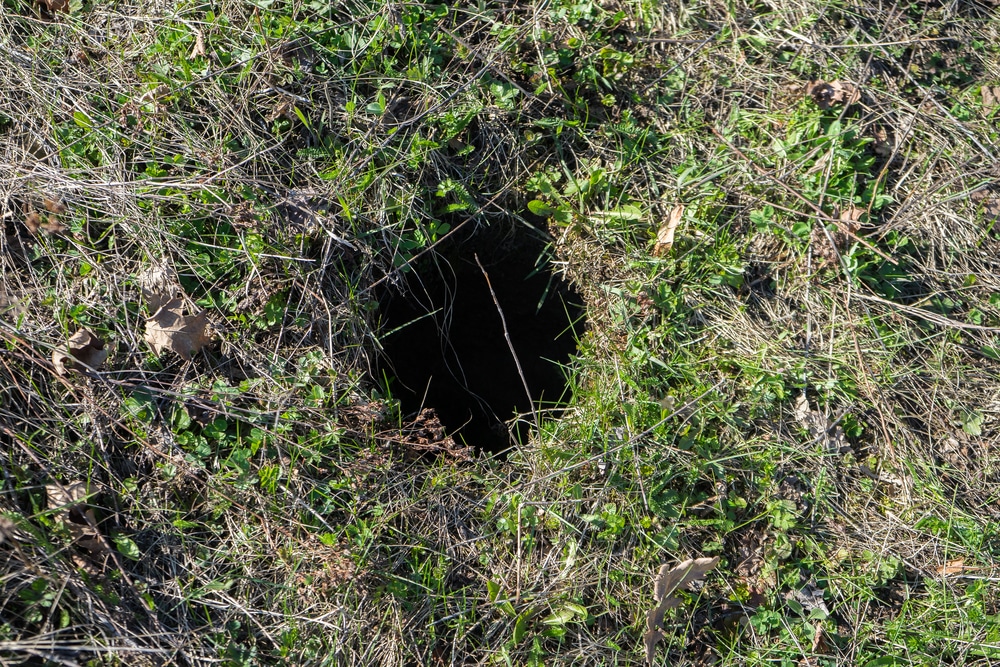
Image Source: 149487750.v2.pressablecdn.com
Why Rats Dig Holes
Before we dive into rat hole repair, it’s helpful to understand why rats dig in the first place. Rats are burrowing animals by nature. Their tunnels serve several critical purposes:
- Shelter and Safety: Burrows provide a safe haven from predators, harsh weather conditions, and human activity. They offer a secure place to rest, sleep, and raise their young.
- Food Storage: Rats often create small chambers within their burrows to store food they’ve gathered.
- Temperature Regulation: Underground burrows offer a stable temperature, keeping rats cooler in the summer and warmer in the winter.
- Escape Routes: A network of tunnels allows rats to quickly retreat when threatened, making them difficult to catch.
- Nesting Sites: Pregnant rats will dig extensively to create comfortable and secure nesting areas for their litters.
The size and depth of these holes can vary. Some might be small, barely noticeable openings, while others can be larger, with a significant amount of soil dug out. You might also notice well-worn paths leading to and from the holes, or gnawed vegetation around the entrances.
Signs of Rat Activity Beyond Holes
While the holes themselves are a primary indicator, look for other clues:
- Droppings: Small, dark, pellet-like droppings are a sure sign.
- Gnaw Marks: Rats have continuously growing teeth and will gnaw on almost anything to keep them filed down, including wood, plastic, and electrical wires.
- Grease Marks: As rats travel along the same paths, the oils and dirt from their fur can leave dark streaks on surfaces.
- Sounds: Scratching or scurrying noises within walls or under structures at night.
- Unpleasant Odor: A musky, ammonia-like smell can indicate a significant rat presence.
Identifying Rat Holes
Not all holes in your yard are necessarily made by rats. Squirrels, moles, voles, and even groundhogs create burrows. However, there are some distinguishing features of rat holes that can help you confirm the culprit.
- Size: Rat holes are typically about 2 to 4 inches in diameter. This is large enough for an adult rat to pass through comfortably.
- Location: Rats prefer to burrow in areas that offer cover and proximity to food and water. This includes under sheds, decks, porches, dense vegetation, woodpiles, and compost heaps. They also often create holes near foundations of buildings.
- Entrance: The entrance is usually smooth with no loose soil directly in front of it, as rats tend to carry debris away or clear it as they dig. You might see a small pile of dirt further away from the immediate opening.
- Multiple Entrances: A single rat colony may have multiple interconnected burrows, creating a network of holes.
Differentiating from Other Pests
| Pest | Typical Hole Size | Other Clues |
|---|---|---|
| Rats | 2-4 inches diameter | Gnaw marks, droppings, grease marks, well-worn paths, often near structures |
| Squirrels | 3-5 inches diameter | Often shallower, may be visible roots or debris, associated with trees |
| Moles | 1-2 inches diameter | Raised ridges of soil along tunnels, conical mounds of excavated soil |
| Voles | 1-2 inches diameter | Small, often hidden holes, runways (cleared paths) through grass |
| Groundhogs | 4-6 inches diameter | Larger, fan-shaped mounds of soil at the entrance, larger animals |
Methods for Filling Rat Burrows: Filling Rat Burrows Effectively
Once you’ve identified that you’re dealing with rat holes, the next step is filling rat burrows. This is a crucial part of rat hole repair and rat infestation removal. Simply filling the holes without addressing the rats themselves is often a temporary fix, as they will likely just dig new ones. However, proper filling is essential to prevent re-infestation and to restore the integrity of your yard.
Here’s a breakdown of how to do it:
Step 1: Confirm Rat Activity
Before you start filling, ensure the holes are indeed active. You can do this by:
- Blocking entrances: Use rocks, bricks, or compacted soil to temporarily block the entrances. Check back after a day or two. If the blockage has been removed, the holes are likely still in use.
- Checking for droppings or gnaw marks: Look closely around the hole entrances for signs of recent rat activity.
Step 2: Safely Clear the Area
- Wear protective gear: Always wear thick gloves (like leather or heavy-duty work gloves) and long sleeves when dealing with rodent burrows. Rats can carry diseases, and their bites can be dangerous.
- Remove debris: Clear away any loose leaves, twigs, or other debris from around the hole entrances.
Step 3: The Filling Process
The best materials for rat hole repair are those that are difficult for rats to dig through.
Common Filling Materials:
-
Compact Soil and Gravel: This is often the most accessible and cost-effective method for safe rat hole filling.
- Start with gravel: Pour a layer of coarse gravel or small stones into the bottom of the burrow. This makes it harder for rats to dig through and can also help with drainage.
- Layer with soil: Backfill the remainder of the hole with compacted soil. Use a tamper or the end of a broom handle to pack the soil down firmly as you go.
- Top layer: Finish with a layer of topsoil, and reseed or re-turf if necessary to match the surrounding area.
-
Concrete or Mortar: For a more permanent solution, especially for holes near foundations or structures, concrete or mortar can be used.
- Mix concrete/mortar: Prepare a strong mixture according to the product instructions.
- Fill the hole: Pour the mixture into the burrow, ensuring it’s packed in tightly. Smooth the surface to match the surrounding ground. This is a very effective method for sealing rodent tunnels.
-
Hardware Cloth or Wire Mesh: For larger or more persistent holes, especially those under structures, you can use galvanized hardware cloth.
- Cut to size: Cut a piece of sturdy wire mesh that is larger than the hole.
- Secure in place: Bury the mesh slightly below the surface and then fill over it with soil or gravel. This creates a physical barrier that rats cannot easily penetrate.
Important Considerations During Filling:
- Pack Tightly: The key to successful rat hole repair is to pack the material in as densely as possible. Loose soil will be easily re-excavated.
- Fill Completely: Ensure the entire depth of the burrow is filled. Don’t just cover the opening.
- Address Multiple Holes: If you find several holes, it’s best to fill them all at once to avoid giving rats a new way in.
Beyond Filling: Rat Infestation Removal and Outdoor Rodent Management
While filling rat burrows addresses the visible symptoms, effective outdoor rodent management requires a more comprehensive approach to achieve rat infestation removal and preventing rat return.
1. Eliminate Food Sources
Rats are attracted to yards that offer readily available food.
- Secure Garbage: Use sturdy garbage cans with tight-fitting lids. Don’t leave trash cans open or overflowing.
- Clean Up Pet Food: Never leave pet food or water bowls out overnight. Store pet food in sealed containers.
- Harvest Fruits and Vegetables: Promptly pick ripe fruits and vegetables from trees and gardens. Don’t let fallen produce rot on the ground.
- Clean Up Bird Feeders: Bird feeders can be a major attractant. Clean up spilled seed regularly and consider using feeders that are squirrel- and rat-resistant.
- Compost Smartly: Avoid composting meat scraps, dairy products, and oily foods, as these attract rodents.
2. Remove Shelter and Nesting Sites
Rats need safe places to hide and build nests. Eliminating these will make your yard less appealing.
- Tidy Up Clutter: Remove piles of wood, debris, old equipment, and overgrown vegetation. Store firewood off the ground and away from the house.
- Trim Vegetation: Keep grass mowed and trim bushes and trees, especially those that overhang your house or shed. Rats can use overgrown plants as cover to reach your home.
- Inspect Structures: Seal any cracks or openings in your home’s foundation, walls, and roof. Pay attention to gaps around pipes, vents, and utility lines. Rats can squeeze through surprisingly small openings.
3. Trapping and Baiting (Use with Caution)
For active rat infestation removal, you may need to consider trapping or baiting.
Trapping:
- Snap Traps: These are a traditional and effective method. Place them along known rat pathways, with the trigger facing the direction of travel. Use attractive bait like peanut butter, nuts, or dried fruit.
- Live Traps: These capture rats alive. You’ll need to relocate them far from your property, or humane euthanasia methods will be necessary. Check local regulations regarding live trapping and relocation.
- Placement is Key: Place traps in areas where you’ve seen the most activity, such as along walls, near burrows, or under cover.
Baiting:
- Rodenticides: These are poisons that kill rats. Use rodenticides with extreme caution, especially if you have pets or children.
- Bait Stations: Always use tamper-resistant bait stations to prevent non-target animals from accessing the poison.
- Placement: Place bait stations in areas frequented by rats, away from children and pets.
- Read Labels Carefully: Follow all instructions on the product label precisely.
- Consider Secondary Poisoning: Be aware that if a predator (like a hawk or owl) eats a poisoned rat, it can also be harmed.
DIY Rat Hole Solutions often start with trapping. Many homeowners prefer trapping over baiting due to safety concerns.
4. Natural Deterrents
While less foolproof than elimination methods, some natural deterrents may help in deterring rats from yard.
- Peppermint Oil: Rats reportedly dislike the strong scent of peppermint oil. Soak cotton balls in peppermint oil and place them near rat holes or pathways. Reapply regularly as the scent fades.
- Cayenne Pepper or Chili Powder: Similar to peppermint, the strong smell and taste of these spices can be off-putting to rats. Sprinkle them around burrow entrances.
- Predator Urine: The scent of fox or coyote urine can sometimes scare rats away.
- Ultrasonic Devices: These devices emit high-frequency sounds that are supposed to repel rodents. Their effectiveness is debated, and rats may become accustomed to them over time.
It’s important to note that natural deterrents are often best used as a preventing rat return measure after the primary infestation has been dealt with.
Preventing Rat Return: Long-Term Strategies
The most effective way to deal with rat holes is to prevent them from appearing in the first place. This involves ongoing maintenance and vigilance.
- Maintain a Clean Yard: Regularly clear away debris, trim vegetation, and keep your property tidy.
- Secure Your Home: Continuously check for and seal any new entry points into your house or outbuildings.
- Manage Waste Properly: Ensure all garbage is stored securely and disposed of regularly.
- Water Management: Fix leaky outdoor faucets or pipes, as rats need a water source.
- Regular Inspections: Periodically walk around your yard and property, looking for new signs of rat activity. Early detection is key.
What to Do If Holes Reappear
If you’ve diligently filled holes and followed outdoor rodent management practices, but new holes start appearing, it’s a strong indication that you still have an active rat population nearby or that they’ve found new entry points.
- Re-evaluate Food and Shelter Sources: Double-check your yard for any overlooked attractants or harborage areas.
- Intensify Trapping: If you used traps, consider increasing their number or strategically relocating them to areas of new activity.
- Professional Help: If you’re struggling to control the rat population, it may be time to call a professional pest control service. They have the expertise and tools for effective rat infestation removal and can identify the root causes of the problem.
DIY Rat Hole Solutions vs. Professional Assistance
Many homeowners can successfully tackle minor rat hole issues with DIY rat hole solutions. However, there are times when professional help is recommended.
DIY is suitable when:
- You notice only a few holes.
- You can clearly identify and eliminate food/water sources.
- You are comfortable using traps and following safety guidelines for any other control methods.
- Your property is not heavily infested.
Consider professional help when:
- You see widespread evidence of rat activity (many holes, lots of droppings).
- You suspect the infestation is large or deeply entrenched.
- You have pets or small children and are concerned about the safety of DIY methods like baiting.
- DIY efforts have failed to control the problem.
- The holes are in hard-to-reach or dangerous locations.
Professionals can conduct a thorough assessment, implement a comprehensive control plan, and advise on long-term preventing rat return strategies tailored to your specific situation. They are also experienced in sealing rodent tunnels in a way that is most effective.
Frequently Asked Questions (FAQ)
Q1: How quickly can rats dig new holes if I fill old ones?
Rats are persistent creatures. If they have established a territory and are motivated by food, shelter, or water, they can start digging new tunnels relatively quickly, sometimes within a day or two, especially if the ground is soft. This is why it’s crucial to address the underlying cause of their presence, not just the holes.
Q2: Is it safe to fill rat holes that might still have rats inside?
While it’s generally recommended to try and remove rats before filling holes, filling them with compact materials like concrete or dense gravel can effectively trap any remaining rats inside. However, this can lead to them dying and decomposing within the sealed burrow, potentially causing odor issues. Trapping or baiting the area first is the preferred method for humane and cleaner rat infestation removal. If you choose to fill directly, use sturdy materials and be prepared for potential residual odors.
Q3: What is the best time of year to deal with rat holes?
The best time to address rat problems and fill holes is often during drier periods when the ground is easier to work with and rats may be more visible. However, rats are active year-round. Cooler months, especially fall and early winter, can see rats seeking warmer shelter, often closer to human structures, making them more noticeable and a good time for outdoor rodent management.
Q4: Can I use anything to poison rats in their holes?
Using rodenticides directly in holes is generally discouraged for safety and effectiveness reasons. As mentioned, it’s best to use tamper-resistant bait stations placed in known travel areas. This helps contain the poison, reduces the risk to non-target animals, and makes it easier to manage and dispose of poisoned rodents. Always follow product instructions and safety precautions meticulously.
Q5: How do I know if my yard is attractive to rats?
Your yard might be attractive to rats if it offers:
* Abundant food sources (unsecured trash, pet food, fallen fruit).
* Plenty of shelter (overgrown vegetation, woodpiles, clutter).
* Access to water (leaky pipes, bird baths).
* Easy access from nearby areas (open fields, unmanaged properties).
By understanding the habits of rats and employing a combination of filling rat burrows, rat infestation removal, and consistent outdoor rodent management, you can effectively get rid of rat holes in your yard and enjoy a pest-free outdoor space. Remember, vigilance and proactive preventing rat return are your strongest allies.