
Can you get rid of chinch bugs naturally? Yes, you can get rid of chinch bugs naturally using several home remedies and by promoting a healthy lawn environment that deters them.
Chinch bugs are tiny, yet mighty, lawn invaders that can wreak havoc on your otherwise beautiful green space. Spotting those tell-tale brown patches in your lawn, especially during the hot summer months, can be incredibly frustrating. These little pests are responsible for a significant amount of lawn damage from chinch bugs, and understanding how to deal with them effectively is crucial for any homeowner. This guide will walk you through everything you need to know about eliminating these bothersome insects, from identification to prevention, ensuring your lawn remains lush and healthy. We’ll cover effective chinch bug treatment options, including natural approaches, and discuss how to manage lawn insect control like a pro.
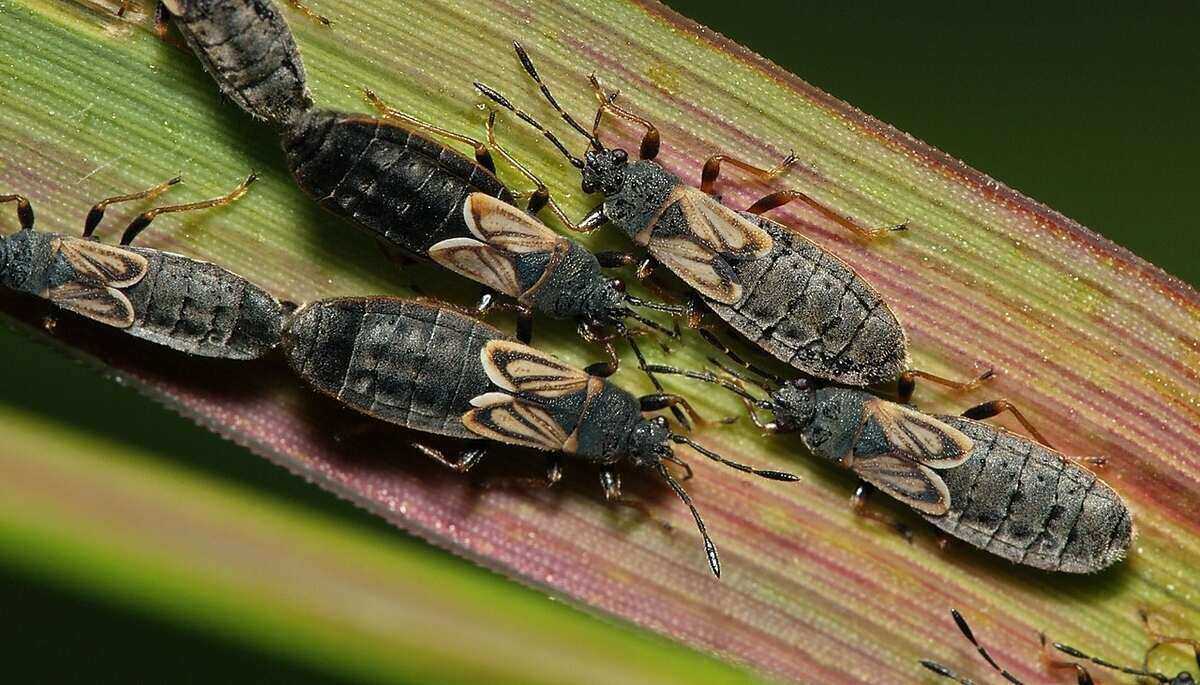
Image Source: www.lawnstarter.com
Identifying Chinch Bugs and Lawn Damage from Chinch Bugs
Before you can tackle a chinch bug problem, you need to be sure it’s chinch bugs causing the issue. They are small, about 1/5th of an inch long, and typically black with white triangular markings on their wings. Nymphs, the young, are smaller and often reddish or pale yellow with a distinct dark stripe. They tend to congregate in sunny areas of the lawn, particularly in turfgrass that is under stress.
The most visible sign of their presence is irregular patches of brown or yellow grass. Initially, these patches might be small, but they can quickly expand, merging into larger dead zones. This damage is often mistaken for drought stress, but you’ll notice that even with adequate watering, the affected areas continue to worsen. The reason for this is that chinch bugs feed by piercing grass blades and sucking out the sap, injecting a toxin that stunts growth and causes the grass to die.
Signs of a Chinch Bug Infestation
- Yellowing and Browning Patches: Irregularly shaped dead or dying areas in the lawn, often appearing in full sun.
- Grass Blades Turn Reddish: As the nymphs feed, they can cause grass blades to take on a reddish hue before they brown and die.
- Wilting Grass: Affected grass may appear wilted, even when the soil is moist.
- Increased Thirst: The lawn may seem to require more water than usual to stay green in affected areas.
- Presence of the Bugs: You can often find the bugs themselves by carefully parting the grass in the affected areas. Look at the soil line for the small, dark insects.
The Chinch Bug Life Cycle
Comprehending the chinch bug’s life cycle is key to effective chinch bug treatment. Adult female chinch bugs lay eggs in the soil, usually at the base of grass plants. These eggs hatch into nymphs, which molt several times as they grow. Both nymphs and adults feed on grass. There can be several generations of chinch bugs throughout a single warm season, meaning a small problem can escalate quickly if not addressed.
Effective Chinch Bug Treatment Strategies
When you’re facing a chinch bug infestation, prompt action is necessary to prevent widespread lawn damage. There are various approaches to chinch bug treatment, ranging from chemical solutions to more natural methods. Choosing the right method depends on the severity of the infestation, your comfort level with different products, and your commitment to organic lawn care.
Chemical Chinch Bug Treatment
For severe infestations, chemical insecticides are often the quickest way to kill chinch bugs. When using these products, it’s crucial to follow label instructions precisely to ensure effectiveness and minimize harm to beneficial insects and the environment.
Common Insecticides Used:
- Pyrethroids: Products containing active ingredients like bifenthrin, permethrin, or cypermethrin are commonly used. These are contact insecticides that kill bugs on contact. They are effective but can also harm beneficial insects like ladybugs and predatory mites.
- Neonicotinoids: Some products use neonicotinoids, which are systemic insecticides. They are absorbed by the plant, making the grass toxic to feeding insects. However, their use is becoming more restricted due to concerns about their impact on pollinators.
Application Tips:
- Timing: Apply insecticides in the early morning or late evening when chinch bugs are most active and temperatures are cooler. This also minimizes exposure to beneficial insects that are less active at these times.
- Thorough Coverage: Ensure the insecticide is applied to the affected areas and extends a few feet into the surrounding healthy grass, as chinch bugs can migrate.
- Watering: Some products require watering after application to activate them and move them into the soil where they can reach the insects. Check the product label.
Natural Chinch Bug Remedies and Organic Lawn Care
For those who prefer a more eco-friendly approach to lawn pest management, several natural chinch bug remedies are available. These methods focus on disrupting the chinch bug’s life cycle and creating an environment less hospitable to them.
Harnessing Beneficial Nematodes
Beneficial nematodes are microscopic roundworms that are natural predators of various soil-dwelling insects, including chinch bug nymphs.
- How they work: When applied to the lawn, these nematodes actively seek out and infect insect pests. Once inside, they feed on the insect and reproduce, effectively eliminating the pest population.
- Application: Nematodes are typically mixed with water and applied to the lawn using a hose-end sprayer or a watering can. It’s important to apply them when the soil is moist and the temperature is between 50°F and 85°F (10°C to 29°C). Apply them in the early morning or late evening to avoid UV damage.
- Effectiveness: This is a highly effective and environmentally sound method for killing chinch bugs, especially nymphs.
Using Insecticidal Soap
Insecticidal soaps are made from potassium salts of fatty acids. They work by breaking down the outer shell of insects, causing dehydration and death.
- How it works: When sprayed directly on chinch bugs, the soap disrupts their cell membranes.
- Application: Mix a concentrated insecticidal soap with water according to the product instructions. Spray directly onto the chinch bugs, ensuring good coverage. It’s best to apply in the early morning or late evening.
- Caution: While generally safe for plants, it’s always a good idea to test the spray on a small area of the lawn first to check for any adverse reactions. Avoid spraying during the hottest part of the day, as this can scorch the grass.
Diatomaceous Earth (Food Grade)
Diatomaceous earth (DE) is a natural powder made from fossilized aquatic organisms. It has sharp edges that can damage the exoskeletons of insects, causing them to dehydrate.
- How it works: When chinch bugs crawl over DE, their protective outer layer is scratched, leading to fluid loss.
- Application: Lightly sprinkle food-grade diatomaceous earth over the affected areas of the lawn. It’s most effective when applied dry, so do this on a calm, dry day.
- Caution: While natural, it’s still a good idea to wear a mask when applying DE to avoid inhaling the fine dust. It can also be harmful to beneficial insects if they come into direct contact with it.
Garlic and Pepper Sprays
These are common home remedies for chinch bugs that can act as deterrents.
- How they work: The strong smell and taste of garlic and pepper can repel chinch bugs, making the grass less appealing to them.
- Preparation: Blend several cloves of garlic with water and a dash of cayenne pepper or hot sauce. Let the mixture steep for a few hours or overnight. Strain the mixture and dilute it with more water. You can also add a small amount of mild liquid soap to help it stick to the grass blades.
- Application: Spray the mixture directly onto the affected areas of the lawn, focusing on the base of the grass. Reapply after rain or every few days.
Neem Oil
Neem oil is a vegetable oil pressed from the seeds of the neem tree. It’s a natural pesticide that works in several ways, including disrupting insect hormones and acting as an antifeedant.
- How it works: Neem oil can interfere with the growth and development of insect nymphs and deter adults from feeding and reproducing.
- Application: Mix neem oil with water and a small amount of mild soap (as an emulsifier) according to product directions. Spray thoroughly on affected areas, preferably in the early morning or late evening.
- Caution: Like other sprays, test on a small area first. Avoid applying during hot, sunny weather.
Prevention: The Best Defense Against Chinch Bugs
The most effective way to manage chinch bugs is through consistent lawn care practices that promote a healthy, resilient turf. Chinch bug prevention is key to avoiding the hassle and expense of dealing with a full-blown infestation.
Maintaining a Healthy Lawn
A healthy lawn is less susceptible to chinch bug attacks. Focus on these key areas:
- Proper Mowing:
- Height: Mow your grass at the higher recommended height for your specific turf type. Taller grass shades the soil, making it cooler and moister, which is less appealing to chinch bugs. It also encourages deeper root growth, making the grass more drought-tolerant and resilient.
- Sharp Blades: Always use sharp mower blades. Dull blades tear grass blades, creating ragged edges that are more susceptible to disease and insect damage.
- Adequate Watering:
- Deep and Infrequent: Water your lawn deeply but infrequently. This encourages deep root growth, making the grass stronger and more able to withstand stress. Shallow, frequent watering can create a shallow root system that is more vulnerable.
- Time of Day: Water early in the morning to allow the grass to dry before evening. Wet grass overnight can promote fungal diseases.
- Avoid Overwatering: Chinch bugs often thrive in dry, stressed turf. However, consistently overwatered lawns can also become problematic due to other issues like fungal growth. Aim for consistent, appropriate moisture.
- Proper Fertilization:
- Balanced Nutrition: Feed your lawn with a balanced fertilizer at the appropriate times of the year for your grass type. Healthy, well-nourished grass is more vigorous and better able to recover from minor pest damage.
- Avoid Over-Fertilizing: Excessive nitrogen can sometimes lead to lush, soft growth that is more attractive to chinch bugs.
Aeration and Dethatching
Compacted soil and excessive thatch can create an environment where chinch bugs can thrive.
- Aeration: This process involves removing small plugs of soil from the lawn. It helps reduce soil compaction, allowing air, water, and nutrients to penetrate to the roots. This promotes healthier root systems, making the grass more resilient. Aerate in the spring or fall when the grass is actively growing.
- Dethatching: Thatch is a layer of dead and living grass stems and roots that accumulates between the green grass blades and the soil surface. A moderate layer of thatch can be beneficial, but excessive thatch (more than half an inch) can harbor pests like chinch bugs and retain too much moisture, leading to disease. Dethatching removes this excess layer, improving air and water circulation. Dethatch in the spring or fall.
Encouraging Natural Predators
Chinch bugs have natural enemies that can help keep their populations in check.
- Beneficial Insects: Ladybugs, lacewings, and predatory mites are all natural predators of chinch bugs and their eggs.
- Birds: Many bird species enjoy feeding on insects found in the lawn.
- How to Encourage Them: Avoid broad-spectrum pesticides that can kill these beneficial organisms. Planting flowering plants and providing water sources can attract more beneficial insects and birds to your yard.
Grass Type Considerations
Some grass varieties are naturally more resistant to chinch bug damage than others.
- Tall Fescue: Generally considered more resistant to chinch bugs compared to some other common turfgrasses.
- Fine Fescues: Also tend to be more resistant.
- Kentucky Bluegrass: Can be more susceptible, especially during periods of drought or stress.
If you are establishing a new lawn or re-seeding, consider selecting more resistant grass cultivars.
Dealing with a Chinch Bug Infestation: A Step-by-Step Approach
When you discover a chinch bug problem, it’s important to act decisively. Here’s a practical approach to tackle the situation:
Step 1: Confirm the Presence and Assess Severity
Before reaching for any products, make sure it’s indeed chinch bugs. Use the “float test”:
- Cut off the bottom of a metal can (like a coffee can).
- Push the can about 2-3 inches into the soil in an affected area.
- Fill the can with water.
- Wait about 5-10 minutes. If chinch bugs are present, they will float to the surface.
- Assess how many bugs you see. A few bugs might not require immediate intervention, but a significant number indicates a problem.
Step 2: Choose Your Treatment Method
Based on the severity and your preference, select a chinch bug treatment.
- For mild infestations: Start with natural remedies like beneficial nematodes, insecticidal soap, or diatomaceous earth.
- For moderate to severe infestations: Consider targeted chemical treatments if natural methods aren’t proving effective, or if the damage is extensive.
Step 3: Apply Treatment Effectively
Follow the application instructions for your chosen treatment carefully. Remember:
- Timing is Key: Apply treatments in the cooler parts of the day (early morning or late evening).
- Coverage Matters: Ensure you cover the affected areas and a buffer zone of healthy grass.
- Reapplication: Some treatments may require repeat applications, especially for natural remedies or to target new hatchlings.
Step 4: Water Appropriately
After treatment, ensure your lawn is adequately watered. This helps the grass recover and can also help beneficial nematodes establish themselves in the soil.
Step 5: Monitor and Follow Up
Keep a close eye on the affected areas over the next few weeks. If the damage continues to spread or you see a resurgence of chinch bugs, you may need to reapply treatment or try a different method. Consistent lawn maintenance practices will be your best long-term defense.
Chinch Bug Prevention Recap
To prevent future chinch bug problems, remember to:
- Maintain a healthy, robust lawn.
- Mow at the correct height and keep blades sharp.
- Water deeply and infrequently.
- Fertilize appropriately.
- Aerate and dethatch regularly.
- Choose chinch bug-resistant grass varieties if establishing new turf.
By implementing these strategies, you can create a lawn that is naturally more resistant to chinch bug infestations, significantly reducing the need for aggressive chinch bug treatment and ensuring your lawn remains a beautiful, green oasis. Effective lawn pest management is an ongoing process, and a proactive approach is always better than a reactive one when it comes to safeguarding your turf.
Frequently Asked Questions (FAQ)
Q1: Can I use dish soap for chinch bugs?
A1: While mild dish soaps can be used similarly to insecticidal soaps, they are not formulated for lawn use. Using regular dish soap can potentially damage your grass by stripping away its natural protective oils and can be too harsh. It’s best to use products specifically labeled as insecticidal soap for best results and to avoid harming your lawn.
Q2: How long does it take for chinch bug damage to appear?
A2: Chinch bug damage often appears during the hottest, driest months of the year, typically from late spring through summer. Symptoms can develop gradually but worsen rapidly once populations become large, especially when the grass is already under stress from heat and lack of moisture.
Q3: Is my pet safe if I use chemical insecticides for chinch bugs?
A3: If you use chemical insecticides, it is crucial to follow the label instructions precisely regarding application rates and re-entry times. Keep pets and children off the treated lawn until the product has dried completely and is no longer wet on the grass blades. Some products are more toxic than others, so always read the safety information. Natural remedies are generally safer for pets and people once they are applied and dried.
Q4: When is the best time of year to treat for chinch bugs?
A4: The best time to treat for chinch bugs is when you first notice signs of damage or when nymphs are present. This is typically in late spring or summer. Targeting the nymphs is often more effective as they are more vulnerable. Applying preventative treatments, like beneficial nematodes, in the early spring can also help disrupt their life cycle before populations build up.
Q5: Can a professional lawn care service help with chinch bugs?
A5: Yes, professional lawn care services have experience in identifying lawn pests and applying appropriate treatments. They can assess the severity of your chinch bug infestation and recommend the most effective course of action, whether it involves chemical or more integrated pest management strategies. This can be a good option if you are unsure about identifying the pest or applying treatments yourself.