
What is the best way to get rid of parvo from your yard? The most effective method involves thorough cleaning, disinfection with appropriate solutions, and preventing re-exposure.
Canine parvovirus (parvo) is a highly contagious and often deadly disease that affects dogs, particularly puppies. It’s a tenacious virus that can survive in the environment for extended periods, posing a significant risk to unvaccinated or immunocompromised dogs. If your dog has had parvo, or if a parvo-infected dog has been in your yard, the thought of parvo yard cleanup can be overwhelming. This guide will walk you through the essential steps to effectively and safely remove parvovirus from grass and other yard surfaces, ensuring your outdoor space is safe for future canine companions.
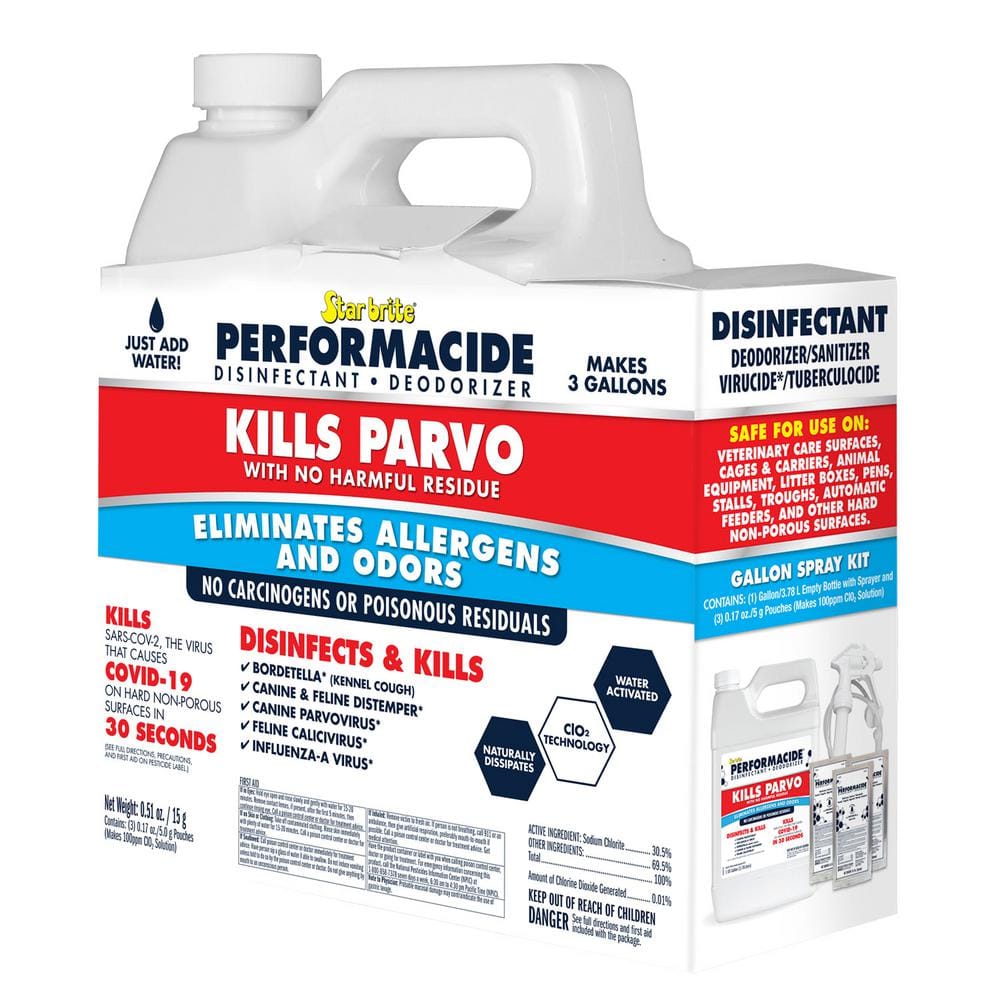
Image Source: images.thdstatic.com
Deciphering Parvovirus Persistence in the Environment
Before diving into removal methods, it’s crucial to grasp how long parvovirus can linger. Parvovirus is remarkably resilient. It can survive in soil and on surfaces for up to a year, and in some cases, even longer, especially in shaded or protected areas. This longevity is what makes parvovirus lawn decontamination a serious undertaking. Unlike bacteria that might be easily killed by sunlight or rain, parvo’s hardy outer shell protects it from many environmental factors.
Key Factors Affecting Parvovirus Survival:
- Sunlight (UV Radiation): Direct sunlight can degrade the virus, but it’s not a foolproof method on its own.
- Temperature: Extreme heat can kill the virus, but it can survive cold temperatures.
- Moisture: While dryness can help, the virus can persist in damp soil for a considerable time.
- Organic Matter: The presence of feces or vomit can shield the virus from disinfectants.
Essential Steps for Effective Parvo Yard Cleanup
Successfully eliminating parvovirus from your yard requires a systematic approach, focusing on thoroughness and the use of the right parvovirus killer for soil and surfaces.
Step 1: Isolate and Restrict Access
The very first action is to prevent any other dogs from entering the contaminated area. This is a critical part of dog parvo prevention yard strategies. If your dog has recovered and is home, keep them confined to a small, easily disinfected area (like a kennel or concrete patio) while you address the yard.
Step 2: Remove Organic Matter
Any feces, vomit, or soiled bedding must be meticulously removed. Wear disposable gloves and a mask during this process. Dispose of these items in sealed plastic bags in an outdoor trash receptacle. This step is vital for successful canine parvovirus disinfection as organic matter can inactivate many disinfectants.
Step 3: Choose Your Disinfectant Wisely
Not all household cleaners are effective against parvovirus. You need a disinfectant specifically proven to kill canine parvovirus.
Approved Disinfectants for Canine Parvovirus:
- Potassium Monopersulfate (Trifectant/Virkon™ S): This is widely recommended by veterinarians. It’s effective against a broad spectrum of pathogens, including parvovirus. Follow the manufacturer’s instructions carefully for dilution and contact time.
- Diluted Bleach (Sodium Hypochlorite): A solution of 1:30 bleach to water is a powerful parvovirus killer for soil and surfaces. For example, mix one cup of bleach with 30 cups of water. Important: Bleach can damage some surfaces and can be harmful to plants and grass. Always test in an inconspicuous area first. It also loses its efficacy rapidly once diluted, so mix fresh batches as needed.
- Accelerated Hydrogen Peroxide (e.g., Rescue™): This is another effective option, often less harsh on surfaces than bleach and with a broader kill spectrum.
Table 1: Disinfectant Effectiveness Against Parvovirus
| Disinfectant Type | Effectiveness Against Parvovirus | Safety for Plants/Grass | Notes |
|---|---|---|---|
| Potassium Monopersulfate | High | Moderate | Can be safer for some surfaces. Follow dilution carefully. |
| Diluted Bleach (1:30) | High | Low | Can damage surfaces and plants. Requires thorough rinsing. |
| Accelerated Hydrogen Peroxide | High | Moderate | Generally safer, but always test. |
| Quaternary Ammonium Compounds | Low to Moderate | Moderate | Often not effective enough on their own for parvo. |
| Phenols | Moderate | Low | Can be toxic to pets and humans. Use with extreme caution. |
Note: Always consult your veterinarian for the most current and specific recommendations.
Step 4: Application of Disinfectants
This is where the actual parvovirus lawn decontamination happens. The method of application depends on the surface.
Parvovirus killer for soil and grassy areas:
- For Grassy Areas: This is the most challenging aspect.
- Best Option: If possible, allow the affected area to bake in direct sunlight for as long as possible. While not a complete kill, it helps reduce viral load.
- Disinfection: For heavily contaminated grassy areas where a dog defecated or vomited, you may need to consider removing the sod. Dig up the affected grass and at least 6 inches of soil underneath. Place this in sealed bags for disposal.
- Spraying: If sod removal isn’t feasible, you can try spraying dilute bleach (1:30) or a potassium monopersulfate solution over the affected grassy areas. However, be aware that bleach will kill grass and can harm soil microbes. Multiple applications may be necessary, and the grass may not recover in those treated spots. Allow the disinfectant to sit for the recommended contact time (usually 10-30 minutes, check product label) before rinsing thoroughly with water. This rinsing is crucial to remove residual disinfectant.
- Patience is Key: For grass, the most safest approach, though not always practical, is to allow a significant period (months) of sunlight and natural degradation before allowing unvaccinated dogs onto the area.
Canine parvovirus disinfection for hard surfaces:
- Patios, Concrete, Decking:
- Thoroughly scrub these surfaces with soap and hot water to remove any visible grime or organic matter. Rinse well.
- Apply your chosen disinfectant (potassium monopersulfate, diluted bleach, or accelerated hydrogen peroxide) using a garden sprayer or a mop. Ensure the entire surface is wet.
- Allow the disinfectant to remain wet for the manufacturer-specified contact time. This is critical for killing the virus.
- Rinse thoroughly with clean water.
Yard sanitation after parvo for plants and shrubbery:
- If contaminated leaves or plants were in contact:
- For hardy plants, you might try carefully spraying their foliage with a very dilute disinfectant solution, followed by a thorough rinse.
- However, for most ornamental plants, it’s safest to remove and discard any foliage that may have come into direct contact with infected feces or vomit.
- Consider covering plants in affected areas with tarps during your cleaning process to protect them from disinfectants.
Step 5: Allow for Drying and Airing
After disinfection and rinsing, allow all surfaces to dry completely. Sunlight and fresh air can further aid in breaking down any residual viral particles.
Step 6: Repeat if Necessary
Depending on the severity of contamination and the disinfectant used, you may need to repeat the disinfection process. Canine parvovirus environmental control is an ongoing effort.
Step 7: Monitor and Re-evaluate
Even after thorough cleaning, it’s wise to wait a significant period before allowing unvaccinated puppies or dogs with compromised immune systems back into the yard.
Parvo Shedding Yard Treatment Considerations
If your dog is actively shedding the virus (i.e., they are sick or recently recovered), your yard is actively contaminated. This is the most critical time for dog parvo prevention yard measures and rigorous parvo yard cleanup.
- Confine Infected Dogs: Keep the sick dog exclusively on hard surfaces that are easy to disinfect (like a concrete patio or a specially designated outdoor kennel). This prevents further contamination of your main yard.
- Immediate Cleanup: Any accidents outside this designated zone must be cleaned up immediately, wearing full protective gear.
- Disinfect Designated Areas Daily: The confined areas must be disinfected daily with an approved parvovirus killer for soil or hard surfaces.
Removing Parvovirus from Grass: The Ultimate Challenge
Removing parvovirus from grass is notoriously difficult due to the nature of grass and soil.
- Soil Penetration: Parvovirus can penetrate the top layer of soil, making surface treatments less effective if the contamination is deep.
- Grass Blades: While sunlight helps, it’s hard to ensure every blade of grass is disinfected without killing the grass itself.
- Dormancy: The virus can remain dormant in the soil for a long time.
Therefore, for grassy areas, the most effective, albeit potentially destructive, methods are:
- Sod Removal: Digging up and disposing of the top layer of turf and soil.
- Extended Fallow Period: Allowing the yard to remain unused by dogs for at least a year, relying on sunlight and natural decay (though complete eradication isn’t guaranteed).
- Reseeding: After a fallow period, you might reseeding with hardy grass varieties, but this doesn’t guarantee the soil is virus-free.
Canine parvovirus environmental control Strategies
Beyond immediate cleanup, implementing long-term strategies is key for dog parvo prevention yard safety.
Vaccination is Paramount
The most effective way to prevent parvovirus in your dog is through proper vaccination. Ensure your puppies receive their full vaccination series on schedule, and keep adult dogs up-to-date on their boosters.
Regular Yard Maintenance
- Prompt Fecal Removal: Always pick up dog feces immediately.
- Traffic Control: If you have multiple dogs or dog visitors, manage their access to different areas of the yard.
- Hygiene: Wash your hands and change clothes after handling potentially contaminated items or areas.
Professional Cleaning Services
In severe cases, or if you’re unsure about the process, consider hiring professional cleaning services experienced in biohazard or veterinary clinic disinfection. They have specialized equipment and knowledge for yard sanitation after parvo.
Waiting Period
If your dog has had parvo, wait a minimum of 6 months to a year before introducing a new, unvaccinated puppy or a dog with a compromised immune system into that same yard. Even then, continue with diligent cleaning and monitoring.
Frequently Asked Questions (FAQ)
Q1: Can I use a regular disinfectant like Lysol or Pine-Sol for parvo?
A1: No, most common household disinfectants are not effective against parvovirus. You must use disinfectants specifically proven to kill the virus, such as potassium monopersulfate (Virkon™ S) or diluted bleach.
Q2: How long does parvovirus live in the soil?
A2: Parvovirus is incredibly resilient and can survive in soil and on surfaces for up to a year or even longer, especially in shaded or protected environments.
Q3: Is it safe to let my vaccinated dog in the yard after another dog had parvo?
A3: While vaccinated dogs have a much lower risk of contracting parvo, they can still potentially carry the virus on their fur or paws for a short time. It’s best to wait until the yard has been thoroughly disinfected and a waiting period has passed, especially if the infected dog was actively shedding.
Q4: Will rain wash away the parvovirus?
A4: Rain can dilute the virus and wash away some surface contamination, but it is not a reliable method for complete parvovirus lawn decontamination. The virus can remain in the soil, and moisture can help it persist.
Q5: Can I use bleach on my lawn to kill parvo?
A5: Yes, a diluted bleach solution (1:30) can kill parvovirus on lawns, but be aware that it will also kill the grass and can harm soil microorganisms. You must rinse thoroughly afterward. It’s a harsh treatment and often leads to dead patches of lawn.
Q6: What if my dog vomited or had diarrhea on my deck?
A6: Clean the area thoroughly with soap and hot water first. Then, apply a disinfectant like diluted bleach or potassium monopersulfate, ensuring it stays wet for the recommended contact time before rinsing.
Q7: How can I prevent parvo in my yard?
A7: The best prevention is ensuring all dogs are fully vaccinated and up-to-date on their immunizations. Promptly clean up all dog waste and maintain good hygiene in your yard.
Q8: Is there a specific “parvovirus killer for soil”?
A8: While specific soil treatments for parvovirus are not commonly available to the public, potent disinfectants like potassium monopersulfate solutions or diluted bleach, when applied correctly and allowed sufficient contact time, act as parvovirus killers for soil. However, their effectiveness in deep soil is limited, and they can harm soil health.
Q9: What are the signs my dog has parvo?
A9: Symptoms typically include severe vomiting, bloody diarrhea, lethargy, loss of appetite, fever, and dehydration. If you suspect your dog has parvo, contact your veterinarian immediately.
Q10: How long should I wait before allowing a new puppy into a yard where a parvo-infected dog was?
A10: A minimum of 6 months to a year is strongly recommended. This allows for as much natural degradation of the virus as possible through sunlight and environmental factors. Thorough disinfection before the puppy’s arrival is also crucial.