
Why are there mushrooms in my lawn? Mushrooms sprout in your lawn due to a combination of moisture, decaying organic matter, and specific soil conditions. They are the fruiting bodies of fungi that live unseen in the soil, breaking down organic materials. Can I remove mushrooms? Yes, you can remove mushrooms from your lawn, and this guide will show you how.
Seeing mushrooms pop up on your otherwise pristine lawn can be disheartening. These ephemeral growths, while often harmless and even a sign of a healthy ecosystem, can be unsightly and a source of concern for homeowners. This comprehensive guide will delve into lawn care mushroom treatment, explaining why there are mushrooms in my lawn, how to tackle existing growths, and crucially, how to prevent them from returning. We’ll cover everything from lawn mushroom removal to effective lawn disease identification mushrooms and organic lawn mushroom control.
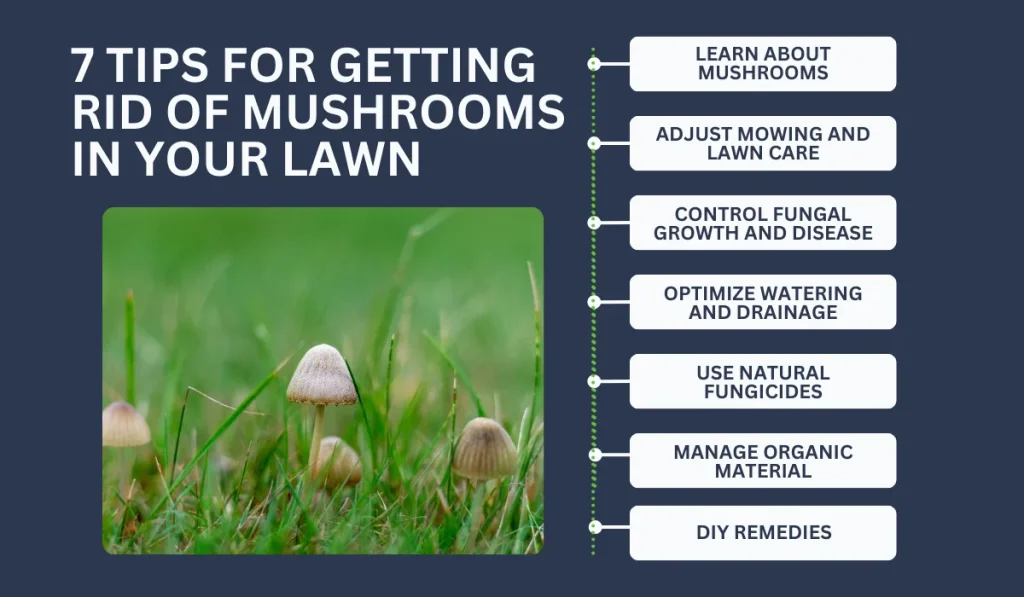
Image Source: sodlawn.com
Deciphering Why Mushrooms Appear in Your Yard
To effectively get rid of mushrooms on your lawn, it’s important to grasp the underlying reasons for their appearance. Mushrooms are the visible part of a larger fungal network, known as mycelium, that lives within your soil. This network plays a vital role in breaking down dead organic matter.
The Role of Organic Matter
Your lawn is a living ecosystem, and like all ecosystems, it has a natural cycle of growth and decay. This decay is facilitated by fungi. When there’s abundant dead organic material in the soil – such as thatch, fallen leaves, decaying roots, or even buried wood – fungi have a food source. As they break down this material, they produce mushrooms as a byproduct.
Moisture: The Key Ingredient
Fungi, like all living organisms, need water to thrive. Mushrooms, in particular, tend to appear after periods of significant rainfall or when your lawn is overwatered. Damp conditions create the ideal environment for mycelium to grow and for the fruiting bodies (mushrooms) to emerge. Areas that retain water for longer periods are more prone to mushroom outbreaks.
Soil Conditions and Aeration
The type of soil and its compaction level can also contribute to mushroom growth. Compacted soil hinders water drainage and air circulation, creating a moist environment conducive to fungi. Poor aeration means less oxygen reaches the soil’s deeper layers, which can favor certain types of fungi that thrive in less oxygenated conditions.
Shade and Dappled Sunlight
Shady areas of your lawn often retain moisture for longer, making them prime locations for mushrooms. While some fungi can tolerate full sun, many prefer the cooler, moister conditions found under trees or in areas shaded by buildings.
Identifying the Culprits: Common Lawn Mushrooms
While most lawn mushrooms are harmless, some can indicate specific issues with your lawn’s health. Lawn disease identification mushrooms can be tricky, as many look similar. However, recognizing common types can offer clues.
Fairy Rings
One of the most well-known phenomena is the “fairy ring,” a circular or arc-shaped pattern of mushrooms that appears on the lawn. These rings are caused by the outward growth of the fungal mycelium.
- Dark Green Rings: Sometimes, the mycelium enriches the soil, leading to a darker green, faster-growing ring of grass.
- Brown Rings: Conversely, some fungi can deplete nitrogen in the soil, causing a dry, brown ring.
- Mushrooms within the Ring: Mushrooms often appear on the outer edge of the ring, especially after rain.
Other Common Types
- Inky Caps: These mushrooms are often tall and slender, with caps that eventually liquefy into an inky black substance. They typically appear in moist, grassy areas.
- Coprinus: Similar to Inky Caps, these mushrooms are decomposers and are often found in lawns with rich organic matter.
- Puffballs: These are spherical mushrooms that release spores when disturbed. Small puffballs are common and generally not a cause for alarm.
- Agaricus: These are often the mushrooms that resemble store-bought varieties, typically white or brown.
Key takeaway: If you’re unsure about the type of mushroom, it’s best to err on the side of caution. Most home lawn mushrooms are harmless, but proper lawn disease identification mushrooms is crucial if you suspect a broader issue.
Immediate Lawn Mushroom Removal: Tackling Existing Growths
Seeing mushrooms on your lawn? The most straightforward approach is to remove them directly. This is a quick fix, but it doesn’t address the underlying cause.
Manual Removal: The Best Way to Remove Lawn Mushrooms
The simplest and most immediate method for lawn mushroom removal is to pick them by hand or use a garden tool.
- Gloves: Always wear gloves when handling mushrooms, as some can be toxic if ingested.
- Pulling vs. Cutting: It’s generally recommended to pull the entire mushroom, including the stem, from the ground. This prevents the mushroom from reseeding. If pulling is difficult, you can cut them at the base with a sharp spade or knife.
- Disposal: Place the removed mushrooms in a sealed plastic bag and dispose of them in the trash. Avoid composting them, as this could spread spores throughout your garden.
Other Removal Methods (with caveats)
- Mowing: Mowing over mushrooms will break them up and disperse spores, potentially worsening the problem. It’s better to remove them before mowing.
- Watering: While counterintuitive, some suggest watering affected areas heavily can encourage rapid growth and then flush them out. However, this might exacerbate the moisture issue.
Important Note: Removing the visible mushrooms is a cosmetic fix. The fungal network (mycelium) beneath the soil will remain, and mushrooms will likely reappear, especially under favorable conditions.
Addressing the Root Cause: Dealing with Mushroom Growth in Grass
To achieve long-term success in dealing with mushroom growth in grass, you need to focus on eliminating the conditions that encourage fungi. This involves improving your lawn’s overall health and managing organic matter.
Thatch Management
Thatch is a layer of dead and living stems, roots, and grass blades that accumulates between the green grass blades and the soil surface. A thick layer of thatch is a prime breeding ground for fungi.
- Dethatching (Scarifying): This process involves physically removing thatch. You can use a manual dethatching rake or a power dethatcher. Dethatching is typically done in the spring or fall when the grass is actively growing.
- Frequency: The need for dethatching depends on your grass type and how you care for your lawn. Lawns that are frequently fertilized and watered tend to build up thatch faster.
Improving Soil Aeration
Compacted soil is a major contributor to moisture retention and poor air circulation, favoring fungal growth. Aerating your lawn helps alleviate this.
- Core Aeration: This process involves removing small plugs of soil from your lawn. This allows air, water, and nutrients to penetrate the soil more effectively, improving drainage and reducing moisture buildup.
- Timing: Core aeration is best performed when the grass is actively growing, typically in the spring or fall.
Adjusting Watering Practices
Overwatering is a common reason for mushroom outbreaks. Proper watering is crucial for lawn care mushroom treatment.
- Deep and Infrequent Watering: Water your lawn deeply but less often. This encourages grass roots to grow deeper, making the lawn more drought-tolerant and less reliant on surface moisture. Aim for about 1 inch of water per week, delivered in one or two sessions.
- Morning Watering: Water your lawn in the early morning. This allows the grass blades to dry off during the day, reducing the risk of fungal diseases. Avoid watering in the evening, as wet grass overnight can promote fungal growth.
Fertilization and Soil Health
A balanced fertilization program can promote healthy, dense turf, which naturally outcompetes fungi.
- Slow-Release Fertilizers: Use slow-release nitrogen fertilizers. They provide a steady supply of nutrients and are less likely to stimulate rapid, weak growth that is susceptible to disease.
- Soil Testing: Consider a soil test to determine your lawn’s pH and nutrient levels. Adjustments can then be made to create a more favorable environment for grass and less for fungi.
Removing Buried Organic Matter
If you suspect buried wood, roots, or extensive thatch is the primary cause, you may need to physically remove it.
- Locate the Source: Identify the areas with the most persistent mushroom growth. If you suspect buried wood, you might need to excavate shallowly.
- Removal and Replacement: Remove the offending organic material and replace it with fresh topsoil and reseed the area.
Preventing Mushrooms on Lawn: Long-Term Strategies
Once you’ve managed existing mushrooms and addressed the underlying issues, focus on preventing mushrooms on lawn from returning. This is all about maintaining a healthy and resilient turf.
Regular Lawn Maintenance
Consistent care is key to a healthy lawn that is less susceptible to fungal problems.
- Mowing: Mow your lawn at the correct height for your grass type. Taller grass blades shade the soil, helping to retain moisture and prevent weed growth, but excessively long grass can also contribute to thatch.
- Fertilizing: Maintain a consistent, balanced fertilization schedule.
- Watering: Adhere to the deep, infrequent watering principle.
Reducing Shade
If your lawn is consistently shaded, consider pruning trees or removing lower branches to allow more sunlight to reach the grass. In extreme cases, you might consider replacing heavily shaded areas with shade-tolerant ground cover.
Natural and Organic Approaches
For those who prefer to avoid chemical treatments, several organic lawn mushroom control methods are effective.
- Corn Gluten Meal: Applied as a pre-emergent in the spring, corn gluten meal can also have a slight fungicidal effect, helping to suppress fungal growth.
- Beneficial Fungi: Introducing beneficial fungi to your soil can help outcompete the fungi that cause mushrooms. These are often found in high-quality compost or mycorrhizal inoculants.
- Lime: In some cases, especially if your soil is acidic, applying lime can raise the pH and make it less favorable for certain fungi. However, it’s crucial to test your soil first, as over-liming can harm your lawn.
Chemical Treatments (Use with Caution)
While often not necessary for typical lawn mushrooms, chemical fungicides are available for severe or persistent problems, or if you’re dealing with specific lawn diseases that manifest as mushrooms.
- Identify the Fungus: If you suspect a serious fungal disease, consult a local garden center or extension office for accurate lawn disease identification mushrooms.
- Choose the Right Fungicide: Select a fungicide specifically labeled for the type of fungus affecting your lawn.
- Application: Follow the product instructions carefully for application rates and timing. Be aware that many fungicides are broad-spectrum and can also harm beneficial soil organisms.
Table 1: Lawn Mushroom Prevention Checklist
| Maintenance Task | Frequency | Impact on Mushroom Prevention |
|---|---|---|
| Dethatching | 1-2 times per year (spring/fall) | Reduces food source and habitat for fungi |
| Aeration | 1-2 times per year (spring/fall) | Improves drainage and air circulation, reducing moisture |
| Watering | Deeply and infrequently (1 inch/week) | Prevents consistently damp soil surface |
| Mowing | Regularly, to correct height | Maintains healthy turf that outcompetes fungi |
| Fertilizing | According to lawn needs (spring/fall) | Promotes strong turf growth |
| Reduce Shade | As needed | Allows soil to dry faster |
| Remove Dead Debris | As needed | Eliminates potential food sources |
Frequently Asked Questions (FAQ)
Q1: Are lawn mushrooms poisonous?
Many lawn mushrooms are harmless, but some can be toxic if ingested. It is best to treat all lawn mushrooms with caution and keep pets and children away from them. The safest approach is to remove them manually.
Q2: How quickly do mushrooms grow on a lawn?
Mushrooms typically appear rapidly after rain or prolonged periods of moisture. They can sprout and mature within a few days.
Q3: Will using a lawn roller help get rid of mushrooms?
No, using a lawn roller is not an effective method for mushroom removal. It can actually compact the soil further, potentially creating conditions that encourage more mushroom growth.
Q4: Can I just ignore the mushrooms?
Ignoring the mushrooms will not solve the problem as they are merely the fruiting bodies of an underlying fungal issue. While they may disappear on their own, they will likely return if the conditions that caused them are not addressed.
Q5: Is there a specific time of year when mushrooms are more common?
Mushrooms are most common during the cooler, wetter months of spring and fall. However, they can appear at any time of year if conditions are favorable, such as after heavy rainfall in the summer or during a mild, wet winter.
Q6: How do I know if it’s a mushroom problem or a lawn disease?
Mushroom growth is often a symptom of underlying soil conditions or fungal activity. If you notice other signs of disease like discolored patches of grass, wilting, or unusual spots on the blades, it might indicate a broader lawn disease. Lawn disease identification mushrooms can be challenging; if you are unsure, consult a professional.
Conclusion: Towards a Mushroom-Free Lawn
Getting rid of mushrooms on your lawn is a process that involves immediate action and long-term strategies. By understanding why there are mushrooms in my lawn, you can implement effective lawn care mushroom treatment and lawn fungus management. Prioritize manual lawn mushroom removal, followed by improving your lawn’s health through dethatching, aeration, and proper watering. Embracing organic lawn mushroom control methods will not only lead to a healthier lawn but also a more sustainable and environmentally friendly approach to dealing with mushroom growth in grass. With consistent effort and the right approach, you can enjoy a beautiful, mushroom-free lawn.