
Can you get rid of crawfish mounds in your yard? Yes, you can! Dealing with crawfish mounds is a common issue for homeowners, especially in areas with wet soil and bodies of water. These distinctive cone-shaped piles of mud are the signature of crayfish (also known as crawfish) hard at work beneath the surface. While they can be a sign of a healthy aquatic ecosystem, they can also be a nuisance in a well-maintained yard, creating tripping hazards and making lawn care difficult. This guide will delve into how to effectively tackle these crayfish mounds, provide strategies for crawfish control, and even explore methods for crawfish eradication if the problem persists.
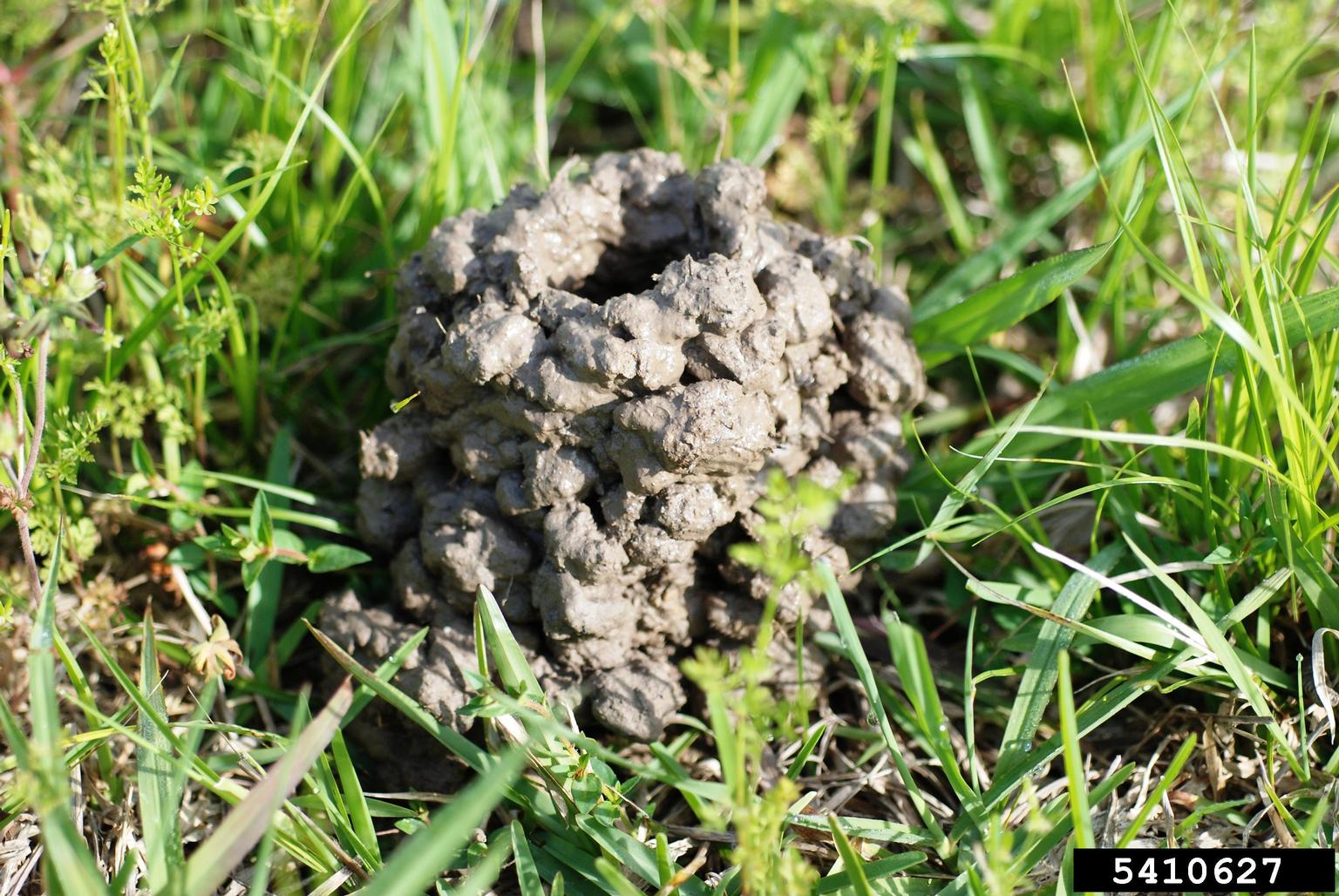
Image Source: cdn.mos.cms.futurecdn.net
Why Do Crawfish Make Mounds?
Before we can tackle the mounds, it’s helpful to understand why they’re there. Crayfish mounds are essentially the excavated soil from the extensive burrow systems that these fascinating crustaceans create. They are primarily aquatic animals, but many species can survive on land for extended periods, especially in damp soil.
The Anatomy of a Crawfish Burrow
- Entrance: This is usually a larger opening at the base of the mound, often leading directly into the water table if one is nearby.
- Main Shaft: A vertical or near-vertical tunnel extending down into the soil.
- Chambers: Side tunnels and resting places within the burrow system.
- Chimney (The Mound): This is the visible structure, built from the mud and debris dug out of the burrow. The shape and size of the mound can vary depending on the species and soil conditions. Some are perfect cones, while others are more irregular.
Crawfish dig these burrows for several reasons:
- Shelter: To escape predators and extreme temperatures.
- Breeding: To provide a safe environment for their eggs and young.
- Access to Water: Especially important during dry periods, they can tap into the water table through their deep burrows.
Identifying the Problem: Crawfish vs. Other Burrowing Animals
It’s important to correctly identify that the mounds are indeed from crawfish and not other common yard pests or burrowing animals. While other creatures like moles, voles, gophers, and even ants create mounds, crawfish mounds have a distinct characteristic:
- Shape: Typically conical or chimney-like.
- Material: Composed of wet mud, often with small pebbles or debris mixed in.
- Location: Frequently found near water sources like ponds, streams, ditches, or in low-lying, damp areas of the yard.
- Absence of other signs: Unlike moles that leave raised tunnels across the lawn, crawfish activity is usually confined to the immediate area of the mound.
If you’re still unsure, observe the area, especially during wet conditions or at night. You might see the crawfish themselves near the burrow entrance.
Erase Crawfish Mounds: Effective Strategies for Removal
Getting rid of these unsightly mounds involves a multi-pronged approach. We’ll cover everything from simple physical removal to more advanced crawfish control methods.
1. Physical Removal and Lawn Repair
This is the most immediate solution for making your yard look presentable again.
H3: Flattening the Mounds
- Tools: Shovel, rake, wheelbarrow.
- Process:
- Carefully dig out the mound. You can place the excavated mud in a wheelbarrow to easily relocate it or spread it thinly across a less visible area.
- Use the shovel to scrape the mound flat.
- Fill the remaining hole with topsoil.
- Rake the area smooth to blend with the surrounding lawn.
- If the lawn is damaged, reseed or re-sod the area.
H4: Dealing with the Holes
- Filling: The burrow itself will likely remain. You can fill the crawfish holes with soil, gravel, or sand. This might deter the crawfish from immediately rebuilding in the exact same spot, but they are persistent.
- Compaction: Stomping down the area firmly after filling can help.
Table 1: Lawn Repair Materials and Their Purpose
| Material | Purpose | Best For |
|---|---|---|
| Topsoil | Filling holes, providing nutrients | General lawn repair |
| Gravel | Drainage, discouraging burrowing | Filling holes, creating barriers |
| Sand | Drainage, improving soil structure | Heavy clay soils |
| Grass Seed | Re-establishing lawn cover | Patching bare spots |
| Sod | Instant lawn repair | Large damaged areas, immediate results |
2. Water Management: The First Line of Defense
Crawfish thrive in wet environments. Modifying your yard’s water conditions can make it less hospitable.
H5: Improving Drainage
- Aeration: Regularly aerating your lawn helps improve soil drainage and air circulation, which can make the soil less appealing for burrowing.
- Grading: Ensure your yard slopes away from your house and structures. Standing water is an invitation for crawfish.
- French Drains: For persistent waterlogged areas, installing French drains can effectively channel excess water away.
H5: Reducing Standing Water
- Clear Gutters: Ensure your gutters are clean and downspouts direct water away from the lawn.
- Eliminate Puddles: Fill in low spots where water tends to collect.
3. Habitat Modification: Making Your Yard Less Attractive
Crawfish look for shelter and food. Removing these elements can help with crawfish control.
H4: Remove Debris and Vegetation
- Clear Leaf Litter: Piles of leaves and other organic debris can retain moisture and provide hiding places.
- Trim Overhanging Branches: Reduce the amount of organic matter that falls into your yard.
- Edge Your Lawn: Create a clean edge between your lawn and any water features or garden beds.
H4: Control Food Sources
- Crawfish are opportunistic feeders, eating plants, algae, insects, and other small organisms. A healthy lawn naturally has fewer of these attractants.
4. Natural Deterrents and Repellents
While not always foolproof, some natural methods can help deter crawfish.
H3: Essential Oils
Certain strong-smelling essential oils are believed to repel crawfish.
- Peppermint Oil: Mix a few drops of peppermint oil with water and spray around the mounds and burrow entrances.
- Cinnamon Oil: Similar to peppermint, cinnamon oil can be used as a repellent.
Important Note: Always dilute essential oils in water before spraying, and test a small area of your lawn first to ensure it doesn’t cause discoloration. The effectiveness of these methods can vary.
H3: Other Natural Options
- Diatomaceous Earth (Food Grade): While primarily used for insect control, the sharp edges of DE can be irritating to crawfish if they come into contact with it. Apply around the mounds. Be aware that it loses its effectiveness when wet.
5. Chemical Control and Pesticides
For severe infestations or when other methods fail, chemical solutions might be considered. However, these should be a last resort due to potential environmental impacts and harm to beneficial organisms.
H4: Insecticides
- Granular Insecticides: Products containing ingredients like permethrin or bifenthrin can be applied to the lawn. Follow product instructions carefully regarding application rates and safety precautions.
- Liquid Insecticides: Can be mixed and applied to the soil around burrow entrances.
Crucial Safety Information:
- Read Labels Carefully: Always follow the manufacturer’s instructions regarding application, safety gear (gloves, masks), and target pests.
- Avoid Water Sources: Never apply pesticides near ponds, streams, or wells, as they can contaminate water and harm aquatic life.
- Target Application: Apply directly to the mounds and burrow openings, not broadcast across the entire lawn.
- Children and Pets: Keep children and pets away from treated areas until the product has settled and dried.
6. Trapping Crawfish: A Direct Approach
Trapping is a direct method of removing crawfish from your yard.
H4: Types of Crawfish Traps
- Commercially Available Traps: These are typically made of mesh and are designed to allow crawfish in but make it difficult for them to get out.
- DIY Traps: You can make simple traps using plastic bottles or mesh bags.
H4: Baiting Your Traps
- Effective Baits:
- Fish heads or scraps
- Chicken pieces
- Sardines or canned cat food
- Corn
H4: Trap Placement and Management
- Location: Place traps in or near the water sources where crawfish are active, or directly at the entrance of active burrows.
- Checking Traps: Check your traps regularly (at least once a day) to remove captured crawfish and re-bait.
- Disposal: Dispose of trapped crawfish humanely and according to local regulations. Some people use them for consumption, while others relocate them to a more suitable habitat or dispose of them differently. Relocation is often preferred over killing them if possible.
7. Professional Pest Control for Yards
If your crawfish control efforts are not successful or the problem is widespread, consider hiring a professional pest control for yards service. They have access to more potent treatments and the expertise to apply them safely and effectively.
H5: When to Call a Professional
- Large infestation
- Difficulty in identifying the pest
- Failure of DIY methods
- Concerns about pesticide use
Crawfish Prevention: Long-Term Solutions
Once you’ve managed to get your crawfish problem under control, implementing crawfish prevention strategies is key to avoiding a recurrence.
H3: Maintaining a Healthy Lawn and Environment
- Proper Mowing and Watering: A healthy, dense lawn is more resilient to burrowing. Avoid overwatering, which creates ideal conditions for crawfish.
- Regular Aeration: Continue to aerate your soil to promote good drainage.
- Edge Control: Maintain clear edges around flower beds, ponds, and any other water features to limit access points.
H3: Sealing Burrow Entrances
After removing mounds and filling holes, you can try to seal any remaining openings with a mixture of clay and cement or heavy-duty sealant. This is more labor-intensive but can provide a more permanent barrier.
H3: Natural Barriers
- Gravel Borders: Creating borders of gravel or small stones around vulnerable areas, like near ponds or patios, can sometimes deter crawfish from burrowing.
Frequently Asked Questions About Crawfish Mounds
Q1: Are crawfish mounds harmful to my lawn?
Yes, crayfish mounds can be harmful to your lawn. They disrupt the grass, create uneven surfaces that are difficult to mow, and can lead to tripping hazards. The burrowing activity can also damage the root systems of your grass and other plants.
Q2: Can I just ignore the crawfish mounds?
While you can ignore them, it’s generally not advisable if you want a well-maintained lawn. The mounds will continue to accumulate, and the burrowing can weaken the soil structure.
Q3: Are crawfish dangerous to humans or pets?
Crawfish are generally not dangerous to humans or pets. They can pinch if handled, but their pinch is usually not severe enough to cause significant injury. However, it’s wise to supervise pets around burrowing animals to prevent them from getting injured or digging in potentially treated areas.
Q4: How long does it take to get rid of crawfish mounds?
The time it takes to get rid of crawfish mounds can vary greatly depending on the severity of the infestation and the methods you use. Physical removal can be done immediately, but discouraging them from returning may take consistent effort over several weeks or months.
Q5: Where do crawfish come from?
Crawfish are native to freshwater aquatic environments like rivers, streams, lakes, and ponds. They can also thrive in marshes, ditches, and even wet soil areas with a connection to a water table. Their presence in your yard indicates that the conditions are suitable for them to burrow and survive.
Q6: Is it legal to kill crawfish?
Legality of killing crawfish varies by region and local wildlife regulations. In many areas, they are considered a nuisance pest, and there are no specific restrictions on controlling them. However, it’s always a good idea to check with your local wildlife or environmental agency if you are unsure.
Q7: What is the best bait for crawfish traps?
As mentioned earlier, popular and effective baits include fish heads or scraps, chicken pieces, sardines, canned cat food, and corn. Experimenting with different baits can help you find what works best in your specific location.
Conclusion
Dealing with crawfish mounds in your yard requires patience and a systematic approach. By combining physical removal, water management, habitat modification, and potentially targeted deterrents or traps, you can effectively manage these yard pests. Remember that crawfish prevention is an ongoing process, focusing on creating an environment that is less hospitable to these burrowing creatures. If the problem persists, don’t hesitate to seek professional help for comprehensive pest control for yards solutions. With the right strategies, you can reclaim your lawn and enjoy a beautiful, mound-free outdoor space.