
Can you get rid of algae in your lawn? Yes, you can effectively get rid of algae in your lawn. Does algae harm your grass? While algae doesn’t directly kill grass, it can smother it, block sunlight, and reduce air circulation, leading to a weaker lawn. This article will guide you through quick fixes and long-term solutions for algae control for lawns.
A green film on lawn surfaces, often appearing as a slippery, dark green layer, is a tell-tale sign of algae growth. This unwelcome visitor thrives in specific conditions, and tackling it requires a multi-pronged approach. We’ll explore the cause of algae in lawn and provide actionable steps for lawn algae treatment.
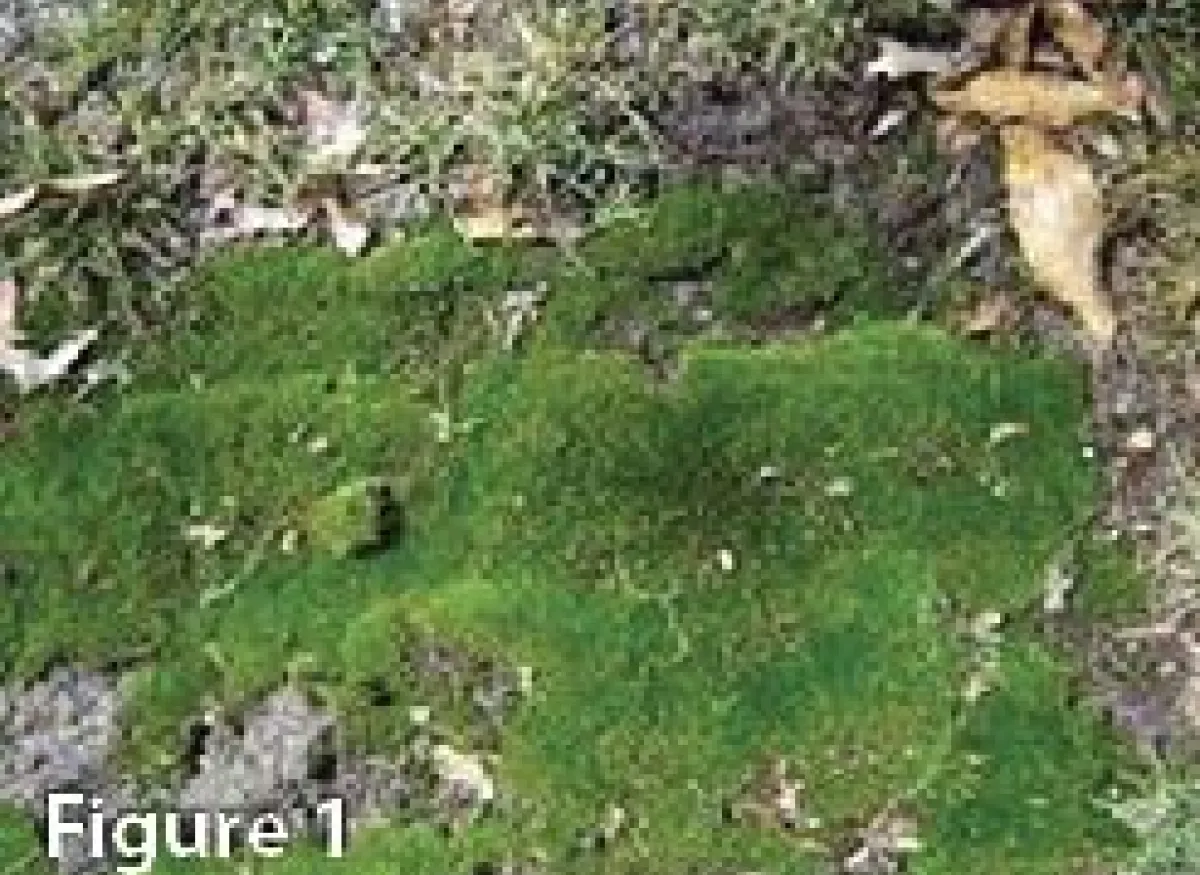
Image Source: natural-alternative.com
Deciphering the Causes of Algae in Your Lawn
Before we dive into solutions, it’s crucial to understand why algae appears in the first place. Algae are simple, primitive plants that love moisture and shade. When these conditions are prevalent in your lawn, algae can quickly take over.
Key Factors Promoting Algae Growth:
- Excessive Moisture: This is the primary culprit. Overwatering, poor drainage, and prolonged periods of dampness create the ideal breeding ground for algae. Compacted soil exacerbates this by preventing water from penetrating the ground effectively.
- Shade: Lawns that receive little direct sunlight are more susceptible. The lack of sun-drying combined with potential moisture retention creates a favorable environment for algae to flourish.
- Poor Soil Aeration and Compaction: When soil becomes compacted, it loses its ability to breathe. This restricts air and water movement, leading to surface wetness where algae can thrive.
- Low Fertility: A weak, undernourished lawn is more vulnerable to various problems, including algae. Healthy grass has a better chance of outcompeting algae.
- Thatch Buildup: A thick layer of thatch (dead and living plant matter) on your lawn can retain moisture and create shaded, damp pockets, perfect for algae.
- Low pH (Acidic Soil): While not always the case, some types of algae prefer slightly acidic conditions.
Quick Fixes: Tackling the Green Film on Lawn
When you notice that unmistakable green film on lawn, you want a solution fast. Here are some immediate actions you can take to address the problem:
1. Raking and Manual Removal
The simplest and often most immediate way to remove green algae from grass is through physical removal.
- Tools: Use a stiff-bristled broom, a garden rake, or a dethatching rake.
- Method: Vigorously scrub the affected areas. This breaks up the algae mat and helps to dry it out. For larger patches, a power rake or dethatcher can be more efficient.
- Disposal: Collect the loosened algae and dispose of it properly to prevent it from spreading elsewhere.
Table: Quick Removal Methods
| Method | Tools Needed | Effectiveness | Notes |
|---|---|---|---|
| Stiff Broom/Rake | Broom, garden rake, dethatching rake | Good for small to moderate patches | Manual labor intensive; can dry out algae quickly. |
| Power Rake/Dethatcher | Power rake, dethatching machine | Very effective for large areas | Can be aggressive; use with caution to avoid damaging grass. |
| Hose with Strong Spray | Garden hose with adjustable nozzle | Moderate; helps dislodge surface algae | Best used in conjunction with other methods. |
2. Using Baking Soda
Baking soda can act as a mild fungicide and can help dry out algae.
- Mix: Dissolve about 1 tablespoon of baking soda in a gallon of water.
- Apply: Pour or spray the mixture directly onto the affected areas.
- Rinse: After a few hours, rinse the area with plain water.
Caution: While generally safe, overuse of baking soda can potentially harm your lawn. Test on a small area first.
3. Using Vinegar (Diluted)
White vinegar is acidic and can kill algae. However, it can also harm grass if not used carefully.
- Mix: Mix one part white vinegar with four parts water.
- Apply: Spray the diluted solution onto the algae patches.
- Avoid Grass: Try to apply it only to the algae itself, avoiding direct contact with the grass blades as much as possible.
- Rinse: Rinse the area with water after a few hours.
Caution: Vinegar is acidic. Excessive use can damage your soil and grass. This is a temporary fix and not a long-term solution for lawn care algae.
Long-Term Solutions for Algae Control for Lawns
While quick fixes can help, the best approach to algae control for lawns involves addressing the underlying causes. This ensures your lawn remains healthy and less prone to algae regrowth.
1. Improve Drainage
Adequate drainage is paramount for preventing algae.
- Aeration: Core aeration is a highly effective method to combat soil compaction. It creates small holes in the soil, allowing water and air to penetrate better. This promotes healthier root growth and reduces surface moisture.
- Frequency: Aerate your lawn once a year, ideally in the fall or spring when the grass is actively growing.
- Top Dressing: After aeration, consider top-dressing with a thin layer of compost or a quality soil mix. This further improves soil structure and drainage.
- Regrading: In severe cases of poor drainage, regrading your lawn might be necessary to direct water away from problem areas.
- Install French Drains: For persistent waterlogging, installing French drains can be a more significant but highly effective solution.
2. Manage Watering Practices
Improper watering is a major contributor to algae growth.
- Water Deeply and Infrequently: Instead of frequent, shallow watering, water your lawn deeply but less often. This encourages deeper root growth, making the grass more drought-tolerant and reducing surface dampness.
- Water in the Morning: Watering in the early morning allows the grass blades to dry throughout the day. Watering in the evening leaves moisture on the grass overnight, which is ideal for algae.
- Check Soil Moisture: Before watering, check if your lawn actually needs it. Stick a screwdriver into the ground; if it goes in easily, the soil is moist enough.
3. Increase Sunlight Exposure
If shade is a significant factor, consider these steps:
- Prune Trees and Shrubs: Trim back overhanging branches of trees and shrubs that are casting excessive shade on your lawn.
- Consider Shade-Tolerant Grass Varieties: If your lawn is in a heavily shaded area, you might need to reseed with grass varieties that are more tolerant of low light conditions.
4. Address Soil Compaction and Thatch
A healthy soil structure prevents algae.
- Regular Aeration: As mentioned, aeration is key.
- Dethatching: If you have a significant thatch layer (more than half an inch), dethatching is essential. This process removes the buildup of dead organic matter, allowing air, water, and nutrients to reach the soil and grass roots.
- Timing: Dethatch in spring or fall, depending on your grass type.
- Proper Fertilization: Use a balanced fertilizer according to your lawn’s needs. Healthy, vigorous grass can better compete with algae and other weeds. Avoid over-fertilizing, which can also lead to excessive growth and moisture retention.
5. Chemical Treatments for Lawn Moss and Algae Remover
For persistent problems, specific lawn moss and algae remover products can be effective. These typically contain copper sulfate or other algaecides.
- Copper Sulfate: This is a common ingredient in many lawn algae treatment products. It works by disrupting the algae’s cellular processes.
- Application: Follow product instructions carefully. Copper sulfate can be harmful to soil microbes and plant roots if overused.
- Timing: Apply when algae is actively growing.
- Commercial Algaecides: Many commercially available products are specifically formulated for lawn algae removal. These often come in granular or liquid form.
- Read Labels: Always read and follow the instructions on the product label. Pay attention to application rates, timing, and safety precautions.
- Targeted Application: Apply the product only to the affected areas to minimize impact on the rest of your lawn.
Table: Chemical Treatment Considerations
| Active Ingredient | Primary Use | Potential Side Effects | Best Practices |
|---|---|---|---|
| Copper Sulfate | Algae and moss control | Can harm beneficial soil organisms, plant roots if overused. | Apply sparingly, follow label rates, avoid applying to stressed lawns. |
| Quaternary Ammonium Compounds | Algae and weed control | Can affect soil microbes; may require repeated applications. | Follow label instructions; test in a small area first. |
| Potassium Salts of Fatty Acids | Controls moss and some algae | Generally considered safer for soil organisms than copper. | Effective for surface growth; repeat applications may be needed. |
| Iron Sulfates | Controls moss, can contribute to turf health | Can stain surfaces; may cause temporary browning of grass if overused. | Apply to mossy areas; water in well. |
Important Note on Chemical Use: Always prioritize addressing the underlying causes. Chemical treatments are often a temporary solution if the environmental conditions that promote algae are not corrected.
Preventing Algae on Turf: A Proactive Approach
The best strategy for dealing with algae is to prevent algae on turf from appearing in the first place. This involves maintaining a healthy and robust lawn.
1. Healthy Lawn Practices
- Proper Mowing Height: Mow your grass at the recommended height for its species. Taller grass shades the soil, keeping it cooler and moister, which can deter algae.
- Regular Fertilization: Feed your lawn with the right nutrients at the right times. A well-fed lawn is more resilient.
- Overseeding: Overseeding with appropriate grass types can help thicken your lawn, reducing open spaces where algae can establish.
- Soil Testing: Regularly test your soil to ensure it has the correct pH and nutrient levels.
2. Smart Watering and Drainage
- Avoid Overwatering: Stick to the “deeply and infrequently” rule.
- Improve Drainage: Prioritize aeration and address any low-lying, waterlogged areas.
3. Sunlight Management
- Strategic Pruning: Ensure trees and shrubs don’t create overly shaded, damp conditions for extended periods.
4. Regular Maintenance
- Dethatching: Keep thatch levels in check.
- Weed Control: Healthy grass outcompetes weeds. A strong turf discourages algae.
Dealing with Backyard Algae Removal on Patios and Walkways
Sometimes, algae can spread from your lawn to adjacent hard surfaces like patios and walkways. For backyard algae removal on these areas:
1. Pressure Washing
A pressure washer can be very effective at removing algae and the slippery film it creates.
- Nozzle Choice: Use a fan-tip nozzle to avoid damaging the surface.
- Water Flow: Start with a lower pressure setting and increase gradually if needed.
- Caution: Be mindful of overspray onto your lawn or garden beds.
2. Algae-Specific Cleaners
There are specialized cleaners available for patios and walkways.
- Apply and Scrub: Apply the cleaner, let it sit for the recommended time, and then scrub with a stiff brush.
- Rinse: Rinse thoroughly with water.
3. Vinegar or Baking Soda Paste
For smaller areas or as a gentler option:
- Vinegar: Apply undiluted white vinegar, let it sit, scrub, and rinse.
- Baking Soda: Make a paste with baking soda and water, apply, scrub, and rinse.
Frequently Asked Questions (FAQ)
Q1: Is lawn algae dangerous to my pets or children?
A1: Generally, lawn algae is not considered dangerous. However, the slippery surface it creates can pose a tripping hazard for people and pets. Some specific types of algae can be toxic if ingested in large quantities, but this is rare in typical lawn settings. It’s always best to keep pets and children off heavily affected areas until the algae is removed.
Q2: How quickly can I expect to see results after treatment?
A2: Quick fixes like raking or manual removal offer immediate visual improvement. Chemical treatments may take a few days to a week to show full effect. Long-term solutions like aeration and improving drainage will gradually reduce algae recurrence over weeks and months as your lawn health improves.
Q3: Can I use bleach to kill lawn algae?
A3: While bleach can kill algae, it is highly toxic to grass, soil microbes, and beneficial insects. It can severely damage your lawn and the surrounding environment. It’s not recommended for lawn algae treatment.
Q4: My lawn has both moss and algae. Can I treat them together?
A4: Yes, many products designed for moss control also effectively treat algae. Improving drainage and reducing shade will benefit both problems. Look for products labeled as “lawn moss and algae remover.”
Q5: How can I tell if my lawn has poor drainage?
A5: Signs of poor drainage include: water pooling on the surface for more than a few hours after rain, soggy soil that remains wet for extended periods, grass struggling to grow in certain areas, and the presence of algae or moss.
Q6: Will fertilizing my lawn help get rid of algae?
A6: Fertilizing doesn’t directly kill algae, but it strengthens your grass. A healthy, dense lawn can outcompete algae for resources and sunlight, making it more resistant to algae invasion. Proper fertilization is a key part of a long-term algae prevention strategy.
By following these steps, you can effectively tackle algae control for lawns and maintain a healthier, more attractive backyard. Remember that consistent care and addressing the root causes are key to preventing the return of that pesky green film.