
Can you eliminate clover in a lawn naturally? Yes, you can eliminate clover in a lawn naturally through a combination of proper lawn care practices, targeted manual removal, and the use of organic solutions.
Clover, with its distinctive three-leaf pattern (though sometimes four!), is a common guest in many home lawns. While some people appreciate its ability to fix nitrogen, which can benefit grass, most homeowners seek a pristine, uniformly green lawn. If you’re asking yourself, “How do I get rid of clover in my grass?” this comprehensive guide is for you. We’ll delve into effective strategies for clover removal from grass using natural weed removal methods, ensuring your lawn thrives without harmful chemicals.
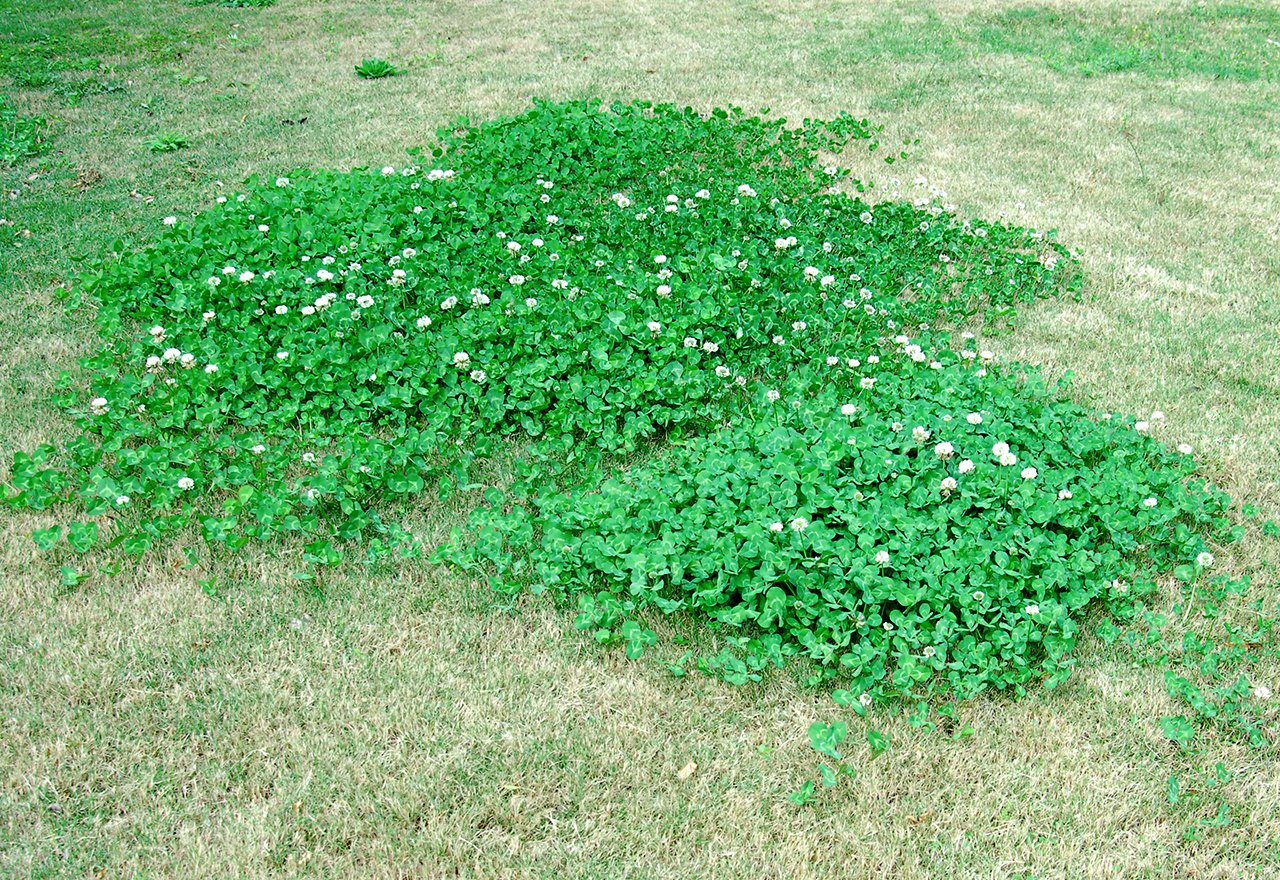
Image Source: cdn2.hubspot.net
Why Clover Appears in Your Lawn
Before we tackle how to get rid of it, let’s understand why clover likes your lawn so much. Clover thrives in conditions that often signal a less-than-ideal lawn environment for grass.
Compacted Soil
When soil is packed too tightly, grass roots struggle to spread. Clover, on the other hand, has shallow roots and can tolerate compacted soil much better.
Low Nitrogen Levels
Clover is a legume. This means it has a special relationship with bacteria in the soil that allows it to pull nitrogen from the air and convert it into a form plants can use. Grass needs a consistent supply of nitrogen to stay green and dense. When your lawn is low on nitrogen, clover has a competitive advantage.
Uneven Watering
Lawns that are watered too infrequently or too deeply can also favor clover. Clover can tolerate drier conditions better than many types of turfgrass.
Mowing Too Low
Cutting your grass too short weakens the grass blades and exposes the soil surface. This creates an open invitation for weed seeds, including clover, to germinate.
Strategies for Natural Clover Removal
Getting rid of clover naturally is a multi-faceted approach. It’s about making your lawn less hospitable to clover and more favorable to healthy grass. This involves good lawn care habits and specific interventions.
1. Healthy Grass is Your Best Defense
The most effective way to eliminate clover is to cultivate a dense, healthy lawn. Strong turfgrass crowds out weeds and prevents them from taking hold. This is the cornerstone of weed prevention lawn.
Proper Mowing Height
- Never cut more than one-third of the grass blade at a time.
- Mow at the higher end of the recommended range for your grass type. For most cool-season grasses, this is around 3-4 inches. Taller grass shades the soil, keeping it cooler and preventing weed seeds from germinating.
- Keep your mower blades sharp. Dull blades tear grass, making it susceptible to disease and stress, which clover can exploit.
Consistent Watering
- Water deeply and infrequently. This encourages grass roots to grow deeper into the soil, making the grass more resilient to drought and competition.
- Aim for about 1 inch of water per week, either from rain or irrigation. Water in the morning to allow the grass blades to dry before nightfall, reducing disease risk.
Regular Fertilization
- Feed your lawn with organic fertilizers. These release nutrients slowly, providing a steady food source for your grass without overstimulating it.
- Test your soil to determine specific nutrient needs. A soil test can reveal if your lawn is deficient in nitrogen or other essential elements. Based on the results, you can choose the right organic fertilizer. Fertilizing at the correct times of the year for your grass type is crucial for sustained health.
2. Manual Removal: The Direct Approach
For smaller patches of clover, manual removal is a simple and effective natural weed removal method.
Tools for the Job
- Dandelion weeder or stand-up weeder: These tools are designed to get under the root of the weed and pull it out.
- Garden trowel or hori hori knife: Useful for digging out larger clumps.
- Gloves: To protect your hands.
The Process
- Water the area the day before. Moist soil makes it easier to pull out the entire root system.
- Grasp the clover plant firmly at its base.
- Gently pull upwards, wiggling the plant if necessary. Try to extract the entire taproot. If the root breaks, new clover can grow from the remaining piece.
- Dispose of the pulled clover. Do not compost clover that has gone to seed, as this can spread its seeds.
- Fill any remaining holes with good topsoil and reseed with grass. This helps prevent new weeds from taking root.
This method is labor-intensive but highly effective for targeted clover removal from grass.
3. Organic Herbicides: Targeted Solutions
While the goal is natural weed removal, sometimes a little extra help is needed. There are several organic herbicides that can effectively target clover without harming your grass.
Vinegar-Based Herbicides
Horticultural vinegar (20% acetic acid) is a contact herbicide that burns down the foliage of weeds. However, it’s important to note that it’s non-selective, meaning it can damage any plant it touches, including your grass.
- Application: Apply on a sunny, warm day. Spot-treat clover patches, avoiding contact with desirable grass. You may need multiple applications.
- Caution: Horticultural vinegar is highly acidic. Wear protective clothing, gloves, and eye protection.
Corn Gluten Meal
Corn gluten meal is a natural pre-emergent herbicide. This means it inhibits the germination of seeds. It also acts as a slow-release nitrogen fertilizer, which benefits your lawn.
- Application: Apply in early spring before clover seeds germinate. You’ll need to apply it again in the fall.
- Effectiveness: It’s most effective when applied at the right time and watered in. It won’t kill existing clover but prevents new growth.
Natural Broadleaf Weed Killers
Many commercially available organic weed killers are derived from natural sources like essential oils (clove oil, cinnamon oil) or fatty acids. These are generally contact killers, meaning they kill the parts of the plant they touch.
- Application: Apply directly to the clover leaves. Like vinegar, they are often non-selective, so careful application is key.
- Read Labels Carefully: Always follow the manufacturer’s instructions for best results and to avoid damaging your lawn.
4. Aeration and Dethatching: Improving Lawn Health
Compacted soil and excessive thatch (a layer of dead grass and organic matter) create an ideal environment for clover. Aerating and dethatching improve air, water, and nutrient penetration to the soil, promoting stronger grass growth.
Aeration
- Process: Aeration involves removing small cores of soil from your lawn. This relieves compaction and allows roots to breathe and grow deeper.
- Timing: Aerate when your grass is actively growing, typically in the fall for cool-season grasses and late spring/early summer for warm-season grasses.
- Follow-up: After aerating, overseed with grass seed and fertilize with an organic fertilizer. This fills in any bare spots and encourages healthy grass growth.
Dethatching
- Process: Dethatching (or scarifying) uses a machine with tines to rake out the layer of thatch.
- Timing: Like aeration, dethatch when your grass is actively growing.
- Caution: Do not dethatch if your lawn is already stressed or during very hot, dry periods.
These practices are fundamental lawn care tips that contribute to overall lawn health and weed prevention lawn.
Tackling Other Common Lawn Weeds
While clover is the focus, a healthy lawn also means keeping other weeds in check. Knowing how to deal with common lawn adversaries like dandelions in lawn is part of a comprehensive organic lawn care approach.
Dandelion Removal Methods
Dandelions are prolific seed producers and have deep taproots that make them persistent.
- Manual Removal: Similar to clover, using a dandelion weeder or a sharp knife to dig out the entire taproot is very effective. It’s best to do this when the soil is moist and before the plant goes to seed.
- Corn Gluten Meal: As mentioned earlier, it can help prevent dandelion seeds from germinating.
- Natural Herbicides: Contact herbicides like those based on essential oils can burn down dandelion foliage. Repeated applications may be necessary for mature plants with strong taproots.
- Healthy Turf: The best defense against dandelions, as with clover, is a dense, healthy lawn.
Broadleaf Weed Control
Clover and dandelions are both examples of broadleaf weeds. Many of the principles for clover removal from grass apply to broadleaf weed control in general.
- Identify Your Weeds: Knowing what you’re dealing with helps you choose the most effective strategy.
- Healthy Lawn Practices: The stronger your grass, the less space and resources are available for broadleaf weeds.
- Timing is Key: Applying treatments when weeds are young and actively growing yields the best results.
Pre-Emergent Weed Control: Prevention is Key
Using a pre-emergent weed killer is a proactive strategy that can significantly reduce the number of weeds that sprout in your lawn.
How Pre-Emergents Work
Pre-emergent herbicides target weed seeds, preventing them from germinating and establishing roots. They do not kill existing weeds.
Natural Pre-Emergent Options
- Corn Gluten Meal: As discussed, this is a natural option that works as a pre-emergent. Apply in early spring and fall.
- Timing Applications: The success of any pre-emergent weed killer depends heavily on application timing. You need to apply it before weed seeds begin to germinate. For common lawn weeds like crabgrass and annual bluegrass, this typically means early spring.
Integrating Pre-Emergents into Your Organic Lawn Care Routine
- Know Your Weeds: Different weeds germinate at different times. Research the germination times for the weeds common in your area.
- Follow Instructions: Always read and follow the product label for the best results and to ensure you’re not hindering grass seed germination if you plan to overseed.
When to Seek Professional Help
If you have a severe clover infestation or are struggling to manage weeds despite your best efforts, a professional organic lawn care service can provide expert advice and treatment options. They can assess your lawn’s specific needs and develop a tailored plan for weed prevention lawn and overall health.
Summary Table: Natural Clover Removal Methods
| Method | Description | Best For | Pros | Cons |
|---|---|---|---|---|
| Healthy Turf | Promoting dense, healthy grass through proper mowing, watering, fertilizing | Overall weed prevention | Sustainable, long-term solution, improves lawn appearance | Takes time and consistent effort |
| Manual Removal | Pulling clover by hand or with tools | Small, isolated patches | Immediate results, no chemicals, good exercise | Labor-intensive, may miss roots leading to regrowth |
| Corn Gluten Meal | Natural pre-emergent herbicide and fertilizer | Preventing new clover growth | Organic, fertilizes lawn, safe for beneficial insects | Timing is critical, won’t kill existing clover |
| Vinegar Herbicides | Contact herbicide that burns foliage | Spot-treating clover before it spreads | Quick results on foliage, readily available | Non-selective (can kill grass), may require repeat application |
| Organic Herbicides | Contact killers derived from essential oils or fatty acids | Spot-treating clover and other broadleaf weeds | Target specific weeds, generally safer than synthetics | May require multiple applications, can affect grass if misused |
| Aeration/Dethatching | Improving soil and thatch layers to benefit grass | Compaction and thatch issues favoring clover | Enhances grass root growth and nutrient uptake | Requires equipment, best done at specific times of year |
Frequently Asked Questions (FAQ)
Q1: Will killing clover damage my grass?
It depends on the method. Manual removal and improving overall lawn health are safe for grass. Natural herbicides like vinegar or essential oil-based products can be non-selective and may damage grass if not applied carefully as spot treatments. Corn gluten meal is safe for established grass.
Q2: When is the best time to apply a pre-emergent weed killer for clover?
For clover, a pre-emergent weed killer like corn gluten meal is best applied in early spring before clover seeds germinate. A second application in the fall can also be beneficial for preventing winter annual weeds that can compete with your grass.
Q3: Can I use boiling water to kill clover?
Boiling water can kill clover, but like vinegar, it is non-selective and will kill any plant it touches, including your grass. It’s generally not recommended for widespread application.
Q4: How do I prevent clover from coming back next year?
The best way to prevent clover is to maintain a dense, healthy lawn. This means adhering to proper mowing heights, consistent watering, regular fertilization with organic fertilizers, and addressing any soil compaction issues through aeration. A strong, healthy turf will naturally outcompete clover.
Q5: Is clover bad for my lawn?
Clover has some benefits, like fixing nitrogen in the soil, which can help grass grow. However, it often indicates underlying lawn problems like low nitrogen levels or compacted soil. For those seeking a uniform green lawn, excessive clover is considered a weed.
By implementing these lawn care tips and focusing on natural weed removal, you can successfully eliminate clover and cultivate a beautiful, healthy lawn. Remember that consistency and patience are key to achieving your organic lawn care goals.