
Yes, you can fix lawn burn spots caused by dog urine. The key is to address the damage promptly and implement preventative measures to protect your grass. This guide will walk you through the process of repairing those unsightly brown spots and keeping your lawn healthy and green.
Dog urine can be tough on lawns, leaving behind yellow or brown patches that mar an otherwise beautiful landscape. These dog urine burn spots on lawn are a common problem for pet owners. The high nitrogen content in dog urine, while beneficial in small doses, can scorch grass when concentrated. This leads to dog urine lawn damage, creating brown spots on grass dog encounters. Fortunately, with the right approach, you can effectively tackle lawn repair dog urine and achieve dog urine lawn recovery.
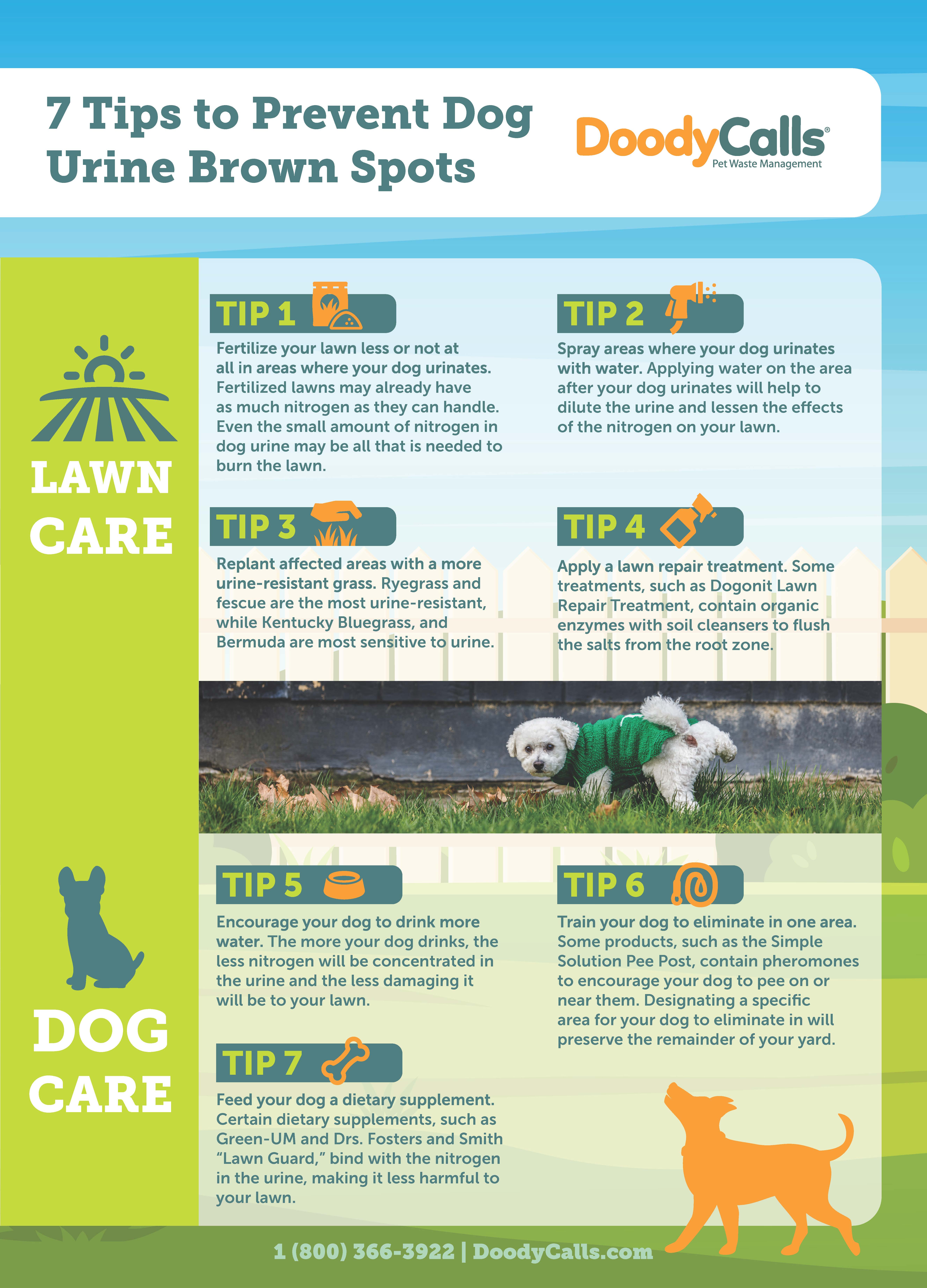
Image Source: www.doodycalls.com
Deciphering Dog Urine’s Impact on Grass
To effectively fix dog pee lawn spots, we first need to grasp why they appear. Dog urine is not inherently bad for grass. In fact, it contains nitrogen, a vital nutrient for plant growth. However, when a dog repeatedly urinates in the same spot, the concentration of nitrogen becomes too high. This overload essentially “burns” the grass, turning it brown or yellow and eventually leading to dead grass dog pee.
The urine also contains salts and other compounds that can dehydrate the grass blades and roots, further contributing to the damage. The severity of the dog urine lawn damage depends on several factors:
- Dog’s Diet: A diet rich in protein can lead to more concentrated urine.
- Dog’s Health: Certain health conditions can affect urine composition.
- Grass Type: Some grass varieties are more resilient than others.
- Urine Volume: Larger dogs or dogs that hold their urine longer may deposit more concentrated amounts.
- Environmental Factors: Dry or hot weather can exacerbate the damage.
Common Causes of Brown Spots
- High Nitrogen Concentration: The primary culprit.
- Salt Buildup: Dehydrates grass roots.
- Alkalinity: Urine can alter soil pH over time.
- Repeated Urination: Concentrates the damaging elements.
This comprehensive guide will cover everything you need to know about how to get rid of dog urine spots and ensure robust lawn care dog urine practices.
Steps to Repair Dog Urine Burn Spots
Repairing dog urine lawn damage involves several key steps, from immediate first aid to long-term solutions. The goal is to revitalize the affected areas and prevent future damage.
Immediate Actions for Fresh Spots
If you catch your dog in the act of urinating on the lawn, the best course of action is immediate flushing.
Water is Your First Line of Defense
- Flush the Area: As soon as you notice your dog urinating, or immediately after, use a hose to thoroughly water the spot. This dilutes the urine, reducing the concentration of nitrogen and salts. Aim to water the affected area for at least 5-10 minutes.
Addressing Existing Burn Spots
For spots that have already developed, a multi-step repair process is necessary.
1. Rake and Remove Dead Grass
- Clear Debris: Use a stiff rake to gently remove any dead or loosened grass from the affected area. This is crucial for proper aeration and to prepare the soil for new growth. You want to expose the bare soil underneath.
2. Amend the Soil (Optional but Recommended)
- Improve Drainage and Nutrients: For severely damaged areas, it’s beneficial to lightly loosen the soil with a trowel. You can also mix in a small amount of compost or a balanced, slow-release lawn fertilizer. This provides a healthy foundation for new grass.
3. Re-seed the Bare Patches
- Choose the Right Seed: Select a grass seed that matches your existing lawn type for a seamless repair. Consider a tougher, more resilient grass variety if your dog frequently uses the same spot.
- Spread the Seed: Sprinkle the grass seed evenly over the prepared bare soil. Follow the recommended seeding rate on the seed packaging.
- Cover the Seed: Gently rake the seed into the soil to ensure good seed-to-soil contact. A thin layer of straw or mulch can help retain moisture and protect the seeds from birds.
4. Water Regularly
- Consistent Moisture: Keep the newly seeded area consistently moist until the seeds germinate and the new grass is established. This usually means light watering once or twice a day, depending on weather conditions. Avoid overwatering, which can wash away seeds.
5. Fertilize and Maintain
- Nutrient Boost: Once the new grass has grown a few inches tall, you can apply a balanced lawn fertilizer to encourage healthy growth. Follow the fertilizer instructions carefully.
- Gradual Recovery: Be patient. It takes time for new grass to grow and for the lawn to recover fully. Continue with regular watering and mowing as your lawn returns to its former glory.
Advanced Techniques for Lawn Repair Dog Urine
Beyond basic seeding, several other methods can help with lawn repair dog urine and contribute to overall lawn care dog urine.
Aeration
- What it is: Aeration involves creating small holes in the soil. This improves air circulation, water penetration, and nutrient uptake, all of which are vital for a healthy lawn and can help mitigate the effects of urine salts.
- When to do it: It’s best to aerate when your grass is actively growing, typically in the spring or fall.
- How it helps: Aeration helps break down the salts and excess nitrogen, making it easier for the soil to recover and for new grass to establish.
Top Dressing
- What it is: Top dressing is the process of adding a thin layer of compost or soil mixture over the lawn.
- How it helps: This enriches the soil, improves its structure, and can help dilute any lingering urine salts, promoting better grass health and contributing to dog urine lawn recovery.
Soil Testing
- Why it matters: A soil test can reveal critical information about your lawn’s pH and nutrient levels. Dog urine can significantly alter soil pH, making it less hospitable for grass.
- What to do: Purchase a soil test kit from a local garden center or send a sample to your local extension office.
- How to use the results: The test results will guide you on whether you need to add lime to raise pH or sulfur to lower it, and which nutrients might be lacking. This is a crucial step for long-term lawn care dog urine.
Preventing Future Dog Pee Lawn Spots
The most effective way to deal with dog urine lawn damage is to prevent it from happening in the first place. Proactive strategies can significantly reduce the occurrence of brown spots on grass dog is prone to create.
Training Your Dog
- Designated Potty Area: Train your dog to use a specific area of your yard as their bathroom. This could be a patch of gravel, mulch, or a designated area of grass that you are prepared to maintain separately.
- Positive Reinforcement: Reward your dog with praise and treats when they use the designated potty spot. Consistency is key in training.
Dietary Adjustments
- Consult Your Vet: Talk to your veterinarian about your dog’s diet. A balanced diet can sometimes help in reducing the concentration of nitrogen in their urine.
- Supplements: Some dietary supplements claim to help neutralize urine acidity or reduce nitrogen levels. Discuss these with your vet before introducing them.
Hydration
- More Water, Less Damage: Ensure your dog has constant access to fresh water. Well-hydrated dogs produce less concentrated urine, which can lessen the burning effect on your lawn.
Lawn Protection Strategies
- Strategic Watering: If you can’t flush the urine immediately after your dog goes, watering the lawn thoroughly later in the day can help dilute the urine.
- Encourage Variety: Encourage your dog to move around and not urinate in the same spot repeatedly.
- Dog-Friendly Lawn Products: There are products available designed to neutralize the effects of dog urine on lawns. These can be applied to the lawn or added to your dog’s water. Research these options and consult with your vet.
- Hardscaping: Consider creating designated “potty spots” using materials like gravel or wood chips. These areas are less susceptible to urine damage. You can then train your dog to use these spots exclusively.
- Protective Barriers: For newly seeded areas or particularly vulnerable spots, temporary fencing or deterrents can keep your dog away until the grass is established.
Frequently Asked Questions (FAQ)
Here are answers to some common questions about fixing dog urine burn spots on lawn:
What is the fastest way to fix dog urine spots?
The fastest way to fix a fresh spot is to immediately flood the area with water. For already burned spots, raking out the dead grass and re-seeding is the quickest repair method, though full recovery will take time.
Can I use vinegar to neutralize dog urine on the lawn?
While vinegar is acidic and can neutralize ammonia, directly applying it to your lawn can also harm the grass. It’s generally not recommended as a primary solution for dog urine lawn damage. Diluted flushing with water is safer and more effective for immediate treatment.
How long does it take for grass to recover from dog urine?
Recovery time varies. Light damage might recover within a week or two with proper watering. Severely damaged spots that require re-seeding can take 2-4 weeks for germination and several weeks more to become fully established and blend in.
Are there special seeds for lawns with dog urine?
While there aren’t specific “dog urine” seeds, choosing hardy, resilient grass varieties like Tall Fescue or Perennial Ryegrass can help your lawn better withstand the effects of dog urine.
How can I prevent my dog from peeing on my lawn?
Training your dog to use a designated potty area, ensuring they are well-hydrated, and considering dietary adjustments with your vet are the most effective preventative measures. Using deterrents or creating hardscape potty zones can also help.
Conclusion
Dealing with brown spots on grass dog urine leaves behind is a challenge many pet owners face. By understanding the cause of dog urine lawn damage and implementing the right repair strategies, you can effectively restore your lawn’s beauty. Remember that consistency in lawn care dog urine practices, from immediate flushing to long-term prevention, is key to achieving a lush, green, and dog urine lawn recovery. With patience and the right approach, you can enjoy a beautiful lawn alongside your furry friend.