
Can you dissolve dog poop in your yard? Yes, you can, but it’s not about magical vanishing acts. Instead, it’s about speeding up the natural breakdown process safely and without harm to your lawn, pets, or the environment. This guide explores how to effectively manage dog waste, from simple scooping to natural decomposition methods, ensuring your yard remains clean and healthy. We’ll delve into various pet waste management techniques, focusing on natural dog poop remover options and biodegradable dog waste solution approaches.
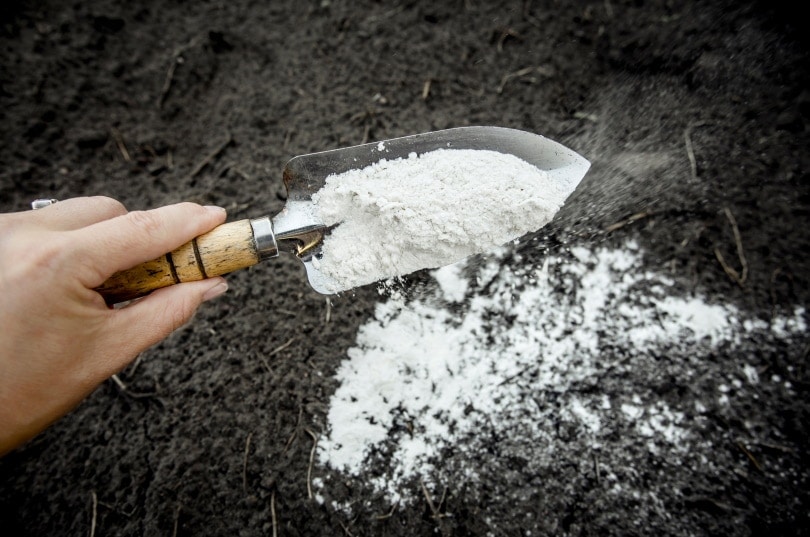
Image Source: www.hepper.com
The Importance of Proper Dog Waste Removal
Dealing with dog waste is a crucial part of responsible pet ownership. Ignoring it isn’t just unsightly; it poses health risks. Dog poop can contain harmful bacteria and parasites, like E. coli and Salmonella, which can be transmitted to humans and other animals. These pathogens can contaminate soil and water sources if left unchecked. Therefore, consistent dog waste removal is vital for a healthy environment and community.
Why Traditional Methods Aren’t Always Enough
While picking up poop is the primary method, sometimes we look for ways to further manage the residue or to deal with those “oops” moments where a full scoop might miss a tiny bit, or a particularly messy deposit occurs. Traditional methods are essential, but exploring natural breakdown can be a complementary strategy.
Natural Ways to Break Down Dog Excrement
Nature has its own powerful systems for decomposition. We can harness these by providing the right conditions for dog excrement breakdown. This isn’t about making poop disappear instantly, but about encouraging microorganisms to do their work efficiently.
The Role of Microorganisms
The key to natural decomposition lies in microscopic organisms like bacteria and fungi. These tiny helpers feast on organic matter, including dog waste, converting it into simpler compounds. Factors like moisture, temperature, and the presence of beneficial microbes significantly influence how quickly this process occurs.
Introducing Beneficial Bacteria
You can actively boost the population of beneficial bacteria in your yard. This is where specialized products come into play.
Enzymatic Cleaner for Dog Poop
Enzymatic cleaners are formulated with enzymes that are biological catalysts. These enzymes specifically target and break down the organic molecules in dog waste, accelerating the decomposition process.
- How they work: Enzymes are proteins that speed up chemical reactions. In the case of dog poop, specific enzymes are designed to break down proteins, fats, and carbohydrates found in the waste.
- Application: Typically, these are diluted with water and applied directly to the affected area.
- Safety: When used as directed, enzymatic cleaners are generally safe for lawns, plants, pets, and people. They don’t use harsh chemicals that can harm the ecosystem.
- Benefits:
- Speeds up decomposition.
- Helps eliminate odors.
- Breaks down stains.
- Environmentally friendly.
Natural Dog Poop Remover Products
Beyond enzymatic cleaners, other natural products can aid in breaking down dog mess. These often involve carbon-rich materials or specific microbial blends.
- Compost Accelerators: While not directly applied to a living lawn, these are useful for dedicated dog waste composting systems. They introduce microbes and nutrients that speed up the composting process.
- Beneficial Microbe Sprays: Similar to enzymatic cleaners, these sprays introduce or encourage the growth of naturally occurring microbes that break down waste.
Creating the Right Environment for Decomposition
For natural breakdown to occur effectively, the conditions matter.
- Moisture: Microorganisms need moisture to survive and thrive. Dry waste decomposes much slower.
- Aeration: Oxygen is essential for many aerobic bacteria that break down waste. Compacted soil or waste can slow this process.
- Temperature: Warmer temperatures generally accelerate microbial activity, but extreme heat or cold can slow it down.
Composting Dog Poop: A Sustainable Solution
Composting dog poop is an excellent way to manage waste and create valuable fertilizer, but it requires careful execution to ensure safety.
What is Composting Dog Poop?
Composting dog poop involves using a controlled process to break down dog waste along with other organic materials into a nutrient-rich soil amendment. This is different from simply leaving poop in the yard to break down; it’s a managed decomposition.
Methods for Composting Dog Waste
- Dedicated Dog Waste Composter: These are specially designed bins that allow for contained composting of dog waste. They often have features to manage odor and prevent pests.
- Hot Composting: This method involves maintaining a high temperature within the compost pile, which kills most pathogens. It requires a specific mix of “greens” (nitrogen-rich materials like dog waste and grass clippings) and “browns” (carbon-rich materials like leaves and shredded paper), and regular turning to ensure aeration.
- Vermicomposting (with caution): While some sources mention using red wiggler worms for composting, it’s generally advised against for dog waste due to the potential for pathogen transmission. If you choose this, extreme care and specific composting bins designed for pet waste are necessary, and the resulting compost should not be used on edible plants.
Considerations for Composting
- Pathogen Control: Dog waste can contain pathogens. Hot composting is the most effective way to kill these. Ensure your compost pile reaches and maintains temperatures of 140-160°F (60-71°C) for several days.
- Materials to Avoid: Do not add dog poop to a compost pile used for fruits and vegetables, especially if you plan to eat them.
- Turning and Aeration: Regularly turning the compost pile introduces oxygen, which is crucial for aerobic decomposition and helps prevent foul odors.
- Moisture Balance: The compost pile should be moist like a wrung-out sponge, not too wet or too dry.
Yard Deodorizer for Dog Urine and Waste
Beyond breaking down the solids, odor control is a significant concern for pet owners. Dog urine, in particular, can leave a pungent smell.
Natural Odor Neutralizers
Several natural solutions can help combat odors associated with pet waste.
- Baking Soda: Baking soda is a natural deodorizer. Sprinkling it lightly over areas where your dog has urinated or defecated can help neutralize ammonia smells.
- Vinegar Solution: Diluted white vinegar can also help break down odor-causing compounds. Mix one part vinegar with ten parts water and spray the affected areas. The vinegar smell dissipates as it dries.
- Compost and Mulch: A healthy layer of compost or mulch on your lawn can help absorb odors and also provides a carbon source for natural decomposition.
Dealing with Urine Spots
Dog urine contains nitrogen and other compounds that can burn grass, leaving brown spots.
- Watering: Diluting the urine by watering the affected area immediately after your dog urinates can help prevent grass damage.
- Dietary Supplements: Some pet owners explore dietary supplements that claim to reduce the nitrogen content in urine, though scientific evidence varies. Always consult your veterinarian before making changes to your pet’s diet.
- Reseeding: For persistent spots, reseeding with a more resilient grass type might be necessary.
Pet Waste Management Techniques: A Holistic Approach
Effective pet waste management involves a combination of practices.
The Scoop and Bag Method: Still King
The most immediate and effective way to deal with dog poop is to scoop it up with a bag. This prevents immediate contamination and odor.
- Biodegradable Dog Waste Bags: Opt for biodegradable or compostable poop bags. These are designed to break down more readily than traditional plastic bags, offering a more eco-friendly disposal option.
- Proper Disposal: Even biodegradable bags need to be disposed of properly. In many areas, this means placing them in the regular trash. If you have a municipal composting program that accepts pet waste (rare), that would be an option.
Utilizing a Yard Deodorizer for Dog Urine Effectively
When using a yard deodorizer, consider the timing and application.
- After Rain: Natural deodorizers can be most effective after a light rain when the ground is already damp, helping them to absorb and neutralize odors.
- Targeted Application: Focus on areas where your dog frequently eliminates.
Long-Term Pet Waste Disposal Strategies
Beyond daily scooping, think about longer-term solutions.
- Designated Potty Area: Training your dog to use a specific area of the yard can make cleanup more manageable and allow you to focus your natural breakdown efforts in one spot.
- Gravel or Mulch Areas: Creating a designated potty patch with gravel or wood mulch can help absorb moisture and odors, and makes scooping easier.
Natural Dog Poop Remover: What to Look For
When selecting natural products to help with dog excrement breakdown or odor control, consider these factors:
Key Ingredients and Formulations
- Enzymes: Look for products listing specific enzymes like protease, lipase, and amylase, which target proteins, fats, and carbohydrates.
- Beneficial Bacteria Cultures: Products that contain live, active cultures of bacteria are designed to introduce or multiply waste-degrading microbes.
- Natural Absorbents: Materials like activated charcoal or diatomaceous earth can help absorb odors.
Safety and Environmental Impact
- Pet Safety: Ensure the product is non-toxic to pets if ingested or if they walk over treated areas.
- Environmental Friendliness: Choose products that are biodegradable and do not introduce harmful chemicals into the soil or waterways.
- Effectiveness: Read reviews and look for products specifically designed for pet waste.
Dog Mess Cleanup: Beyond the Scoop
Sometimes, despite best efforts, you might end up with a mess that’s difficult to remove completely, or you want to ensure the area is truly clean.
Spot Cleaning Techniques
- Water and Brush: For stubborn residue, a stiff brush and a generous amount of water can help scrub away any remaining bits.
- Enzymatic Sprays: As mentioned, these are excellent for breaking down lingering residue and eliminating odors.
Restoring Your Lawn
- Aeration: If your lawn has become compacted from foot traffic or waste accumulation, aeration can improve soil health and drainage.
- Top Dressing: Adding a thin layer of compost after cleaning can help enrich the soil and promote grass growth.
FAQ: Your Questions Answered
Q1: Can I just leave dog poop in my yard to dissolve naturally?
A1: While dog poop will eventually break down on its own, it’s not recommended to leave it indefinitely. It can harbor harmful bacteria, attract pests, and create unpleasant odors. Natural breakdown methods aim to speed up this process in a controlled and safe manner, rather than simply waiting for it to happen on its own.
Q2: Are enzymatic cleaners safe for my grass and plants?
A2: Yes, when used according to the manufacturer’s instructions, enzymatic cleaners are generally safe for grass, plants, and soil. They work by breaking down organic matter, which is a natural process.
Q3: Can I compost dog poop in my regular garden compost bin?
A3: It is generally not recommended to compost dog poop in a bin used for kitchen scraps or for compost that will be used on edible plants. Dog waste can contain pathogens that may not be fully eliminated in typical backyard compost systems. Dedicated dog waste composters or hot composting methods are safer alternatives.
Q4: How often should I pick up dog waste?
A4: It’s best to pick up dog waste daily, or even multiple times a day if possible. This is the most effective way to prevent odor, disease transmission, and environmental contamination.
Q5: What is a biodegradable dog waste solution?
A5: A biodegradable dog waste solution refers to products or methods that help break down or dispose of dog waste in an environmentally friendly way, allowing it to decompose naturally without leaving persistent waste or harmful residues. This includes using biodegradable bags or employing natural breakdown agents.
Conclusion
Managing dog waste effectively is a key responsibility for pet owners. While scooping and bagging remain the primary methods for immediate removal, understanding how to encourage natural decomposition can be a valuable addition to your pet waste management techniques. By using enzymatic cleaners, considering dedicated composting, and employing natural yard deodorizers, you can help break down dog excrement safely and naturally, keeping your yard clean, healthy, and odor-free. Remember, a proactive approach to dog mess cleanup not only benefits your property but also contributes to a healthier environment for everyone.