
So, how long should you water your lawn after seeding? You need to keep the top inch of soil consistently moist, but not waterlogged, especially during the crucial germination and seedling establishment phases. This means frequent, short watering sessions rather than long, infrequent ones. Getting post-seeding watering right is the single most important factor in turning your bare patch of earth into a lush, green carpet.
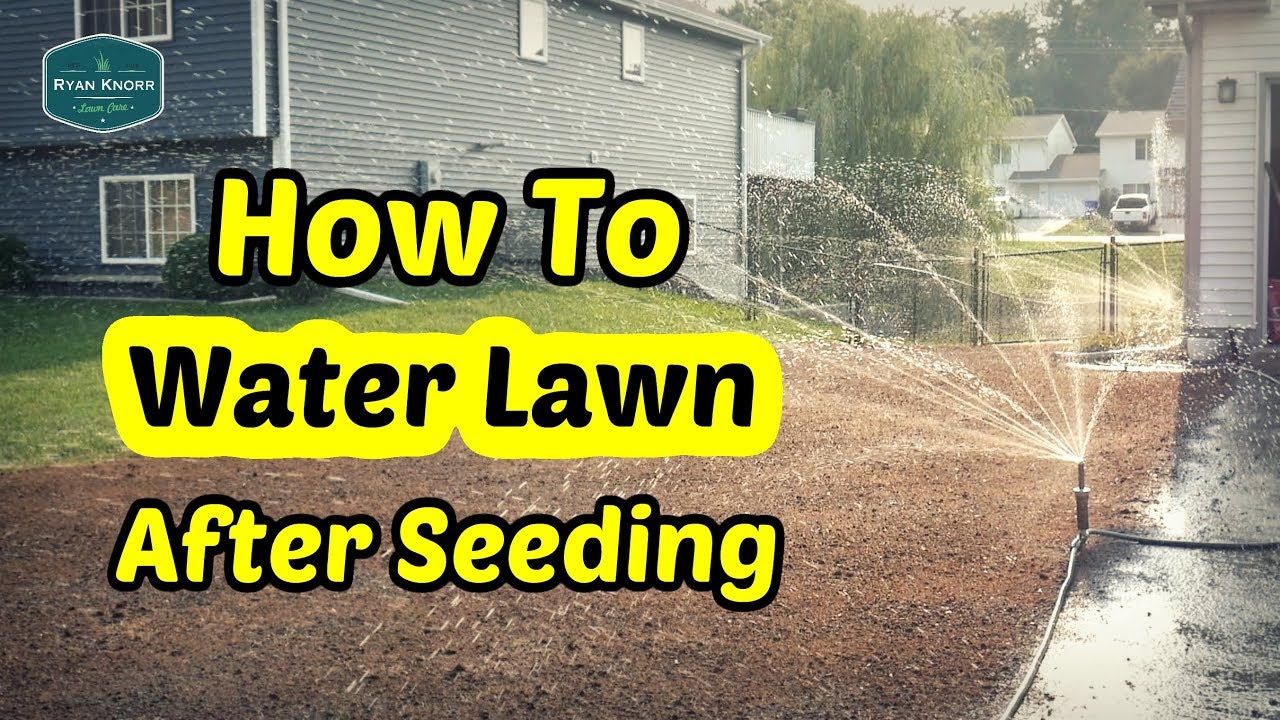
Image Source: i.ytimg.com
The Foundation of a Healthy Lawn: Seed to Lawn Success
The journey from seed to lawn is a delicate one, and proper hydration plays a starring role. When you sow grass seed, you’re essentially providing the foundation for a thriving ecosystem. This ecosystem relies heavily on consistent lawn hydration to initiate the miracle of seed germination. Think of it like nurturing a tiny plant; it needs the right environment to sprout and grow strong.
Deciphering Germination Time and Watering Needs
Every type of grass seed has a different germination time. Some cool-season grasses, like ryegrass, can sprout in as little as 5-7 days, while others, like fescues or some warm-season grasses, might take 14-21 days or even longer. During this critical period, soil moisture is paramount. The seed needs to absorb water to activate its growth process. If the soil dries out even for a short time, the germination process can be halted, and the seeds might die. This is why a consistent watering schedule is vital.
Factors Influencing Watering Frequency
Several factors influence how long and how often you’ll need to water:
- Type of Grass Seed: As mentioned, different seeds have different germination timeframes and needs.
- Weather Conditions: Hot, dry, and windy weather will cause the soil to dry out much faster. You’ll need to water more frequently. Cooler, humid, or rainy weather might allow you to water less often.
- Soil Type: Sandy soils drain quickly and require more frequent watering. Clay soils retain moisture longer but can become waterlogged if overwatered. Loam soils offer a good balance.
- Sun Exposure: Areas that receive full sun will dry out faster than shaded areas.
- Wind: Wind can significantly dry out the surface of the soil, even on cooler days.
Creating the Ideal Watering Schedule for New Grass
Developing an effective watering schedule for newly seeded areas is a balancing act. You want to provide enough water for seed germination and seedling establishment, but avoid creating conditions that encourage disease or wash away the seeds.
The First Few Weeks: A Critical Window
For the first two to three weeks after seeding, the goal is to keep the top inch of soil consistently moist. This is the prime time for seed germination and the initial root development.
- Frequency: Aim for light, frequent watering. This might mean watering once or twice a day, or even more in very hot or windy conditions.
- Duration: Water for short periods. The idea is to moisten the surface layer without saturating the soil and creating puddles. A good rule of thumb is to water for 10-15 minutes at a time, or until the soil looks dark and moist.
Extending Watering for Lawn Establishment
As the grass seedlings begin to grow and develop, you can gradually adjust your watering schedule. The focus shifts from germination to lawn establishment, encouraging deeper root growth.
- Weeks 3-6: Once the seedlings are about an inch tall, you can start to water less frequently but for longer durations. This encourages the roots to grow deeper in search of moisture. Aim for watering every 2-3 days, providing enough water to moisten the soil to a depth of 3-4 inches.
- After 6 Weeks: Continue to water deeply and less frequently as the grass continues to grow. The goal is to promote a healthy, deep root system, which will make the lawn more drought-tolerant and resilient.
How Long Should You Water at Each Session?
The duration of your watering sessions will vary depending on your irrigation system and soil type.
- Sprinklers: If you’re using sprinklers, a good starting point is 10-15 minutes per session during the initial germination phase. As the grass grows, you can increase this to 20-30 minutes per session, ensuring you’re watering deeply. You can test the depth of moisture by probing the soil with a screwdriver.
- Soaker Hoses/Drip Irrigation: These systems deliver water more slowly and directly to the soil, making them excellent for new seed. You might need to run them for longer periods, perhaps 30-45 minutes, to achieve the desired soil moisture depth.
Identifying Proper Soil Moisture Levels
A key skill in new grass care is learning to judge soil moisture.
- Visual Cues: The soil should look dark and moist. If it starts to look lighter in color or dry, it’s time to water.
- The Finger Test: Push your finger into the soil about an inch deep. If it feels dry, it’s time to water. If it feels damp, you can likely hold off for a little longer.
- The Screwdriver Test: After watering, try to push a screwdriver into the soil. It should go in easily to a depth of at least 3-4 inches. If it’s difficult to push in, you’ve watered enough. If it goes in very easily and feels saturated, you might have overwatered.
Watering Techniques for Optimal Seedling Establishment
Beyond just how long and how often, the way you water also matters immensely for seedling establishment.
The Dangers of Overwatering and Underwatering
- Overwatering: This can lead to several problems:
- Fungal Diseases: Fungi thrive in consistently wet conditions. Overwatering can create a breeding ground for diseases that can devastate young grass.
- Seed Washout: Heavy watering can wash away the seeds, concentrating them in some areas and leaving others bare.
- Shallow Root Development: If the soil is always saturated, the roots have no incentive to grow deeper. This results in a weak, shallow root system that struggles to find moisture during dry spells.
- Compaction: Waterlogged soil can become compacted, making it harder for roots to penetrate.
- Underwatering: This is equally detrimental:
- Germination Failure: Seeds need consistent moisture to germinate. If the soil dries out, the germination process stops, and the seeds may die.
- Weak Seedlings: Even if some seeds germinate, they won’t develop strong root systems if they consistently experience dry conditions.
- Uneven Growth: Patches of your lawn might remain bare if they didn’t receive enough moisture to germinate.
Choosing the Right Watering Tools
The tools you use can significantly impact the effectiveness of your watering.
- Oscillating Sprinklers: These are often a good choice for new lawns as they provide a gentle, even spray. Adjust the spray pattern to avoid watering sidewalks or driveways.
- Impact Sprinklers: These can be effective but can also be quite forceful, potentially displacing seeds if not used carefully.
- Soaker Hoses and Drip Irrigation: As mentioned, these are excellent for consistent, gentle moisture delivery. They are particularly useful in areas with challenging soil or wind.
Adjusting for Different Soil Types
- Sandy Soils: These drain very quickly. You’ll need to water more frequently, but the duration of each watering might be shorter to avoid water running off. Focus on keeping the top inch consistently moist.
- Clay Soils: These hold moisture longer. Water less frequently but ensure the water has time to penetrate. Overwatering can lead to waterlogging and root rot. Water deeply enough to moisten the top 3-4 inches, then allow the soil to dry slightly before watering again.
- Loam Soils: These offer a good balance of drainage and moisture retention, making them the easiest to manage. Follow the general guidelines, adjusting based on weather.
Monitoring and Maintaining Your Newly Seeded Lawn
New grass care isn’t just about the initial watering; it’s an ongoing process of monitoring and adjustment.
Signs Your New Lawn Needs Water
- Wilting or Curling: The grass blades may start to droop or curl inward.
- Color Change: The grass may take on a dull, bluish-green hue before turning brown.
- Footprints Remain: If you walk on the grass and your footprints stay visible for a long time, it’s a sign the grass is dry and lacks the turgor pressure to spring back.
What to Do When You See Signs of Dryness
If you notice any of these signs, it’s crucial to water immediately. Prioritize a deep, soaking watering to rehydrate the roots. Then, reassess your watering schedule to ensure you’re providing adequate lawn hydration.
The Transition to Regular Watering
Once your grass has established itself – typically after about 4-6 weeks, when it’s been mowed a couple of times – you can transition to a more standard watering routine for established lawns. This usually means watering less often but more deeply, aiming to moisten the soil to a depth of 4-6 inches. The goal is to encourage deep root systems, which are essential for a healthy, resilient lawn.
Common Mistakes to Avoid
- Watering at the Wrong Time of Day: Avoid watering in the hottest part of the day, as much of the water will evaporate. The best times are early morning (before 10 am) or late afternoon/early evening (after 4 pm). Early morning is generally preferred as it allows the grass blades to dry off before nightfall, reducing the risk of fungal diseases.
- Assuming all areas need the same amount of water: Observe your lawn. Shady spots will dry slower than sunny spots. Adjust your watering accordingly.
- Not checking the sprinkler coverage: Ensure your sprinklers are reaching all areas of your lawn evenly. Uneven coverage leads to patchy growth.
- Forgetting about rainfall: If you have a period of natural rainfall, you can adjust or skip your watering sessions.
Frequently Asked Questions About Watering New Seed
Q1: How much water does new grass seed need?
New grass seed needs consistent moisture to germinate. You should aim to keep the top inch of soil moist at all times. This typically means light, frequent watering sessions (e.g., 10-15 minutes, 1-2 times a day) rather than long, infrequent ones, especially during the first few weeks.
Q2: How often should I water newly seeded grass?
For the first 2-3 weeks, water at least once a day, and possibly twice a day, depending on weather conditions. As the grass grows and establishes, you can gradually reduce the frequency to every 2-3 days, watering more deeply to encourage root growth.
Q3: Can I overwater new grass seed?
Yes, you can absolutely overwater new grass seed. Overwatering can lead to fungal diseases, wash away seeds, and promote shallow root growth. The goal is to keep the soil consistently moist, not waterlogged.
Q4: When is the best time of day to water new seed?
The best time to water is early in the morning, before the heat of the day sets in. This allows the seeds and seedlings to absorb moisture and reduces evaporation. Watering in the late afternoon/early evening is a secondary option, but it’s important to ensure the grass blades have time to dry before night to minimize disease risk.
Q5: How long does it take for grass seed to sprout?
Germination time varies significantly depending on the grass type. Some seeds, like perennial ryegrass, can sprout in as little as 5-7 days, while others, like fescues or some warm-season grasses, may take 14-21 days or even longer. Always check the seed packaging for specific germination time information.
Q6: My grass seed is sprouting, but it looks thin. What should I do?
This is normal for newly sprouted grass. Continue with your watering schedule to encourage further seedling establishment and thicker growth. Mowing at the correct height will also help the grass thicken up. Avoid mowing too short initially.
Q7: Do I need to water if it rains?
If you receive enough natural rainfall to moisten the top inch of soil, you can likely skip watering. However, if the rain is very light or the wind is strong, you may still need to water to ensure adequate soil moisture. Always check the soil’s moisture level after rain.
Q8: How do I know if I’m watering enough?
Use the finger test (stick your finger an inch into the soil – if it feels dry, water) or the screwdriver test (a screwdriver should go into the soil easily to a depth of 3-4 inches after watering). Visually, the soil should look dark and moist, not pale or dry.
Q9: How long should I water my lawn after it’s established?
Once your lawn is established (after about 4-6 weeks, and after a few mows), you can transition to a more standard watering routine. This usually means watering deeply 1-2 times per week, allowing the soil to dry out slightly between waterings, to encourage deep root growth.
By following these guidelines and paying close attention to your lawn’s needs, you can successfully navigate the critical post-seeding watering period and achieve a beautiful, healthy lawn from seed to lawn.