
When to reseed your lawn? You should consider reseeding your lawn when it becomes thin, patchy, or has bare spots, typically after a few years of wear and tear, or if it’s struggling with pests, diseases, or poor soil conditions.
A lush, green lawn is the envy of the neighborhood, but maintaining that perfection can sometimes feel like a constant battle. One of the most effective ways to revive a tired lawn or thicken a sparse one is through reseeding. But how often should you actually do it? This guide will walk you through everything you need to know about your lawn reseeding schedule.
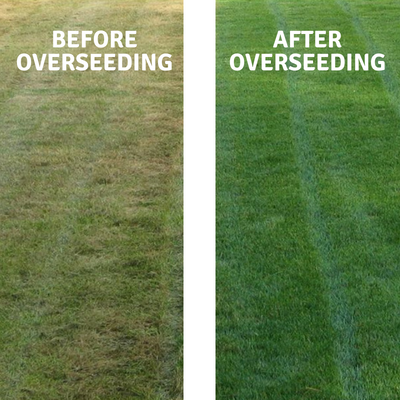
Image Source: www.turfunlimited.com
Deciphering Your Lawn’s Needs: When to Reseed
Your lawn is a living thing, and like any living organism, it will show signs when it’s not thriving. Recognizing these signs is the first step to knowing when to reseed.
Indicators of a Lawn Needing Reseeding
- Thinning Grass: If you notice large areas where the grass is becoming sparse and the soil is showing through, it’s a clear sign that the grass isn’t growing vigorously enough to fill in.
- Patchiness and Bare Spots: These are the most obvious indicators. Bare patches can be caused by a variety of factors, including heavy foot traffic, pet urine, insect damage, or disease.
- Weed Dominance: If weeds are outcompeting your grass in significant areas, reseeding with a strong grass blend can help push the weeds back.
- Poor Color: A lawn that appears dull or yellowish, even with proper watering and fertilization, might have a weak grass species or be suffering from soil issues that reseeding can help address.
- Moss or Algae Growth: These often appear in areas with poor drainage, compacted soil, or low sunlight, indicating conditions unfavorable to healthy grass. Reseeding with a more shade-tolerant or resilient variety might be necessary.
- Dying Grass in Specific Areas: This could be due to disease, grubs, or a specific environmental stressor. Reseeding these spots can help restore the lawn’s appearance.
Crafting Your Lawn Reseeding Schedule
There isn’t a one-size-fits-all answer for how often to reseed your lawn. Your specific lawn care frequency will depend on several factors.
Factors Influencing Reseeding Frequency
- Grass Type: Different grass varieties have different growth habits and lifespans. Cool-season grasses like Kentucky bluegrass or fescue may benefit from reseeding more often than warm-season grasses like Bermuda or Zoysia.
- Climate: Extreme weather conditions, such as prolonged drought, excessive heat, or harsh winters, can stress your lawn and necessitate more frequent reseeding.
- Usage and Traffic: A lawn that experiences a lot of foot traffic, children playing, or pets running will naturally wear down faster and may need reseeding more often than a purely ornamental lawn.
- Soil Health: Poor soil quality, compaction, or nutrient deficiencies can weaken grass, leading to thinning and bare spots that require reseeding.
- Pest and Disease Pressure: Frequent outbreaks of lawn pests or diseases can kill grass, creating the need for reseeding.
- Initial Seeding Quality: If the initial seeding was done with a low-quality seed mix or under poor conditions, the lawn may never have established as well as it should have, leading to a shorter lifespan and earlier need for reseeding.
Comprehending Lawn Overseeding Frequency
Overseeding is the process of sowing grass seed directly into an existing lawn. It’s a fantastic way to thicken your lawn without the disruption of a full renovation.
The Role of Overseeding in Lawn Health
Overseeding is not just about filling in bare spots; it’s a proactive approach to lawn maintenance.
- Thickening the Lawn: Adding new grass seed among existing grass blades creates a denser turf. A thicker lawn is better at crowding out weeds and resisting disease.
- Introducing Better Grass Varieties: If your current grass type is prone to issues in your area (e.g., drought, disease), overseeding with a more resilient variety can gradually improve your lawn’s overall quality.
- Improving Wear Tolerance: Overseeding can introduce grass species that are more tolerant of traffic, making your lawn more robust.
- Aesthetic Improvement: A denser, greener lawn is simply more beautiful.
How Often to Overseed Lawn
For most homeowners, overseeding once every 1-3 years is a good general guideline. However, this can vary:
- High-Traffic Lawns: Lawns used heavily for recreation might benefit from overseeding annually.
- Lawns with Wear Issues: If you consistently see thinning or bare spots developing due to wear and tear, annual overseeding in the fall can be very beneficial.
- Dormant or Struggling Lawns: If your lawn is looking particularly thin or stressed from a tough season, an overseeding in the fall can help it recover and prepare for the next year.
- Cool-Season Grasses: These grasses are often overseeded in the fall to allow them to establish before winter.
- Warm-Season Grasses: These are best overseeded in late spring or early summer, allowing them to establish during their peak growing season.
Lawn Renovation Timing: When to Consider a Full Reseed
Sometimes, overseeding isn’t enough. If your lawn has significant problems or is composed of undesirable grass species, a full lawn renovation, which includes reseeding, might be necessary.
Signs Your Lawn Needs Renovation
- Dominance of Undesirable Grasses: If your lawn is mostly crabgrass, weeds, or a coarse, unsightly grass species, renovation is likely the best path.
- Severe Insect or Disease Damage: If pests or diseases have killed off large portions of your lawn, reseeding is essential.
- Widespread Weed Infestation: When weeds have taken over to the point where reseeding won’t make a difference, a complete overhaul is often the solution.
- Severe Soil Compaction: If your soil is heavily compacted, reseeding alone won’t solve the underlying problem. Aeration is crucial, and often a renovation project allows for addressing soil issues comprehensively.
Best Time to Reseed Grass for Renovation
The best time to reseed grass for a full renovation depends on your climate and grass type.
- Cool-Season Grasses: The ideal time is late summer to early fall (August to October). The soil is still warm enough for germination, but the air temperatures are cooler, reducing stress on new seedlings. This also allows the grass to establish before winter and grow vigorously in the spring.
- Warm-Season Grasses: The best window is late spring to early summer (May to July), when soil temperatures are consistently warm and the risk of frost has passed.
Practical Steps for Reseeding Patchy Lawn
When you notice specific patchy areas, it’s time for targeted lawn repair reseeding.
Steps for Patchy Lawn Reseeding
- Assess the Cause: Before you grab the seed, figure out why the patch is there. Is it from pet urine? Heavy traffic? A grub problem? Address the root cause.
- Prepare the Area:
- Remove Debris: Clear away any dead grass, weeds, rocks, or other debris from the patch.
- Loosen the Soil: Use a rake or trowel to loosen the top inch or two of soil. This helps the new seed make good contact with the soil.
- Level the Area: Rake the soil smooth, filling in any divots or low spots.
- Select the Right Seed: Choose a grass seed that matches your existing lawn type and is suited to your climate and sunlight conditions. For quick results in patchy areas, a fast-germinating annual ryegrass blend can be mixed with a more permanent perennial ryegrass or fescue.
- Sow the Seed: Spread the seed evenly over the prepared patch. Follow the seeding rate recommendations on the seed bag, but for small patches, you can often use a slightly higher density.
- Rake and Tamp: Lightly rake the seed into the loosened soil. You want good seed-to-soil contact, but don’t bury the seed too deeply. Then, gently tamp down the area with your feet or a roller to ensure firm contact.
- Water Consistently: Keep the newly seeded area consistently moist, but not waterlogged. This often means light watering once or twice a day, especially in warm or windy weather.
- Protect the Area: Keep foot traffic and pets off the newly seeded patch until the grass is well-established (usually 3-4 weeks, or until it has been mowed a few times).
- Mow Carefully: When you mow, avoid cutting the new grass too short.
Seasonal Lawn Reseeding: A Year-Round Approach
Seasonal lawn reseeding is about timing your efforts for maximum success.
Fall: The Prime Reseeding Season (for Cool-Season Grasses)
Fall is widely considered the ideal time for reseeding lawns in regions with cool-season grasses.
- Why Fall is Best:
- Warm Soil: The soil retains heat from the summer, providing excellent conditions for seed germination.
- Cool Air Temperatures: Cooler air temperatures reduce the stress on delicate new seedlings, allowing them to establish without the harshness of summer heat.
- Reduced Weed Competition: Many common summer weeds have finished their life cycle or are starting to die back, meaning less competition for your new grass.
- Increased Rainfall: Fall often brings more consistent rainfall, which is crucial for germinating seeds and establishing young grass.
- Winter Dormancy Preparation: Grass that establishes in the fall has time to develop a strong root system before winter dormancy, giving it a head start in the spring.
Spring: A Secondary Option with Considerations
While fall is preferred, spring can also be a viable time for reseeding, especially if you missed the fall window or are dealing with significant spring damage.
- Spring Reseeding Considerations:
- Weed Competition: Spring is also prime growing season for many weeds, which will compete aggressively with your new grass.
- Heat Stress: As temperatures rise, young seedlings can be easily stressed and may not establish as well as they would in the fall.
- Watering Demands: You’ll need to be diligent with watering to keep the new grass hydrated through warmer spring days.
- Timing is Crucial: Aim for early spring, as soon as the soil can be worked and the risk of a hard frost has passed, but before the intense heat of summer arrives.
Summer: Generally Not Recommended
- Why Summer is Poor: Extreme heat, drought conditions, and intense sunlight make summer reseeding very difficult. New seedlings are highly susceptible to desiccation and stress during these months. If you must reseed in summer, it needs meticulous watering and shade management.
Winter: Avoid
- Why Winter is Poor: While some might think of “dormant seeding” (sowing seed in late fall/early winter when the ground is about to freeze), actively reseeding during winter when the ground is frozen is unproductive. Seeds won’t germinate until temperatures rise in spring, and they may be washed away or eaten by birds before that.
Lawn Care Frequency: Integrating Reseeding
Your lawn reseeding schedule should be part of your overall lawn care frequency.
Typical Lawn Care Schedule and Reseeding Integration
- Spring (March-May):
- Fertilize: Apply a spring fertilizer.
- Weed Control: Apply pre-emergent herbicides if needed.
- Aeration/Dethatching: If necessary, these tasks are often best done in spring or fall.
- Overseeding (Warm-Season Grasses): Late spring is ideal for overseeding warm-season lawns.
- Summer (June-August):
- Watering: Water deeply and infrequently.
- Mowing: Mow at the correct height for your grass type.
- Pest/Disease Monitoring: Watch for and treat any issues.
- Spot Reseeding: Address any small bare spots that emerge.
- Fall (September-November):
- Fertilize: Apply a fall fertilizer, often with a higher potassium content.
- Overseeding (Cool-Season Grasses): This is the prime time for overseeding cool-season lawns.
- Leaf Removal: Keep the lawn clear of fallen leaves.
- Aeration/Dethatching: If not done in spring, fall is another good time.
- Winter (December-February):
- Dormant Seeding (Late Fall/Early Winter): For cool-season grasses, this involves spreading seed just before the ground freezes, allowing it to germinate with spring thaw.
- Minimal Activity: Your lawn is dormant or recovering. Avoid heavy traffic.
Types of Reseeding and Their Frequency
Understanding the different approaches to reseeding can help you decide how often to do it.
Full Lawn Renovation vs. Spot Reseeding
| Feature | Full Lawn Renovation | Spot Reseeding |
|---|---|---|
| Scope | Entire lawn | Small, localized areas |
| Goal | Rebuild the lawn, change grass types, fix major issues | Repair bare patches, thicken sparse areas |
| Disruption | High | Low |
| Frequency | Every 5-10 years (or when needed) | As needed (can be multiple times per year) |
| Soil Prep | Extensive (tilling, grading, soil amendment) | Light (loosening, debris removal) |
| Seed Amount | High | Low |
| Timing Importance | Very High (specific windows for best results) | Moderate (can be done more flexibly) |
Overseeding
As discussed, overseeding is a middle ground, aimed at thickening and improving the existing turf. Its frequency of 1-3 years is a general guideline.
Factors Affecting Seed Germination and Establishment
Regardless of how often you reseed, successful germination and establishment are key.
Critical Elements for Seed Success
- Seed-to-Soil Contact: Seed needs to be pressed firmly against moist soil to sprout.
- Moisture: Consistent moisture is vital during germination and early growth. Too dry, and the seed won’t sprout. Too wet, and it can rot.
- Temperature: Each grass type has an optimal temperature range for germination.
- Sunlight: Most grass seeds need at least some light to germinate, but direct, harsh sun can dry out seedlings quickly.
- Nutrients: While young grass gets initial nutrients from the seed itself, a light starter fertilizer can aid establishment.
- Protection: Newly seeded areas are vulnerable to traffic, pets, and erosion.
Frequently Asked Questions About Reseeding Your Lawn
Here are some common questions about how often to reseed your lawn.
Q1: Can I reseed my lawn in the summer?
A: It is generally not recommended to reseed your lawn in the summer due to heat and drought stress, which can prevent germination and kill young seedlings. If you must, choose a heat-tolerant variety and be prepared for intensive watering and shading. Fall is almost always a better choice for cool-season grasses.
Q2: What’s the difference between reseeding and overseeding?
A: Reseeding can refer to both overseeding (sowing seed into existing turf) and a full lawn renovation (removing the old lawn and starting over with new seed). Overseeding is typically done more frequently to improve density and health, while full reseeding is a more drastic measure for major lawn overhauls.
Q3: How long does it take for grass seed to grow?
A: The germination time varies significantly by grass type. Fast-growing annual ryegrass can sprout in 3-7 days, while perennial ryegrass may take 7-14 days. Fescues typically germinate in 7-21 days, and Kentucky bluegrass can take 14-28 days or even longer.
Q4: Do I need to fertilize after reseeding?
A: Yes, it’s highly beneficial to use a starter fertilizer when reseeding. These fertilizers contain phosphorus, which is essential for root development, helping the new grass establish quickly and strongly. Apply according to the product label immediately after sowing.
Q5: How do I prepare my lawn for reseeding?
A: Proper preparation is key. This involves removing debris, loosening compacted soil (aeration is often recommended), and removing any weeds. For patchy reseeding, just focus on preparing the specific bare spots. For a full renovation, it may involve killing off the old lawn, tilling, and grading.
Q6: My lawn is very patchy. How often should I overseed to fix it?
A: For a patchy lawn, you can overseed those specific areas as needed throughout the growing season, but your best bet for a lasting fix is to do a general overseeding in the fall (for cool-season grasses) or late spring (for warm-season grasses). This will help thicken the entire lawn and reduce future patchiness.
Q7: Is overseeding my lawn a good idea every year?
A: For most lawns, overseeding annually is not strictly necessary but can be beneficial if your lawn experiences heavy traffic or is prone to thinning. If your lawn is generally healthy and dense, once every 2-3 years might be sufficient. Observe your lawn’s condition to guide your frequency.
Q8: How often should I reseed my lawn if I have pets?
A: Pets can cause urine burn spots that kill grass. If this is a common issue, you’ll be doing more spot reseeding as needed. You might also consider overseeding annually in the fall with a more resilient grass blend to help your lawn recover from wear and tear caused by pets.
By following this guide, you can develop a smart lawn reseeding schedule that keeps your turf looking its best, whether through targeted lawn repair reseeding or a more comprehensive lawn renovation timing strategy.