
Can you tell when your lawn mower blade needs replacing? Yes, there are several clear signs to watch for, and knowing them can save your lawn from damage and make your mowing job easier. This guide will help you figure out the right frequency of blade replacement and when to get your sharpening lawn mower blades done.
A sharp, well-maintained lawn mower blade is crucial for a healthy, vibrant lawn. While many homeowners focus on regular engine maintenance, the importance of the blade itself is often overlooked. A dull or damaged blade doesn’t just make your mower work harder; it can inflict serious damage on your grass, leading to a host of problems that are difficult and costly to fix. This comprehensive guide delves into everything you need to know about your lawn mower blade, from identifying when it’s time for a change to understanding the lawn mower maintenance schedule that keeps your equipment in top condition. We’ll explore the lawn mower blade lifespan, the tell-tale signs of dull mower blade, and the best time to replace lawn mower blade.
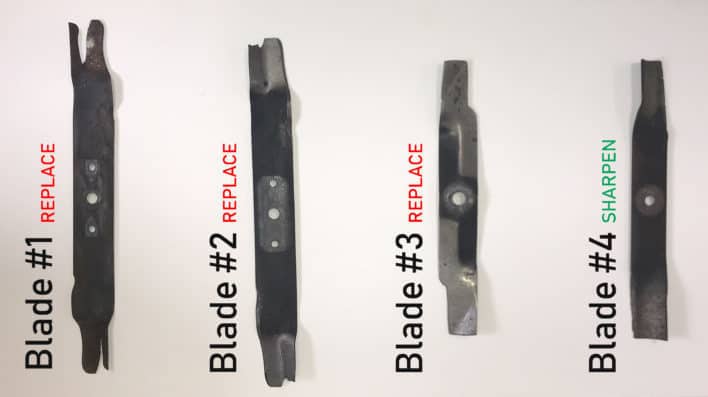
Image Source: minnesotaequipment.com
Why Blade Condition Matters for Your Grass
Think of your lawn mower blade as the sharp teeth of your gardening tool. When they are sharp, they make clean, precise cuts through grass blades. This allows the grass to heal quickly and prevents disease. However, when blades become dull, they don’t cut; they tear. This tearing action leaves ragged edges on the grass, which are much more susceptible to disease, pests, and drought.
The Impact of a Dull Blade on Your Lawn
- Uneven Cutting: A dull blade will often leave grass blades jagged and uneven, creating a “scalped” or patchy appearance.
- Brown Tips: The tearing action can cause the grass tips to turn brown and wither, making your lawn look unhealthy and stressed.
- Increased Disease Risk: Ragged grass edges provide easy entry points for fungal diseases and other pathogens.
- Weakened Grass: Constantly torn grass blades struggle to absorb sunlight and nutrients efficiently, leading to weaker growth.
- Increased Water Loss: Damaged grass loses moisture more rapidly, making your lawn more prone to drying out during hot weather.
Deciphering the Signs of a Dull Mower Blade
Recognizing the subtle (and not-so-subtle) signs of dull mower blade is the first step to maintaining a healthy lawn. Regularly inspecting your blade and observing your lawn’s appearance after mowing are key.
Visual Clues on Your Lawn
- Ragged Grass Edges: After mowing, look closely at the tips of the grass blades. If they appear torn, shredded, or frayed, your blade is likely dull. A sharp blade leaves a clean, crisp cut.
- Brown or Yellowing Tips: This is a classic symptom. The tearing action bruises the grass, causing the tips to turn brown or yellowish. A healthy, properly cut lawn should look uniformly green.
- Uneven Cutting Pattern: If you notice streaks or patches where the grass is left noticeably longer or the cut is inconsistent, it’s a strong indicator of a dull blade or a blade that’s unbalanced.
- “Stressed” Appearance: Your lawn may look generally tired or unhealthy after mowing, even if you’ve been watering and fertilizing properly. This can be a cumulative effect of the damage caused by a dull blade.
Performance Indicators of Your Mower
- Increased Mowing Time: If it feels like you’re spending more time mowing the same area, or if the mower struggles to cut through even light grass, your blade might be dull and requiring more effort from the engine.
- Visible Strain on the Engine: You might hear your mower’s engine bogging down or sounding like it’s working much harder than usual, especially in thicker patches of grass. This is often due to the increased resistance from a dull blade.
- Excessive Vibration: A dull blade, particularly one that’s also bent or unbalanced, can cause the mower to vibrate excessively. This isn’t just uncomfortable; it can also put undue stress on other mower components, potentially leading to premature wear and tear.
Gauging Your Lawn Mower Blade Lifespan
The lawn mower blade lifespan isn’t a fixed number; it depends on several factors. Understanding these variables will help you anticipate when a replacement might be necessary.
Factors Influencing Blade Lifespan
- Mowing Frequency: The more often you mow, the more wear and tear your blade experiences. If you have a large yard or mow multiple times a week, your blade will dull faster.
- Grass Type and Density: Some grass types are tougher than others. Thick, dense turf will wear down a blade more quickly than a thinner, less dense lawn.
- Terrain: Mowing over rough terrain, rocks, twigs, or sandy soil significantly increases the rate of blade wear and can even cause nicks and damage that shorten its effective lifespan.
- Blade Material and Quality: Higher-quality steel blades tend to hold an edge longer and are more resistant to damage than cheaper alternatives.
- Sharpening and Maintenance Practices: Regular sharpening and proper care can extend a blade’s life. Conversely, neglecting maintenance will shorten it dramatically.
How Often to Replace Lawn Mower Blade: General Guidelines
As a general rule of thumb, most lawn mower blades benefit from sharpening at least once a year, typically in the spring before the main mowing season begins. However, replacement might be needed more often, especially if you encounter rough conditions.
- Homeowners with average-sized yards and moderate mowing frequency: Consider sharpening lawn mower blades annually. Replacement might be needed every 2-3 years, or sooner if you notice significant wear.
- Homeowners with large yards, frequent mowing, or challenging terrain: You may need to sharpen blades twice a year and consider replacement every 1-2 years.
- Professional Landscapers: Professionals who mow many hours a day, several days a week, will need to sharpen blades much more frequently—often every 25-50 mowing hours—and may replace blades every season or even more often.
When to Get Lawn Mower Blade Sharpened vs. Replaced
Knowing when to sharpen and when to replace is crucial. Sharpening can restore a blade’s cutting edge, but if the blade is significantly damaged or worn down, replacement is the only viable option.
The Case for Sharpening
- Slight Dullness: If you notice the “ragged edge” or “brown tip” symptoms but the blade isn’t chipped or significantly worn.
- Regular Maintenance: Part of your lawn mower maintenance schedule should include periodic sharpening.
The Case for Replacement
- Significant Nicks and Chips: If the blade has visible chunks missing or deep gouges from hitting rocks or hard objects.
- Bent or Warped Blades: A bent blade can cause severe vibration and uneven cutting. It’s often unsafe and ineffective to try and straighten a bent blade; replacement is recommended.
- Excessive Wear: If the blade is noticeably thinner than it should be, or the cutting edge has been ground down significantly over multiple sharpenings.
- Cracked Blades: This is a serious safety hazard and requires immediate replacement.
How to Tell If Mower Blade is Bad
Beyond the visual signs on your lawn, there are direct ways to assess the condition of your mower blade. This involves a physical inspection.
Performing a Physical Inspection
Safety First! Always disconnect the spark plug wire before inspecting or removing the mower blade to prevent accidental starting. Wear heavy gloves to protect your hands from sharp edges.
- Remove the Blade: Use a socket wrench or torque wrench to loosen and remove the bolt holding the blade in place. Note the direction the blade is mounted.
- Examine the Cutting Edge:
- Sharpness: Run your gloved thumb carefully along the cutting edge. You should feel a distinct sharpness. If it feels rounded or smooth, it’s dull.
- Nicks and Gouges: Look for any indentations, chips, or deep scratches along the edge. Small imperfections might be addressed by sharpening, but significant damage warrants replacement.
- Wear: Check if the blade has worn down significantly in thickness, especially at the very tip.
- Check for Bends or Warps: Lay the blade on a flat surface or hold it up to a straight edge. If it doesn’t sit flat or the edges don’t align with the center, it’s likely bent.
- Look for Cracks: Inspect the blade carefully for any hairline cracks, especially near the bolt hole or along the body. Cracks are a serious safety concern.
- Assess Balance: A balanced blade spins smoothly. If you’ve sharpened it unevenly, it can become unbalanced. Some sharpening services include balancing. If you sharpen it yourself, ensure it’s balanced (a simple blade balancer can be purchased). An unbalanced blade causes vibration and uneven cutting.
The Lawn Mower Maintenance Schedule: Blade Care Integration
Your lawn mower maintenance schedule should treat the blade as a critical component, not an afterthought. Here’s how to integrate blade care:
Seasonal Maintenance
- Spring (Pre-Mowing Season): This is the ideal time for your first blade inspection. If it’s dull, get it sharpened or replaced. Check for any damage sustained over the winter.
- Summer (Mid-Mowing Season): Depending on your usage, consider a mid-season inspection. If you’ve hit rocks or notice deteriorating lawn quality, it might be time for another sharpening or check.
- Fall (Post-Mowing Season): Before storing your mower for the winter, clean the blade thoroughly. Inspect it for any damage that might have occurred during the season. If it’s significantly worn or damaged, this is a good time to purchase a new one so it’s ready for spring.
Monthly Checks (Especially During Peak Season)
- Quick Visual Inspection: After a few mowing sessions, give the blade a quick look for obvious damage like chips or bends.
- Listen to Your Mower: Pay attention to any new noises or vibrations.
Best Time to Replace Lawn Mower Blade
The best time to replace lawn mower blade is often when you notice the signs of dullness or damage and before it impacts your lawn’s health or your mower’s performance. However, there are strategic times to consider:
- Before Peak Season: Replacing your blade in late winter or early spring ensures you start the mowing season with optimal cutting performance.
- After Hitting an Obstacle: If you inadvertently strike a rock, tree root, or other hard object, stop immediately and inspect the blade. If there’s damage, replace it then and there. Don’t risk further damage or unsafe operation.
- When Performance Declines: Don’t wait until your lawn is visibly suffering. If your mower feels sluggish or the cut quality deteriorates, it’s time for a new blade.
Cost of Lawn Mower Blade Replacement
The cost of lawn mower blade replacement can vary significantly. Fortunately, it’s generally an affordable maintenance task compared to engine repairs or lawn renovation.
- Blade Cost: Basic replacement blades for most walk-behind mowers can range from $10 to $30. Blades for larger riding mowers or specialized mulching/bagging blades can cost anywhere from $20 to $50 or more.
- Sharpening Cost: Professional sharpening services typically charge between $10 to $25 per blade.
- DIY Sharpening: If you have a bench grinder or a dedicated blade sharpener attachment for your drill, the cost is minimal beyond the initial tool purchase.
Table 1: Approximate Costs for Blade Replacement and Sharpening
| Service/Item | Typical Cost Range (USD) | Notes |
|---|---|---|
| Basic Walk-Behind Mower Blade | $10 – $30 | Standard cutting blade. |
| Riding Mower Blade | $20 – $50+ | Varies by mower size and blade type (e.g., mulching, gator). |
| Mulching Blade | $20 – $40 | Designed for fine grass particle reduction. |
| Professional Sharpening | $10 – $25 per blade | Often includes balancing. |
| DIY Sharpening Tools | $20 – $100+ | Bench grinder, file, drill attachment, balancer. |
Reasons to Replace Mower Blade: A Summary
To reiterate, here are the key reasons to replace mower blade:
- Dullness: Leading to torn grass, browning tips, and increased disease risk.
- Damage: Nicks, chips, or gouges from impact with hard objects.
- Bending or Warping: Causing vibration, uneven cuts, and potential damage to the mower deck.
- Cracks: A serious safety hazard that requires immediate replacement.
- Excessive Wear: The blade has become too thin or the cutting edge is significantly worn down.
- Improper Balance: Affecting cutting performance and causing vibrations.
Frequently Asked Questions (FAQ)
Q1: How often should I sharpen my lawn mower blades?
A: For most homeowners, sharpening once a year is sufficient, usually in the spring. However, if you mow frequently, have a large yard, or mow through tough conditions, you might need to sharpen them twice a year or even more often.
Q2: Can I sharpen my lawn mower blade myself?
A: Yes, you can sharpen your lawn mower blade yourself with the right tools (like a bench grinder, file, or a specialized drill attachment) and by following safety precautions. It’s important to maintain the correct angle and balance the blade after sharpening.
Q3: What happens if I don’t replace or sharpen my mower blade?
A: Your lawn will suffer. You’ll see uneven cuts, brown or yellow grass tips, and your lawn will be more susceptible to diseases and pests. Your mower’s engine may also work harder, potentially leading to other mechanical issues.
Q4: How do I know if my mower blade is bad?
A: Look for visible signs like chips, cracks, bends, or excessive wear on the cutting edge. Also, observe your lawn’s appearance after mowing—ragged grass tips or browning are strong indicators. Your mower’s performance, such as increased vibration or engine strain, can also signal a bad blade.
Q5: What’s the best time of year to replace my lawn mower blade?
A: The best time is typically in the spring before the mowing season begins, ensuring you start with a sharp, efficient blade. However, if you notice damage or a significant decline in performance mid-season, it’s best to replace it immediately.
Q6: How much does it cost to replace a lawn mower blade?
A: The cost usually ranges from $10 to $50, depending on the type of mower and the blade’s quality and design. Professional sharpening typically costs between $10 and $25.
Conclusion: Investing in a Healthy Lawn
Maintaining your lawn mower blade is not just about aesthetics; it’s a fundamental aspect of lawn mower maintenance schedule that directly impacts your lawn’s health and the efficiency of your equipment. By recognizing the signs of dull mower blade, understanding the lawn mower blade lifespan, and knowing the reasons to replace mower blade, you can ensure your mower is always in peak condition. Regular inspection and timely sharpening lawn mower blades or replacement will lead to a greener, healthier lawn with less effort and fewer problems. Treat your mower’s blade with the care it deserves, and your lawn will thank you for it.